FEEL IT.STREAM
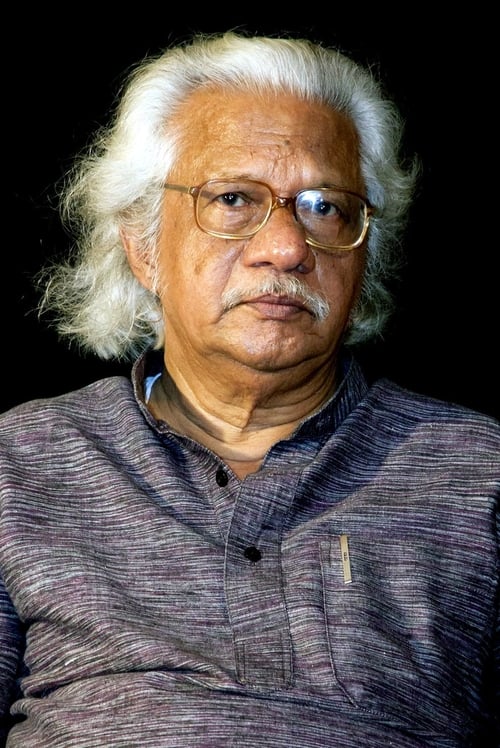
Adoor Gopalakrishnan

Adoor Gopalakrishnan

Directing

Biography

Adoor Gopalakrishnan is an Indian film director, script writer, and producer. Regarded as one of the most notable filmmakers of India, Gopalakrishnan played a major role in revolutionising Malayalam cinema during the 1970s and 80s. His first film, Swayamvaram (1972), pioneered the new wave cinema movement in Kerala. One of the most celebrated directors in the history of Indian cinema, he has won 16 National Film Awards, 17 Kerala State Film Awards and several international film awards. For his 1981 directorial venture Elippathayam, he was conferred the prestigious British Film Institute Award. Gopalakrishnan received the Padma Shri in 1984 and the Padma Vibhushan in 2006. In 2004, he was awarded the prestigious Dadasaheb Phalke Award, India's highest award in the field of cinema. Gopalakrishnan's works often depict the society and culture of his native state, Kerala, and deal with social and psychological themes.
Known For

Mathilukal
7.7

Mathilukal ('Walls') is a free adaptation of the novelette of the same name, written by the celebrated Malayalam writer, Vaikom Muhammad Basheer. Autobiographical in character, it is set against the background of India’s freedom struggle in the ’40s when he was serving a term of imprisonment in the Trivandrum Central Jail. When the film opens, we see Basheer in a police lock-up, quite at home in the company of a few petty criminals. He has been languishing there for more than a year now without a trial.

Mathilukal

1990
Filmmakers vs. Tycoons
6.8

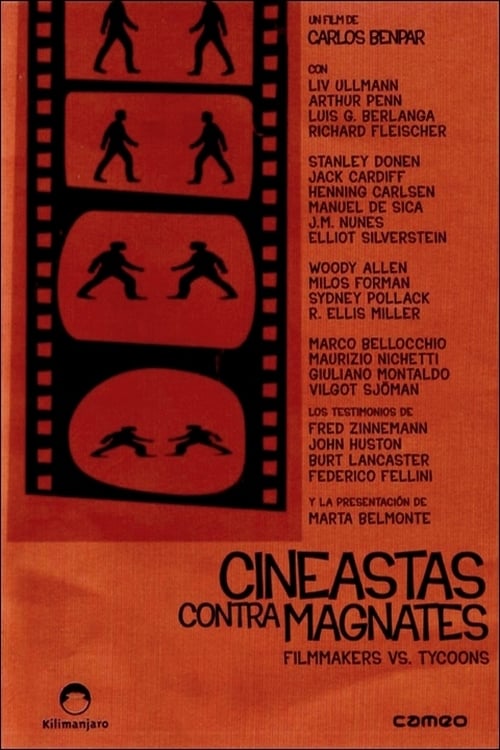
How the cinema industry does not respect the author's work as it was conceived, how manipulates the motion pictures in order to make them easier to watch by an undemanding audience or even how mutilates them to adapt the original formats and runtimes to the restrictive frame of the television screen and the abusive requirements of advertising. (Followed by “Filmmakers in Action.”)

Filmmakers vs. Tycoons

2005
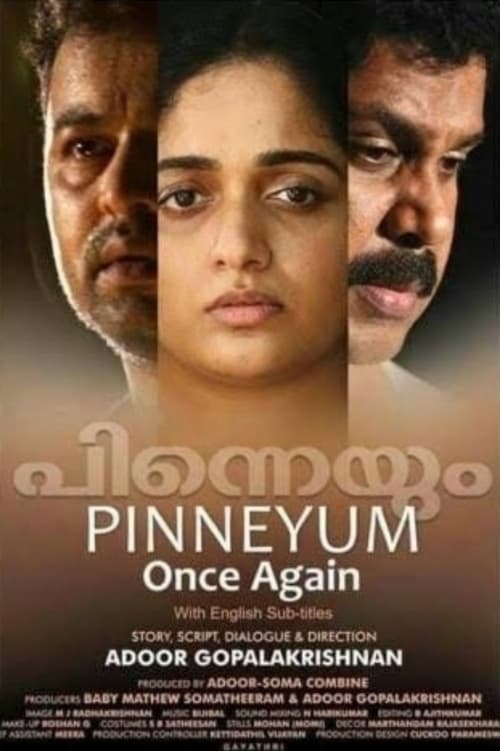
Once Again
6.0

After years spent living off the modest wealth of his in-laws, a man hatches a desperate plan that draws his respectable middle-class family into a vortex of crime.

Once Again

2016
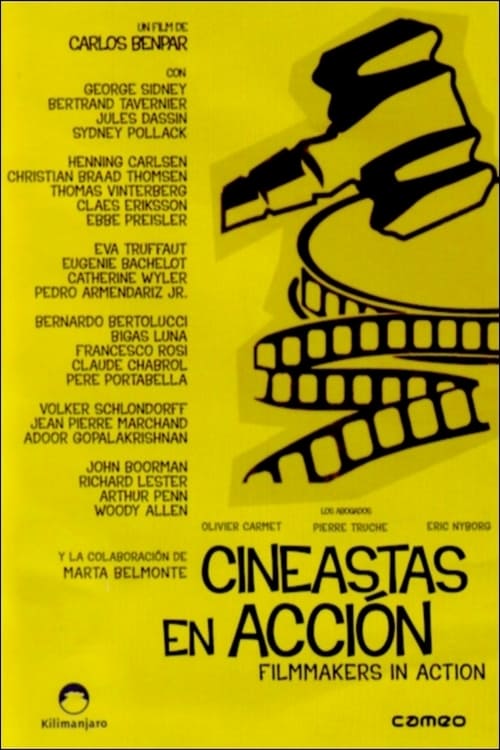
Filmmakers in Action
7.2

What is the state of cinema and what being a filmmaker means? What are the measures taken to protect authors' copyright? What is their legal status in different countries? (Sequel to “Filmmakers vs. Tycoons.”)

Filmmakers in Action

2006
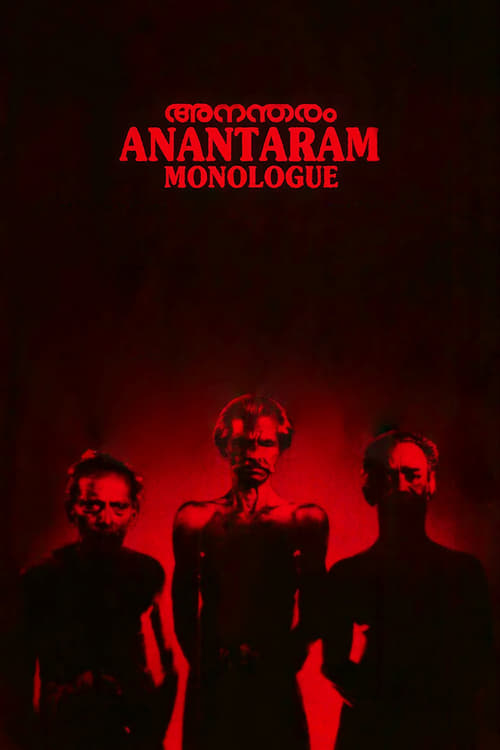
Anantaram
8.2

A young man narrates two conflicting accounts of his life, changing the details and incidents in both, as he slowly approaches madness.

Anantaram

1987
Shadow Kill
6.9

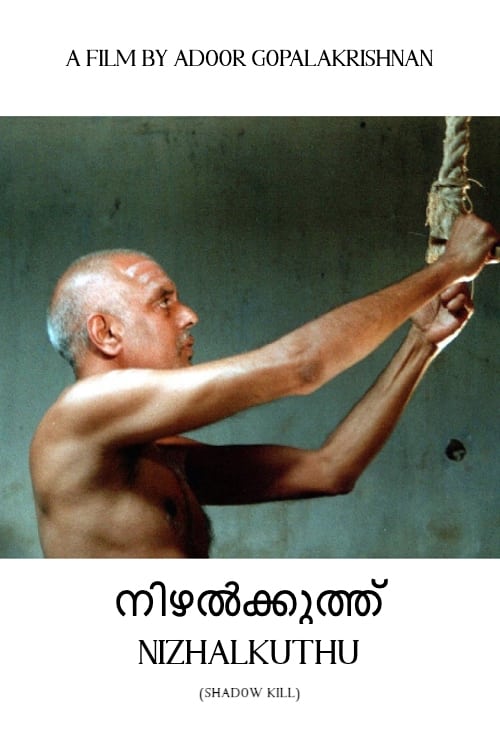
A hangman questions the moral implications of his job after learning that he executed an innocent man.

Shadow Kill

2002
8½ Intercuts : Life and Films of K.G. George
1.0

With a distinct filmography that faithfully depicts a cross-section of the Kerala society on celluloid during his active years, KG George is a master filmmaker and a true genius. This documentary is an attempt to analyse the relevance of his major films and understand his unique personality

8½ Intercuts : Life and Films of K.G. George

2017
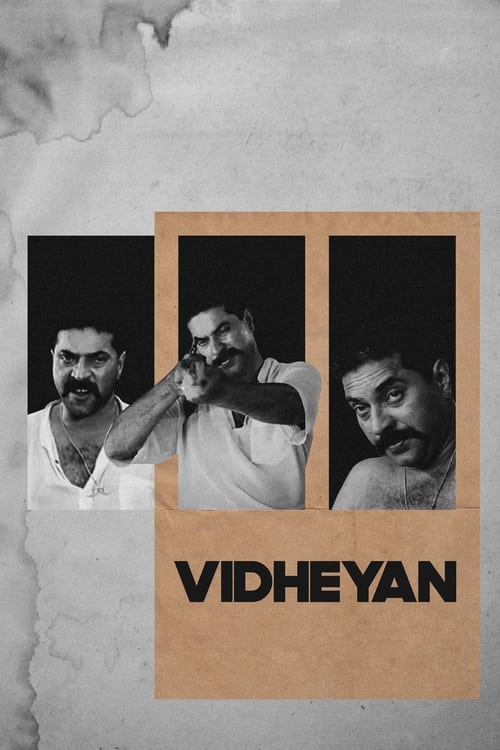
Vidheyan
7.6

Thommy is the loyal servant of Bhaskara Pattelar, a ruthless tyrant. He struggles between obedience and morality.

Vidheyan

1994
Celluloid Man
7.0

Indian documentary about Indian film history and P. K. Nair, the founder of the National Film Archive of India and guardian of Indian cinema. He built the archive can by can in a country where the archiving of cinema was considered unimportant.

Celluloid Man

2012
A Climate for Crime
N/A

The four chapters of the film tell stories, which are independent of each other. The only connection between them is the recurring theme of crime. With the flow of the movie, there is an increase in the complexity of the crimes.

A Climate for Crime

2008
Man of the Story
6.5

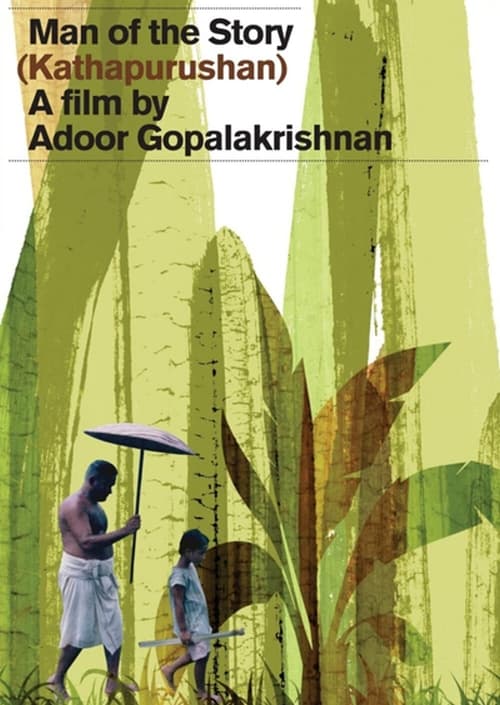
This intimately-constructed drama traces the consequences of the tumultuous political and social changes that swept through India in the years since pre-Independence 1937.

Man of the Story

1995
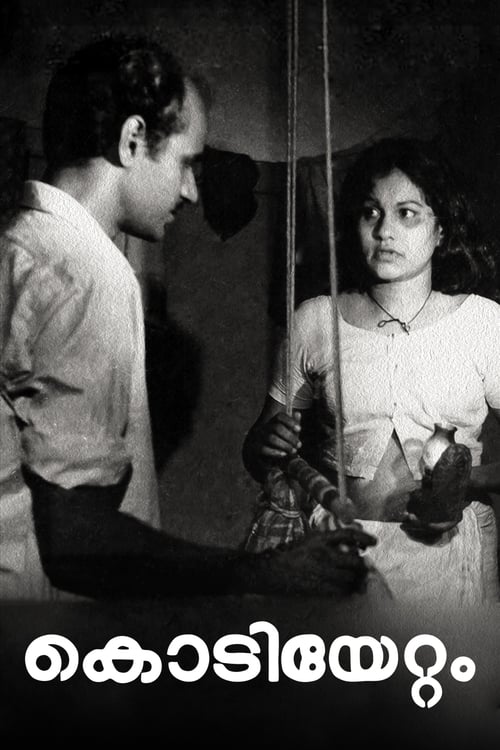
Kodiyettam
7.2

Sankarankutty, a village simpleton, lives a carefree life, indulges in childish pursuits, lives off the money given to him by his sister (working elsewhere as a servant), and eats quite voraciously. Then one day he gets married, but the wife is frustrated by his aimless lifestyle & irresponsible attitude (even after she gets pregnant). So she goes back to her parents. Meanwhile, his sister who is now living with her lover, can no longer provide for him, and a kind widow who used to care for him passes away. He has nowhere & nobody to fall back on, and from this point on, as he starts a job as assistant to a lorry driver, he starts looking at life in a whole new way and begins to mature as well.

Kodiyettam

1978
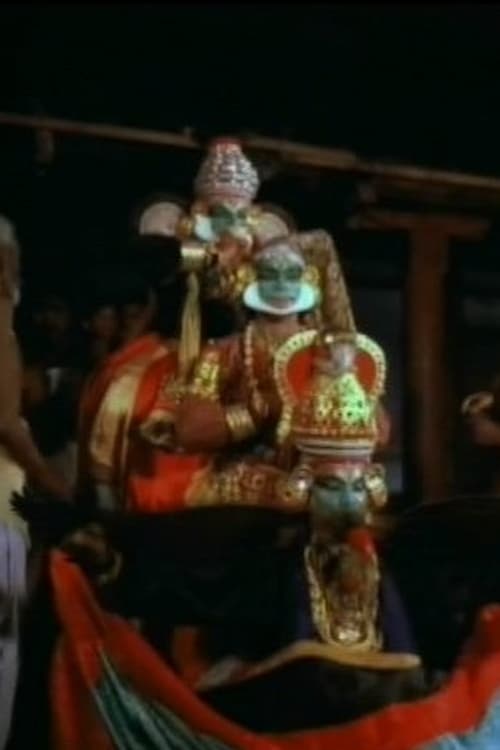
Krishnanattam
10.0

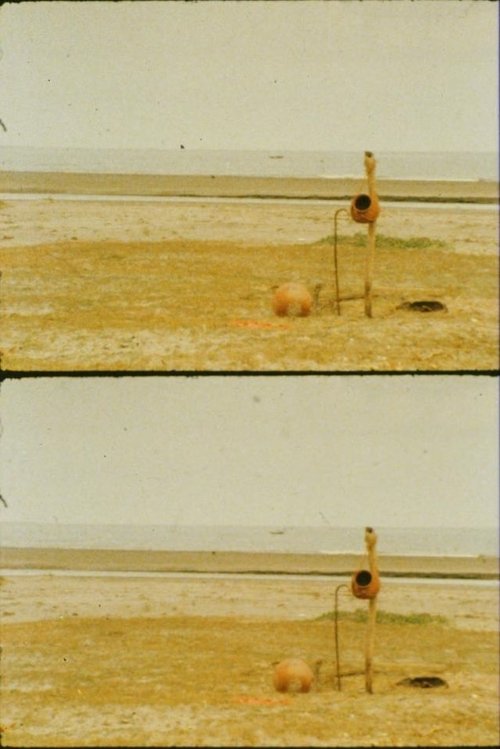
Krishnattam or Krishnanattam (Play of Krishna) is a temple ritualistic art performed at Guruvayur Temple (Guruvayur 680101, Trishshur District, Kerala) by a troupe owned by Guruvayur Devasvam. The performance of Krishnattam is based on Krishnagiti, a poetic text in Sanskrit containing verses and stanzas, written by the Zamorin King Manavedan in 1654. The story of Krishna, described in Bhagavata, Mahabharata and Harivamsha is presented in Krishnattam as songs, dance and acting in a sequence of eight plays (Avataram, Kaliyamardanam, Rasakrida, Kamsavadham, Svayamvaram, Banayuddham, Vividavadham and Svayamvaram) in eight days.

Krishnanattam

1982
Face to Face
7.0

The film starts in the early 1950s showing Sreedharan, the protagonist, as a very popular communist leader and trade union activist. He is forced to go underground after his name was associated with the murder of the owner of a tile factory. He is considered to be dead by his party and they even erect a memorial for him. But he makes an unexpected comeback almost 10 years later, after the first communist ministry gained and lost power in Kerala and after the Communist Party of India has split. On his return, he spends his time sleeping and drinking. His come back is first a puzzle and then an embarrassment to his comrades and family. As the disappointment on his new face grows, he is found murdered. The film ends when both the communist parties jointly celebrate his martyrdom.

Face to Face

1984
A Happy End
N/A

Sukhantyam reflects upon isolation and loneliness experienced by people of all groups, and the emotional fragility that prompts them to contemplate suicide.

A Happy End

2019
The Chola Heritage
8.0

The film highlighting the Dravidian temple architecture and bronze sculpture which attained the creative pinnacle during the rule of the Cholas in the 10th and the 11th centuries. Cholas were great temple builders. The temple of Vijayalaya Cholesvara is one of the finest examples of the early Chola style. The temple of Nagesvara at Kumbakonam is remarkable for the sculptures found in the niches of its outer walls. The Brihadesvara temple at Thanjavur is a landmark in the evolution of building art in India.Among several such unique temples, Tribhuvanam is the last important temple belonging to the Cholas. Besides temple architecture,the bronze sculpture of the Cholas holds a unique place in the field of art. One of the most important and famous of all Hindu icons,that of the cosmic dance of the Nataraja is intimately associated with the Chola bronzes.

The Chola Heritage

1980
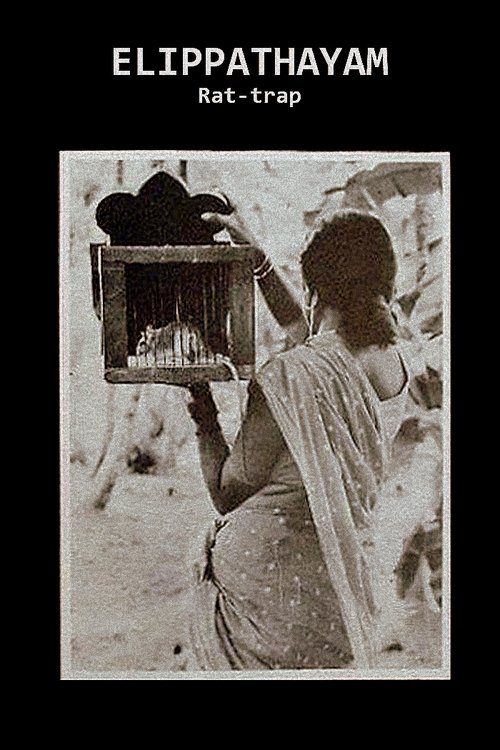
Elippathayam
7.3

Unni is the last male heir of a decaying feudal family in rural Kerala. His inability to accept the socio-economic changes of a new society causes him to gradually withdraw into isolation and paranoia.

Elippathayam

1982
Adoor: A Journey in Frames
N/A

Adoor Gopalakrishnan’s films map the history of the region from the inside. This Documentary looks at how the filmmaker dealt with human conditions at the most elemental level with a sensibility that makes his films universal in appeal.

Adoor: A Journey in Frames

2015
Swayamvaram
6.1

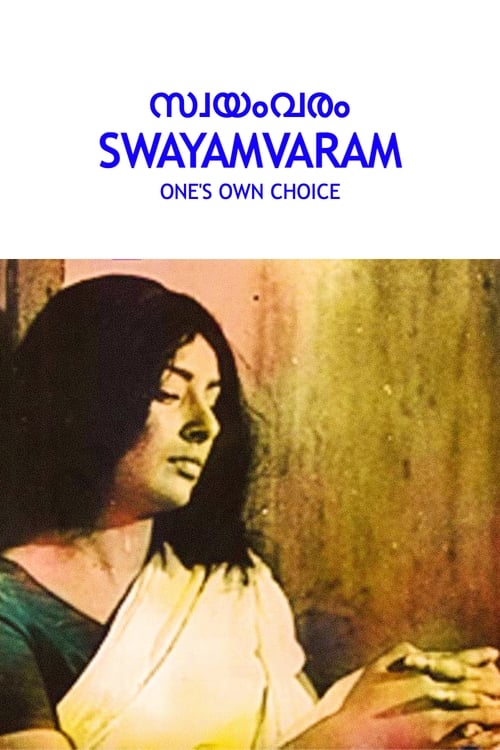
Vishwam and Sita, who resist the opposition from their families, elope and marry. The unemployed couple begin a happier married life, but soon land in a sea of perils without a source of income.

Swayamvaram

1972
Padayaatra
N/A

No description available.

Padayaatra