Margarida Gil
Directing
Biography
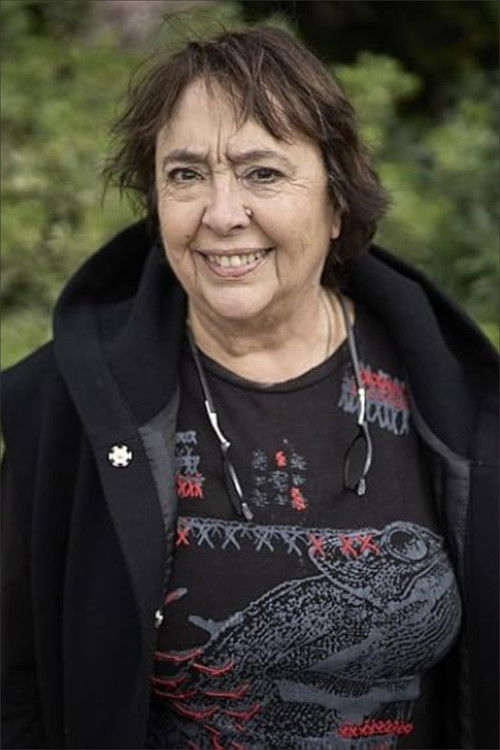
Born in Covilhã, Portugal in 1950, she studied German philology in Lisbon. As a filmmaker, she can look back on a career spanning over 30 years with films including Relação Fiel e Verdadeira, which screened at Venice, and Rosa Negra, which was presented at Locarno. She was married to the director João César Monteiro and worked closely with him as an actor, screenwriter and assistant director. In 2005, she won the Lifetime Achievement Award at the Rome International Film Festival.
Known For

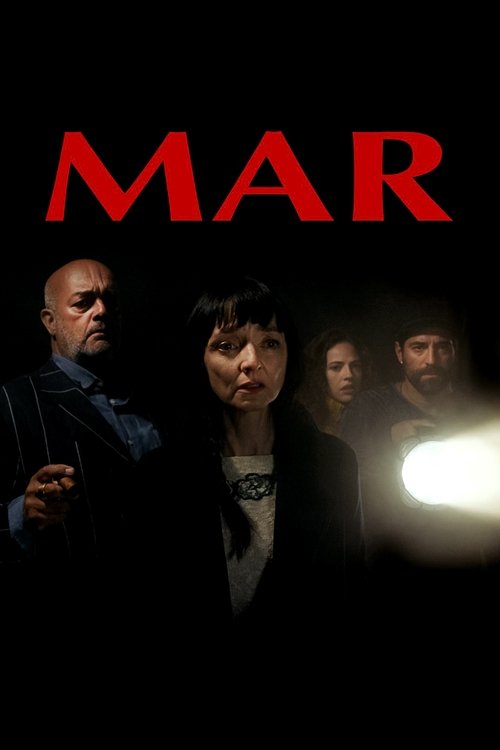
Francisca, a beautiful 50-year-old widow, prepared a peaceful future for herself. In an unexpected outburst, she grabs an opportunity for change and embarks on a sailboat called ‘Hovering Over the Water’.
Sea

Parallel tales of young couples desperately escaping cruel false fathers, each couple on the run across different regions of the country and during increasingly contemporary time periods.
Paths

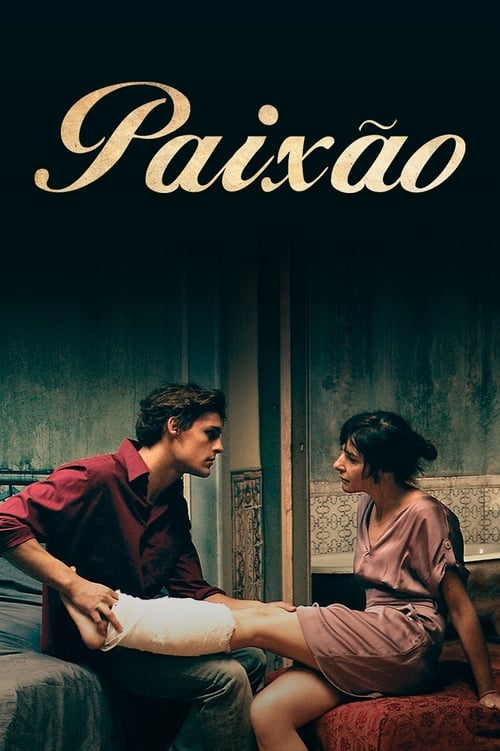
A woman recovering from a personal tragedy imprisons a man she met at a party, shutting him in a room of a building demolition.
Passion

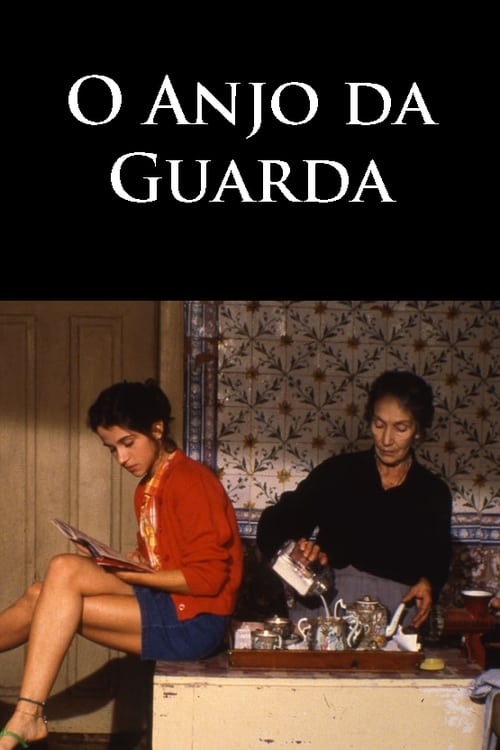
Lúcia is an independent woman who lives alone in Lisbon. Her father commits suicide leaving her a message on phone recorder, revealing a letter he wrote. However Lúcia can't find it in her father's house. On that visit she ends up meeting with her mother, a known political activist with whom she has a distant and tense relationship. In hope of finding the letter, Lúcia leaves to the farm where she grew up, on an isolated location. There she reencounters Álvaro, an old childhood companion, who shares a little life time he has left between roses and the piano, and the guardian angel that follows and protects her through nocturnal wanderings.
Guardian Angel

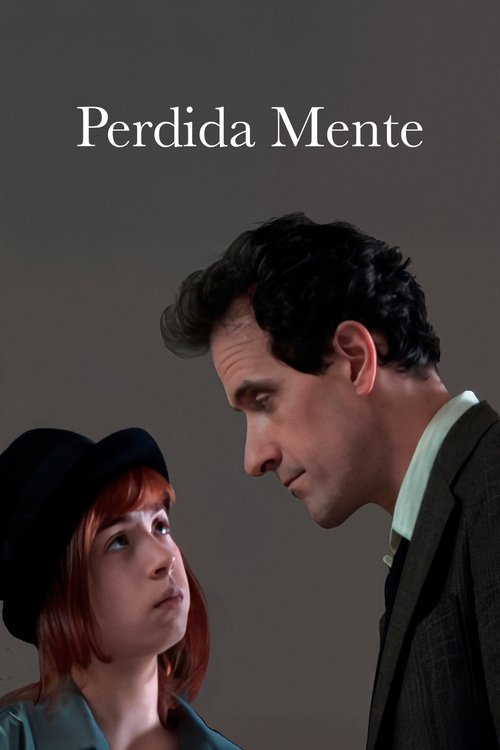
The story of a man who sees his life change radically upon confronting his progressive loss of memory. As his neurological condition advances, it affects not only his own life but the lives of all those who surround him.
Perdida Mente

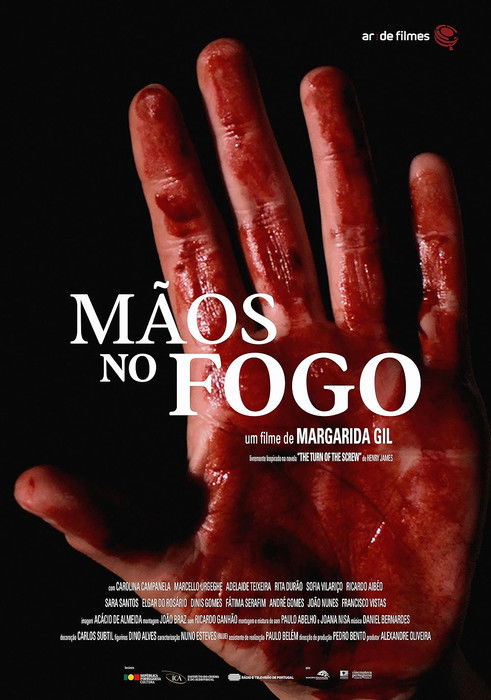
The young film student Maria do Mar is working on a documentary about the old manor houses along the Douro River. It is the final project in her thesis on “Reality in Cinema”. Maria has an unlimited confidence in what is visible. Her candour and her naivety allow her to see the bright side of life – such as the beauty of the landscape and the authenticity of the place, or what’s left of it. But when Maria enters the final manor house on her list, she soon realises that something is going on in this house that is not as innocent as it first seemed. The manor is truly a house of horrors.
Hands in the Fire

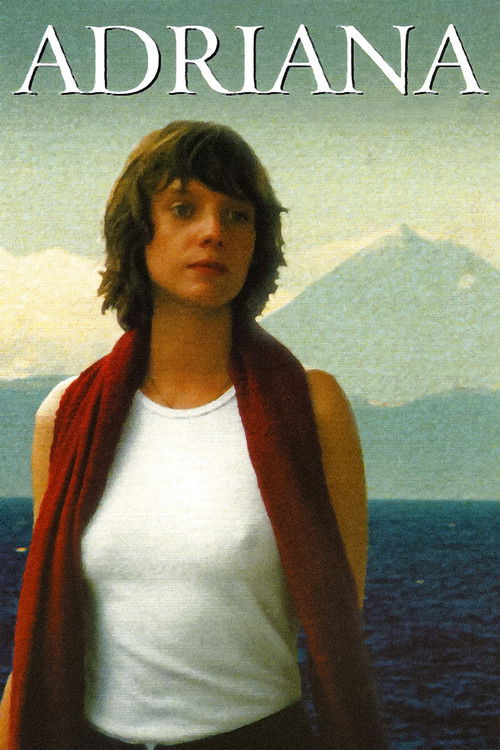
In a remote island where mourning was settled, a man decreed that there will never be sex or children anymore... The island gets desolate and he decided to send his daughter, Adriana, to the mainland to form a family by natural methods.
Adriana

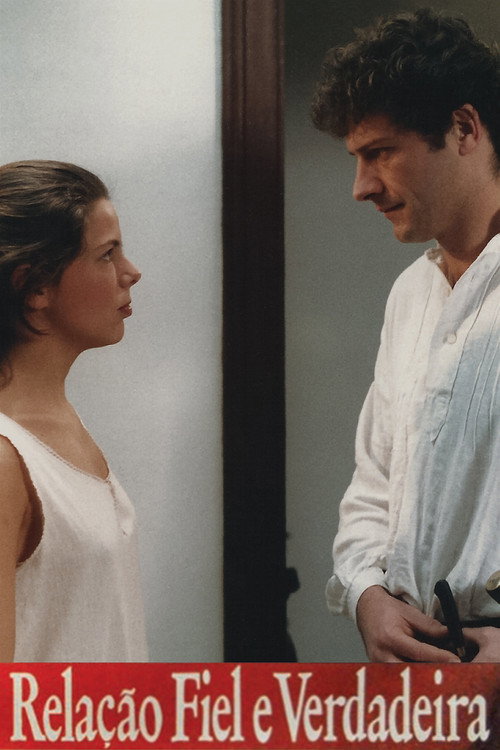
The young girl, Antónia Margarida Castelo Branco, is handed over by her mother to Brás Telles de Meneses because of the obscure interests between rural aristocratic families in the North. Brás is a ruined man, a bohemian with a reputation for violence and erratic behaviour. Antonia’s fortune is the first sacrifice made by the young wife. Fascinated by the man who humiliates and ill-treats her, she follows him in a pilgrimage to increasingly barren lands, to increasingly less hospitable houses.
A True and Faithful Account

No description available.
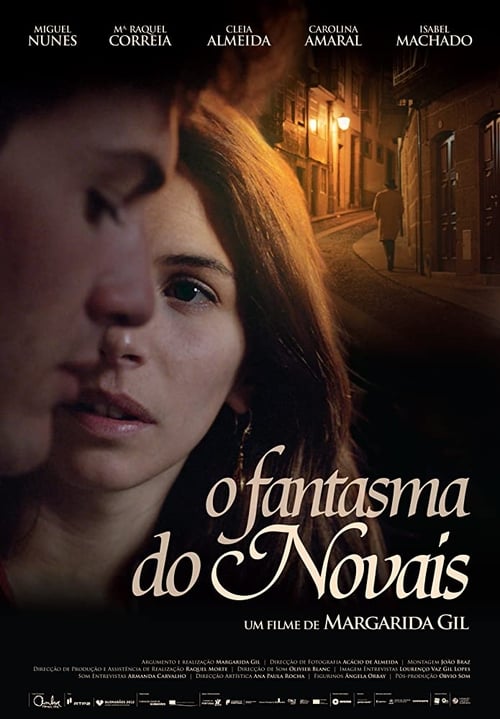
O Fantasma do Novais

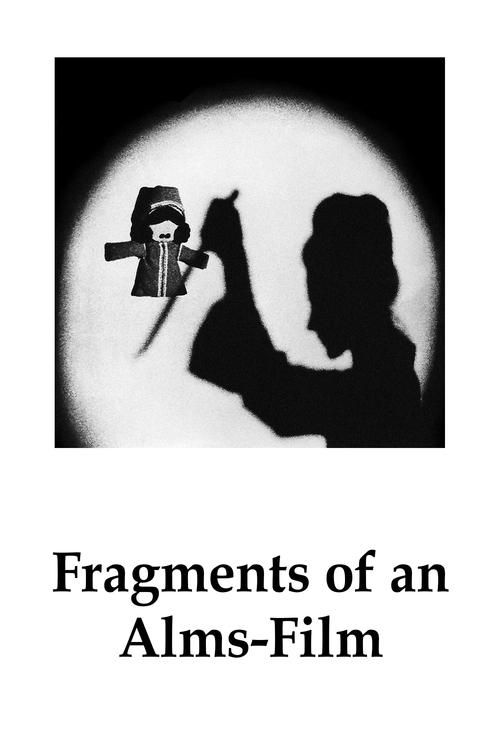
Maria works in a German umbrella factory as the foreman of the production sector. João Lucas has given up on living a normal life and practically lives in bed, in the midst of green plants. His father expressly desired that his son film this eccentric daily life in 8 mm format. Maria’s wages are dilapidated to the last penny by this amateur, monstrous, family movie production.
Fragments of an Alms-Film

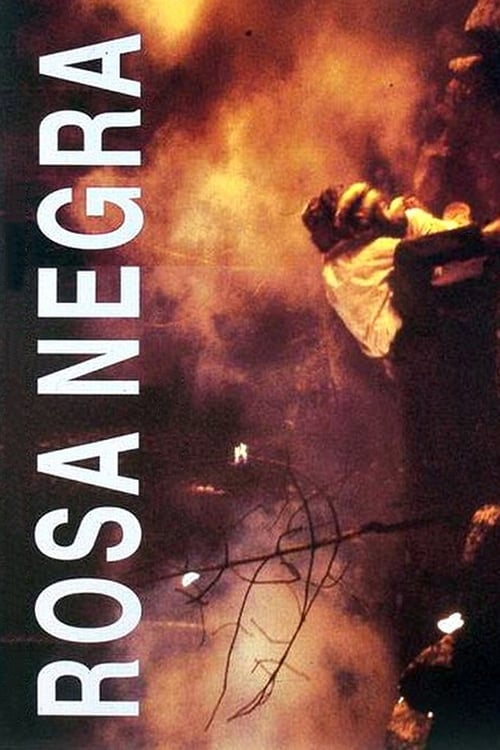
Fernanda, António and Quim are travelling by train to a provincial Portuguese industrial city. Fernanda, a teacher, agrees to replace a pregnant colleague. António is returning to the home he was forced to flee long ago, accused of setting fire to the Duarte’s factory. At the station he bumps into Mariana who is in love of him. António is not welcome and is violently attacked by a group connected to Duarte ...
Rosa Negra

By cross-editing footage of Portuguese workers protesting against NATO forces and various movies, Monteiro shows how one 'sword' can confront the army.
What Shall I Do With This Sword?

No description available.
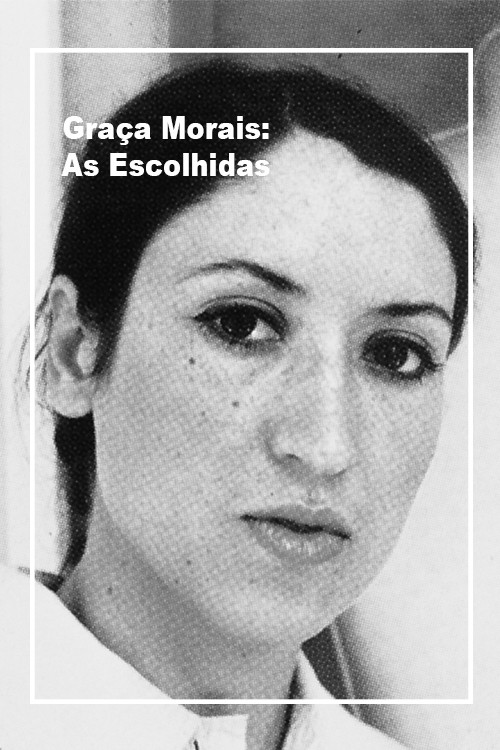
Graça Morais – As Escolhidas
A series that brings together ten television films that sketch out as many portraits of our daily lives, fictional stories that touch on various aspects of Portuguese life, experiences marked by destiny.
Fados
Carlos Oliveira's literary universe is re-enacted in a studio using the writer’s personal objects and manuscripts, and with the help of Luis Miguel Cintra and Fernando Lopes. Shot with the purpose to document his work in the same way Carlos de Oliveira documented his hometown in Gândara, the film uses all the creative liberty that new digital technology allows in order to recreate the visual and sound records that were also present in the writer and poet’s own work.
Carlos de Oliveira: Upon the Left Side

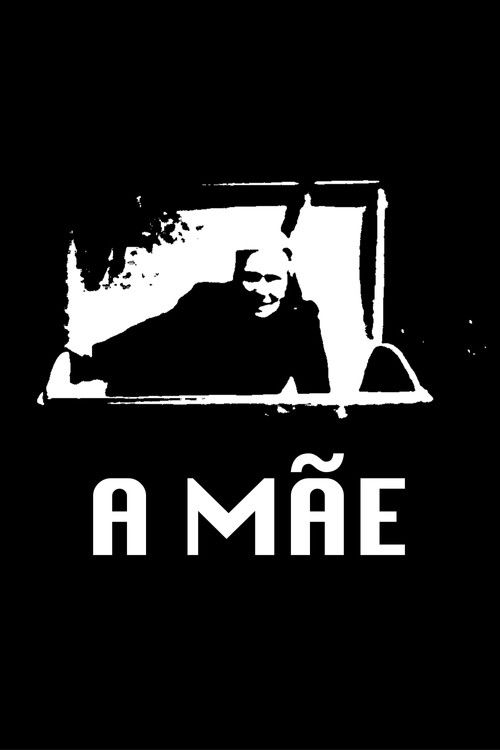
The Mother is one of Monteiro’s first essays on the universe of Portuguese oral culture, folktales and obscure colloquialisms. The plot revolves around a traditional tale about theft, greed, an ubiquitous mother, and the links between the worlds of the living and the dead.
The Mother

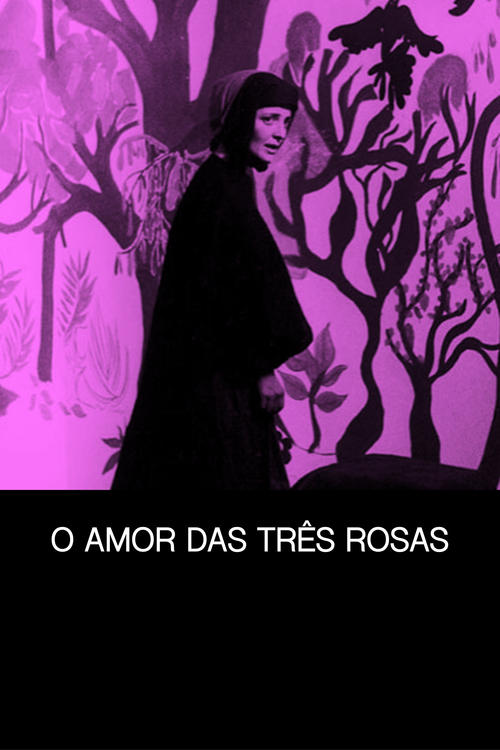
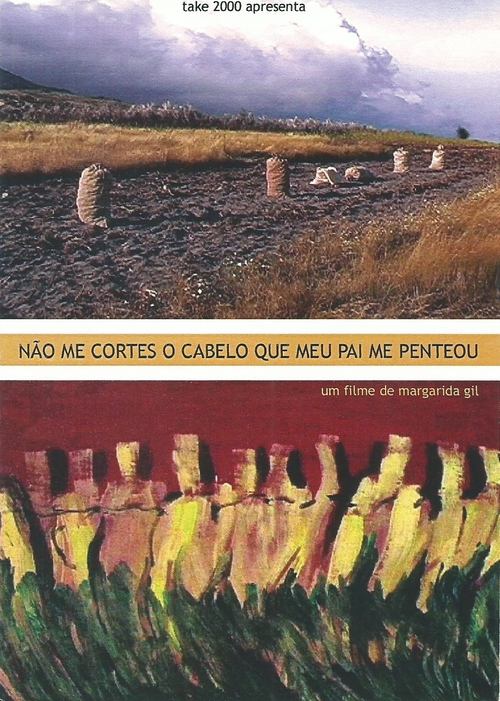
Não Me Cortes O Cabelo Que Meu Pai Me Penteou is a collage of two traditional tales present in the anthology of Traditional Portuguese Tales organized by Carlos de Oliveira and José Gomes Ferreira; The first with the same name and the second called "A Dona Maria". The starting situation is one of extreme cruelty, typical of traditional tales. A mother kills her own daughter, who is then reborn as a ghost to (not) marry the prince.
Não Me Cortes O Cabelo Que Meu Pai Me Penteou

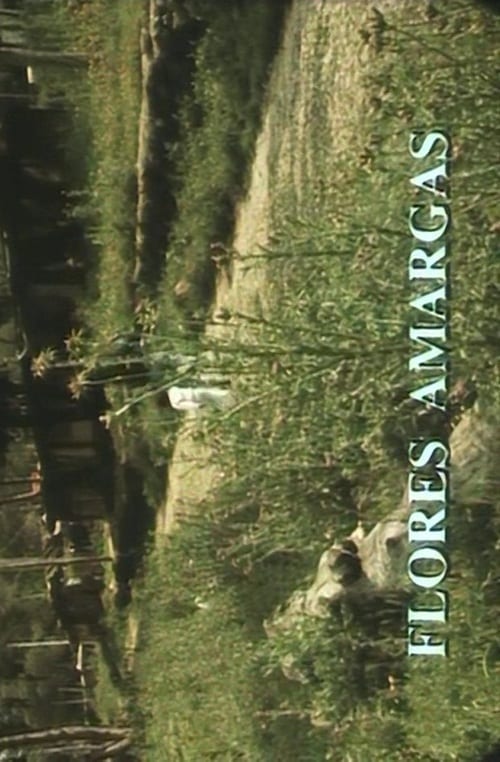
A festive day in the Timorense community stranded in the Jamor Valley. A partisan who came from Timor and his story. A look at an abandoned people.
Flores Amargas
The plan of issues, since 1962, an alive and continuous legacy of Calouste Gulbenkian Foundation
A Que Chamas Pensar?

Based on a work by Fernando Pessoa.