Directing
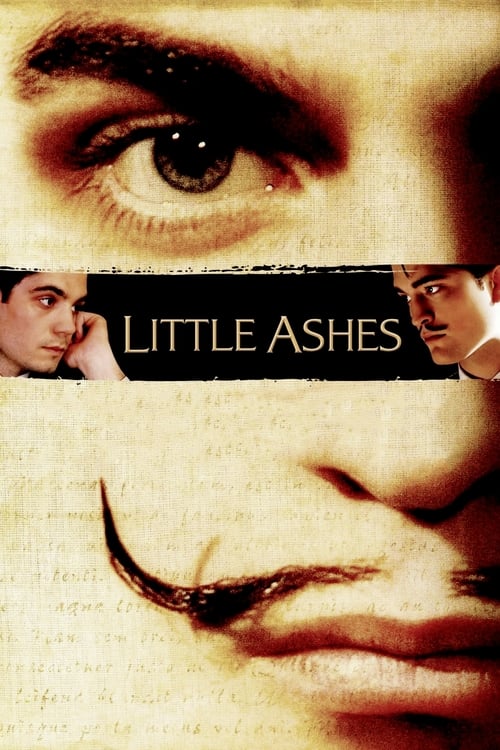
About the young life and loves of artist Salvador Dalí, filmmaker Luis Buñuel and writer Federico García Lorca.
A gentle, sweet, funny, romantic story of love in later life. Following a couple in their sixties, Dave and Fern who get to know one another over the course of 23 dog walks. Set against the dramatic background of the changing seasons of one year.
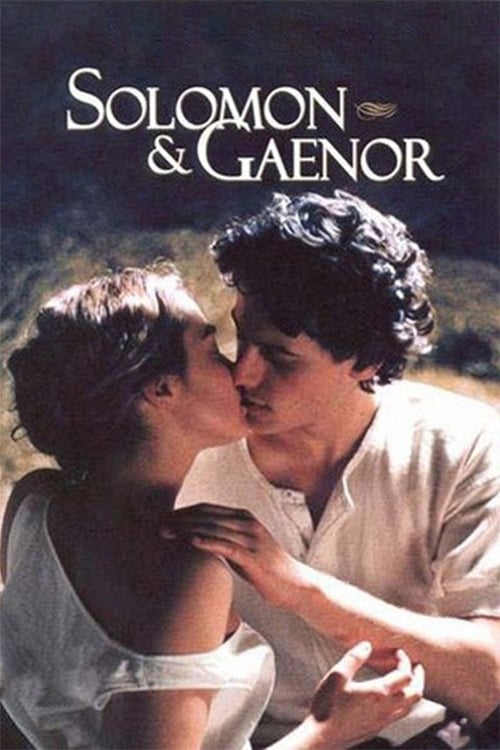
A young Jew in 1911 Wales tries to make his living by selling fabrics door to door, but to do so he must hide his nationality. On one of his sales he meets and falls in love with a demure young woman with a strong-willed father and a Jew-hating brother. The two fall in love and she becomes pregnant, but only then does she learn of his ethnic background. When anti-Jewish riots break out, the two are forced to flee and become separated.
David Wiseman is eleven years old and mad about cricket. He has all the kit but none of the skill. When a Jamaican family moves in next door the father starts giving cricket lessons to David, and becomes close to David's mother. But this is 1960's London, and when the locals start making life difficult for the new arrivals, David has to choose between fitting in and standing up for his new friends.
Examines contradictory male attitudes towards women in 1980's Britain
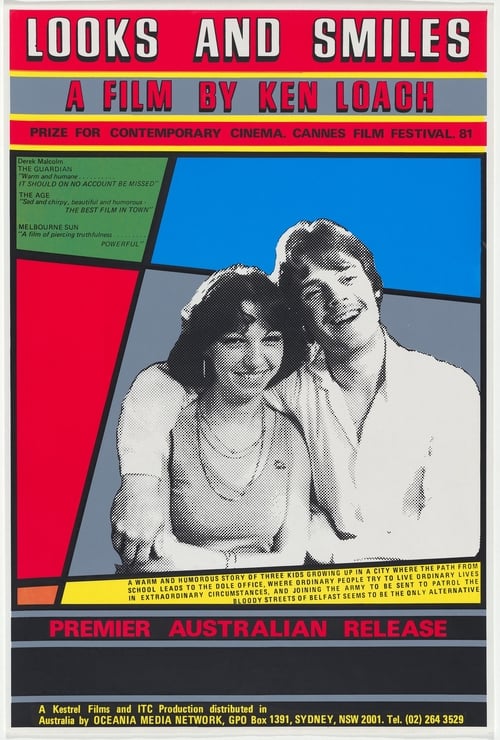
Thatcherism and the Irish troubles provide the backdrop for this study of Mick, a well-meaning youth in Sheffield, who has, unlike Dickens' Pip, no expectations. Mick lives with his parents, works on his motorbike, looks for work, and every two weeks gets his check from the dole. There are no jobs. His best mate Alan joins the army to fix tanks and is sent to Belfast to quell Catholics. At a disco, Mick meets Karen, who works at a shoe shop and lives with her recently-separated mum. She offers emotional stability and a route to adulthood while Alan pitches the army. What will become of Mick?
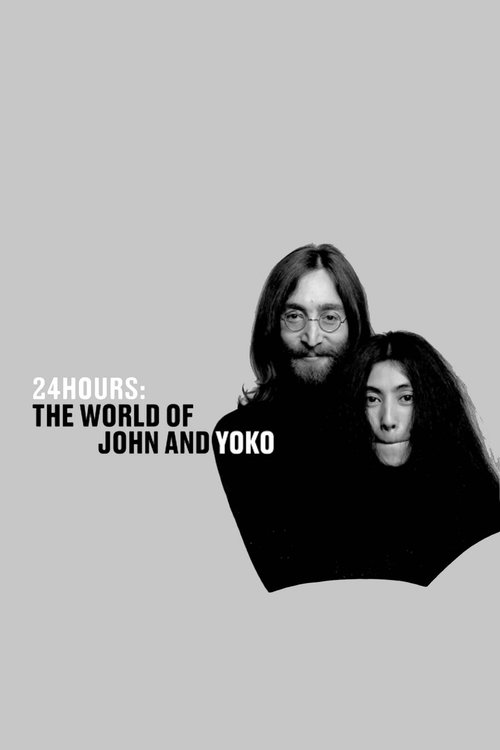
Initially Broadcast in 1969 on the BBC, this documentary short spotlights the creativity and activism of John Lennon and Yoko Ono
A forgotten gem made for the British arts anthology series Without Walls, this half-hour drama imagines the two 19th century impressionist painters on a modern-day talk show–-exploring their friendship and historic conflict over the Dreyfus Affair. Resembling Patrick Watson’s Witness to History in its dramatization of the past, filmmaker Paul Morrison goes one step further by creating a behind-the-scenes world around the show; and in doing so, he offers up a clever satire, as timely as ever, on the medium’s exploitation of two men who are united through art, but divided over politics. For this short piece, Morrison assembled a wonderful cast, featuring Henry Goodman (this year’s Love Gets a Room), Michael Pennington, Louise Jameson (Doctor Who) and Alison Steadman (Life is Sweet).
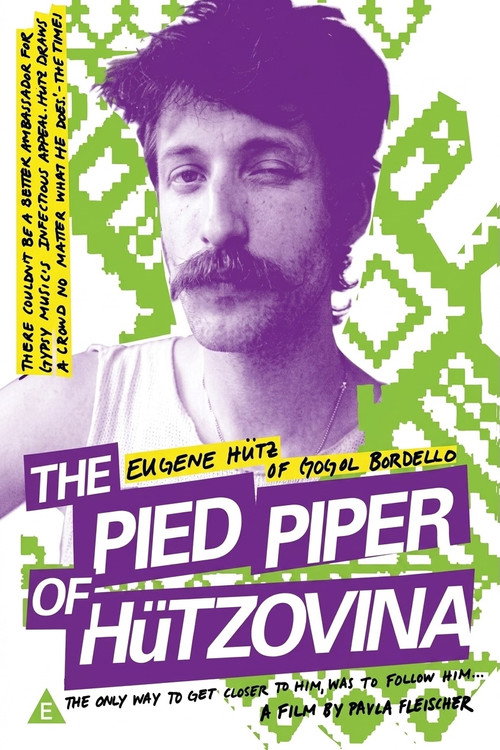
In the summer of 2004, on a car journey in Eastern Europe, Pavla Fleischer met and fell in love with Eugene Hutz, lead singer of New York's Gypsy Punk band Gogol Bordello. Captivated by his energy and his musical verve, and desperate to get to know him better, she decided to make a film about him. The Pied Piper of Hutzovina follows Eugene and Pavla on their subsequent road trip through Eugene's home country, Ukraine. It is the story of two people traveling together on two very different courses. Her aim is to rediscover a forgotten romance; his is to rediscover his roots. She hopes to find love on the road; he hopes to find musical inspiration from the gypsy culture he is determined to preserve. This is an intimate portrait of a filmmaker with a passion for her subject, and a punk musician with a longing to revisit his past. Theirs is a journey which tests their relationship and challenges their perceptions of the music they both love
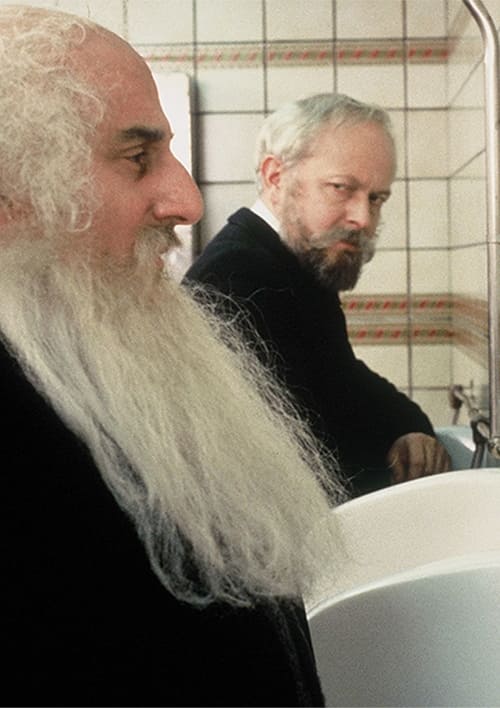
Made in 1991, A Sense of Belonging is Morrison’s four-part documentary series, the first of its kind, on the history of Jewish life in Britain. TJFF is thrilled to present three of the four episodes, which have been out of circulation for decades. “A Sense of Belonging was my attempt to put Jews on TV. Ordinary Jews, the ones I knew, were invisible on British television; apart from the Holocaust and Israel, Jews didn't exist.” recalls director Paul Morrison, “We went for a structure for the series that followed the arc of the pilgrim festivals. The premise of the series that Jews in Britain have been allowed in on sufferance, led restricted Jewish lives as a consequence, and are—or were—challenging that straight jacket.“
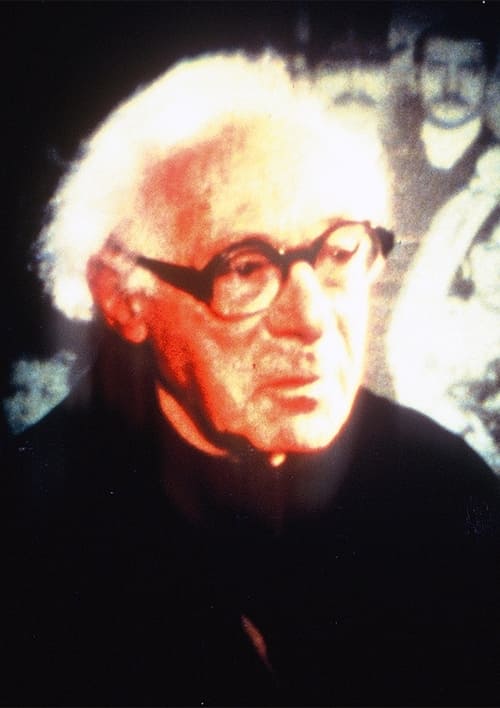
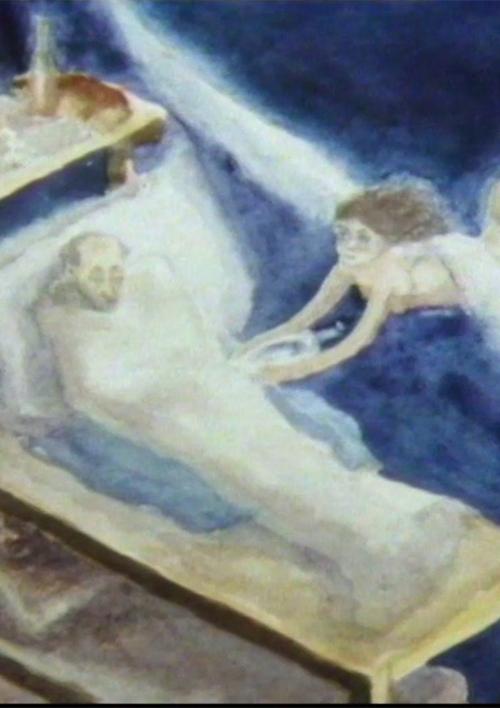
From Bitter Earth powerfully examines the drawings and paintings that survived the concentration camps, ghettos and hiding places of the Second World War. While most of the artists who created them perished, Morrison interviews painters like Yehuda Bacon, Dinah Gottliebova and Walter Spitzer who talk about the extraordinary perseverance and ingenuity that such artists demonstrated in attempting to capture the world around them, which was often punishable by death. Upon its initial airing on the BBC in 1988, The Independent referred to Paul Morrison’s documentary as “a worthy footnote to Shoah.”