Sarah Maldoror
Directing
Biographie
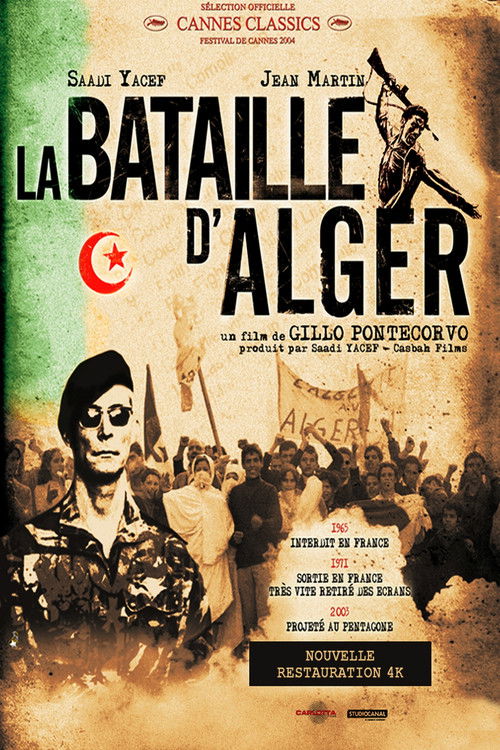
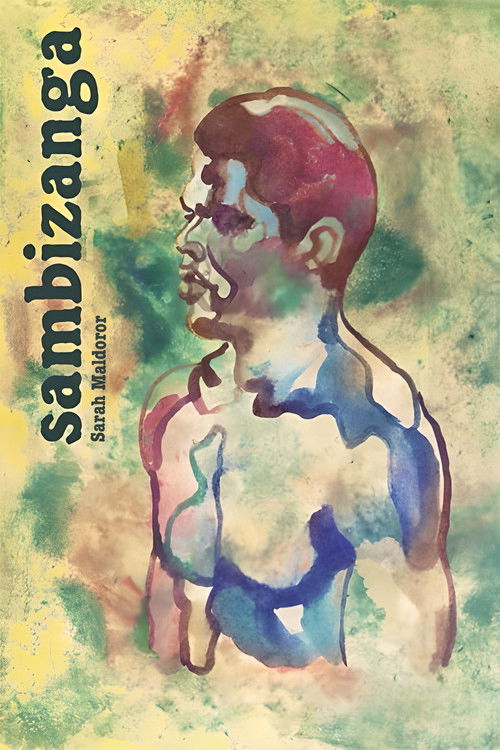
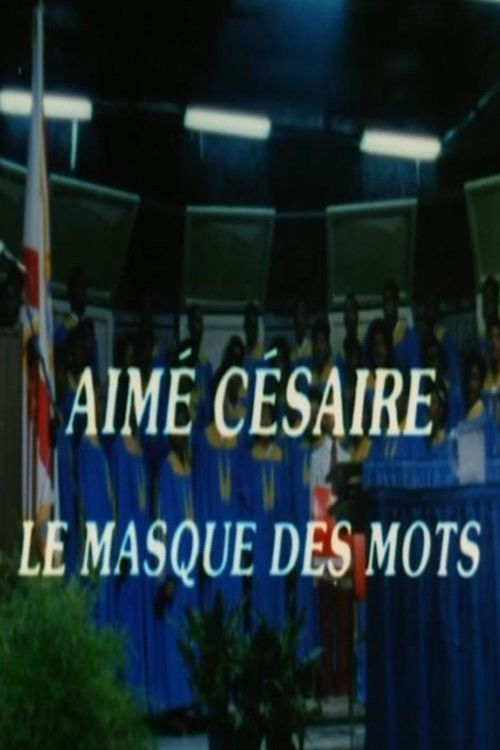
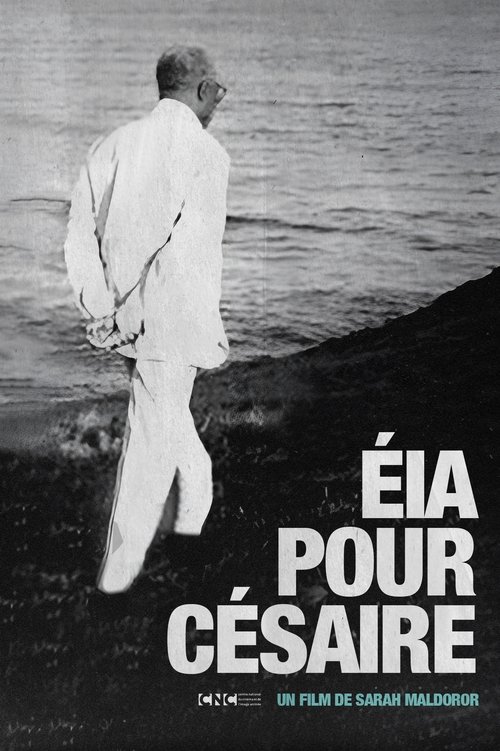
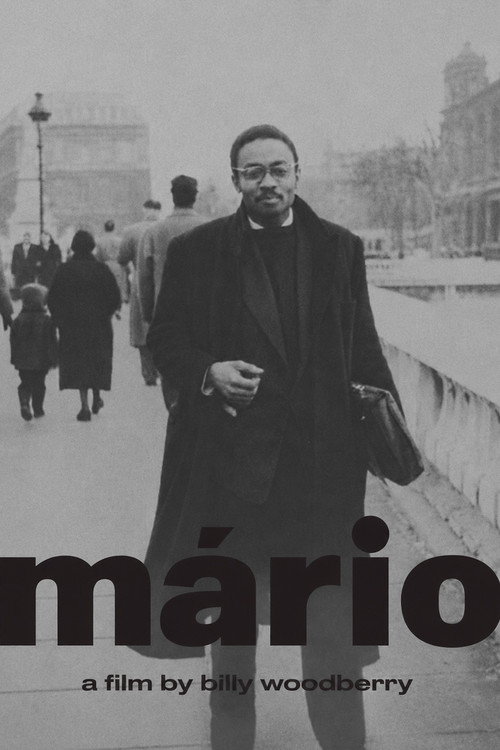
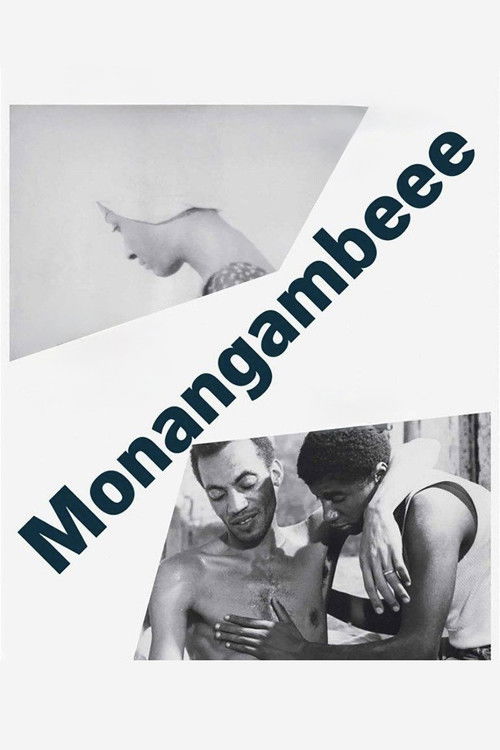
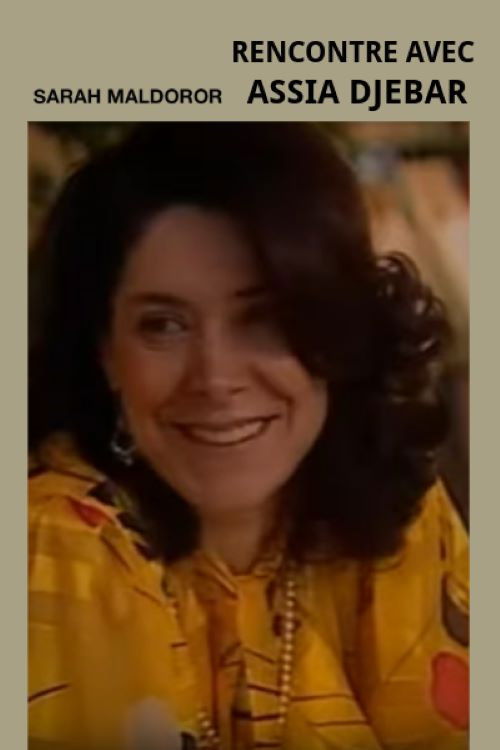
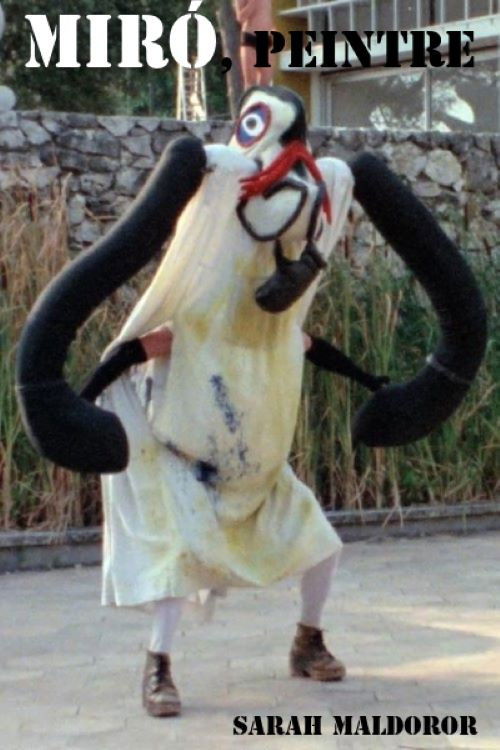
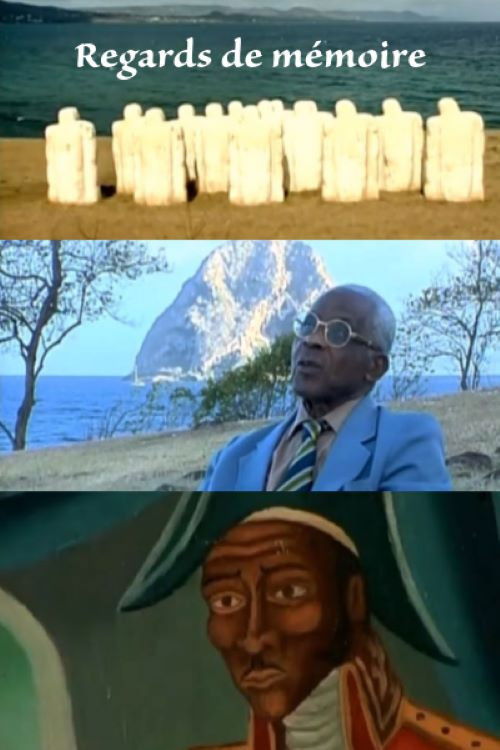
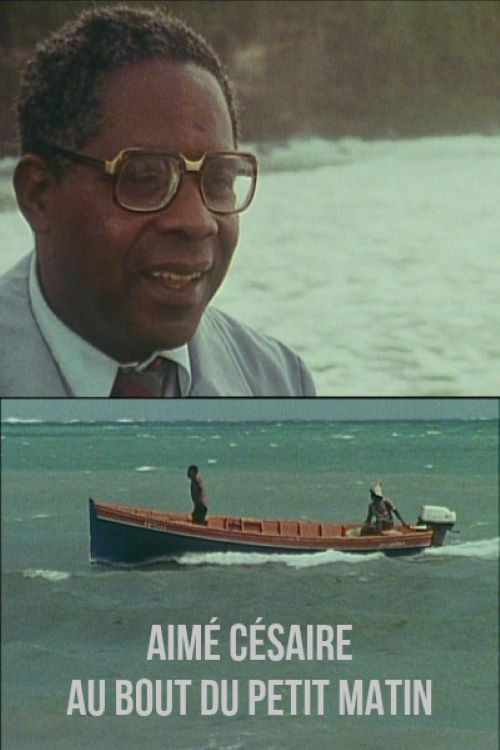
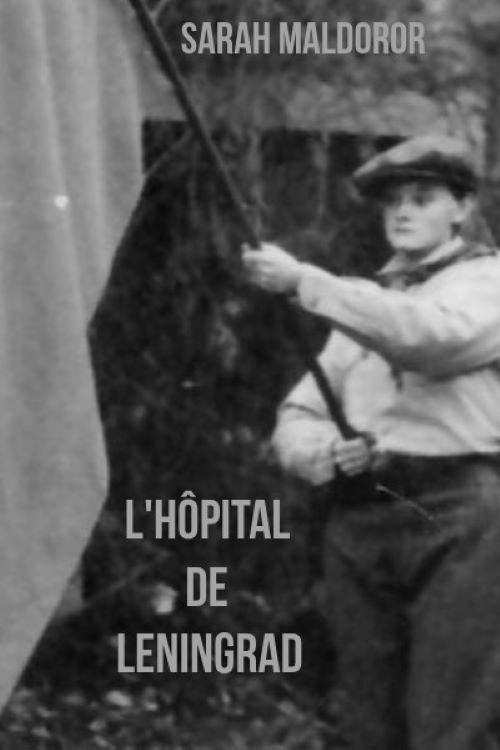
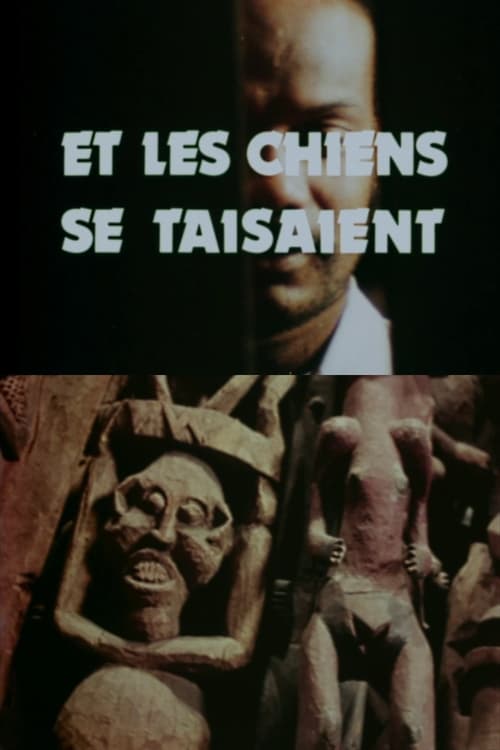
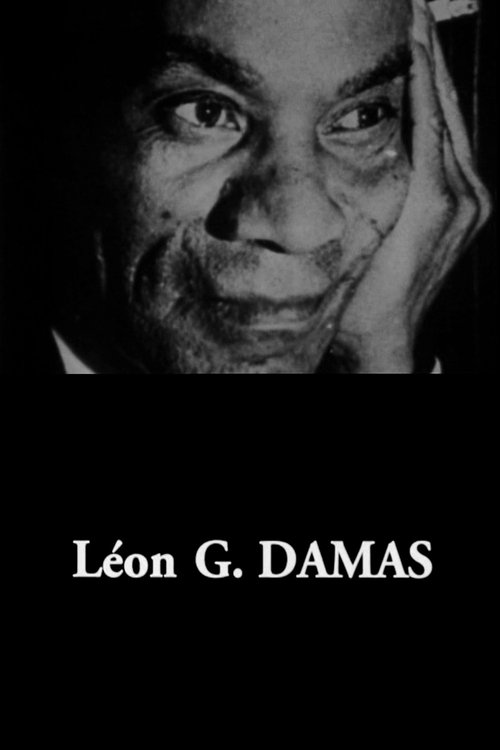
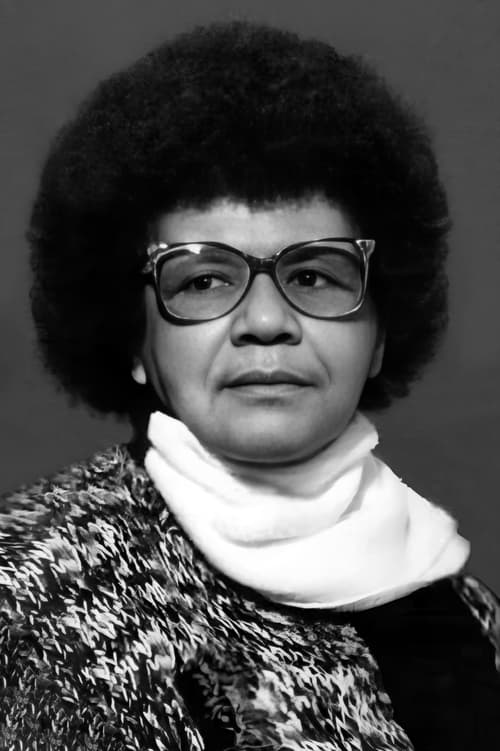
Sarah Maldoror (en arabe : سارة مالدورور), de son vrai vom Marguerite Sarah Ducados, est une cinéaste et réalisatrice française, née le 19 juillet 1929 à Condom (Gers) et morte le 13 avril 2020 à Fontenay-lès-Briis (Essonne). Son cinéma est poétique mais aussi politique et engagé. Elle est considérée comme une figure de proue du cinéma africain et la première réalisatrice du continent. Née d'un père guadeloupéen de Marie-Galante et d'une mère gersoise, elle choisit le nom d’artiste « Maldoror » en hommage au poète Lautréamont. Elle crée en 1958 la première troupe noire à Paris, « Les Griots », aux côtés de Toto Bissainthe, Timoti Bassori et Samb Abambacar. L'un de leur objectif est de partager et faire connaître les textes des auteurs noirs, et d'offrir de grands rôles aux comédiens d'origine africaine. Sarah Maldoror part deux ans à Moscou pour étudier le cinéma au VGIK sous la houlette de Mark Donskoï. Elle y rencontre le cinéaste sénégalais Ousmane Sembène. Compagne de Mário Pinto de Andrade, poète et homme politique angolais, elle participe avec lui aux luttes de libération africaine. Ils donnent naissance à deux filles, Annouchka de Andrade et Henda Ducados. Elle revient en France à Saint-Denis. Mario de Andrade est le fondateur et premier président du MPLA (Mouvement pour la libération de l'Angola). Alors qu'il est secrétaire d'Alioune Diop, fondateur de Présence africaine, il organise le premier congrès des écrivains et artistes noirs à Paris (Sorbonne, 1958) et devient un ami proche des poètes Aimé Césaire, Léopold Sédar Senghor, Frantz Fanon ou Richard Wright. C'est à Alger, où elle emménage en 1966, qu'elle fait ses premières armes sur le front cinématographique des luttes anticoloniales : assistante sur la Bataille d'Alger de Gillo Pontecorvo (1966) et Festival panafricain d'Alger 1969, documentaire de William Klein, elle réalise bientôt son premier film, suivi d'un film perdu tourné en Guinée-Bissau et d'un premier long-métrage «de fiction», Sambizanga (1972). Tourné en République du Congo, d'après un roman angolais de José Luandino Vieira, adapté par son compagnon Pinto de Andrade avec l'écrivain français Maurice Pons, Sambizanga se passe en 1961 et décrit la répression du Mouvement de libération de l'Angola du point de vue de Maria, femme d'un militant révolutionnaire emprisonné et torturé par l'armée portugaise, qui part à sa recherche à travers le pays. Sarah Maldoror réalisera plus de quarante films courts ou longs-métrages, films de fiction ou documentaires. Son regard s'est notamment porté sur les poètes Aimé Césaire (cinq films), René Depestre ou Louis Aragon, ainsi que les artistes peintres Ana Mercedes Hoyos, Joan Miró ou Vlady. Elle meurt en avril 2020 des suites de la Covid-19. En novembre 2021, "Sarah Maldoror, Cinéma Tricontinental" proposée par le Palais de Tokyo à paris, est une rétrospective de son œuvre, de son parcours de vie et de son engagement politique. L’exposition se prolonge au Musée de l’Homme, au Musée de l’Histoire de l’immigration ainsi qu’au Musée d'Art et d'Histoire Paul Éluard de Saint-Denis.