Louis Applebaum
Sound
Known For
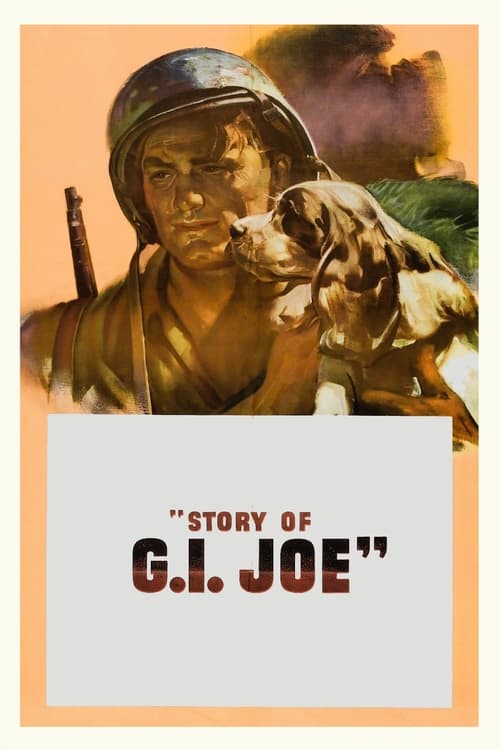
War correspondent Ernie Pyle joins Company C, 18th Infantry as this American army unit fights its way across North Africa in World War II. He comes to know the soldiers and finds much human interest material for his readers back in the States. Preserved by the Academy Film Archive in partnership with The Film Foundation in 2000.
Story of G.I. Joe
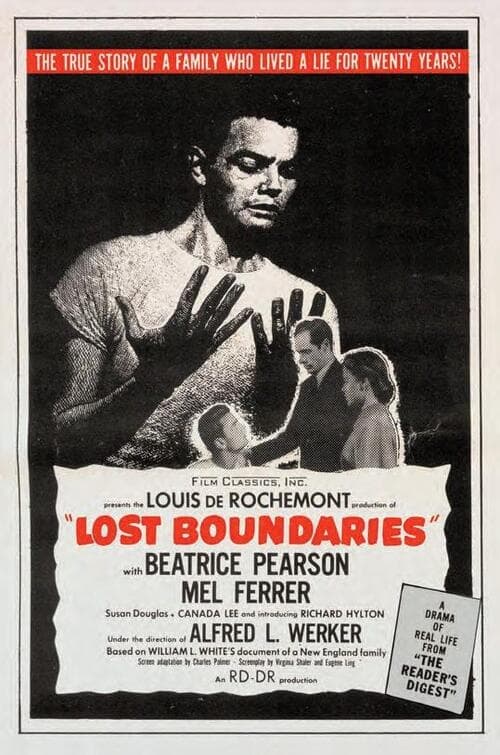
A light-skinned African-American family are "passing" in an all-white New England town. When the truth comes out, the more prejudiced neighbors demand their expulsion from the community.
Lost Boundaries
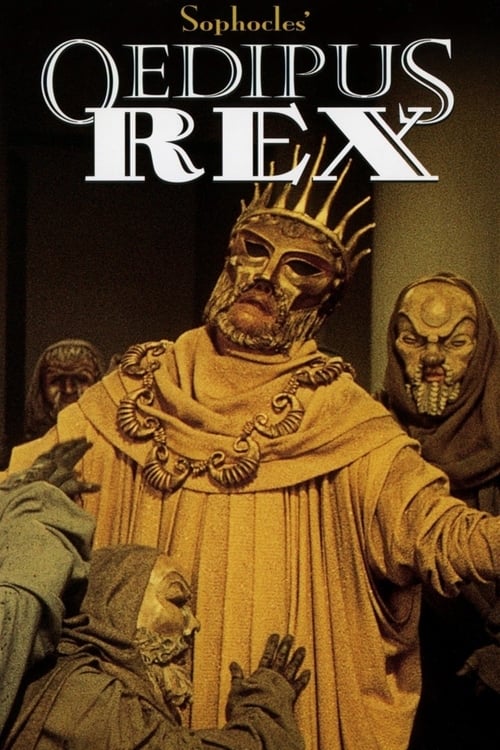
The story of Oedipus' gradual discovery of his primal crime, killing his father and marrying his mother, filmed by the famed British theatrical director Sir Tyrone Guthrie. This elegant version of Sophocles' play adds a brilliant stroke: the actors wear masks just as the Greeks did in the playwright's day.
Oedipus Rex
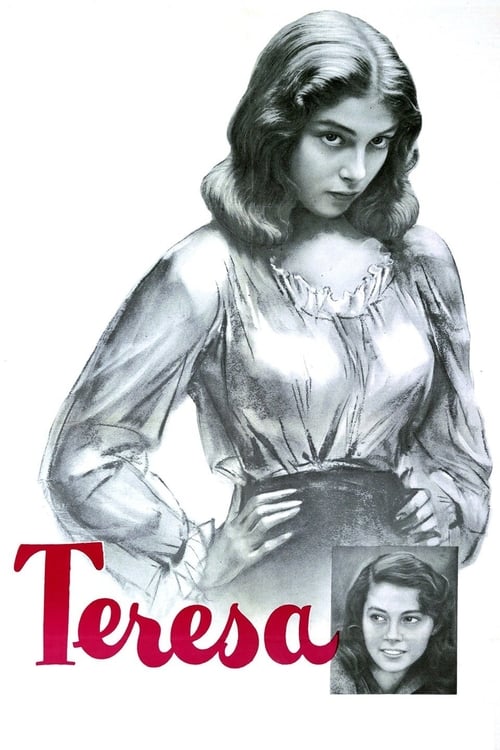
An Italian war bride has problems dealing with her husband's possessive mother.
Teresa
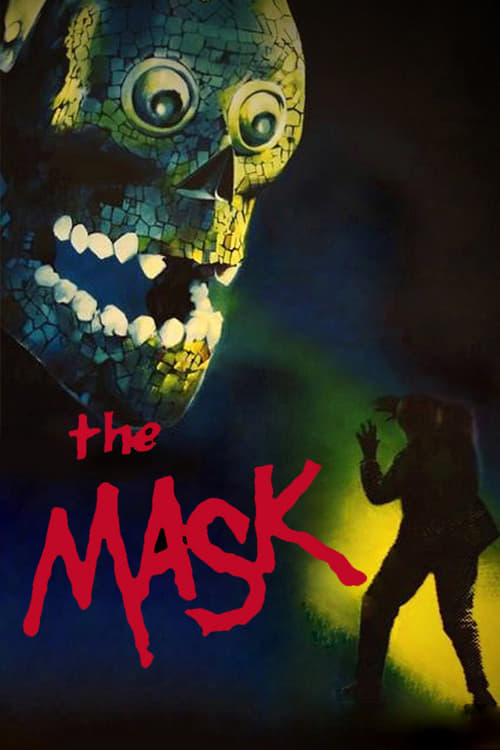
A young archaeologist believes he is cursed by a mask that causes him to have weird nightmares and possibly to murder. Before committing suicide, he mails the mask to his psychiatrist, Dr. Barnes, who is soon plunged into the nightmare world of the mask.
The Mask
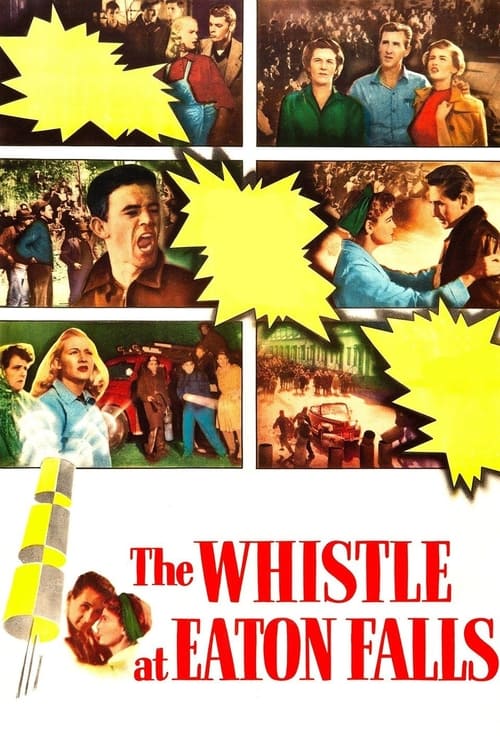
A newly promoted plant supervisor finds himself in the position of having to announce a layoff of his fellow workers.
The Whistle at Eaton Falls
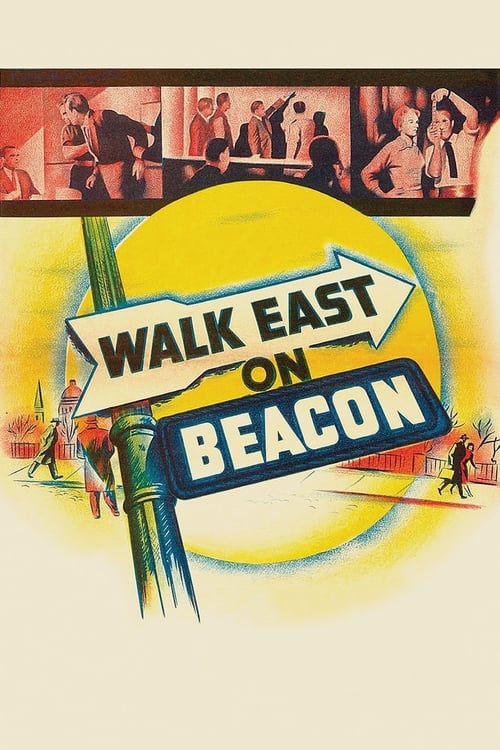
An FBI agent works with a refugee scientist and the Coast Guard to crack a Soviet spy ring in Boston.
Walk East on Beacon

A boy's carved boat travels through the Canadian wilderness until it reaches the ocean.
Paddle to the Sea
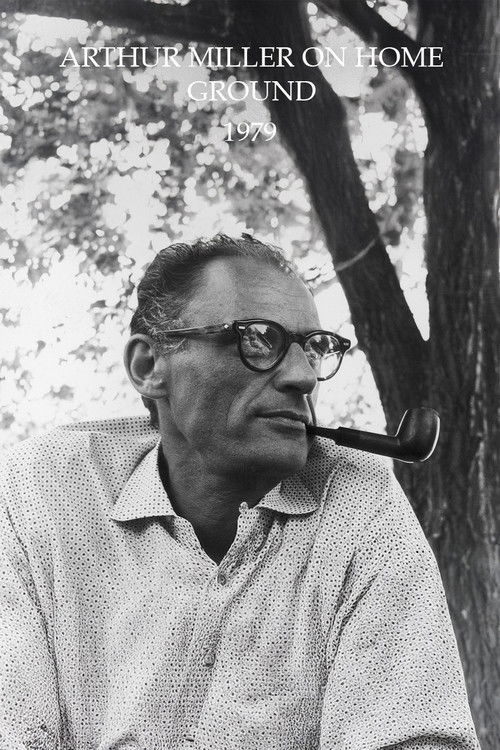
Filmmaker Harry Rasky presents an intimate portrait of Arthur Miller, exploring the playwright’s life, influences, and literary achievements. Through extended interviews, archival materials, and clips from productions of his plays and screenplays, Miller reflects on the themes behind works such as The Crucible and The Misfits, his resistance to McCarthy-era political pressure, and the personal experiences—including his marriage to Marilyn Monroe—that shaped one of the most influential voices in modern American drama.
Arthur Miller on Home Ground
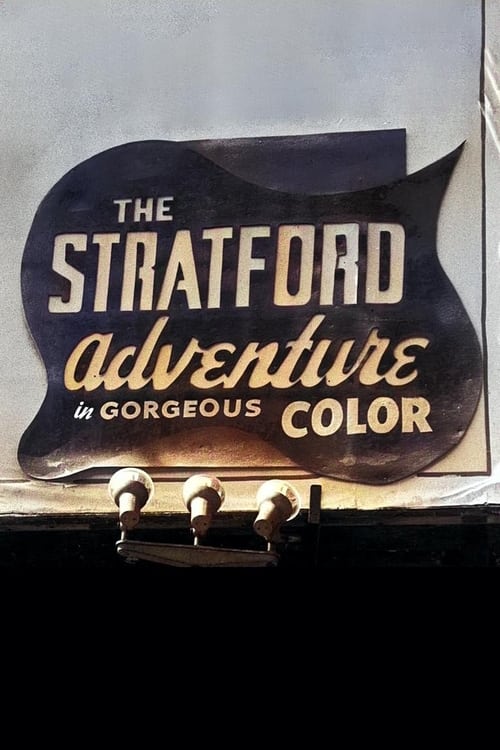
This short film depicts how a small Canadian city, bearing the name of Stratford and by a river Avon, created its own renowned Shakespearean theatre. The film tells how the idea grew, how a famous British director, international stars and Canadian talent were recruited, and how the Stratford Shakespearean Festival finally became a triumphant reality.
The Stratford Adventure
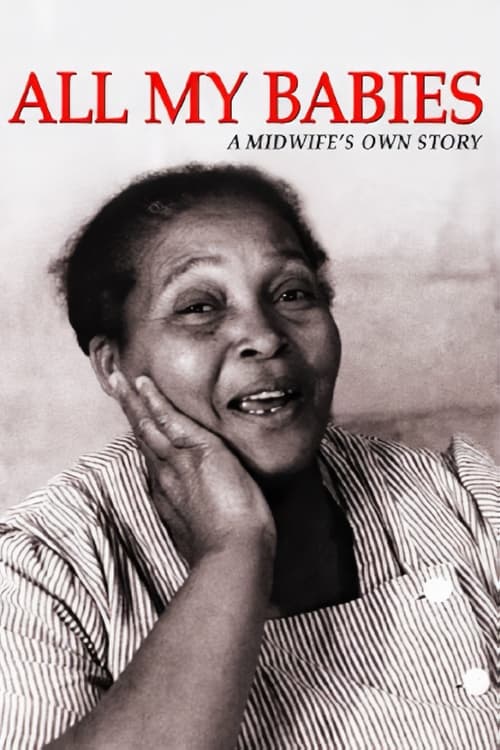
George Stoney investigates the living conditions, both good and bad, in the rural, segregated South.
All My Babies... A Midwife's Own Story
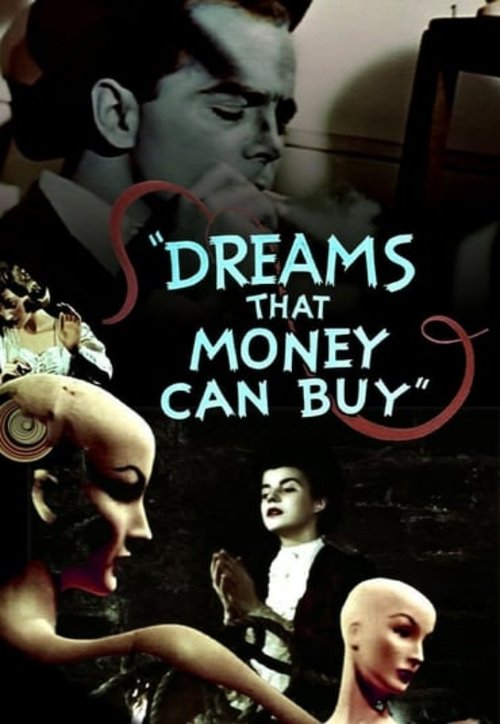
An attempt to bring the work of surrealist artists to a wider public. The plot is that of an average Joe who can conjure up dreams that will improve his customer's lives. This frame story serves as a link between several avant-garde sequences created by leading visual artists of their day, most of whom were emigres to the US during WWII.
Dreams That Money Can Buy
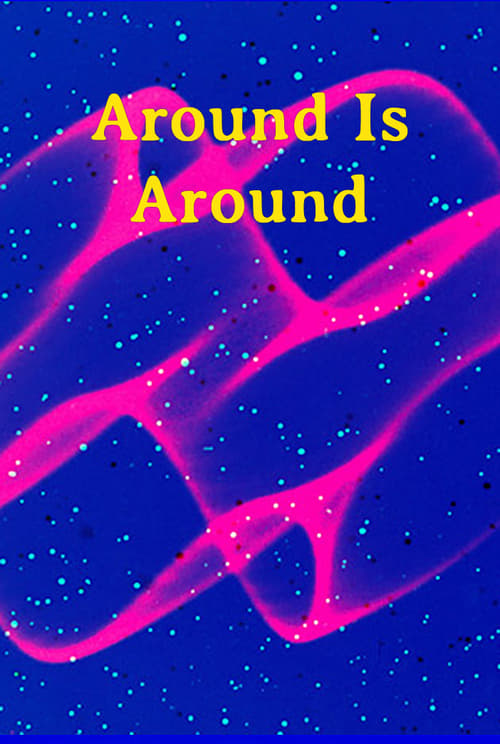
Early abstract 3D film by animation master Norman McLaren and collaborator Evelyn Lambart.
Around Is Around
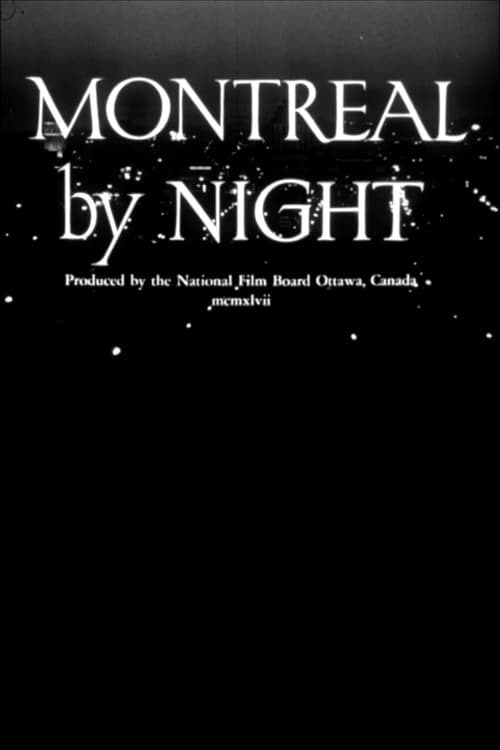
This short film showcases the city of Montreal on a summer's night. What was once a small Indian village is presented as a pot-pourri of contrasting sights and sounds. It is North America's second largest port and, after Paris, the world's largest French-speaking city. With its warehouses, offices, homes, clubs and amusement parks, the city serves as a bright backdrop for a happy couple out on the town.
Montreal by Night
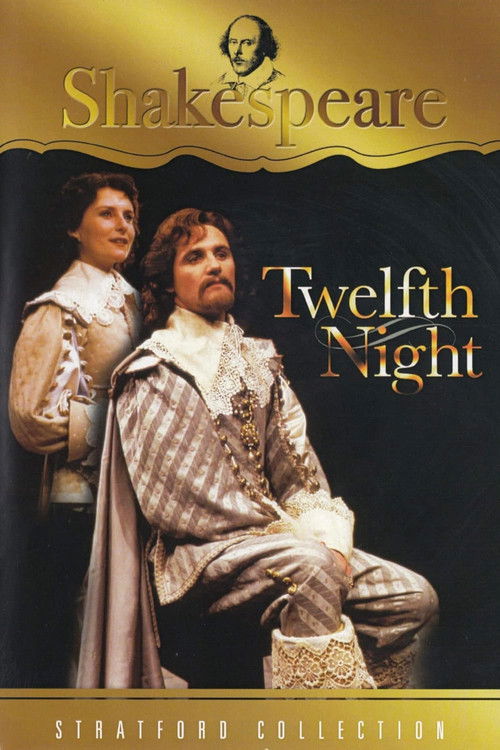
In mythical Ilyria, Viola and her twin brother Sebastian are separated after a shipwreck. Disguised as a boy, Viola enters the service of Duke Orsino who sends her off to woo the Countess Olivia on his behalf. Confusion and misguided love eventually leads to the happy reunion of the siblings.
Twelfth Night
This short documentary is part of the Canada Carries On series. The secret winter manoeuvres of the British Army's Lovat Scouts took place in the Canadian Rockies during the winters of 1944 and 1945. In combined operations with the Canadian Army, these elite mountain commandos tested themselves and their equipment in temperatures of -50°F.
Ordeal by Ice
Features clips from 21 documentary and animation film classics, interviews with NFB filmmakers past and present, and incisive commentary from film critics and historians on the role and influence of the NFB during its first half century of existence.
The Magical Eye
This short documentary illustrates rural French Canadian life in the early 1940s. The film follows Alexis Tremblay and his family through the busy autumn days as they bring in the harvest and help with bread baking and soap making. Winter sees the children revelling in outdoor sports while the women are busy with their weaving, and, with the coming of spring young and old alike repair to the fields once more to plough the earth in preparation for another season of varied crops. One of the first NFB films to be produced, directed, written and shot by women.
Alexis Tremblay: Habitant
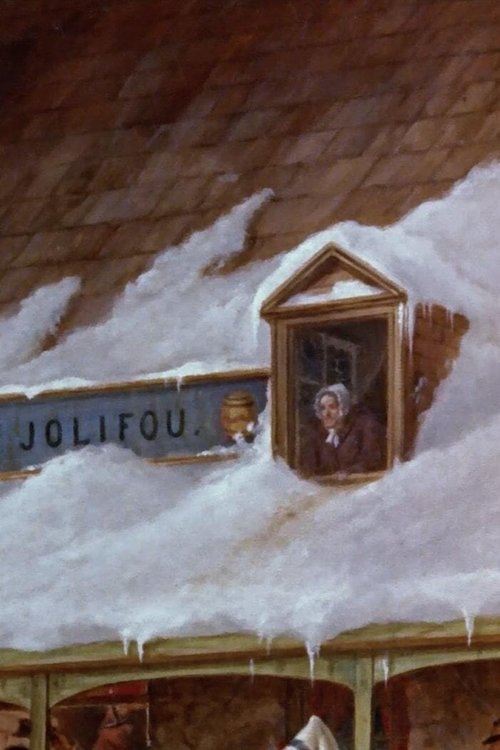
This short film depicts Canada as it was a hundred years ago, as seen through the paintings of artist and adventurer Cornelius Krieghoff. The changing seasons, the Quebec countryside, village life — all were an unending inspiration to Krieghoff.
The Jolifou Inn
This Oscar-nominated short explores the genesis of cancerous cells and the mid-20th century state of research into the fight against cancer. The film questions the differences between normal cell growth in the human body and the subversive growth of cancerous cells. Cures have been found for a succession of once invincible diseases, but cancer still presented an enigma at the time of the making of this film—and continues to do so today. The collaboration of a global network of scientists is portrayed in the film, as they painstakingly following every clue that may lead to an eventual solution.