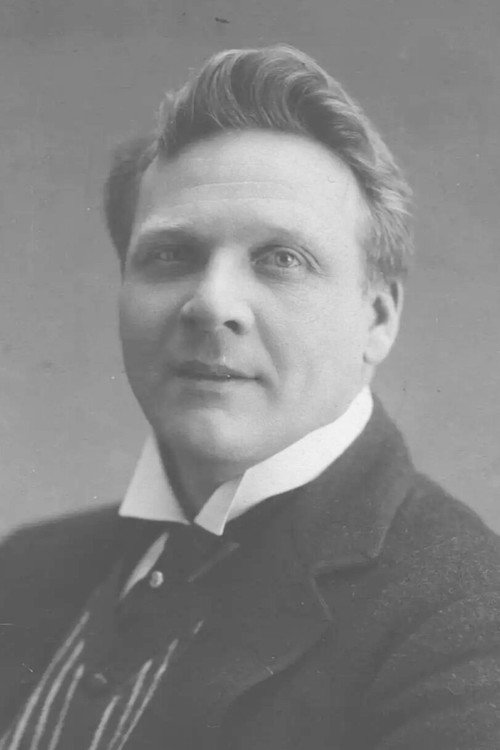
Feodor Chaliapin Sr.
Acting
Known For
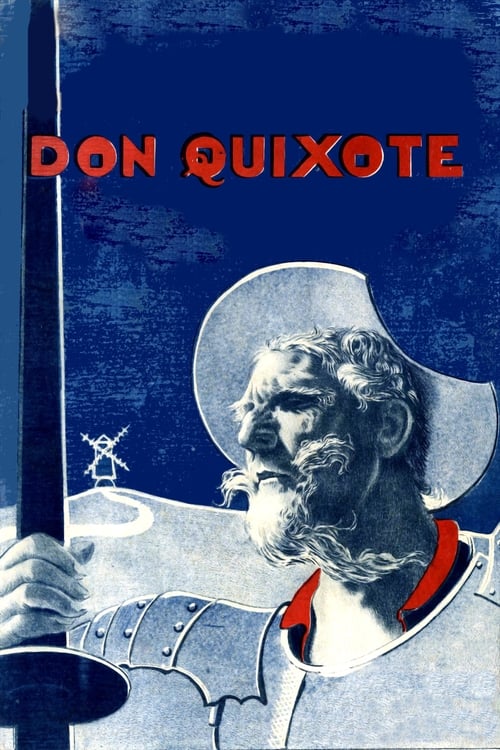
Inflamed by his readings of chivalric novels, Don Quixote, a knight with a sad face, accompanied by Sancho Panza, a peasant steeped in common sense, decides to set off across the world in search of improbable adventures.
Don Quixote
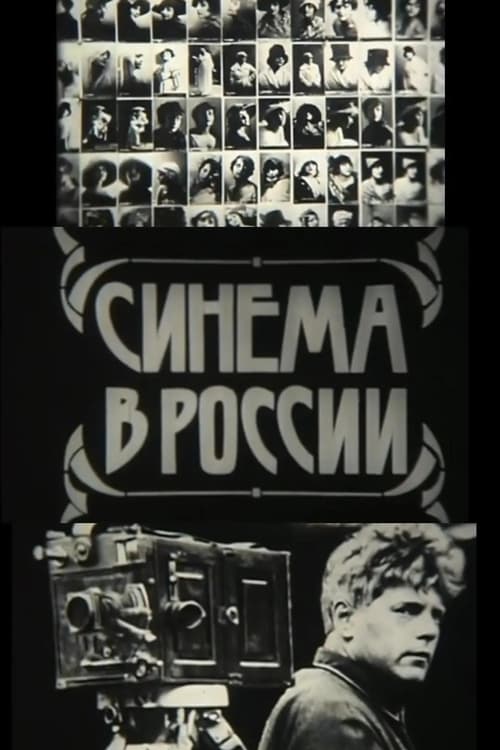
Documentary film about early years of Russian cinema: its first directors, cameramen, producers and actors. Includes rare fragments of pre-revolutionary feature films, newsreels and Starewicz's animation.
Cinema in Russia
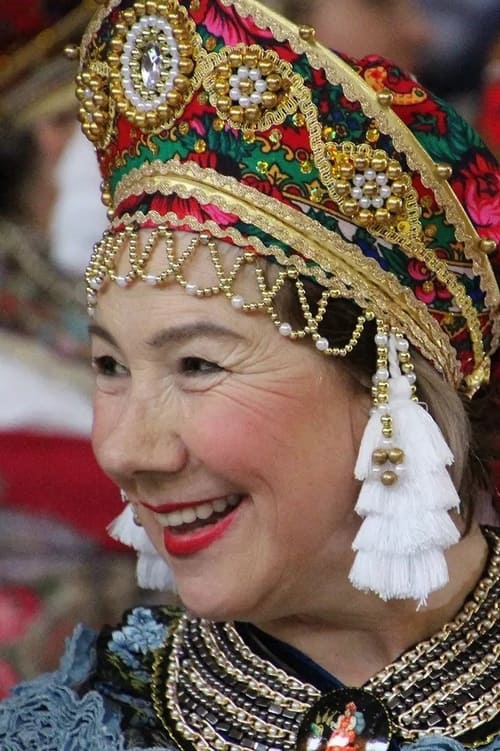
Arguably Russia’s most famous folk song, Dark Eyes has captured hearts around the world for the past 100 years. This portrait explores the song’s somewhat controversial history, its musical versatility and its cultural relevance. Performances by Louis Armstrong, Frank Sinatra, Liberace, a 13-piece orchestra and a Russian folk group make it clear why Dark Eyes has stood the test of time.
Dark Eyes
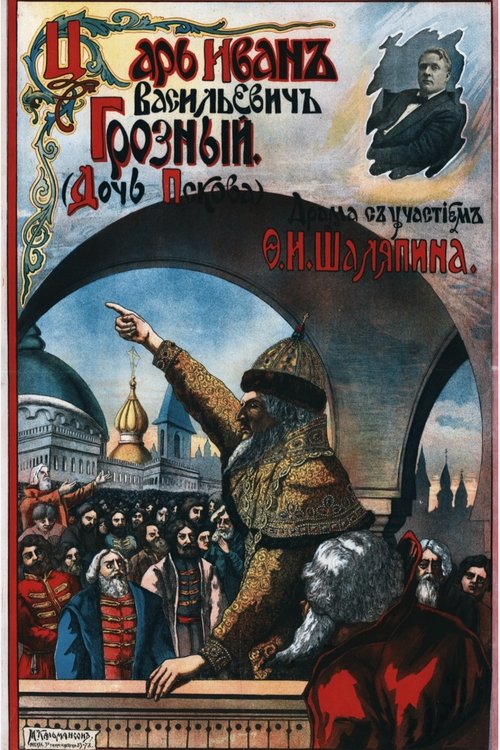
This film was a true peculiarity, a filmed version of the great Feodor Chaliapin in one of his most famous roles; the fact that it was a silent film, with title cards, meant that audiences could only appreciate his acting. Another curiosity is that the film also included a minor role enacted by Richard Boleslavsky, who in 1932 directed “Rasputin and the Empress.”(9)
Tsar Ivan Vasilevich The Terrible
The legendary Fyodor Chaliapin, whose beautiful bass voice and boldly naturalistic acting style made him the most famous Russian opera singer of the 20th century, is remembered in this fascinating documentary. Archival footage of Chaliapin's greatest roles -- Don Quichotte and Ivan the Terrible -- combines with vintage newsreels and interviews with his family and performers he influenced, including Sergei Leiferkus and Alexei Mochalov.
Chaliapin: The Enchanter
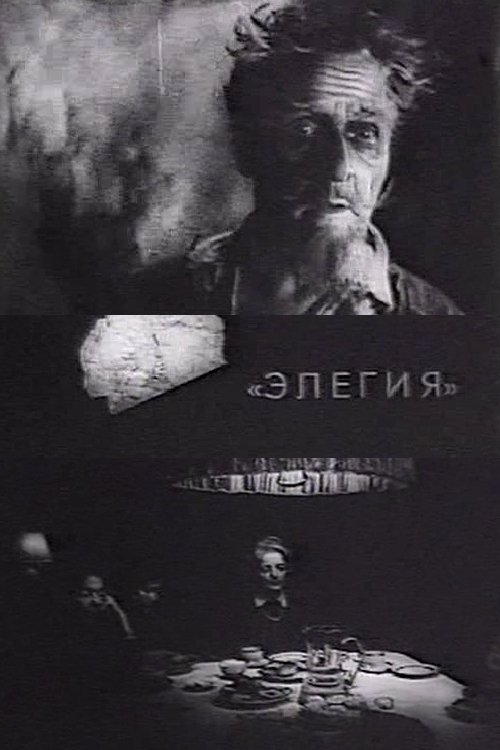
The reburial of great Russian singer Feodor Chaliapin from Les Batignolles cemetery in Paris to Novo–Devitchye cemetery in Moscow. The daughters from Chaliapin’s second marriage travel to the Soviet Union for the ceremony.
Elegy
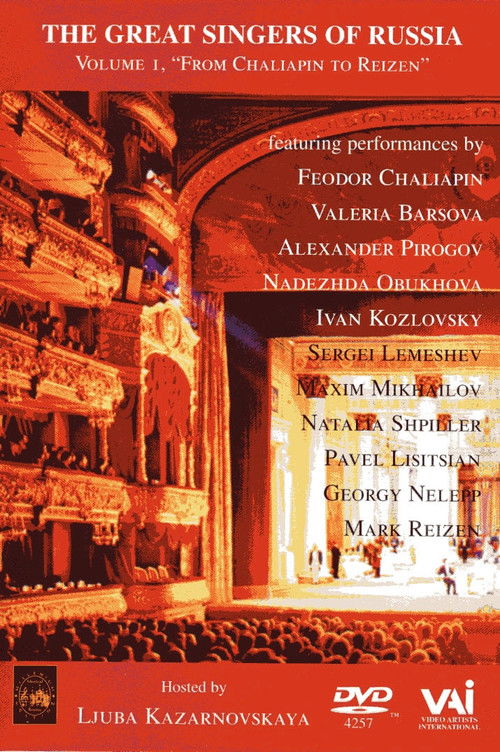
From Chaliapin to Reizen