Sound
When a beautiful young woman in rural Moravia becomes unexpectedly pregnant, she learns that love is sometimes only skin-deep. Janáček took Gabriela Preissová's grim tale of infanticide and redemption, and condensed it into a masterful, spine-chilling drama. The tragic plight of the protagonists is presented with unsentimental realism that cannot help but trigger a response of deep compassion. Premiered at the National Theatre in the composer's hometown of Brno 115 years ago, the opera took him nine years to complete and is the first in which his distinctive voice can clearly be heard.
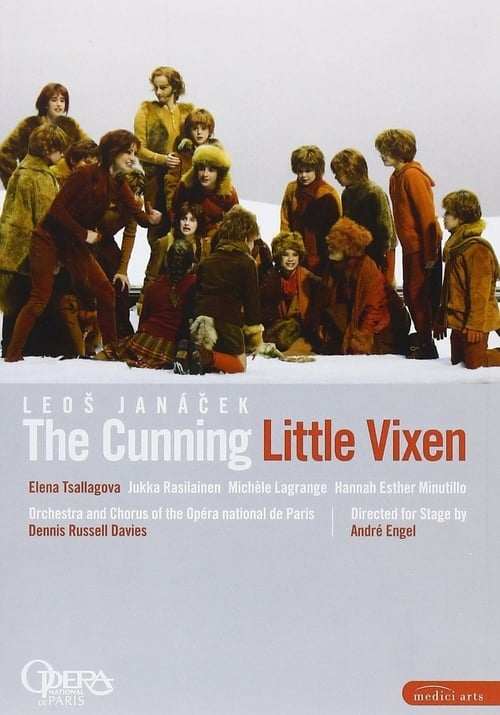
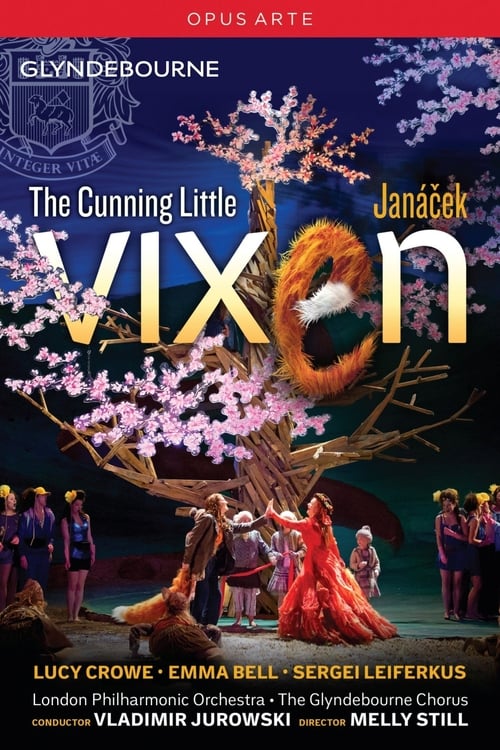
In the forest, the animals and insects are playing and dancing. The Forester enters and lies down against a tree for a nap. A curious Vixen Cub inquisitively chases a frog right into the lap of the surprised forester who forcibly takes the vixen home as a pet. Time passes and we see the Vixen, now grown up into a young adult tied up in the forester's yard with the conservative old dachshund. Fed up with life in confinement, the vixen chews through her rope and runs off to freedom.
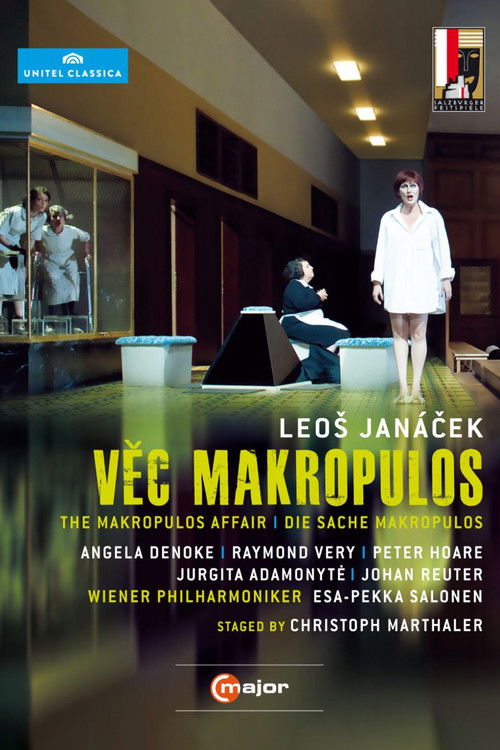
At the heart of Věc Makropulos is a recipe for a life-prolonging elixir invented by the doctor Hieronymus Makropulos for Emperor Rudolf II. It was tested on the doctor's beautiful daughter, who has now been on earth for 337 years and has had countless affairs over the generations. In the end, however, the seemingly young woman has to realize that an endless life on this side of the world only brings loneliness.
Janáček's song cycle staged by La Fura dels Baus at Palais Garnier. Conducted by Gustav Kuhn.
No description available.
Two neighbours. A lonely pianist on one side of the wall. A couple with domestic problems on the other. They can hear each other. THE NEIGHBOUR is a film about man and woman, about single people, about the chance to start over again, about chances that are long gone. It is also a film about how music affects us, and how we affect music. The film features dancers Line Tørmoen and Dimitri Jourde – two top level creative performers. It also features Leif Ove Andsnes – a pianist that should need no introduction to anyone interested in classical music. As one of the most accomplished musicians of the world he is constantly playing worldwide with solo recitals or accompanied by the most distinguished orchestras. His part in this project differs radically from his regular performances by the fact that his music interpretation is submitted motivations as a theatrical character. The location of the film was Jo Strømgren’s private flat in Oslo during a period in August 2009.
The tale of a quick-witted fox and her escape from confinement for a life in the forest.
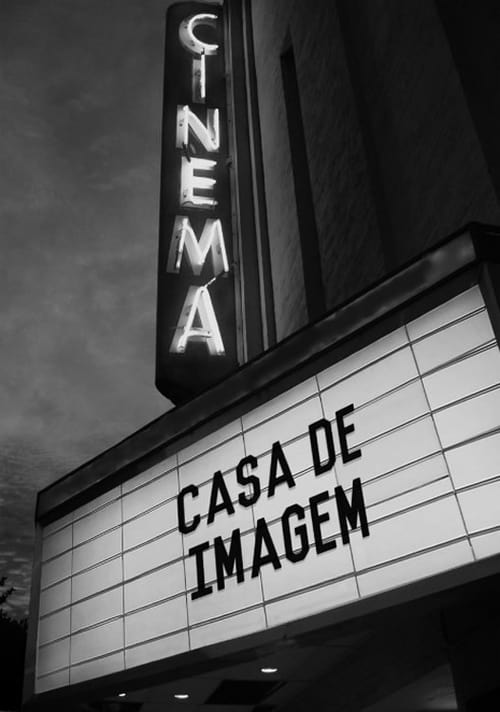
An old man comes across a fascinating archive, then meets a woman who introduces him to the life of a banker, patron and philanthropist. A moving essay that is part documentary, part film diary.
Premiered in 1926, Leoš Janáček’s absorbing masterpiece Veˇc Makropulos reflects all the dominant musical styles of the early 20th century, from Bohemian tunefulness to big Straussian phrases, Berg-like jaggedness and primeval rhythms. With the “breathtakingly grandiose” (Salzburger Nachrichten) Angela Denoke in the lead role, this emotionallypowerful opera was given superior treatment at the hands of the Wiener Philharmoniker under Esa-Pekka Salonen. Recorded live at the Salzburger Festspiele on 8 & 30 August 2011. Angela Denoke stars as Emilia Marty, with Raymond Very as Albert Gregor, Peter Hoare as Vitek, Jurgita Adamonyté as Krista, and Johan Reuter as Jaroslav Prus. Esa-Pekka Salonen conducts the Wiener Philharmoniker.
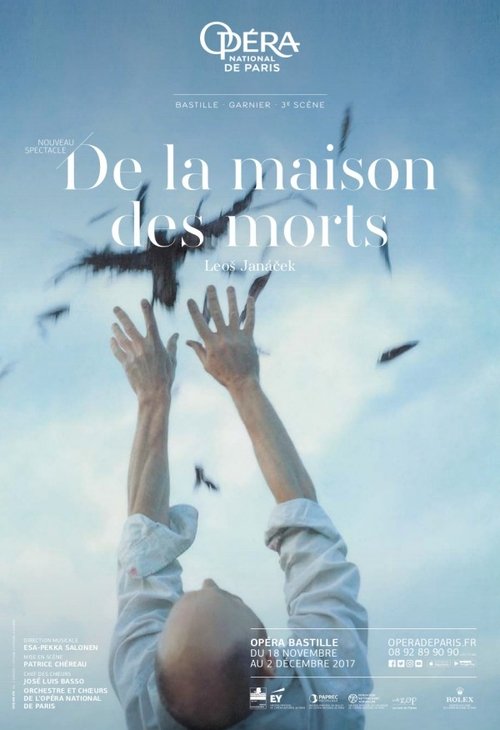
Can the darkest moments of life also lift our souls? Drawing on his own experience in a Siberian prison in the company of misfits, murderers and theives, Dostoevsky was inspired to write his novel Notes from a Dead House, telling his brother at the time: ‘Believe me, there were among them deep, strong, beautiful natures, and it often gave me great joy to find gold under a rough exterior.’ In Janáček’s hands, Dostoevsky’s inspiration and the raw material drawn from an appalling world of incarceration find an even more powerful form of expression in his last opera, From the House of the Dead. Unfettered by conventional story-telling, Janáček wrote his own libretto, freely weaving together a series of stories of everyday prison life and of the fates of individual convicts.
Condensing the life stories – memories of prison in Silesia – related by Dostoyevsky in his work The House of the Dead, Leoš Janáček composed an opera filled with burning desire and longing. Contagious savagery, cruelty and brutality are exacerbated by the confines of the prison. However, within its concrete walls emerge both tenderness and cruelty at the sight of an injured bird; a multitude of stories and highly personal monologues. With this production, first performed at the Wiener Festwochen in 2007, the Paris Opera pays tribute to Patrice Chéreau.
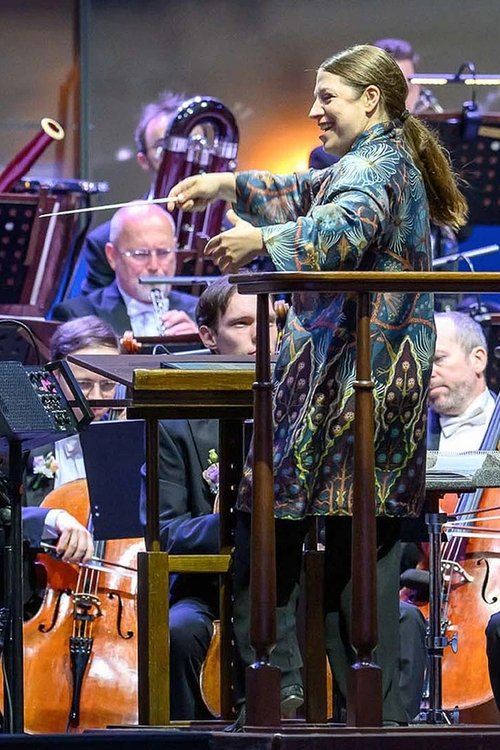
For its traditional outdoor season-closing concert held on Hradcany Square at the foot of Prague Castle, the Czech Philharmonic Orchestra conducted by Finnish-Ukrainian Dalia Stasevska performs works by Leos Janacek, Lili Boulanger, Georges Bizet and Maurice Ravel.