Writing
Brava Gente was a television series aired by TV Globo in Brazil between 2000 and 2003, initially as a special year-end. The program was adapted from stories and national stories, and plays by famous playwrights, screenwriters and signed by a number represented by several actors and actresses. The genres of the stories varied each week with the style of each director or author. Brava Gente in the stories ranged from comedies and dramas. In all 53 episodes were shown, broadcast on Tuesday nights.
No description available.
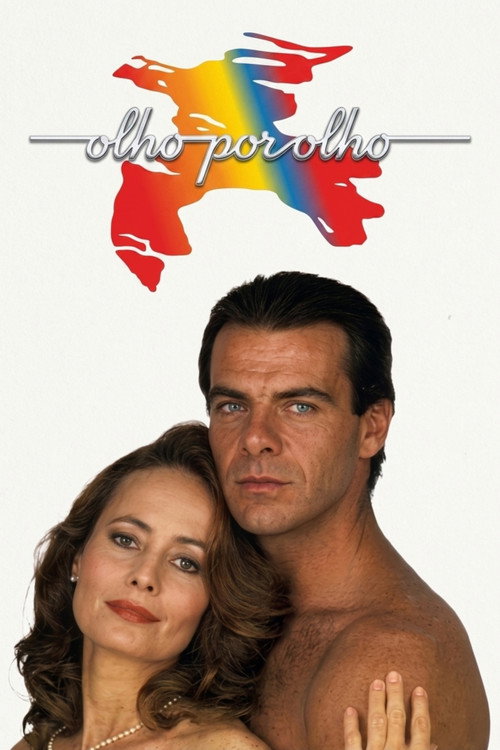
Facing a financial crisis, Guilherme receives an ultimatum: he must pay his overdue rent within 24 hours or face eviction from the Copacabana apartment—located in Rio de Janeiro's South Zone—where he lives with his family: his wife Joana, his children Kika, Beto, and Tatá, and his father Olavo. Left with no other option, they move into a large house in São Cristóvão (in the North Zone) lent to them by Joaquim, a Portuguese friend. The family struggles to adapt to the suburban neighborhood and cope with their lack of money. To overcome the crisis, Guilherme becomes a partner in Joaquim's auto repair shop.
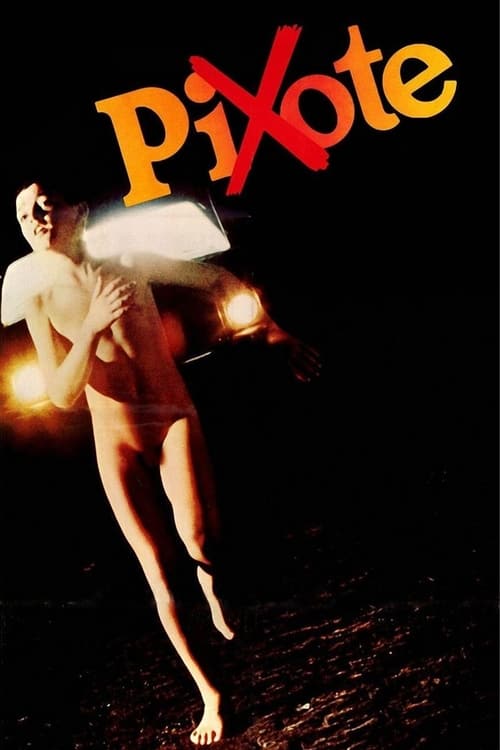
10-year-old Pixote endures torture, degradation, and corruption at a local youth detention center where two of its members are murdered by policemen who frame Lilica, a 17-year-old trans hustler. Pixote helps Lilica and three other boys escape and they start to make their living by a life of crime which only escalates to more violence and death.
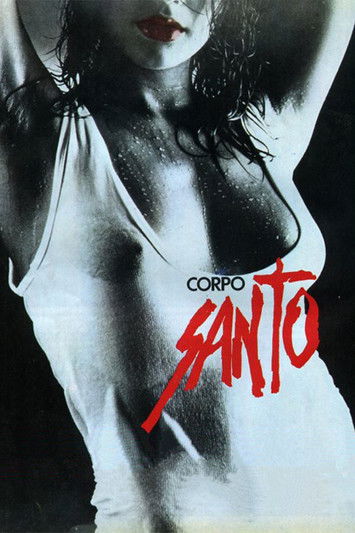
Police investigator Galvão is pursuing two trails, one professional and one personal. While he looks for a serial killer, he also searches for his estranged daughter, Sandra, whom he kicked out of the house. Lives intersect when the serial killer, Toninho, befriends Sandra, now an exotic dancer and prostitute living and working in the seamy underside of late 1970s Rio.
The Locomotiva reveals a philosophy that inspired the life and work of the most controversial manager of Brazilian football. Eurico Miranda attracts hatred and passion from Vasco fans and all football lovers.
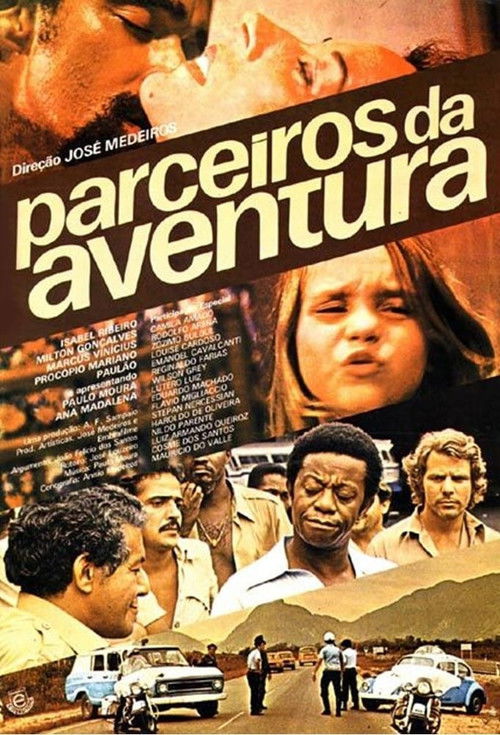
Rio de Janeiro crooks rove about, performing petty tricks to survive, and get involved with a woman who steals cars.
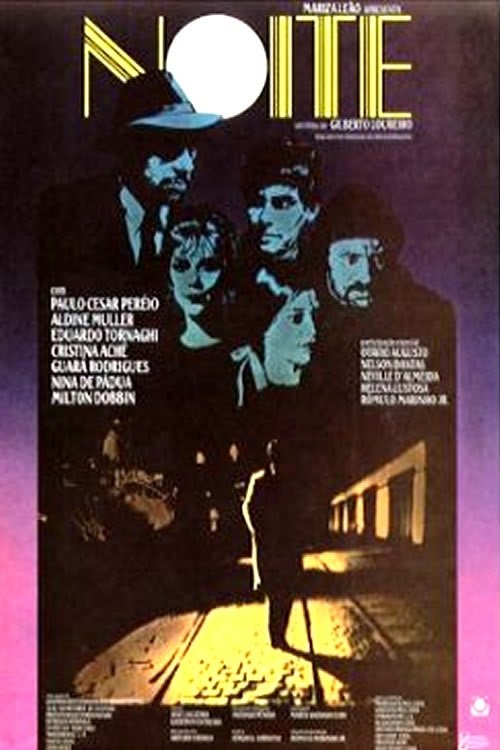
Somwhere in the city of Porto Alegre, a man who has lost his memory is questioned by a group of police officers about the barbaric murder of a socialite. Without recognizing himself in the documents he carries in his pocket, he wanders through the underworlds of the city in search of an answer.
Blum and Elza conduct Scientific and anthropological researches in a desert island, where they use as subjects a old fisherman, the house keeper and a prostitute from the country. But the affection grows between the three of them, and this feelings are capable of compromising the whole research.
Based on the true events that took place in the 70s, in Rio de Janeiro. The body of beautiful girl Cláudia Lessin Rodrigues, actress Márcia Rodrigues's sister, was found in the seashore. After Police investigation, it was found she had been murdered on a party by a rich industrialist's son and his socialite hairdresser buddy, after much sex, alcohol and drugs, specially Mandrax (methaqualone). She'd probably resisted being raped and the killers threw away the body in the water. One of the guys tried to escape flying to Switzerland.
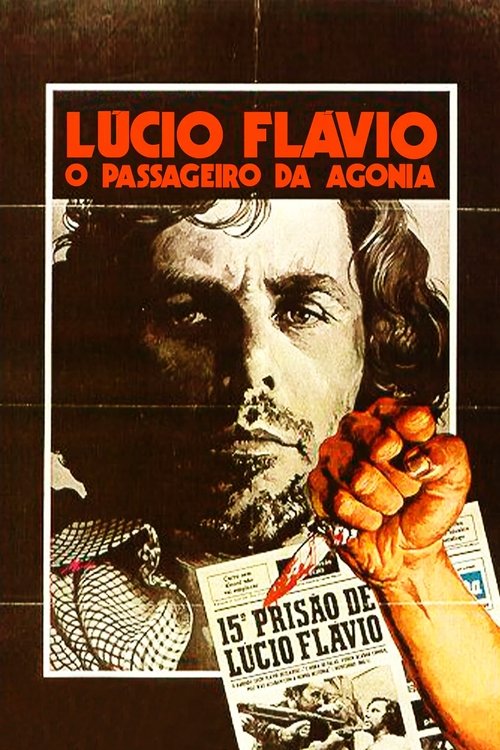
Story of Brazilian bank-robber Lúcio Flávio, who fascinated some people in Rio de Janeiro during the 1970s for his bold robberies and spectacular escapes, and also because he was thought to be intelligent and "politically aware". Before dying, he disclosed a network of corruption in Brazilian Police, and its involvement with the infamous "Death Squad" of the time, a group of policemen who went about killing criminals without giving them a fair trial.
The true story of the boy who became famous when he was cast for the main part on the Brazilian film Pixote: A Lei do Mais Fraco (1981). After the film was over, he tried to work as an actor on other projects, with little success. As time went by, he got involved with crime.
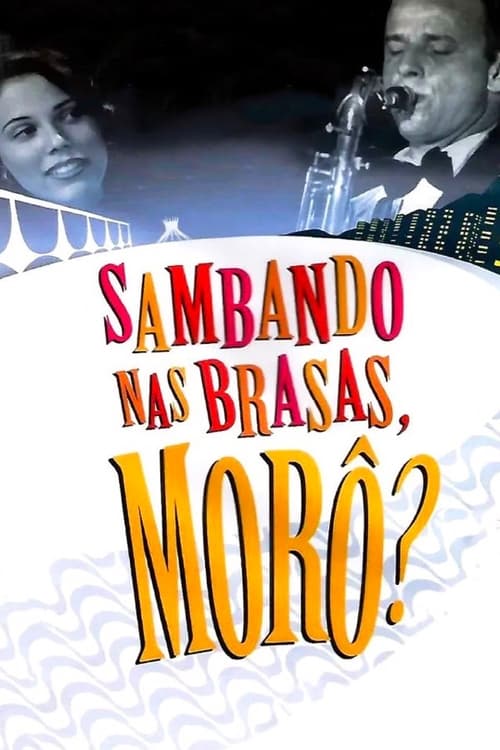
The adventures of Pedro, a musician who is trying his luck in Rio de Janeiro, in the 1950's. He leaves his hometown Belo Horizonte to share a lodging with his brother Carlos in Rio. During one of his gigs, he meets Arlete, a singer in a vocal group and fall in love.
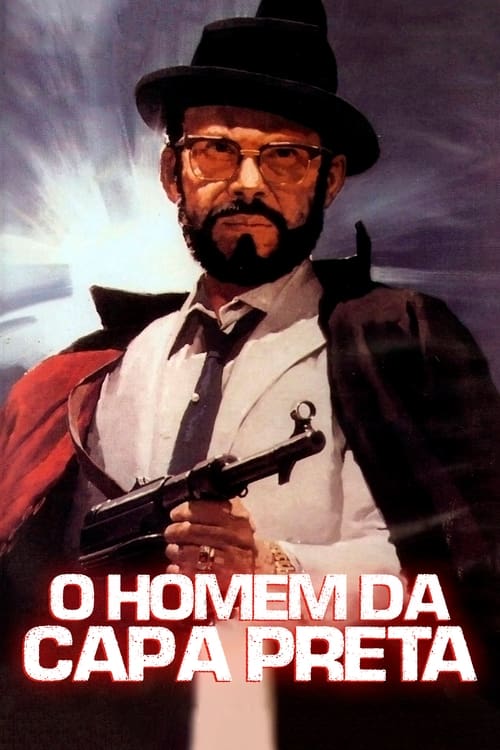
Biography of Brazilian congressman Tenório Cavalcanti, who used to appear in public carrying a machine-gun, and wearing a black cloak.
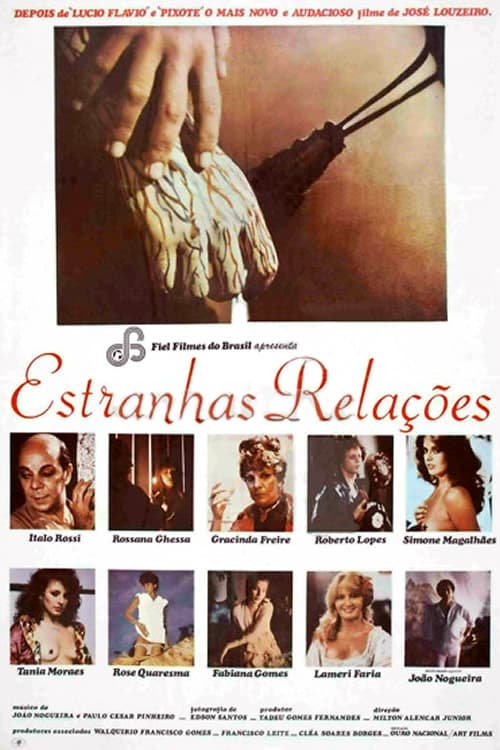
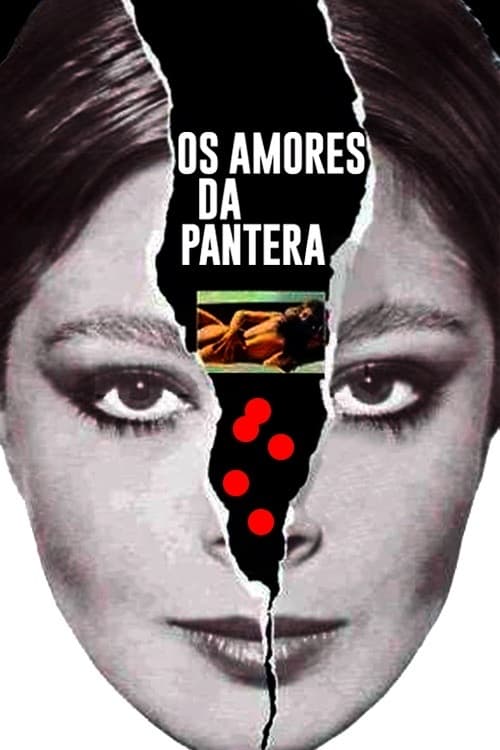
During an orgy of millionaires, a woman is mysteriously kidnapped and killed. The crime causes quite a stir in local society, as the investigations points to a very known addicted playboy. Although it's never said, the film is vaguely based on a real case happened in 1975, when socialite Ângela Diniz was killed by her lover Doca Street, in Búzios, Brazil.