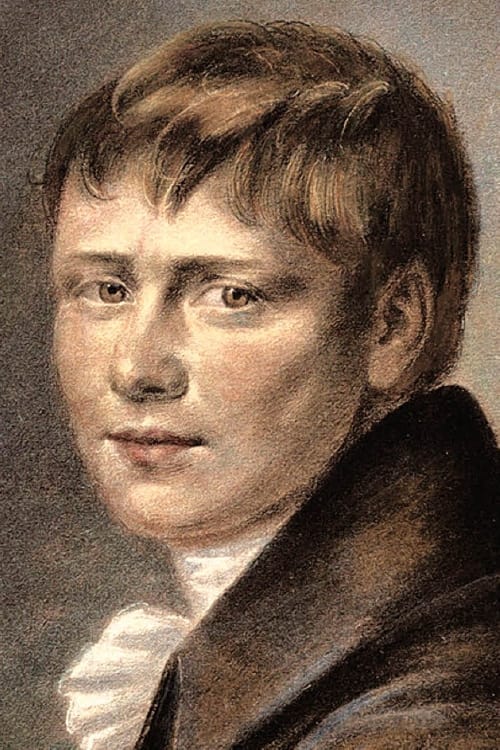
Heinrich von Kleist
Writing
Biography
Bernd Heinrich Wilhelm von Kleist (18 October 1777 – 21 November 1811) was a German poet, dramatist, novelist, short story writer and journalist, considered among the greatest of the 19th century. Poets of the Realist, Expressionist, Nationalist, and Existentialist movements in France and Germany saw their prototype in Kleist. His first tragedy was Die Familie Schroffenstein (The Schroffenstein Family), his second Penthesilea (1808), but more successful than either of these was his romantic play, Das Käthchen von Heilbronn (1808), a poetic drama which retained its popularity for many years. In comedy, Kleist made a name with Der zerbrochne Krug (The Broken Jug; 1808), while Amphitryon (1808), an adaptation of Molière's comedy, received critical acclaim long after his death. Die Hermannsschlacht (1809) is a dramatic work of anti-Napoleonic propaganda, that has been described by Carl Schmitt as the "greatest partisan work of all time". Kleist also wrote patriotic lyrics in the context of the Napoleonic Wars. Kleist also wrote highly influential works of narrative prose. Kleist also wrote eight masterly novellas, collected in Erzählungen (1810–11), of which Das Erdbeben in Chili (The Earthquake in Chile), Michael Kohlhaas, and Die Marquise von O… remain well-known. His stories influenced those of Franz Kafka and Friedrich Halm. Embittered by the lack of recognition accorded him by his contemporaries, particularly Goethe, he came to know an incurably sick woman, Henriette Vogel, who begged him to kill her. This gave Kleist the final incentive to end his life, and on November 21, 1811, he shot Henriette and himself on the shore of the Wannsee. The Kleist Prize, a prestigious prize for German literature, is named after him, as was the Kleist Theater in his birthplace Frankfurt an der Oder.
Known For

When the law fails to punish a fellow rancher that has abused his horses, a Wyoming horse trader sacrifices it all in a quest for justice.
The Jack Bull

In the 16th century in the Cévennes, a horse dealer by the name of Michael Kohlhaas leads a happy and prosperous family life. When a lord treats him unjustly, this pious, upstanding man raises an army and puts the country to fire and sword in order to have his rights restored.
Age of Uprising: The Legend of Michael Kohlhaas
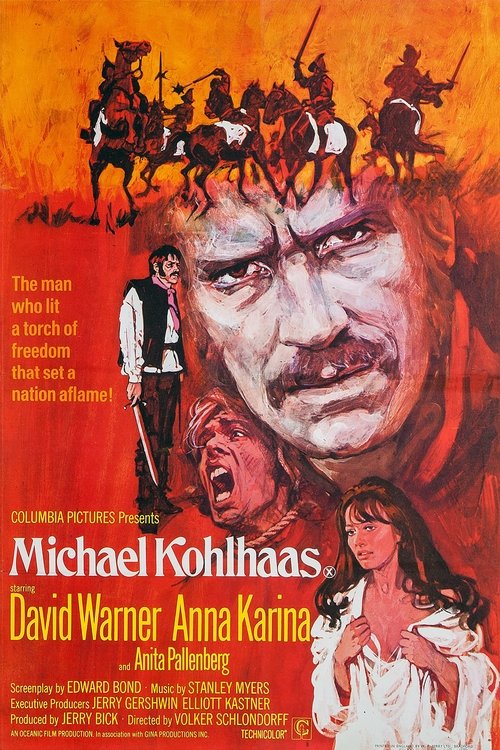
In medieval times, a horse merchant is forced by a noble to leave part of his stock as payment for crossing his land. Upon returning, he finds his horses near death, and when the noble refuses to compensate him, the merchant fights unsuccessfully against the injustice.
Michael Kohlhaas - The Rebel
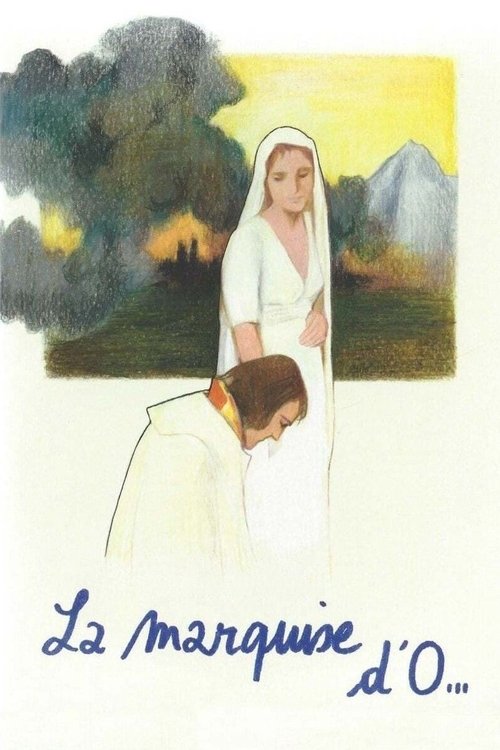
A German Marquise has to deal with a pregnancy she cannot explain and an infatuated Russian Count.
The Marquise of O
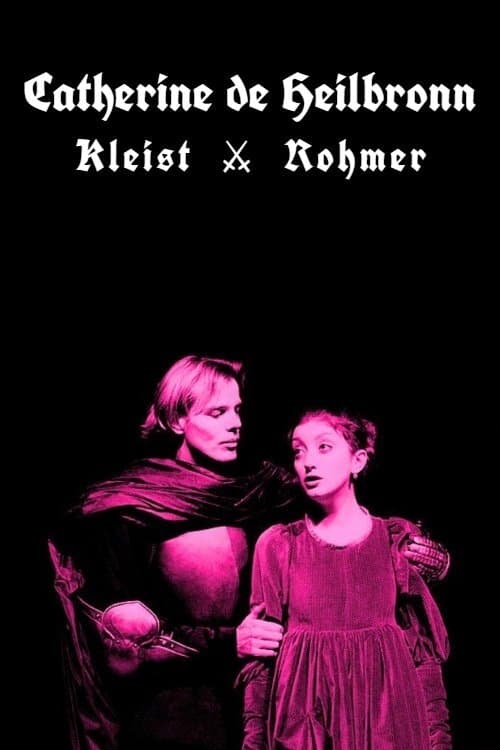
In the Middle Ages, the earl Wetter von Stahl is accused of having bewitched Catherine, the daughter of the blacksmith of Heilbronn. The earl tries to be exonerated by proceeding himself to the interrogation of the young woman, who apparently shows an "unnatural possession".
Catherine de Heilbronn
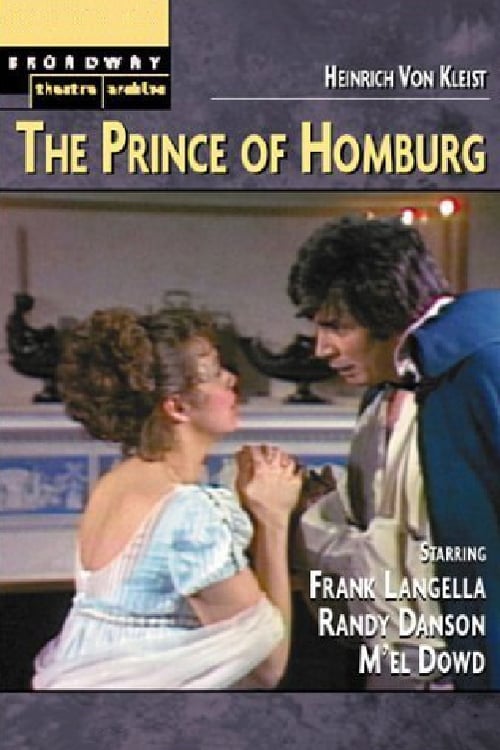
During an invasion by the Swedish army, the Prince of Homburg, a 17th century Prussian nobleman, disobeys his military orders. Although his bold decision leads to the enemy's defeat, the prince still finds himself sentenced to death.
The Prince of Homburg
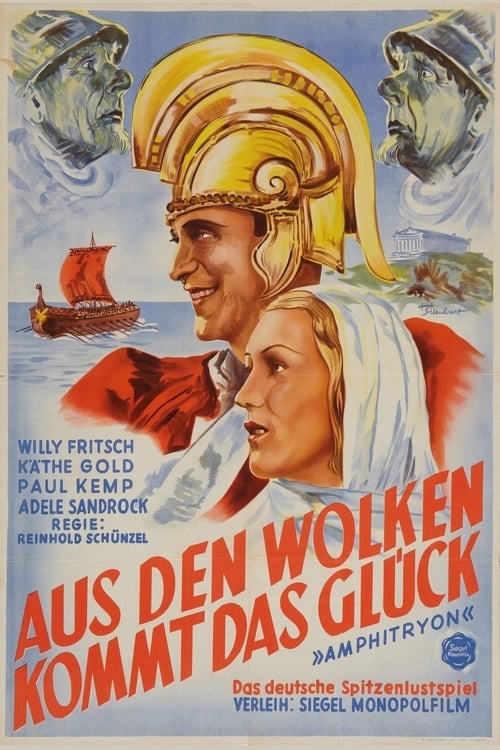
Lamenting Thebian women are waiting for the men to come back from war. God Jupiter is attracted to one of them: Alkmene. He goes to earth and tries to seduce her as himself: an old man. Failing in this, he disguises himself as Amphitryon (Alkemene's husband) and tries again. Next morning Amphitryon and his men come back from war; he suspects adultery and wants a divorce. Jupiter's wife Juno now also comes to earth and clears things up.
Amphitryon: Happiness from the Clouds
No description available.
Die Gräfin von Rathenow
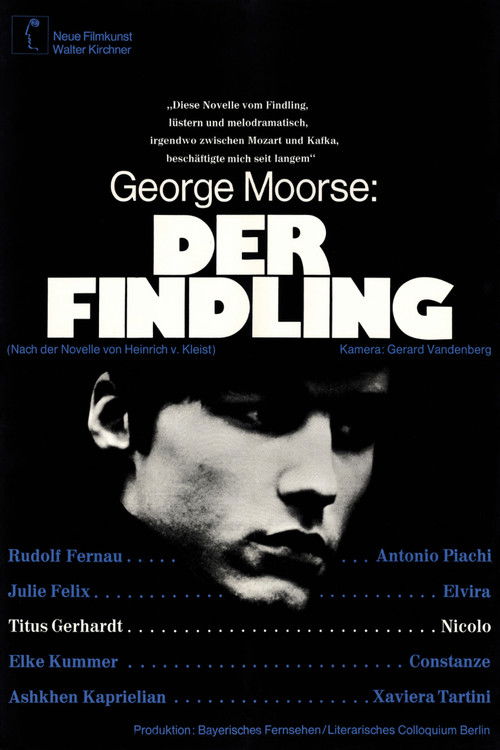
The story centers on the Roman merchant Piacchi, who raises the foundling Nicolo after the death of his son and bequeaths all his possessions to the young man. However, the adopted son turns against Piacchi and his wife.
The Foundling

The story of two women, a mother and her daughter, who during the Cristero War set traps for government soldiers passing by their house, using seduction that was never consummated. The idea was to deceive the soldiers by making them feel safe, then hand them over, almost with their hands tied, to the Cristero guerrillas. But then one of the women, the daughter, truly falls in love with one of the soldiers, allows herself to be seduced by him, and then tries to save him, only to be killed, in the circumstances, by the soldier himself.
Seduction
No description available.
Der zerbrochene Krug

The Prince of Homburg, disobeys orders and leads a cavalry charge in battle against the Swedes, which leads to victory. He is court martialled however for disobeying orders and sentenced to death. His love who is now to be betrothed to the King of Sweden, following his execution appeals to the Elector, her uncle, on his behalf, as do his comrades in battle. He must also contend with his own desire to live and conflicting sense of honour.
The Prince of Homburg
No description available.
Der zerbrochne Krug
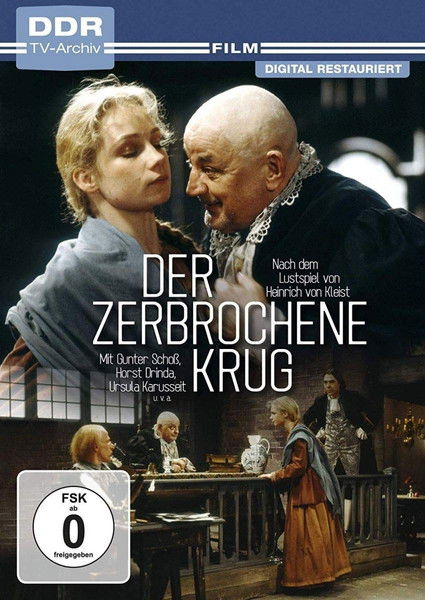
No description available.
Der zerbrochne Krug
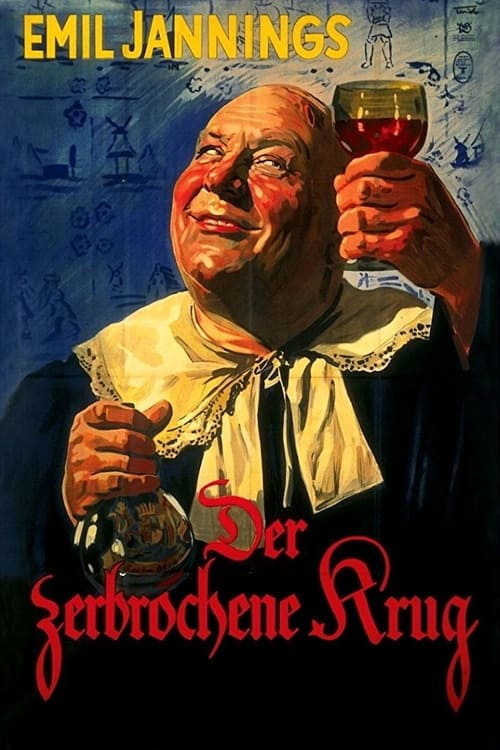
Today is a fateful day for village judge Adam. Who broke Widow Kull’s jug fleeing head over heels after his nightly visit to her daughter? As the trial unfolds, it becomes clear to everyone that the judge himself is the culprit. Judge Adam twists and turns, invents countless explanations, and piles up the most absurd lies. But he is conducting a trial against himself—one he cannot win.
The Broken Jug

Tutor Jeronimo and heiress Josephe fall in love but are quickly torn from one another by execution and jail. However, when fate intervenes in the form of a massive earthquake, the two lovers have no idea what is in store for them.
Earthquake in Chile
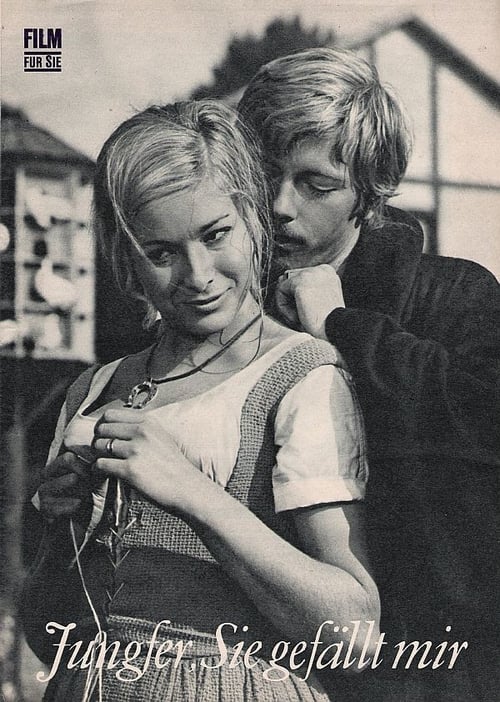
A Saxon village in 1792: While the Prussians go against France, the haymaking takes place in the village and the resolute Marthe catches her daughter Ev with the village blacksmith Ruprecht in the hay.
Maiden, You Please Me
No description available.
Der zerbrochene Krug
Based on a text by Heinrich von Kleist.
Anekdote aus dem letzten preußischen Kriege
No description available.