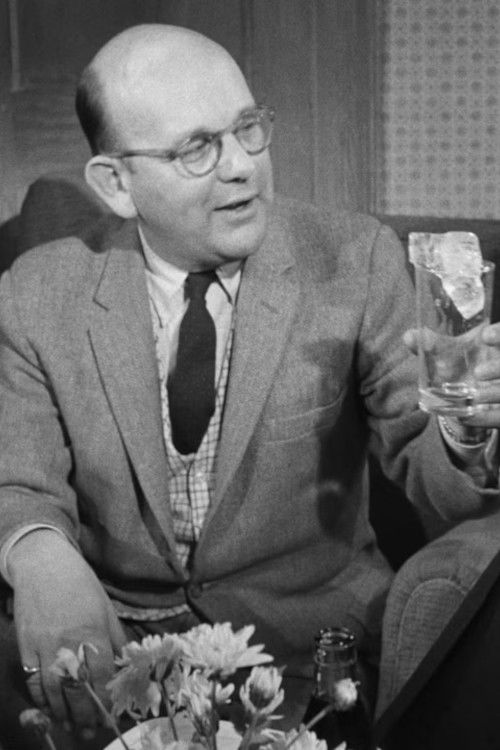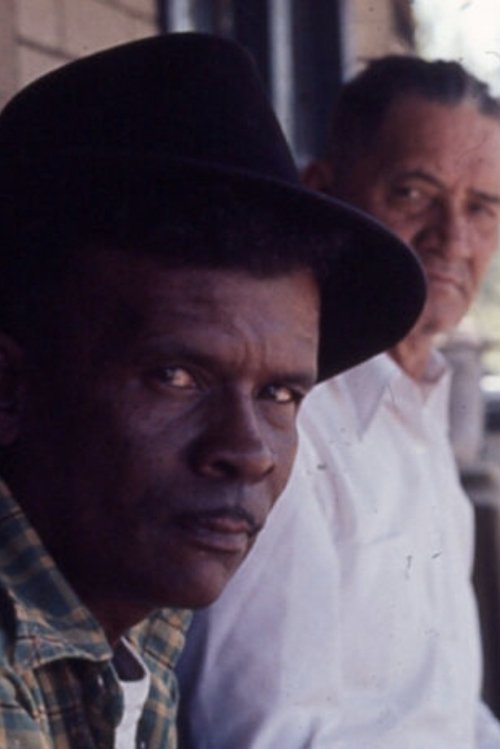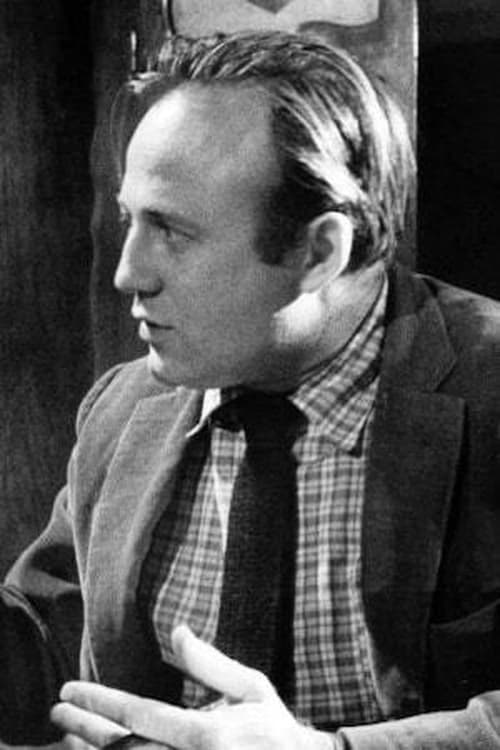
Lionel Rogosin
Directing
Biography
Lionel Rogosin was an independent American filmmaker. Rogosin worked in political cinema, non-fiction partisan filmmaking and docufiction, influenced by Italian neorealism and Robert Flaherty.
Known For

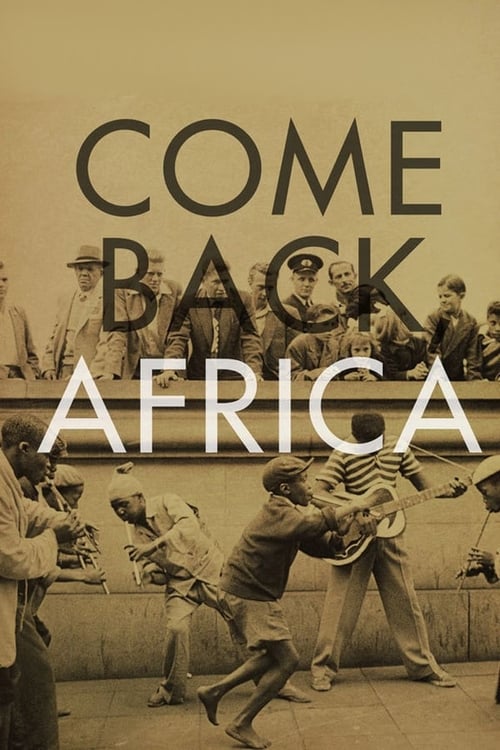
Come Back, Africa chronicles the life of Zachariah, a black South African living under the rule of the harsh apartheid government in 1959.
Come Back, Africa

Also known as Walden, Jonas Mekas’s first diary film is a six-reel chronicle of his life in 1960s New York, interweaving moments with family, friends, lovers, and artistic idols. Blending everyday encounters with portraits of the avant-garde art scene, it forms an epic, personal meditation on community, creativity, and the passage of time.
Diaries, Notes, and Sketches

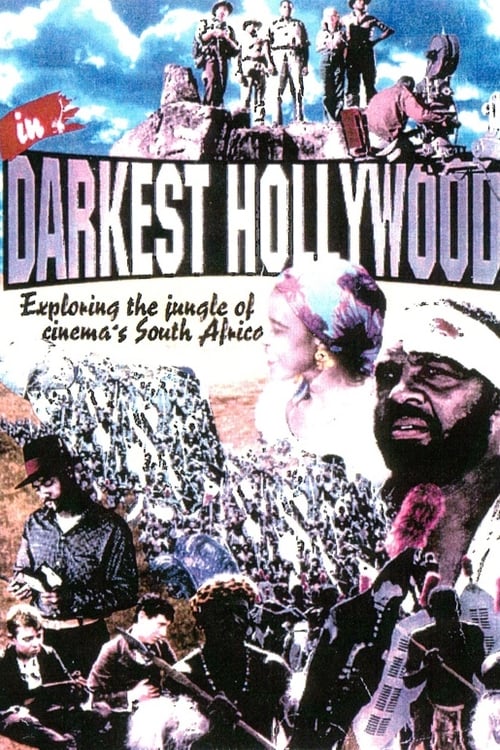
A documentary overview and ideological critique of the South African film industry and cinema's historical relationship with apartheid.
In Darkest Hollywood: Cinema and Apartheid
Interwoven with clips from the original film "Come Back Africa", the late Lionel Rogosin tells the story of how he penetrated Sophiatown, Johannesburg during the iron rule of the apartheid regime. In what develops like a political thriller, An American in Sophiatown is one of the most damning portrayals of this police state.
An American in Sophiatown

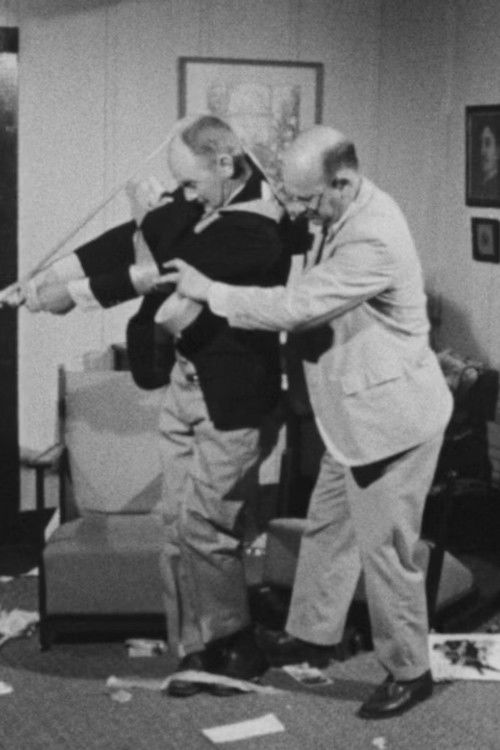
Oysters Are in Season feautures the improvised humor of Swede Sorenson, Dean Preece and Molly Parkin as they play out sharply satiric situations. Utter foolishness abounds in short skits that range from an employment interview with an applicant whose previous experience has left him physically uncontrollable, and an unsuspecting golfer who arrives for a first lesson, to scenes of mayhem with a hammock and a chinese lantern masquerading as an artificial kidney.
Oysters Are in Season

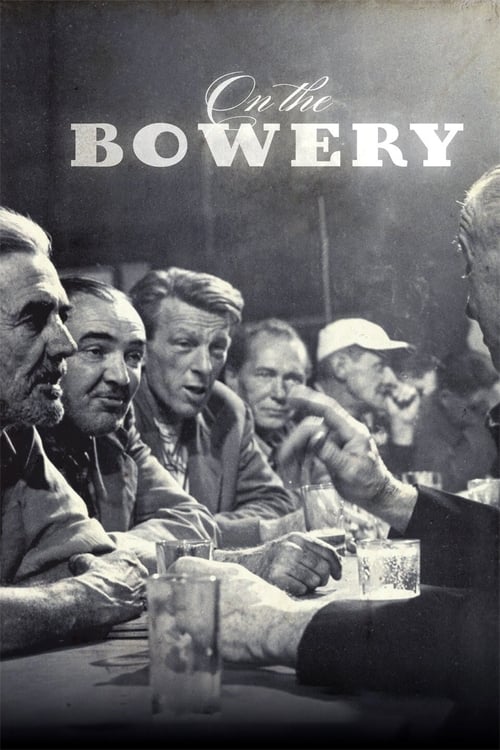
A mix of documentary and scripted footage on the Bowery, New York City's skid row. Against a backdrop of men (and a few women) drinking in bars, talking and arguing, and sleeping on sidewalks, we have the story of Ray.
On the Bowery

Lionel Rogosin's plea for humanity and against war and fascism. For two years, Rogosin traveled to twelve countries to collect footage of war atrocities from their archives. He interspersed these harrowing images with scenes of a London cocktail party's mundane chatter. Good Times, Wonderful Times was released in 1964 at the height of the Vietnam War, and became one of the great anti-war films of the era.
Good Times, Wonderful Times

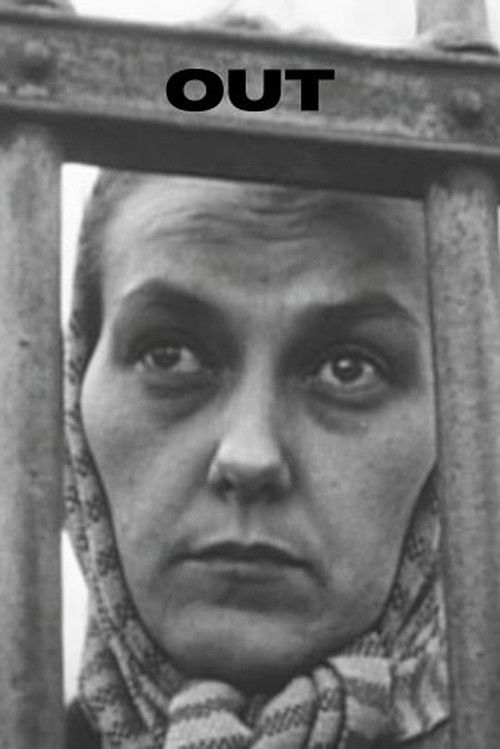
Film on the refugee situation in Austria as a result of Hungarian Revolution of 1956.
Out
A BAFTA award nominated documentary studying Hungarian refugee problems after the October 1956 revolution. Shot on the Austro-Hungarian frontier and in the refugee camp at Traiskirchen.
Out

A clergyman seeks a donation from a banker in this short slapstick comedy.
How Do You Like Them Bananas

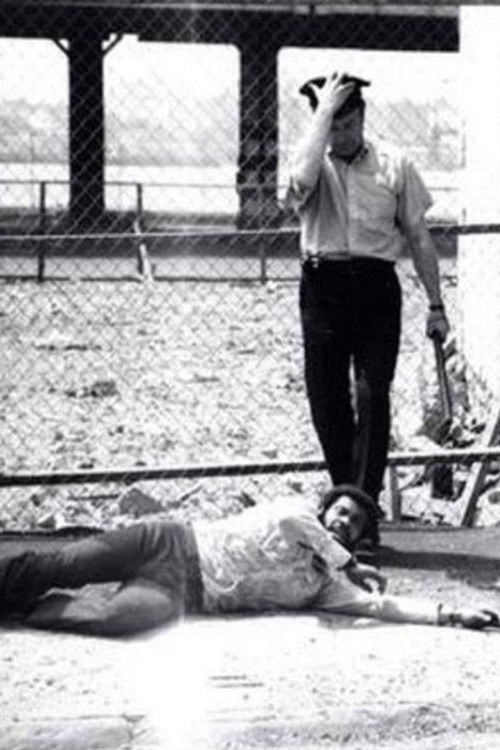
The documentary looks at interracial marriage between black men and white women and the problems and issues associated with it. Featured are black civil-rights worker James Collier and his wife, a white woman.
Black Fantasy
Filmmaker Michael Rogosin's fascinating exploration of the production history behind his father Lionel's groundbreaking documentary, On the Bowery.
The Perfect Team: The Making of 'On the Bowery'
A documentary about the making of Good Times Wonderful Times.
Man's Peril: The Making of Good Times Wonderful Times

The sixth and final feature-length film produced and directed by American independent filmmaker Lionel Rogosin. The film looks at workers who organize to resist exploitation by pulpwood corporations.
Woodcutters of the Deep South

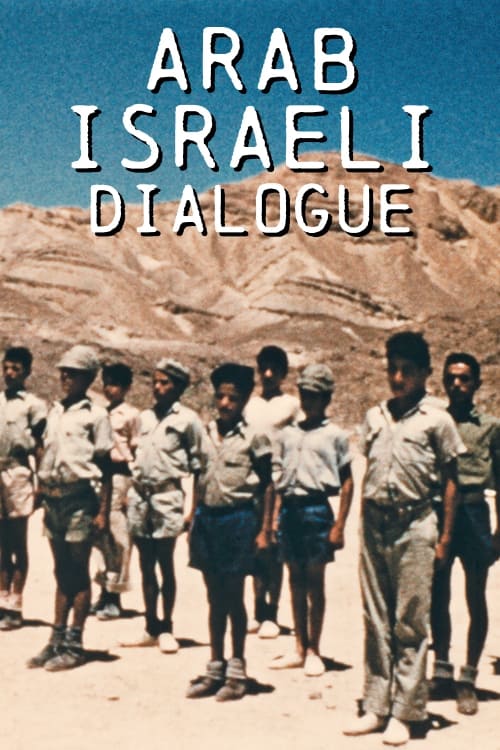
The passionate final documentary from Lionel Rogosin, in which Palestinian poet Rashed Hussein and Israeli writer Amos Kenan seek dialogue toward a possible solution to the never-ending conflict. Never before have both sides discussed a mutual problem so frankly, and so willingly. Rogosin provides an open forum for two formidable intellects to discuss the fates of their nations, and the ever-receding possibility of peace.
Arab-Israeli Dialogue
Reel 13 of Gérard Courant's on-going Cinematon series.
Cinématon XIII

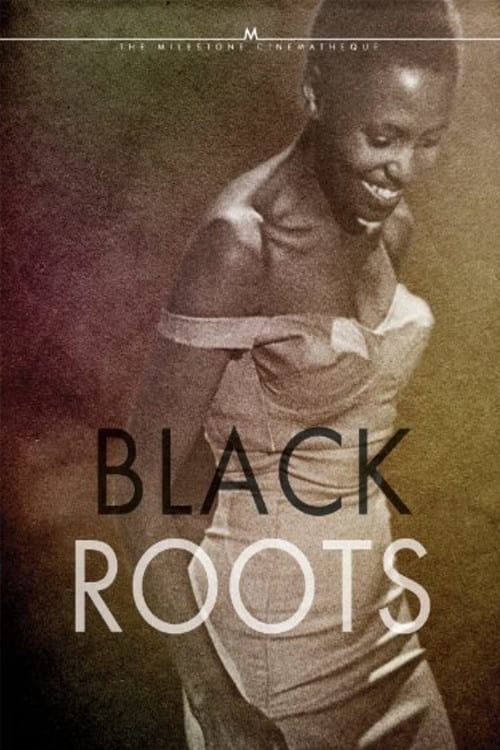
Black Roots is the fourth feature-length film produced and directed by American independent filmmaker Lionel Rogosin. The film gathers a number of African American folk and blues musicians in a room, where they share stories and songs about the black experience in America.