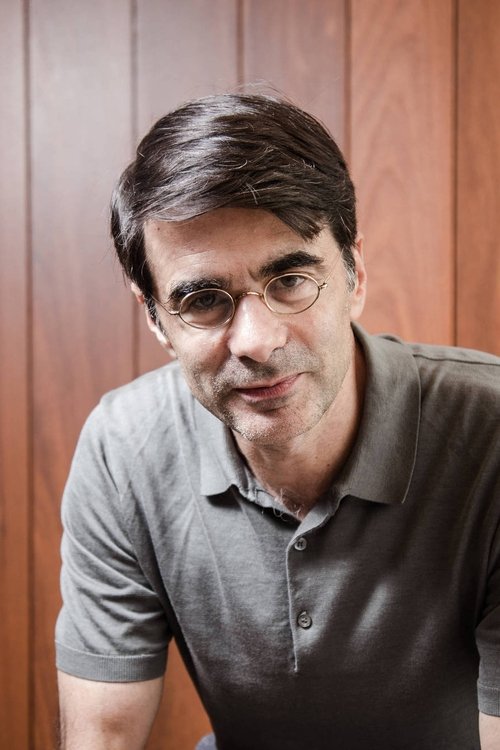
João Moreira Salles
Directing
Biography
João Moreira Salles (Rio de Janeiro, born 1962) is a Brazilian documentarian and president of the Instituto Moreira Salles. In 2006, he founded the magazine Piauí. He has also taught courses on documentary at the Pontifical Catholic University of Rio de Janeiro and Princeton University.
Known For
Seventy critics and filmmakers discuss cinema around the conflict between the artist and the observer, the creator and the critic. Between 1998 and 2007, Kléber Mendonça Filho recorded testimonies about this relationship in Brazil, the United States and Europe, based on his experience as a critic.
Critic
João Moreira Salles' "Nelson Freire" is a film-documentary about the great Brazilian pianist, who is certainly among the five great pianists of the world today. Nelson Freire is a quite discreet / shy person and João Salles respected this feature of his personality. During almost two years he followed the pianist around the world to compose a film, made of 31 thematic sections to cover the many aspects of the life of this genius of the piano.
Nelson Freire
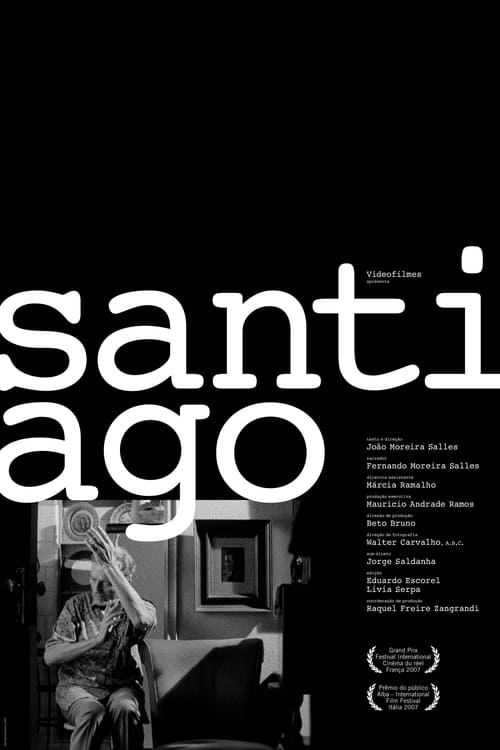
Documentary about Santiago, a peculiar man who used to work for the director and his parents as a butler. The material was filmed in 1992 but, for some strange reason, the director felt he couldn't edit it and put it aside. In 2005 he remembers the unfinished film and starts its edition.
Santiago

A light-hearted and high-spirited story, full of spice, sensuality and romance, Viva Zapato tells the tale of Dolores, a beautiful Cuban dancer who decides to leave her failing marriage and open a restaurant by the beach with her aunt from Brazil. When her aunt sends her a pair of shoes instead of the money to start up the restaurant, she angrily sells the useless gift for spare change. Her dream fades away - until she discovers that the money was hidden in the heel. The zany search for the shoes begins, as she follows the footsteps through the lively streets of Havana, running into the quirky, colorful characters that bring Viva Zapato and Dolores' dream.
Viva Sapato!
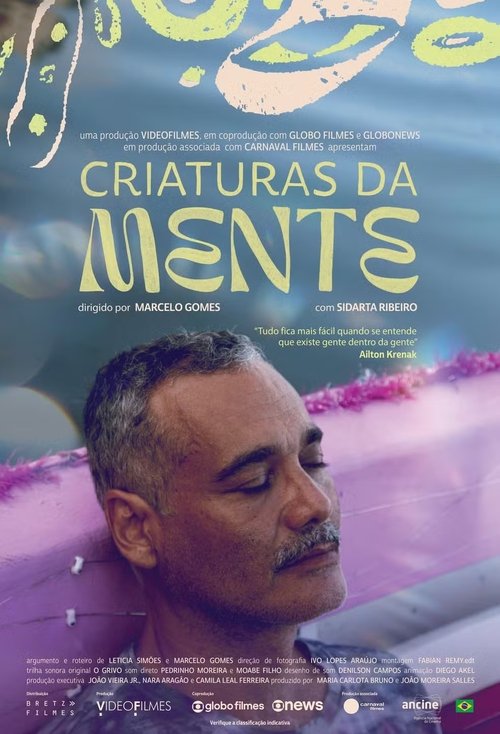
Sidarta Ribeiro, a Brazilian neuroscientist, explores how dreams and other forms of access to the unconscious can transform human experience. In his research, he proposes combining the ancestral knowledge of indigenous peoples and people of African origin in Brazil with scientific knowledge, as well as a scientific reevaluation of experiences with hallucinogens.
Creatures of the Mind
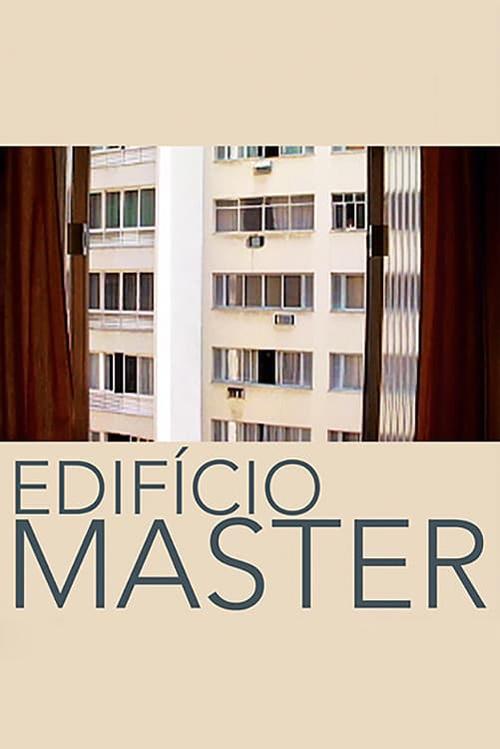
The daily lives and routine of 37 families living in a huge 12-story building in Copacabana, Rio de Janeiro: their drama, aspirations, intimate revelations, loneliness, dreams...
Master, a Building in Copacabana

A documentary about urban violence in Brazil, especially in Rio de Janeiro. Policemen, drug dealers, and shantytown dwellers get trapped in a daily war that knows no winners.
News from a Personal War
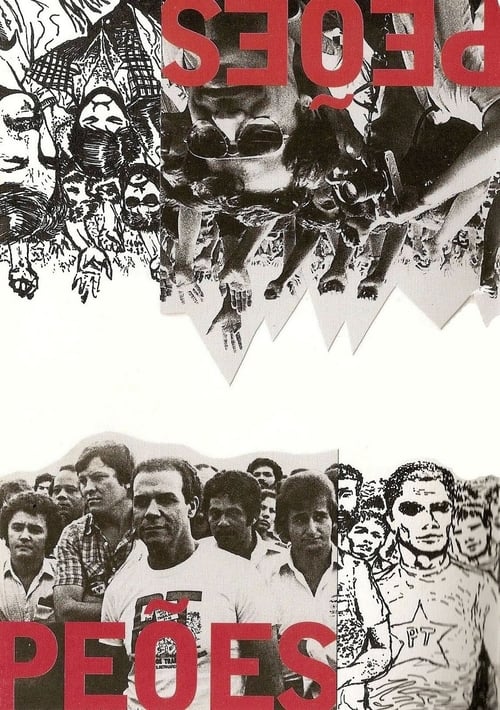
In 1979 and 1980, workers in São Paulo’s metallurgical industry organized a series of strikes that changed the face of union politics in Brazil. In the process, they established the groundwork for Brazil’s Worker’s Party and brought to the national spotlight union leader Luís Inácio Lula da Silva. Metalworkers is a feature-length documentary about the stories of 21 of these workers who took part in these historic strikes but remain in relative anonymity today.
Metalworkers

Following a newspaper ad, ordinary women tell part of their life stories to director Eduardo Coutinho, which are then re-enacted by actresses, blurring the barriers between truth, fiction and interpretation.
Jogo de Cena

In the 1970s, "festivals" were incredibly popular in Brazil, as they were recorded before a live studio audience, and usually featured a number of elimination rounds. They also formed the springboard for the career of many a big-name stars, such as Chico Buarque, Caetano Veloso, Roberto Carlos and Gilberto Gil. Appearing on such a program was no cakewalk, however: audiences could be as wild in their condemnation as in their appreciation of an artist. Extensive archive footage (including performances and behind-the-scenes interviews) from the turbulent final evening of the Festival of Brazilian Popular Music 1967 paints a fascinating picture, not only of the transformation of Brazilian music into real "festival" music, but also of a society starting to buck against the yoke of military rule.
A Night in 67
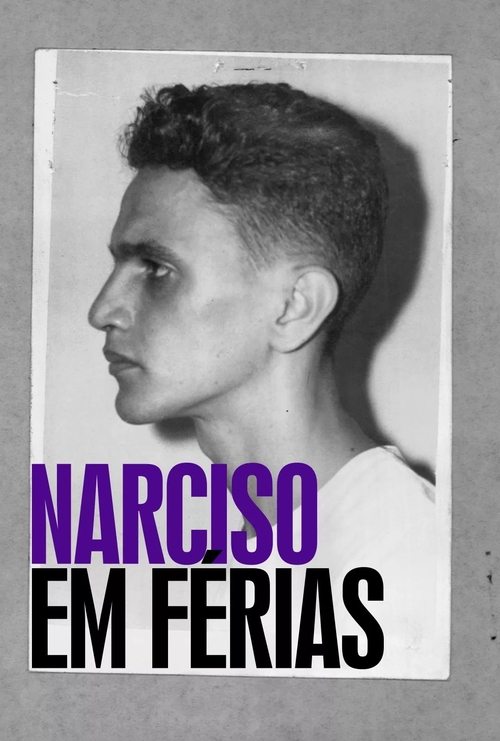
Brazilian singer-songwriter Caetano Veloso reflects on his imprisonment in 1968, during the military dictatorship.
Narcissus Off Duty
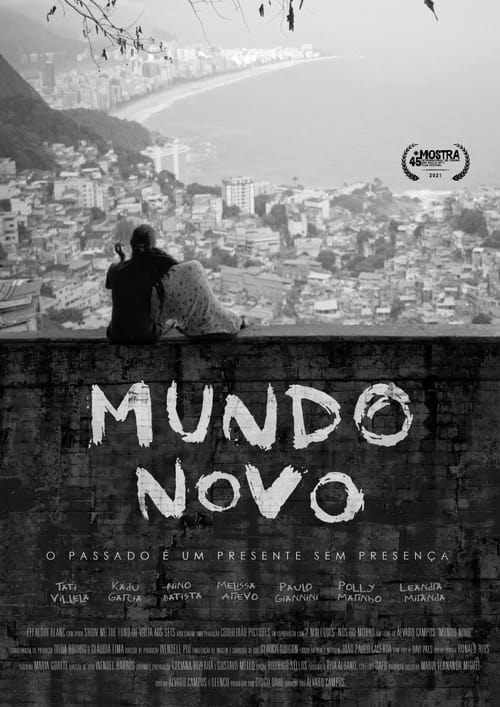
Conceição and Presto, an interracial couple, ask Presto's brother for his signature as a guarantor of the financial request supposed to assure them an apartment in Leblon, the whitest neighborhood in Rio de Janeiro. The process proves to be much harder than they had imagined.
New World
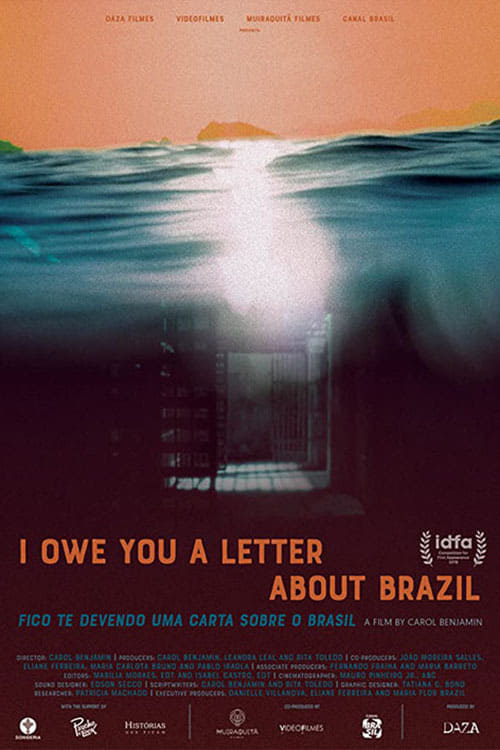
César Benjamin was arrested in August 1971 during student protests against the Brazilian military dictatorship. Although he was a juvenile, he was tried as an adult and sentenced to 13 years in prison. Thanks to the ardent campaigning of his mother Iramaya, working closely together with the Swedish branch of Amnesty International, he was released five years later.
I Owe You a Letter About Brazil
Continuing the exploration of the thin line between truth and performance, Eduardo Coutinho turns his attention to the drama generated during rehearsals for the Galpão Theater Company’s performance of Chekov’s The Three Sisters. As he shoots scenes from the play, Coutinho attempts to capture the very moment in which reality becomes fiction and vice versa—whether through the actors’ bodies and words or in backstage scenes of a performance that will exist only on film.
Moscow
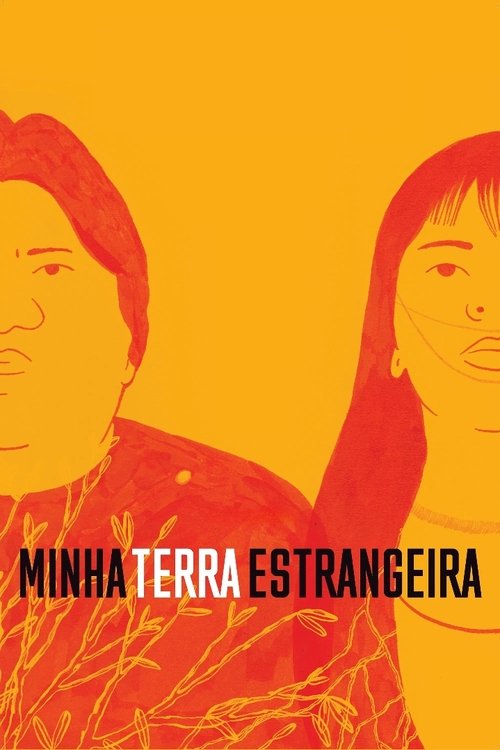
For the Suruí, an indigenous people in western Brazil, there was a lot at stake in the 2022 presidential elections. Under incumbent President Bolsonaro, logging and mining companies were given free rein in their territory. His opponent Lula, on the other hand, pledged to protect the Amazon and uphold Indigenous rights. Tribal leader Almir and his daughter, the young activist Txai Suruí, are each followed during their campaign in the final month before the elections. While Txai travels abroad to raise awareness about the destruction of the rainforest, Almir campaigns across the state of Rondônia, seeking support for his congressional bid.
My Foreign Land
Made from interviews with young Brazilian students by filmmaker Eduardo Coutinho before his death (in February 2014), the film seeks to understand how teenagers think, live and dream nowadays. The footage was edited by Coutinho’s longtime partner, film editor Jordana Berg, and the final cut is signed by João Moreira Salles.
Last Conversations
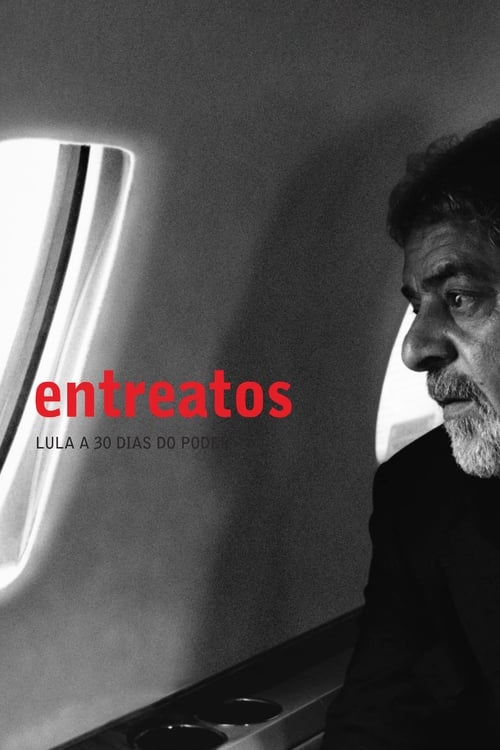
Intermissions follows Lula during the hectic election campaign for the presidency in 2002. Lula gave filmmaker João Moreira Salles and his crew complete access, and the result is an intimate documentary of what went on behind the scenes. Sometimes, Lula is afraid that he will lose his freedom as president. Combined with Lula's candor, the film's observational style provides some very special insight into one of Brazil's most popular leaders.
Intermissions
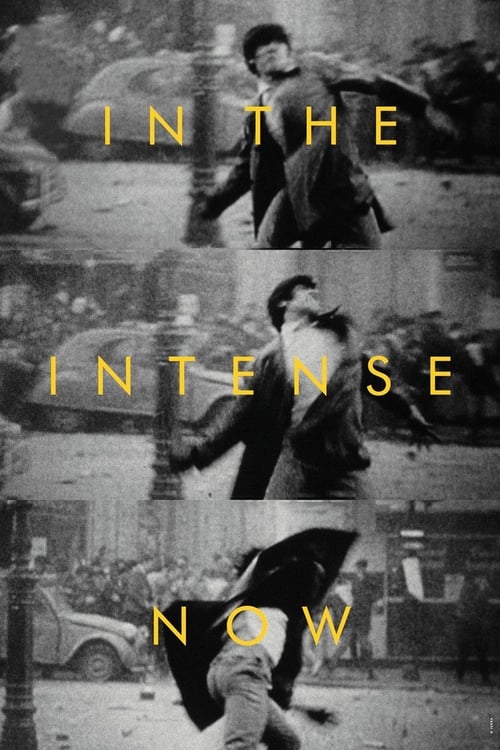
A personal essay which analyses and compares images of the political upheavals of the 1960s. From the military coup in Brazil to China's Cultural Revolution, from the student uprisings in Paris to the end of the Prague Spring.
In the Intense Now

A three-part documentary about Brazilian soccer—from the players who reach the top to those who don't make it there.
Futebol
A portrait of conteporary China from Tai-chi-chuan to chinese arts.