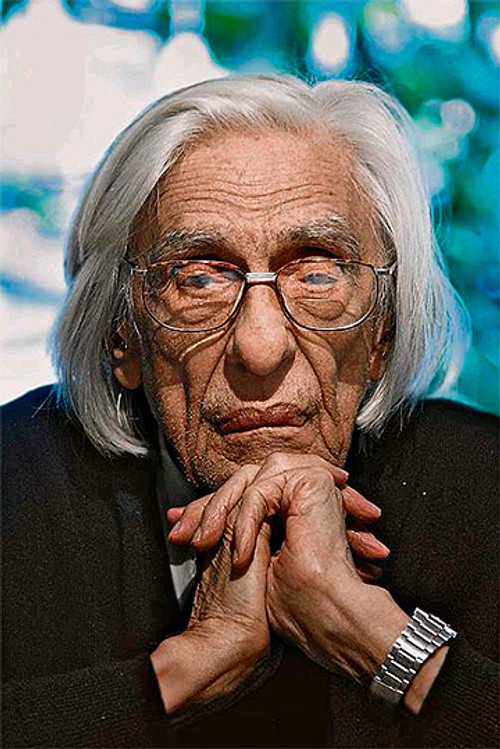
Ferreira Gullar
Acting
Biography
Ferreira Gullar, pseudonym of José Ribamar Ferreira (São Luís, September 10, 1930 – Rio de Janeiro, December 4, 2016), was a Brazilian writer, poet, art critic, biographer, translator, memoirist and essayist and one of the founders of neoconcretism. He was the candidate for chair 37 of the Brazilian Academy of Letters, in the vacancy left by Ivan Junqueira, of which he took office on December 5, 2014.
Known For

No description available.
Araponga

Dias Gomes and Marcílio Moraes' version of the soap opera of the same name by Janete Clair shown in 1970, Irmãos Coragem features as central characters João, Jerônimo and Duda, three brothers who threaten the dominance of the powerful farmer Pedro Barros, the highest authority in the fictional Coroado, in the interior of Minas Gerais, where the story is set.
Irmãos Coragem

No description available.
Carga Pesada

No description available.
O Fim do Mundo

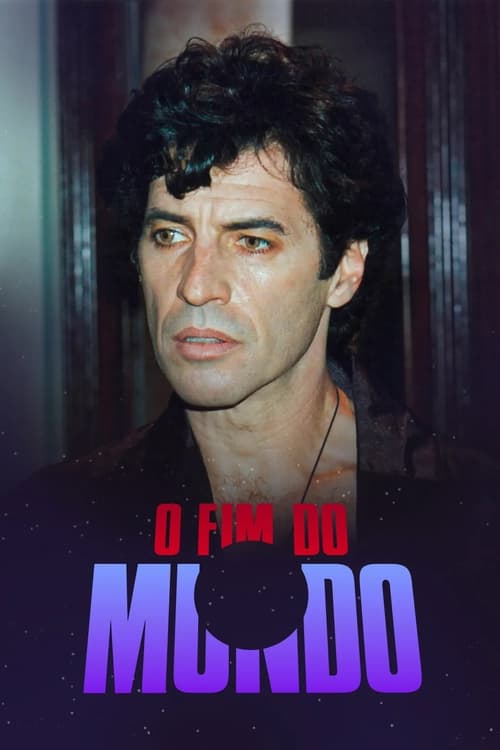
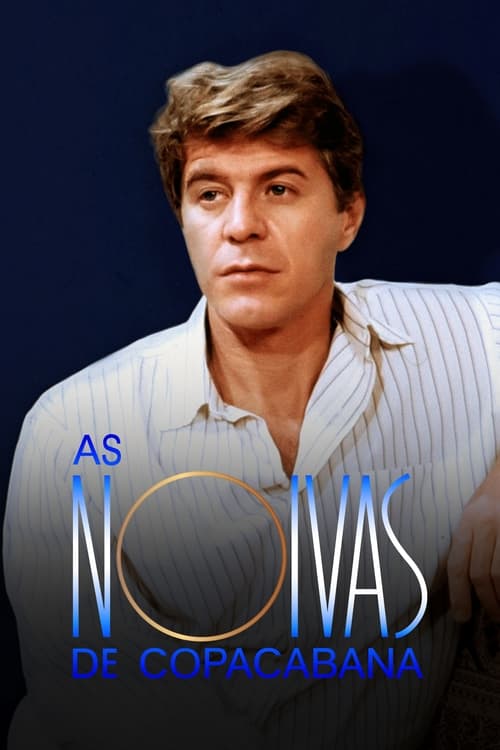
Donato Menezes, a renowned art restorer from Copacabana is also a serial killer obsessed with women in their bridal gowns. His crimes follows the same pattern: he seduces and then kills the victim during the sexual act, always when they're wearing the gown.
As Noivas de Copacabana

No description available.
Obrigado, Doutor

New York, 2010. Jeff Harris, a music journalist, sets out to uncover the truth about Francisco Tenório Júnior, a young Brazilian samba-jazz pianist who disappeared in Buenos Aires on March 18, 1976.
They Shot the Piano Player

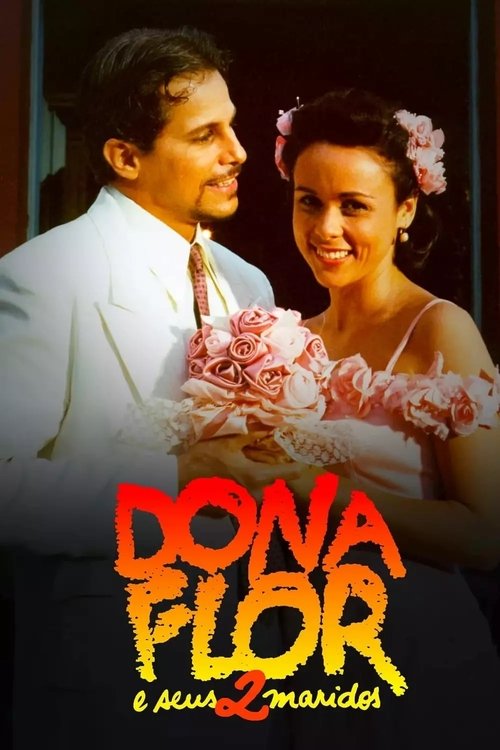
Florípedes, Dona Flor, a cooking teacher, loses her husband Vadinho, an incorrigible trickster, on Carnival Sunday. In deep mourning, tearful, she recalls the ups and downs of that relationship. But, as she is still young and beautiful, she attracts the attention of the very correct pharmacist Teodoro, with whom she marries.
Dona Flor e Seus 2 Maridos

The beautiful Flor marries Vadinho -- and soon finds out he's spending all their money on gambles and has mistresses all over the city. Vadinho suddenly dies while partying during Carnival, and Flor, left helpless and full of debts, ends up marrying Teodoro, who's the exact opposite of her late husband.
Dona Flor e Seus 2 Maridos - O Filme

Adaptation of the series shown in 1992. A sequence of crimes in the same style intrigue: a man walks with a woman on the beach; she dresses as a bride and is brutally strangled in the middle of the act of love. To prove the authorship of the crimes is the great challenge of detective França.
Luz, Câmera, 50 Anos: As Noivas de Copacabana - O Filme

Follows the story of Opinião, a theatre group created in 1964 during the early Brazilian dictatorship period to oppose the government through artistic performances. Considered the first left-wing response to the dictatorship, the group gathered now famous Brazilian artists such as Nara Leão, Maria Bethânia, João do Vale and Millôr Fernandes.
Memórias do Grupo Opinião

Armando Costa was one of Brazil's most successful authors, both in terms of audience and critical acclaim, responsible for shows like "A Grande Família" and "Malu Mulher." Despite this, he didn't care about fame or signing his works.
Armando Costa: “Televisão pra Mim Não é Bico”

Documentary about Brazilian filmmaker Glauber Rocha, one of the most important names in the Cinema Novo, with interviews with some of his friends and colleagues.
Glauber Rocha - The Movie, Brazil's Labyrinth

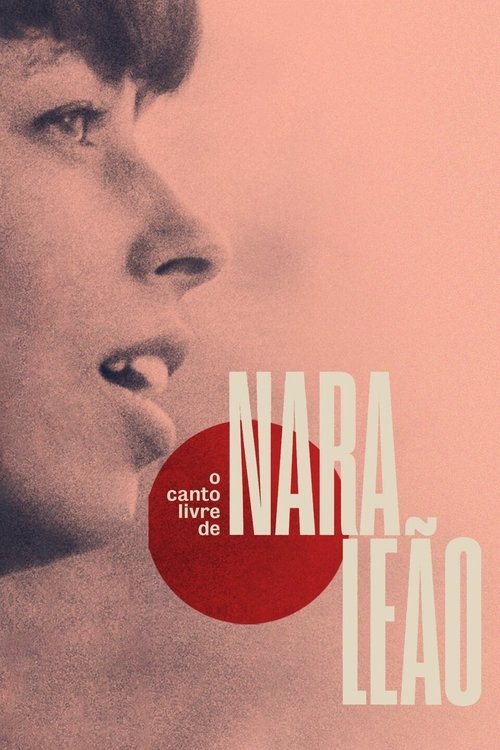
Nara Leão revolutionized Brazilian music, broke prejudices, confronted the military dictatorship, opened paths for women. All this without changing the tone of her voice.
O Canto Livre de Nara Leão

A documentary made to coincide with Niemeyer's 100th birthday. The renowned architect talks about his long life, his inspirations, and his aspirations towards a just Brazil, and the ways he tried to help that along in his spectacular and beautiful buildings.
Oscar Niemeyer: Life is a Breath of Air

To celebrate the life and the work of a multifaceted creator – playwright, poet, partner of the most important names of Brazilian pop music and, above all, an enlightened character of the Brazilian cultural history - director Miguel Faria Jr. gathered an incomparable cast of partners, singers, friends and rare images from the archives recalling Vinícius’ genial simplicity, with the spontaneity, the humor, and the freedom of a person chatting over a bar table, exactly how the eternal Vinícius would enjoy.
Vinicius de Moraes

Eduardo Coutinho was filming a movie with the same name in the Northeast of Brazil, in 1964, when there came the military coup. He had to interrupt the project, and came back to it in 1981, looking for the same places and people, showing what had ocurred since then, and trying to gather a family whose patriarch, a political leader fighting for rights of country people, had been murdered.
Twenty Years Later

In 1967, de Andrade was invited by the Italian company Olivetti to produce a documentary on the new Brazilian capital city of Brasília. Constructed during the latter half of the 1950s and founded in 1960, the city was part of an effort to populate Brazil’s vast interior region and was to be the embodiment of democratic urban planning, free from the class divisions and inequalities that characterize so many metropolises. Unsurprisingly, Brasília, Contradições de uma Cidade Nova (Brasília, Contradictions of a New City, 1968) revealed Brasília to be utopic only for the wealthy, replicating the same social problems present in every Brazilian city. (Senses of Cinema)
Brasilia, Contradictions of a New City

Jorge, an ambitious journalist, marries into money and betrays colleagues to become a powerful politician during political turmoil in 1946 Brazil.
The Heirs

The intense life of Ferreira Gullar, one of the most influential poets in Brazil, is revisited by his personal friend Silvio Tendler, based on his most acclaimed work: Poema Sujo. In addition to addressing other poems by Gullar, the documentary also includes the testimony of people who lived directly with the artist's work.