Eduardo Coutinho
Directing
Biography
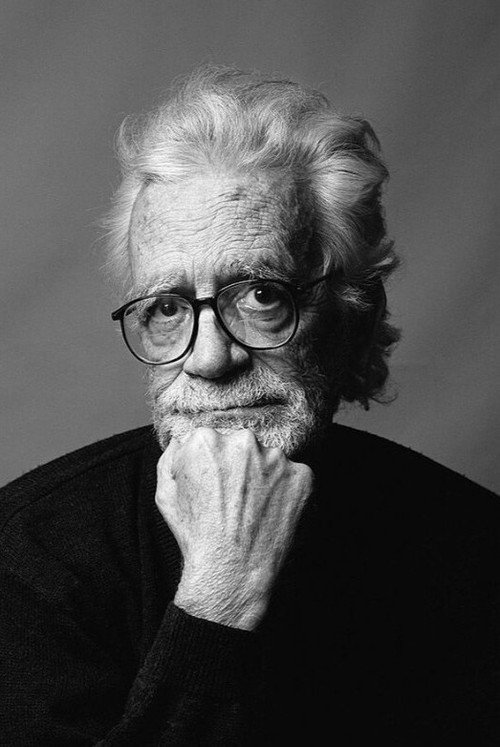
Eduardo de Oliveira Coutinho OMC (São Paulo, May 11, 1933 — Rio de Janeiro, February 2, 2014) was a Brazilian filmmaker and journalist. He is considered by many to be the greatest documentary filmmaker in the history of Brazilian cinema. His brand was to make films that privileged the stories of ordinary people. His masterpiece is Cabra Marcado para Morrer, which marked his career as Brazil's leading documentary filmmaker. Among other notable works of his career are the documentaries Santo Forte, Edifício Master, Peões, Jogo de Cena and As Canções.
Known For

No description available.
Destiny River

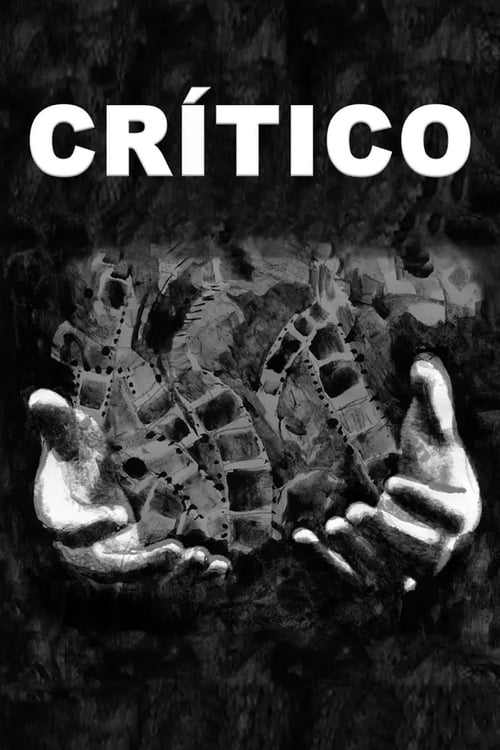
Seventy critics and filmmakers discuss cinema around the conflict between the artist and the observer, the creator and the critic. Between 1998 and 2007, Kléber Mendonça Filho recorded testimonies about this relationship in Brazil, the United States and Europe, based on his experience as a critic.
Critic

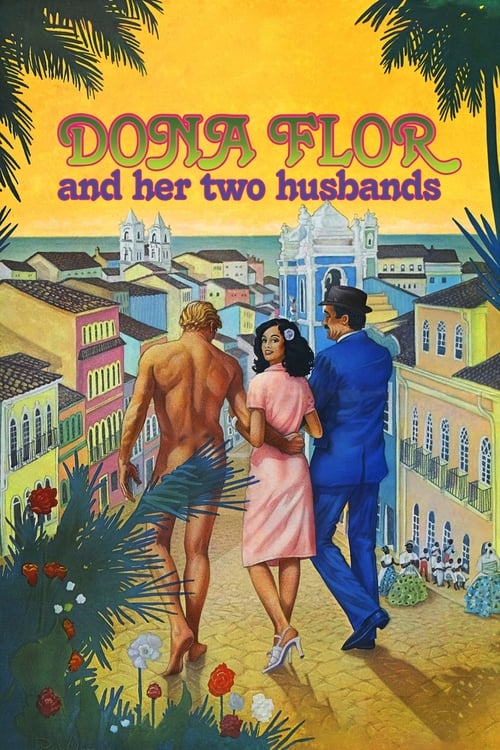
After the death of her handsome but good-for-nothing husband Vadinho, Flor, a widow, marries Dr. Teodoro, a respectable gentleman. Hilarity ensues when Vadinho's spirit returns into her life.
Dona Flor and Her Two Husbands

In a fictitious country, a civil servant receives the greatest inheritance in history (ten trillion dollars) and is confined by authorities to prevent a collapse of the world economy. But he manages to escape.
The Man Who Bought the World

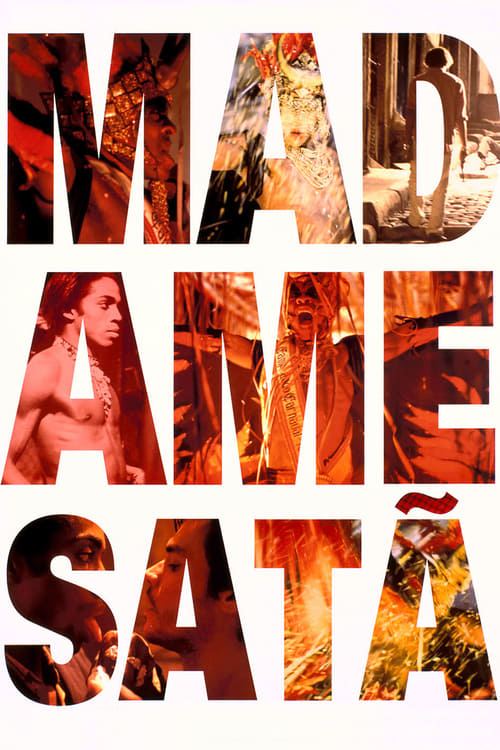
In the favelas of Rio de Janeiro of the 1930s, João Francisco dos Santos is several things — son of slaves, ex-convict, thug, homosexual and adopted father for a number of pariahs. João expresses himself on the stage of a cabaret as Madame Satã.
Madame Satã

After visiting a fortune teller, Zulmira is informed that a blonde woman will threaten her peace. After talking to her husband Toninho, she suspects that her cousin Glorinha may be that blonde.
The Deceased

Documentary that addresses, through the testimony of directors and actors, the work of Dib Lutfi, considered one of the greatest photographers of Brazilian cinema.
Dib

Chronicles the life of a 17 year-old girl living in the upper-class Rio de Janeiro neighbourhood of Ipanema. Márcia lives a life of parties and spend her days among bohemians, musicians and intellectuals. While seeming happy in the outside, she's extremely anguished inside. Based on the famous song by Antonio Carlos Jobim and Vinicius de Moraes.
The Girl from Ipanema

Following a newspaper ad, ordinary women tell part of their life stories to director Eduardo Coutinho, which are then re-enacted by actresses, blurring the barriers between truth, fiction and interpretation.
Jogo de Cena

A German governess is hired to give German and piano lessons to the teenager son of a rich traditional family, in the 20s. But soon they get involved, and she teaches him love lessons instead.
Love Lesson

Eduardo Coutinho was filming a movie with the same name in the Northeast of Brazil, in 1964, when there came the military coup. He had to interrupt the project, and came back to it in 1981, looking for the same places and people, showing what had ocurred since then, and trying to gather a family whose patriarch, a political leader fighting for rights of country people, had been murdered.
Twenty Years Later

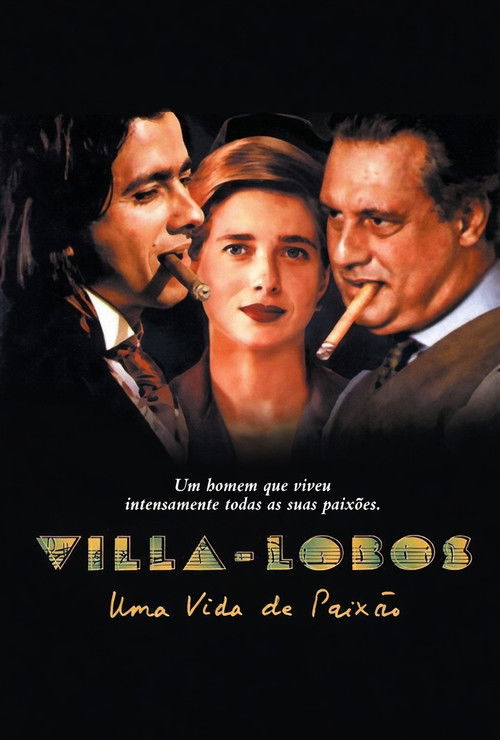
The film tells the story of an intuitive, adventurous man who loved his country and being Brazilian. This man fought to be loyal to himself. His music is a transparent portrait of his genius, intuition, freedom, adventure and passion for Brazil.
Villa-Lobos: A Life of Passion

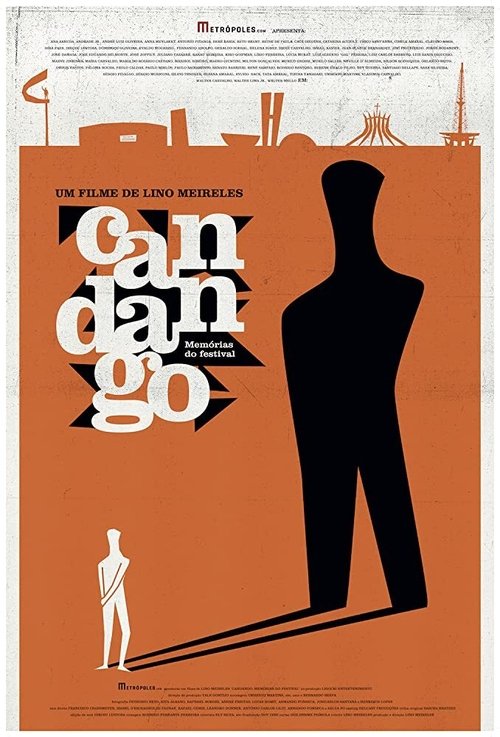
In 1965, a year after the military coup in Brazil, an oasis of freedom opened in the country's capital. The Brasília Film Festival: a landmark of cultural and political resistance. Its story is that of Brazilian cinema itself.
Candango: Memoirs from a Festival

The documentary tracks 19 hours of broadcasting from several brazilian TV channels making live surfing between channels. The result was edited latter.
A Day in the Life

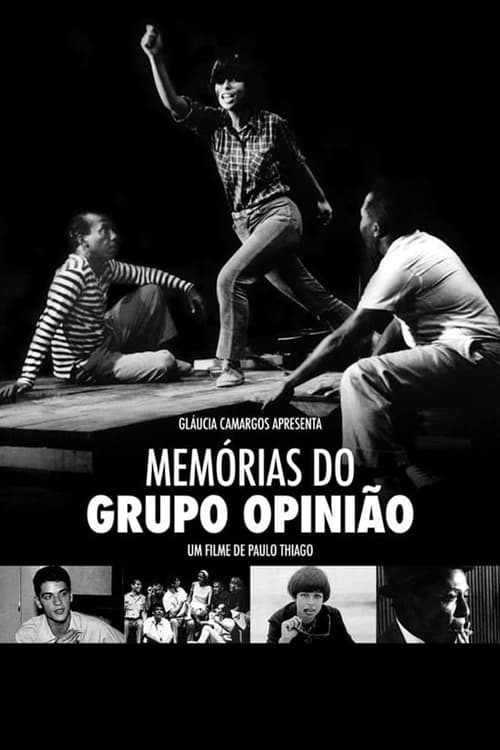
Follows the story of Opinião, a theatre group created in 1964 during the early Brazilian dictatorship period to oppose the government through artistic performances. Considered the first left-wing response to the dictatorship, the group gathered now famous Brazilian artists such as Nara Leão, Maria Bethânia, João do Vale and Millôr Fernandes.
Memórias do Grupo Opinião

Film that includes three short films by different authors about love: "O pacto" by Eduardo Coutinho, "Terrible Night" by Rodolfo Kuhn, and "Magic World" by Helvio Soto.
The ABC of Love

A conversation with Brazilian documentary filmmaker Eduardo Coutinho about his work and methods.
Eduardo Coutinho, 7 de outubro

A military man picks up a Native Brazilian woman and heads to a gold panning site where he has undisclosed business to attend to.
Índia, a Filha do Sol

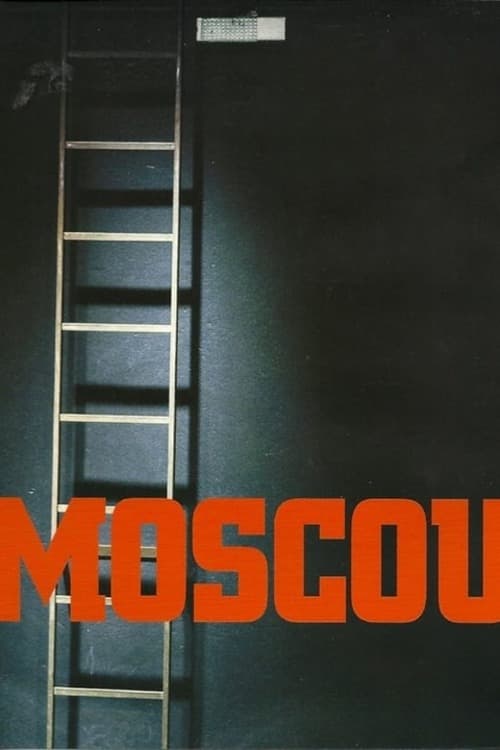
Continuing the exploration of the thin line between truth and performance, Eduardo Coutinho turns his attention to the drama generated during rehearsals for the Galpão Theater Company’s performance of Chekov’s The Three Sisters. As he shoots scenes from the play, Coutinho attempts to capture the very moment in which reality becomes fiction and vice versa—whether through the actors’ bodies and words or in backstage scenes of a performance that will exist only on film.
Moscow

The daily lives and routine of 37 families living in a huge 12-story building in Copacabana, Rio de Janeiro: their drama, aspirations, intimate revelations, loneliness, dreams...