Dimitris Papamichael
Acting
Biography
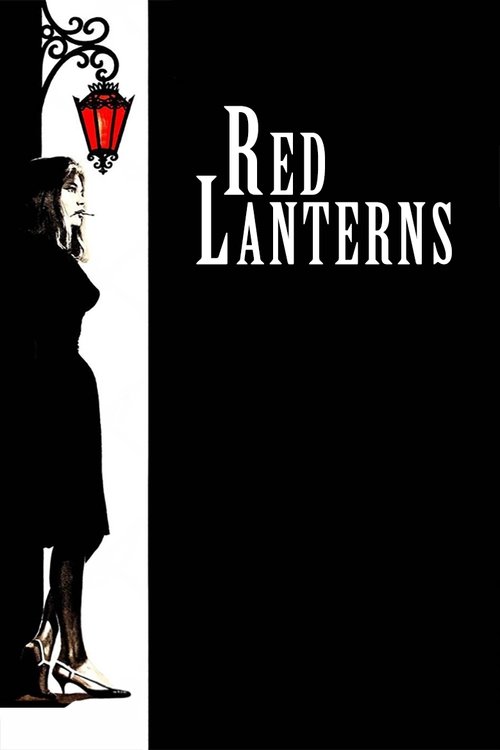
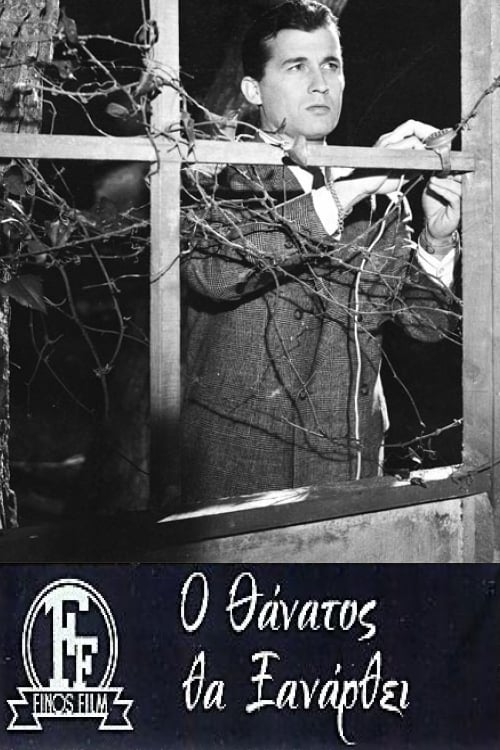
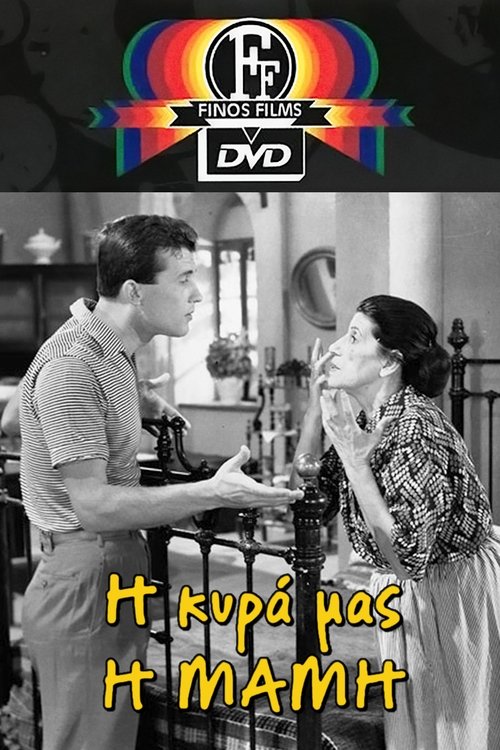
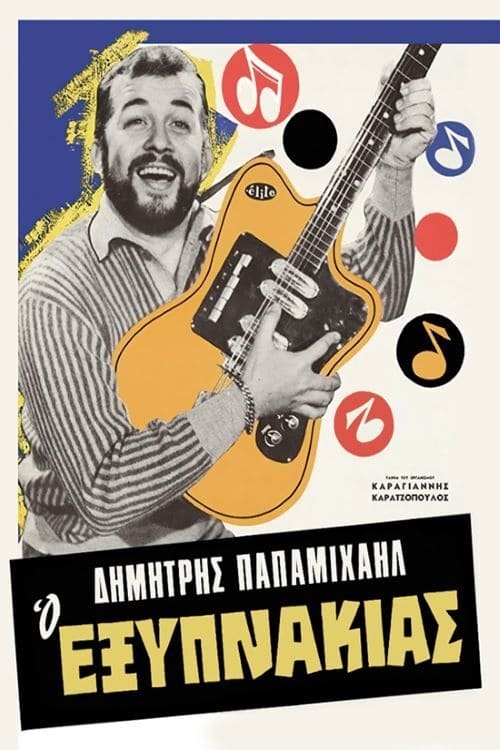
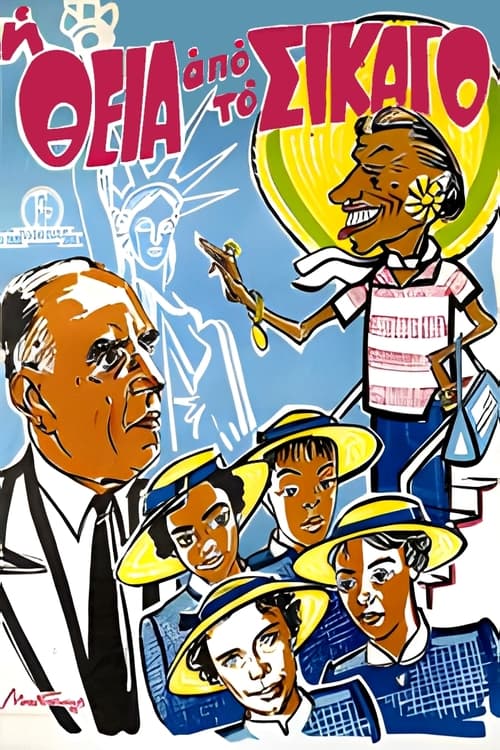
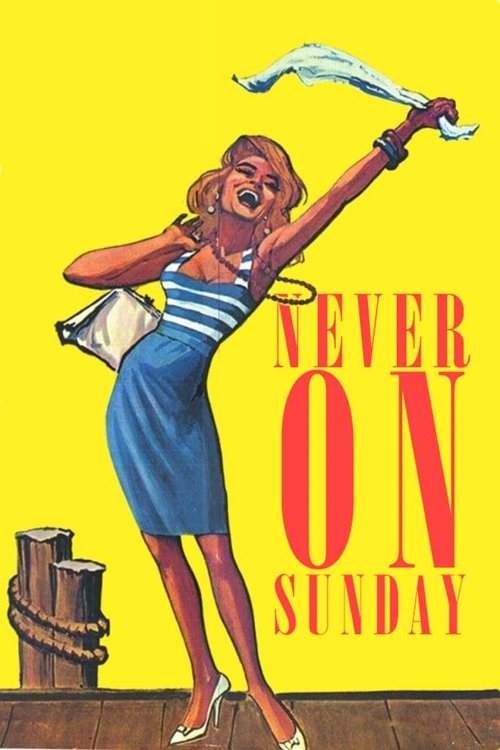
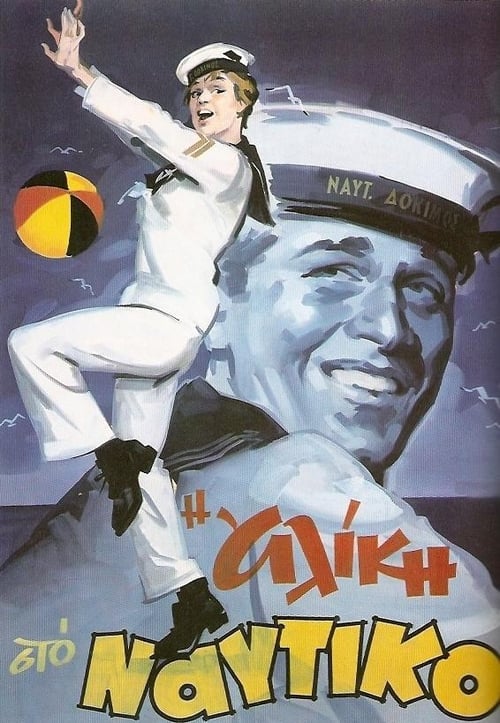
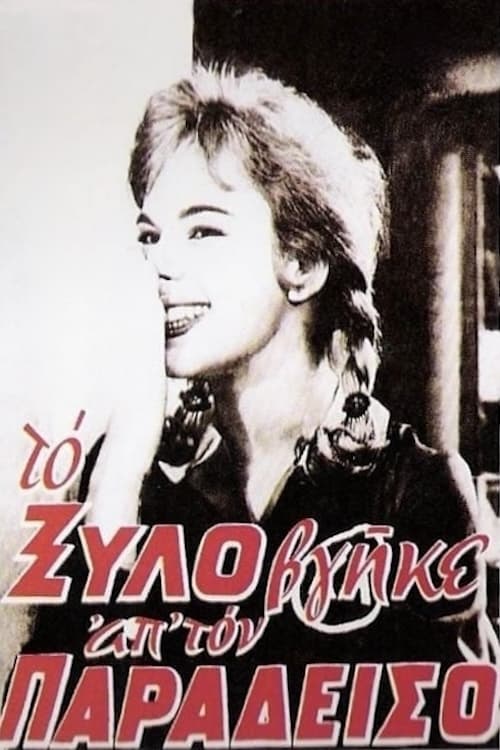
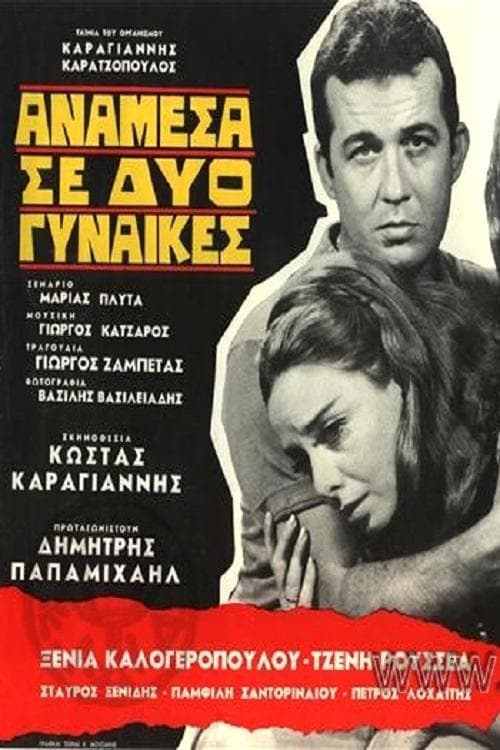
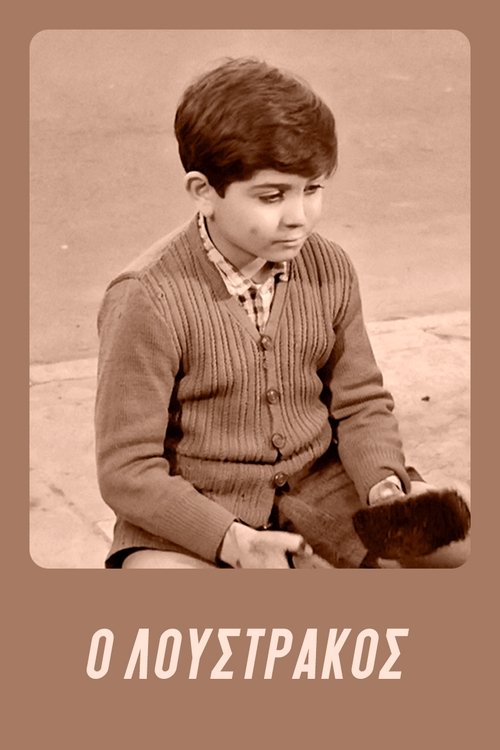
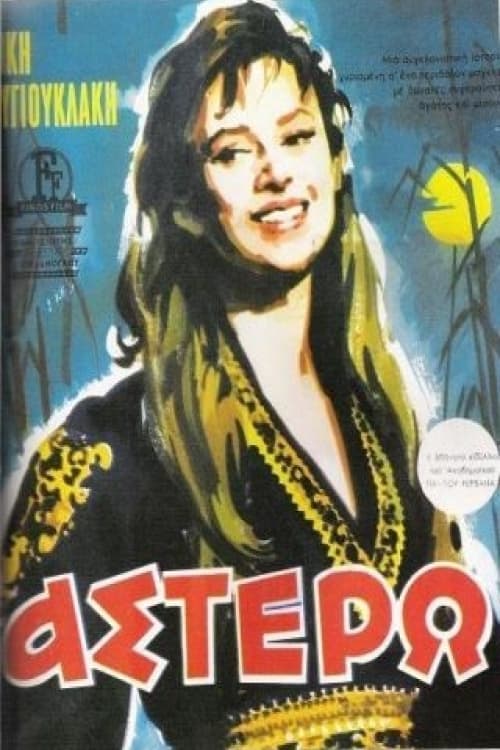
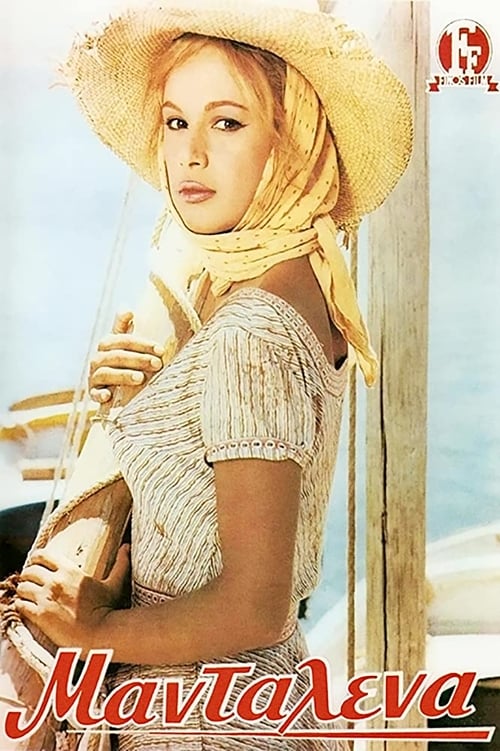
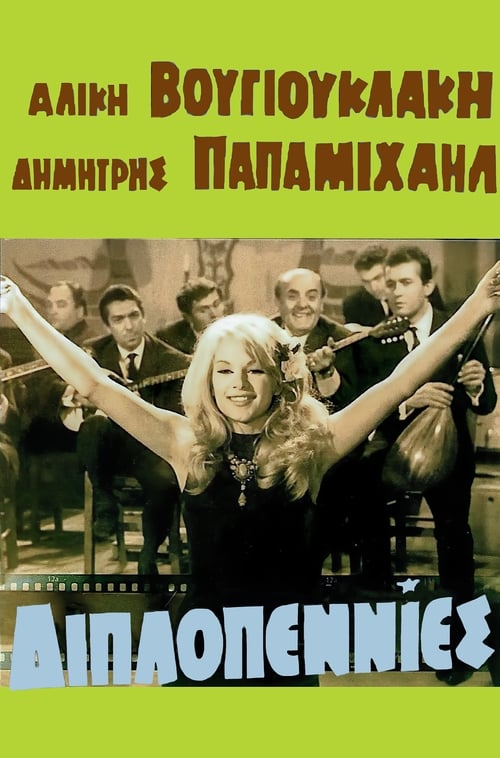
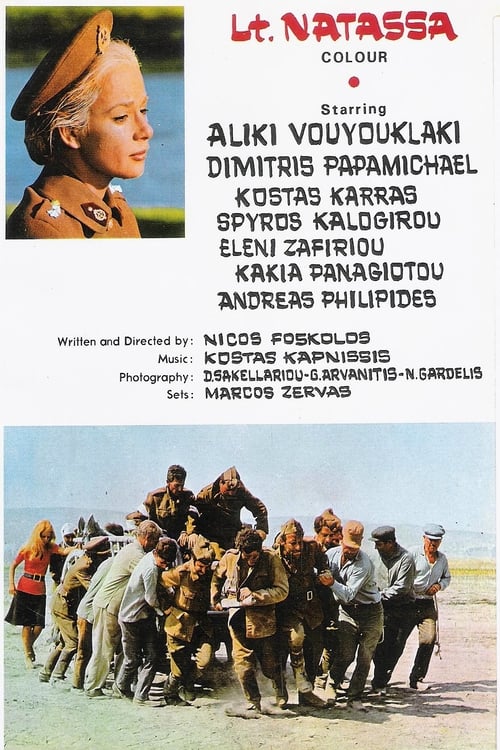
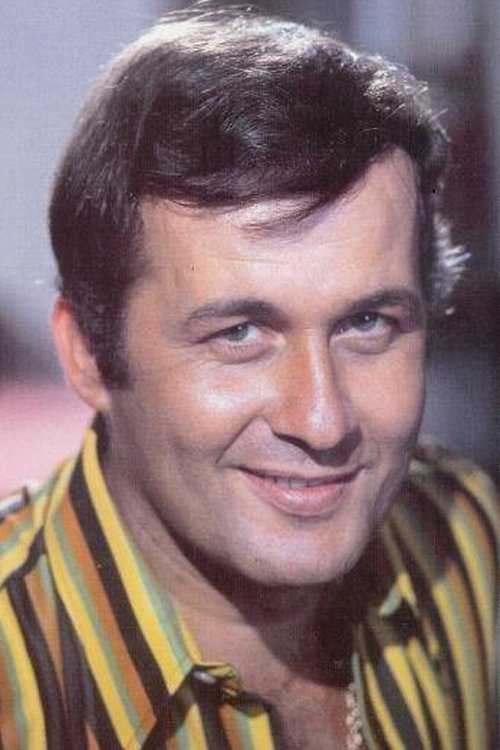
Dimitris Papamichael (Greek: Δημήτρης Παπαμιχαήλ 1934–2004) was a popular Greek actor and director. In 1965, he married Aliki Vougiouklaki, the so-called "national star" of Greece. The star couple remained married for a decade, co-starring in several films that marked the "golden era" of Greek cinema. Dimitris Papamichael's film debut was in 1956 in the (color) "Agapetikos tis Voskopoulas" by Elias Paraskevas. The very next year he made his first appearance in a Finos Film film with a small role in "Theia apo to Chicago" by Alekos Sakellarios and later in "I Kyra mas i Mammi" (1958) he met again Alekos Sakellarios, Orestis Makris and Georgia Vasiliadou. However, as he himself said, his first substantial film was "Teletaio Psemma" (1958) by Michalis Cacogiannis, also for Finos Film. Filopoimenas Finos was the one who would “pair” Dimitris Papamichael with Aliki Vougiouklaki in the cinema, choosing them to play together in “Astero” (1959). The couple became established in the public consciousness as commercial successes followed one another: “The Wood Came Out of Paradise” (1959) by Alekos Sakellarios, “Mantalena” (1960) by Dinos Dimopoulos and of course “Alice in the Navy” (1961) by Alekos Sakellarios. During the same period, Dimitris Papamichael starred in the films "Never on Sunday" (1960) and "Phaedra" (1961) under the directorial guidance of Gilles Dassin. He also tries his hand without Aliki in interesting productions such as "Lost Dreams" (co-produced by Finos Film with Damaskinos-Michaelidis, 1961), "Company of Miracles" (1962), "The Loustrakos" (1962), "Don't Fall in Love on Saturday (Kronos Film, 1962)", "The Red Lanterns" (Damaskinos-Michaelidis, 1963) but also in the film noir "Death Will Rise Again" (Finos Film, 1962) with the role of the demonic detective that clearly demonstrates the breadth of his acting range. The Dimitris-Aliki duo proves to be a guarantee of commercial success for the producers, while at the same time they become a couple in the theater and in life. They filmed together for Damaskinos-Michailidis the films "Heartbeats at the Desk" (1963), "Modern Cinderella" (1965), "My Daughter the Socialist" (1966), "Diplopenies" (1966), "The Brightest Star" (1967), "Ah This Woman of Mine" (1967) and for Karagiannis-Karatzopoulos the "Luna Park Girl" (1968), "Our Love" (1968). Gradually, Dimitris Papamichael leaves behind the type of handsome, elegant and kind-hearted young man, and chooses more "popular" roles, often utilizing his vocal and dancing abilities. The couple returned to Finos Film in 1968 with great successes such as "The Lady and the Tramp" (1968), "The Teacher with the Golden Hair" (1968), "The Fairy and the Boy" (1969) and of course with the legendary "Lieutenant Natasha" (1970). His performance in the film "Papaflessas" (1971) by Errikos Andreou is considered one of his top film works and is one of the roles that stood out to him. In 1974 he closed his cycle at Finos Film with "Dream Lovers" by Yannis Dalianidis with partner Zoe Laskari, and decided to devote himself to theater. However, in 1978 he could not refuse the offer of Gilles Dassin for a role in "The Cry of Women", while after two indifferent roles ("Wild Hens" and "Second Class Citizens") he closed his film career in 1996 with the film "Towards Freedom" by Haris Papadopoulos alongside Mary Chronopoulou. (Source: Wikipedia)