
Colleen Moore
Acting
Biography
Colleen Moore (born Kathleen Morrison, August 19, 1899 – January 25, 1988) was an American film actress who began her career during the silent film era. Moore became one of the most fashionable and highly-paid stars of the era and helped popularize the bobbed haircut. A huge star in her day, approximately half of Moore's films are now considered lost, including her first talking picture from 1929. What was perhaps her most celebrated film during her lifetime, Flaming Youth (1923), is now mostly lost as well, with only one reel surviving. Moore took a brief hiatus from acting between 1929 and 1933, just as sound was being added to motion pictures. After the hiatus, her four sound pictures released in 1933 and 1934 were not financial successes. Moore then retired permanently from screen acting.
Known For

In 1973 the American Film Institute initiated its Life Achievement Award, to be presented to a yearly recipient whose talent has fundamentally advanced the film art; whose accomplishments have been acknowledged by scholars, critics, professional peers and the general public; and whose work has stood the test of time.
The American Film Institute Salute to ...

A 1980 documentary series exploring the establishment and development of the Hollywood studios and its impact on 1920s culture.
Hollywood
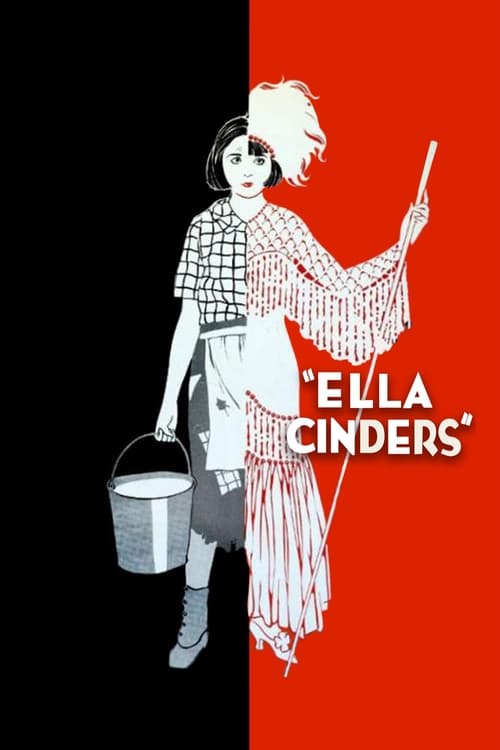
Poor Ella Cinders is much abused by her evil step-mother and step-sisters. When she wins a local beauty contest she jumps at the chance to get out of her dead-end life and go to Hollywood, where she is promised a job in the movies. When she arrives in Hollywood, she discovers that the contest was a scam and the job non-existent. But through pluck, luck, and talent, she makes it in the movies anyway, and finds true love.
Ella Cinders

After graduating from a fashionable finishing school and touring Europe with her father, Selina Peake returns to the United States, where her father is accidentally killed after losing his fortune in a gambling den. Selina is reduced to teaching in a high school in the Dutch community at High Prarie near Chicago. She boards in the farmhouse of Klass Poole, a dull-witted market gardener, and finally marries Pervus DeJong, a poor and backward farmer. She shares the drudgery of her husband's futile life and finds happiness only in their small son, Dirk, whom she calls "So-Big."
So Big
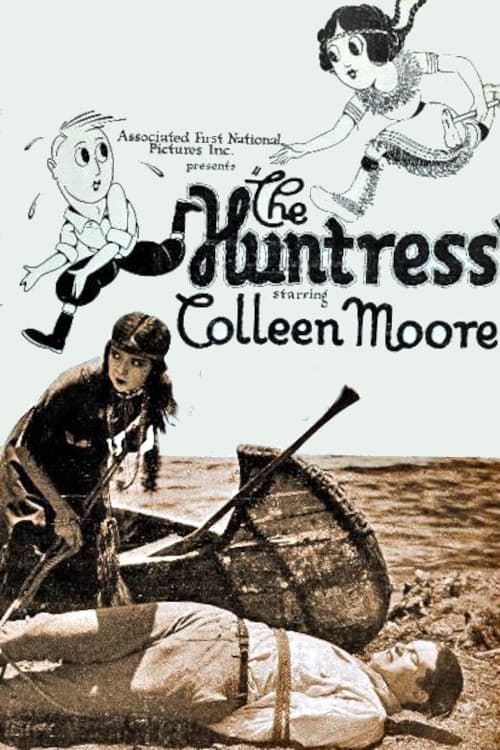
Bela, reared by Indians, learns that she is a white orphan and runs away from the Indian village to avoid marrying a brave from the tribe. She determines to marry land prospector Sam Gladding, who resists her advances but later falls in love with Bela when an Indian sage gives him some advice.
The Huntress

On the eve of her wedding Lady Kay Rutfield runs off aboard her sloop. A storm carries her out to sea and she is rescued by a passing rumrunner bound for the Long Island Sound. Once they arrive in the States, Kay makes her escape and hides in the deserted mansion of Jimmy Winter. Jimmy is due to marry the following day. He comes home to the mansion unexpectedly, and finds Kay, who persuades him to let her pose for a night as his wife.
Oh Kay!
Russian Paval Pavlovitch is married to an American woman when a decree is handed down that nationalizes women between the ages of seventeen and thirty-five as common property of the state for the use of its citizens. Passports are refused for Pavlovitch's family. His old servant takes out a certificate claiming Pavlovitch's wife Anna, and the son of the village priest claims Pavlovitch's daughter. Matters appear bleak for the Pavlovitch family, but a troop of American cavalry arrives and battles the Russian mob in the streets of Saratov.
Common Property
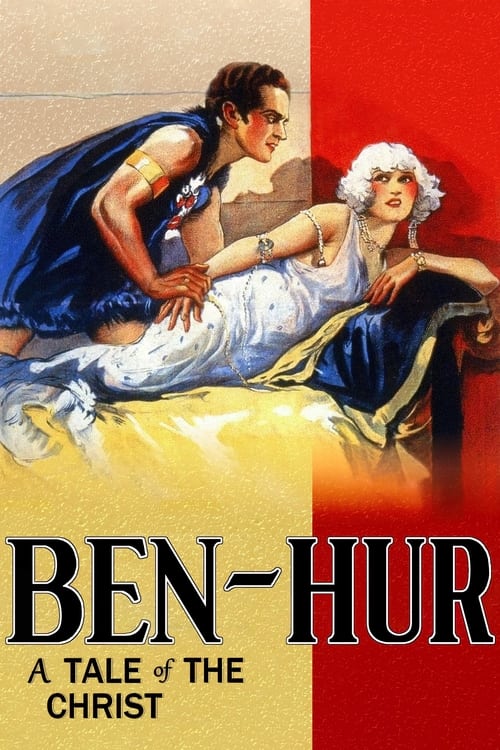
Erstwhile childhood friends, Judah Ben-Hur and Messala meet again as adults, this time with Roman officer Messala as conqueror and Judah as a wealthy, though conquered, Israelite. A slip of a brick during a Roman parade causes Judah to be sent off as a galley slave, his property confiscated and his mother and sister imprisoned. Years later, as a result of his determination to stay alive and his willingness to aid his Roman master, Judah returns to his homeland an exalted and wealthy Roman athlete. Unable to find his mother and sister, and believing them dead, he can think of nothing else than revenge against Messala.
Ben-Hur: A Tale of the Christ

Happiness Ahead is a persumed lost 1928 silent film drama directed by William A. Seiter and starring Colleen Moore and then husband and wife Edmund Lowe and Lilyan Tashman.
Happiness Ahead

Dinty is a newsboy whose fight to care for his ailing mother leads him into conflicts with the other boys on the street and then with drug smugglers in Chinatown.
Dinty
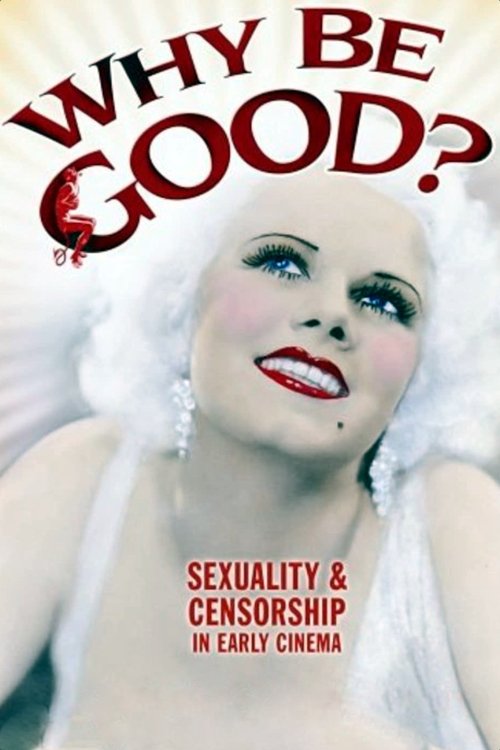
Before the G, PG and R ratings system there was the Production Code, and before that there was, well, nothing. This eye-opening documentary examines the rampant sexuality of early Hollywood through movie clips and reminiscences by stars of the era. Gloria Swanson, Mary Pickford, Marlene Dietrich and others relate tales of the artistic freedom that led to the draconian Production Code, which governed content from 1934 to 1968. Diane Lane narrates.
Why Be Good?: Sexuality & Censorship in Early Cinema
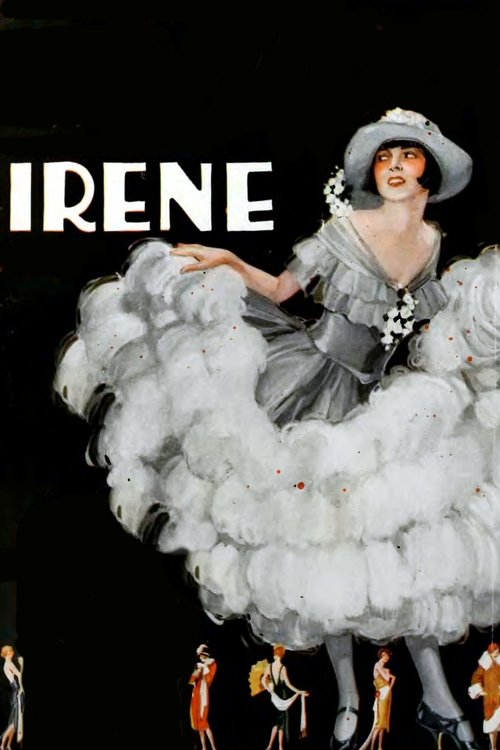
Irene, a feisty Irish girl in Philadelphia, clashes with her family and walks out, heading to New York City to seek fame and fortune. She gets a job as a dressmaker's model and becomes involved with Donald, the scion of a wealthy family. Donald's mother doesn't approve of Irene and sets out to discredit her in Donald's eyes.
Irene

Among the pieces featured in Fragments are the final reel of John Ford's The Village Blacksmith (1922) and a glimpse at Emil Jannings in The Way of All Flesh (1927), the only Oscar®-winning performance in a lost film. Fragments also features clips from such lost films as Cleopatra (1917), starring Theda Bara; The Miracle Man (1919), with Lon Chaney; He Comes Up Smiling (1918), starring Douglas Fairbanks; an early lost sound film, Gold Diggers of Broadway (1929), filmed in early Technicolor, and the only color footage of silent star Clara Bow, Red Hair (1928). The program is rounded out with interviews of film preservationists involved in identifying and restoring these films. Also featured is a new interview with Diana Serra Cary, best known as "Baby Peggy", one of the major American child stars of the silent era, who discusses one of the featured fragments, Darling of New York (1923).
Fragments: Surviving Pieces of Lost Films

In France during World War I, a charming farm girl keeps a squadron of English pilots in good spirits as best as she can. She falls for a handsome newcomer who is already engaged.
Lilac Time
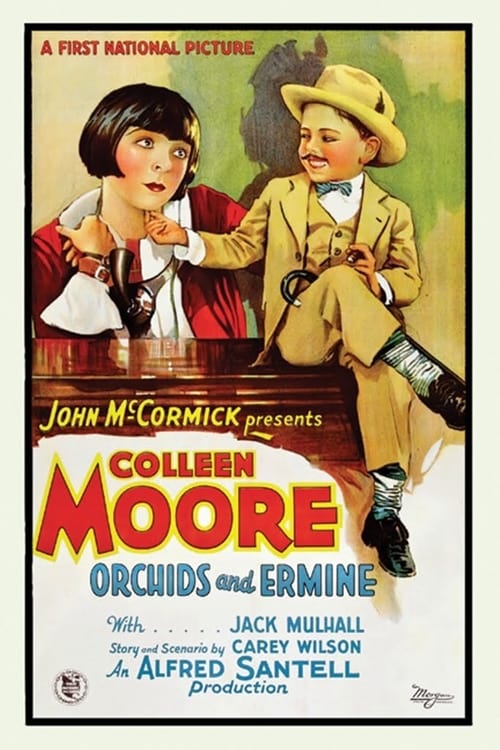
Set in New York City, flapper Pink Watson works a telephone operator at a cement factory who dreams of marrying rich. Her constant daydreaming of wealth annoys her fellow workers, and ruins the heart of one of her worshiping colleagues.
Orchids and Ermine

Idalene Nobbin attends a village dance but, due to the constant nagging of her mother, she believes herself to be a constitutional wallflower. By great luck she gets a dance with college football star Roy Duncan, although Roy has eyes for the village belle Prue Nickerson.
The Wall Flower
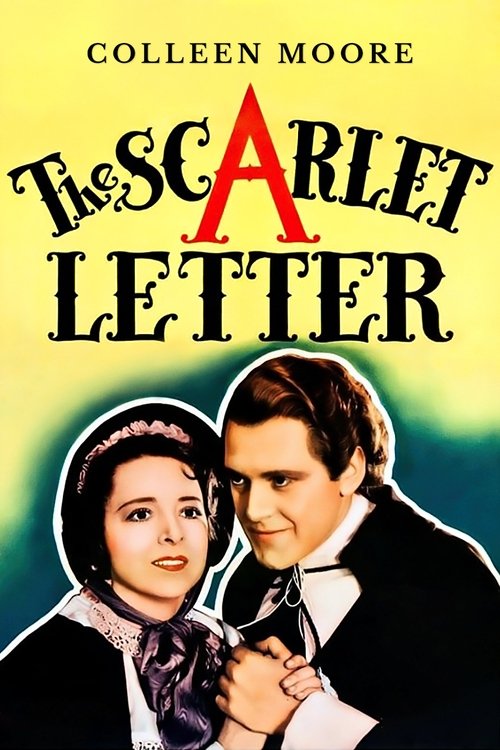
In the seventeenth century, in Massachusetts, a young woman is forced to wear a scarlet "A" on her dress for bearing a child out of wedlock.
The Scarlet Letter

A man's life is retold just after his funeral. Beginning as a track walker, Tom Garner rose through all sorts of railroad jobs to head the company. In the meantime he lost touch with his family. When he saw what was happening it was already too late.
The Power and the Glory
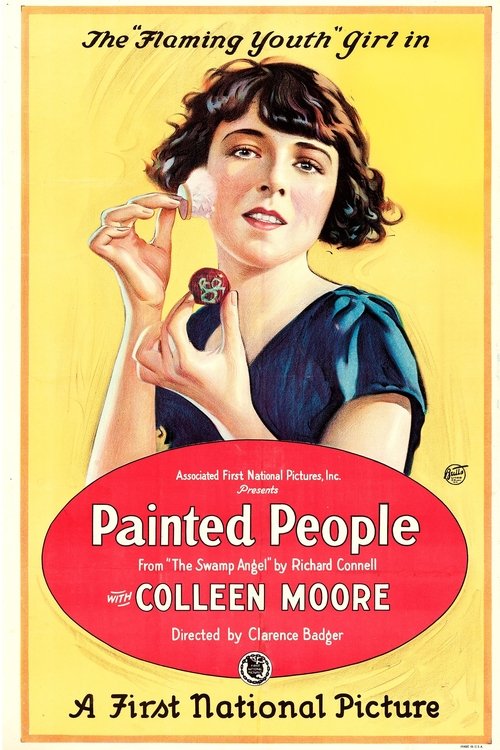
Ellie Byrne and Don Lane, chums, living in the poor section of a factory town, go away to make their fortunes. Ellie wishes to become a lady so that she can marry Preston Dutton, a society chap, and Don becoming infatuated with Stephanie Parrish, daughter of a wealthy man. Ellie becomes a leading actress and Don the author of her first play. Ellie refuses Dutton’s suit when she learns he is after her money, and Stephanie returns Don’s engagement ring. Ellie and Don go back to the factory town disillusioned. They realize that they love each other and in reality had not bettered themselves for someone else but for each other. A lost film.
Painted People

Moore plays the "dual" role of a French singer in America who was originally an American chorus girl in France to acquire a new persona.