
Diego Noguera
Acting
Biography
Diego Noguera is a Chilean-born, Berlin based music composer, producer and performer. Noguera has created more than 40 pieces for theater, film, and dance, becoming one of the most important names in the local experimental scene. Noguera's collaborations with Manuela Infante has premiered in Chile, Singapore, USA, and all around Europe. Together with choreographer Jose Vidal, they have premiered works at the Municipal Theater of Santiago and Kampnagel (Hamburg). Established in Germany since 2019, Noguera has played in various stages and started collaborations with Sasha Waltz and Florian Fisher, among others. Noguera's solo work consists of several singles, one EP "Soñe Que Iba a Dormir Bien" as well as a forthcoming album "I had a Name". Noguera's music explores the mix of vocals, classical instruments, and the electricity of machines becoming a telluric force, generating an arch that travels through different landscapes to a sonic catharsis.
Known For
Tatort is a long-running German/Austrian/Swiss, crime television series set in various parts of these countries. The show is broadcast on the channels of ARD in Germany, ORF in Austria and SF1 in Switzerland.
Scene of the Crime
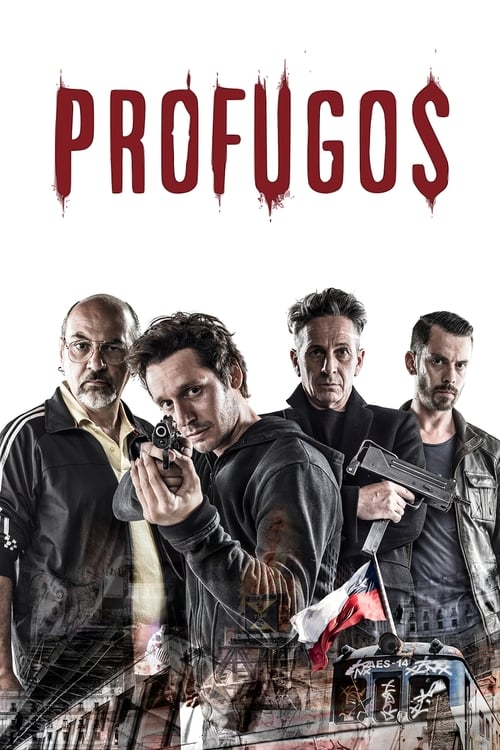
Four men become fugitives after a failed drug deal, running from north to south of Chile.
Profugos
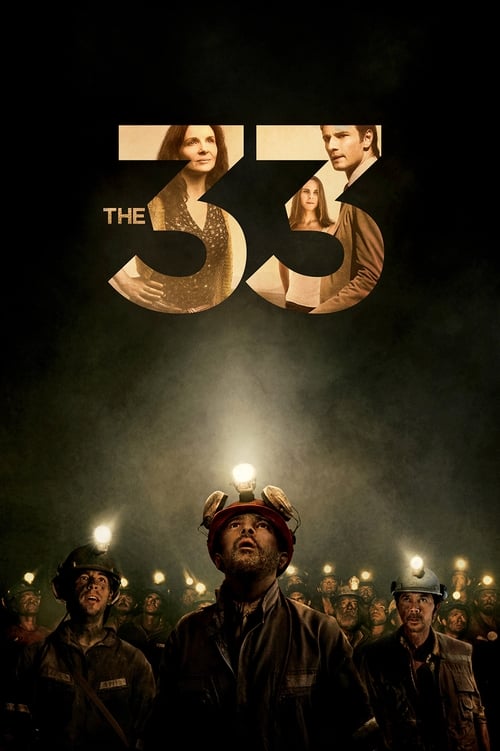
Based on the true story of the collapse of a mine in San Jose, Chile—that left 33 miners isolated underground for 69 days.
The 33
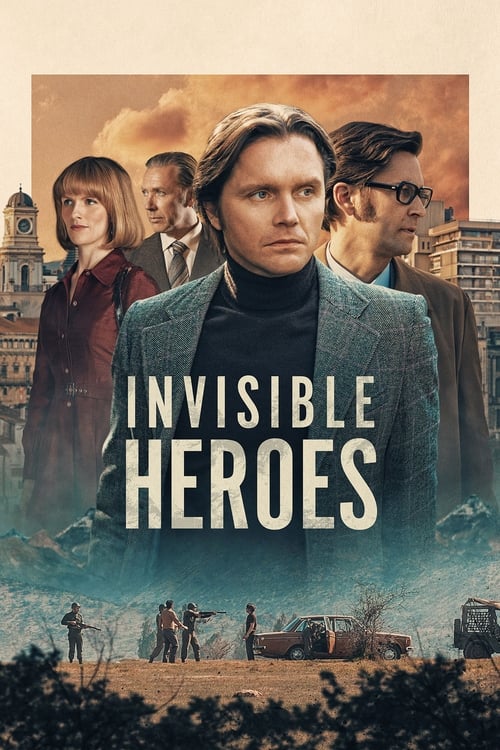
Invisible Heroes tells the heroic tale of young Finnish diplomats in Chile during 1973’s infamous military coup. Finnish diplomats Tapani Brotherus and Ilkka Jaamala along with Tapani’s wife Lysa Brotherus helped over 2000 left-wing Chileans escape the military junta’s persecution. The Finns acted without official authorization while Swedish ambassador Harald Edelstam was the most visible defendant of human rights with the backing of Sweden’s Prime Minister, Olof Palme.
Invisible Heroes

Three teens start a band in the late 1970s, this is the beginning of the famous musical group; Los Prisioneros.
Sudamerican Rockers
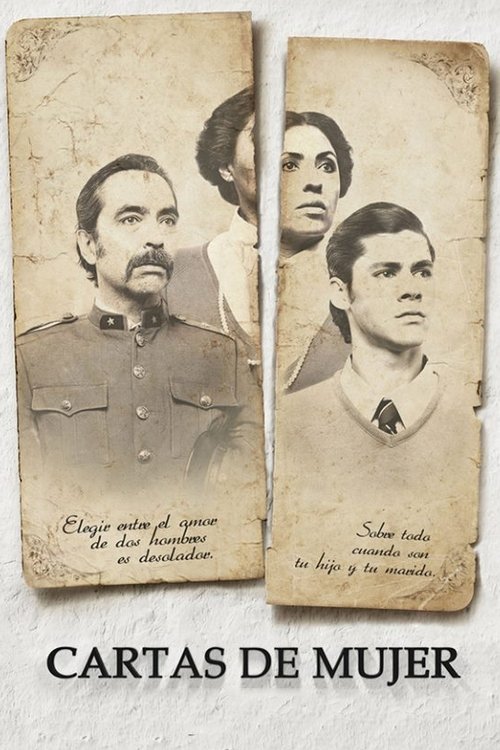
Intimate stories of women throughout the History of Chile, told by a medium that crosses times and generations: Letters.
Cartas de mujer
Fictional recreation of the biggest scammers who in the recent years have been in all the news headlines.
Grandes pillos
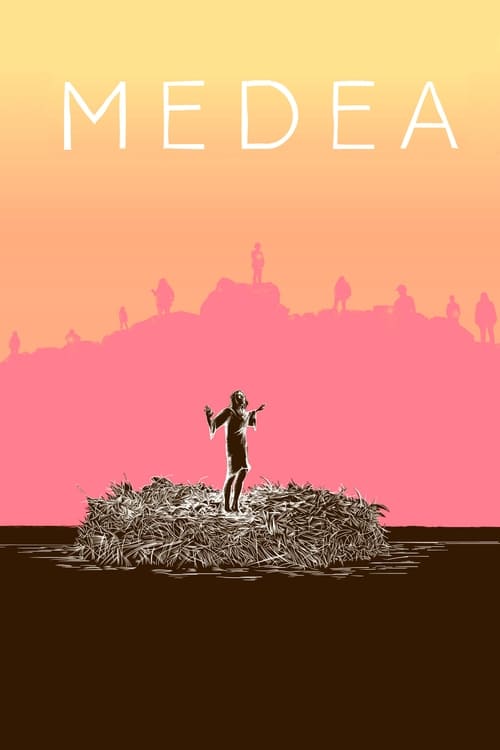
Medea is expelled from the mining region in the Atacama Desert and is given just one day to disappear. But in that single day, she comes up with a plan for revenge. In order to carry out this plan, which will culminate in her murdering her own son, she invokes her innermost strength, summoning the power of the female gender.
Medea
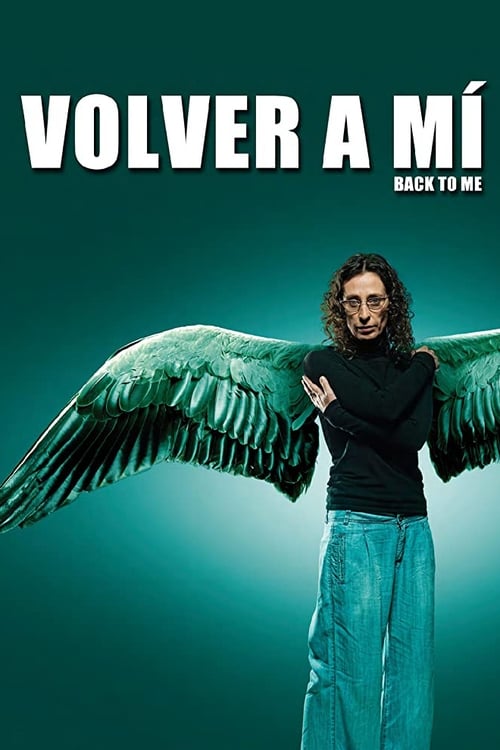
The story focuses on the rehabilitation of different people who for different reasons have turned to drugs, alcohol, pills and other types of toxins in order to forget their problems.
Volver a mí
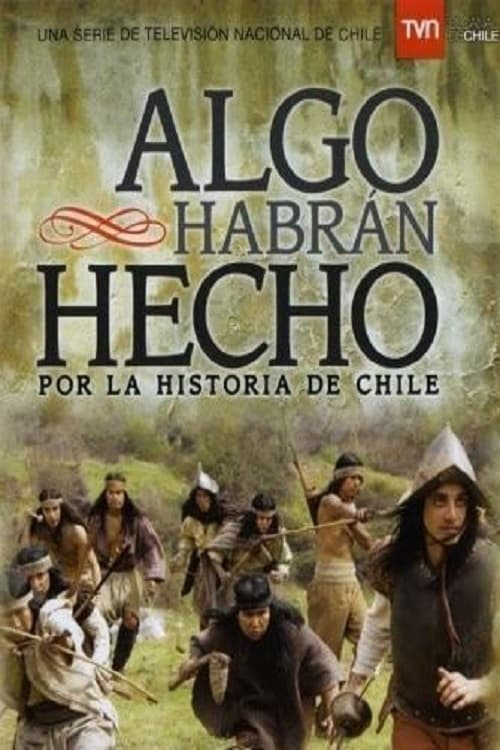
Series that narrates the history of Chile, from the Spanish colonization by Pedro de Valdivia and the begin of the Arauco War, to the Centennial of Chile in 1910. The show uses two main styles, jumping from one to the other. One style is the use of actors to represent certain key events. The second style is the plain explanation of the things taking place, which could be done with visual gags, with the hosts in some modern day location, or at a representation of an event.
Algo habrán hecho por la historia de Chile

When their parents die, Bianca starts to smoke and Tomas is still a virgin. The orphans explore the dangerous streets of adulthood until Bianca finds Maciste, a retired Mr. Universe, and enters his dark mansion in search of a future.
The Future

Eight people meet the famous Chilean radio host, "El Rumpy," and tell him about their love or heartbreak experiences. Be it a drama or a happy ending, there is a song that is part of the story, and the story is part of the song.
La canción de tu vida
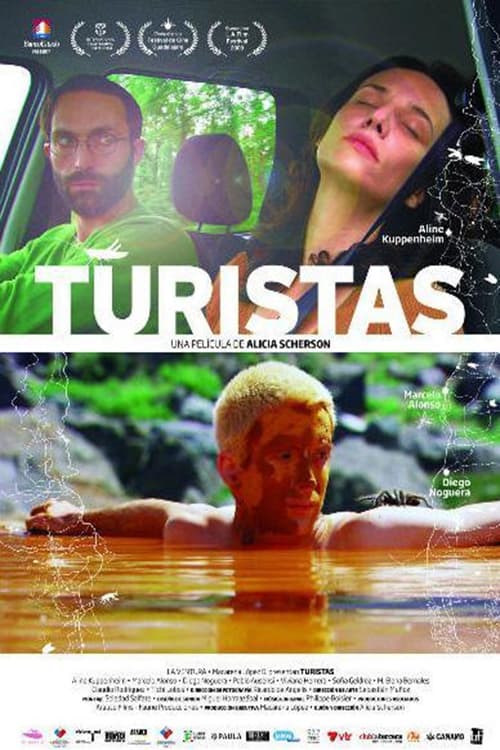
Carla is abandoned by her husband while vacationing on a national park. There she finds herself stranded with a Norwegian backpacker and a former pop star.
Tourists
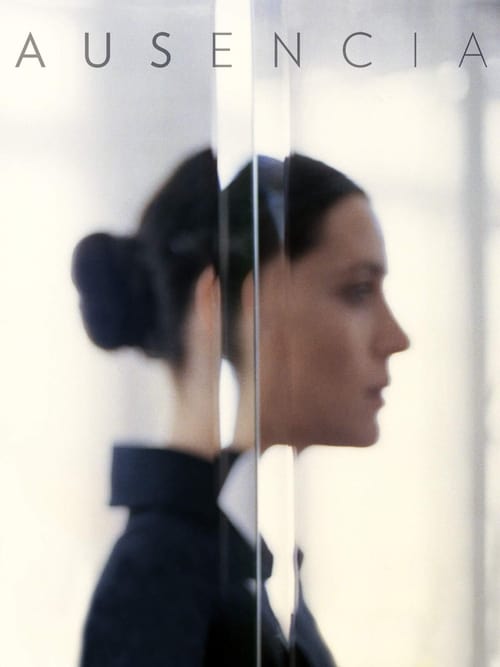
A love triangle between a pioneer female writer; her husband -a retired military official-and the love of her life, the painter Moritz Rugendas, with whom she maintains an epistolary relationship for 10 years, with few personal encounters.
Absence
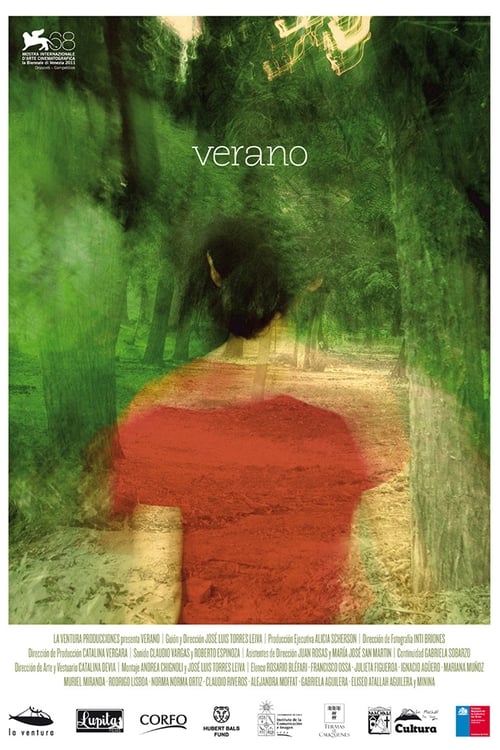
During one hot summer day, little things happen to the visitors and workers of an old thermal resort in southern Chile. Julieta, Francisco, Isa, Rodrigo, Ignacio, Mariana, Muriel, Gabriela, Eliseo, Norma, Alejandra and Claudio experience the long vacation hours in nature, sleeping in the sun, learning how to drive, cleaning the house, kissing for the first time, swimming at night or just walking and talking, while the day slowly unravels into small fragments of happiness and discovery.
Verano
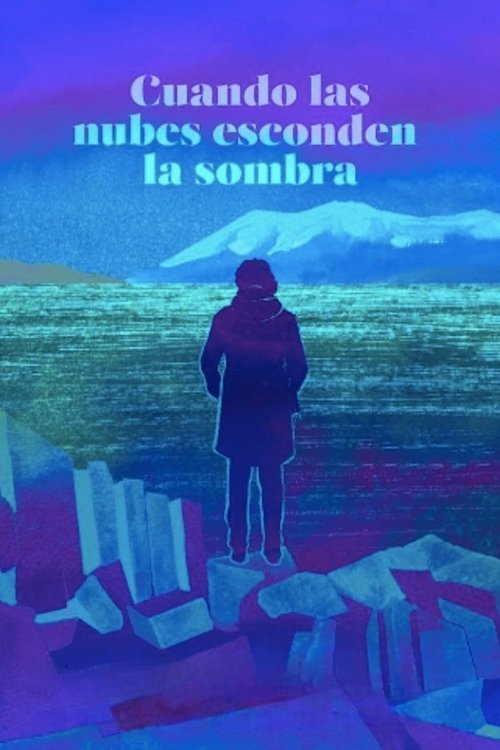
Maria travels to Puerto Williams to star in a movie. But the film crew won't be able to arrive due to a strong storm. Alone, she'll seek help for severe back pain, which will lead her to discover life in the southernmost city in the world and a pending story in her life.
When Clouds Hide the Shadow
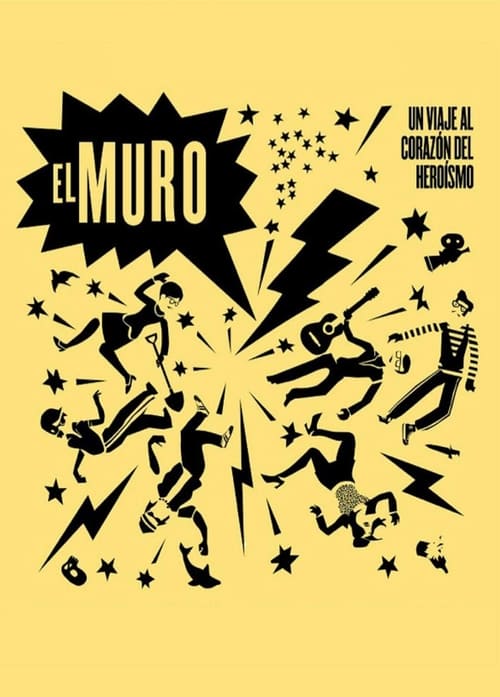
Year 2015. John O'Connell arrives in Chile to film a documentary about the death of six anonymous heroes that occurred in 2010 during the "EL MURO" event. John hires three actors to recreate the characters and all there is to see when clicking on "crazy geography".
El Muro
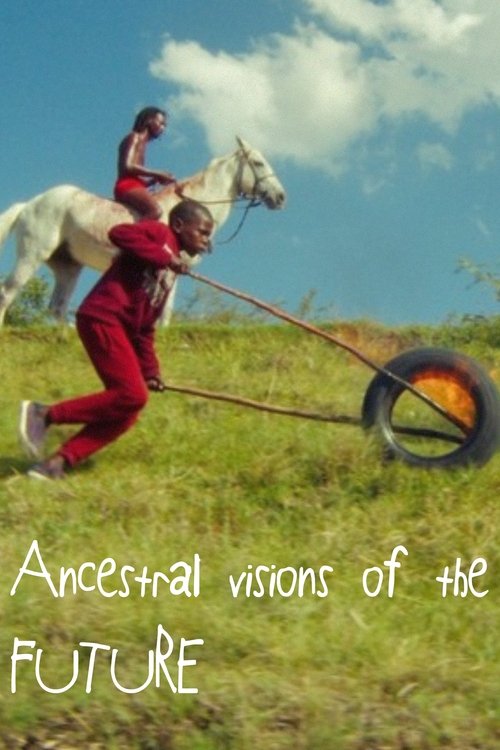
Lemohang Jeremiah Mosese’s This Is Not a Burial, It’s a Resurrection follow-up Ancestral Visions of the Future is described as being “a deeply personal exploration of identity, childhood, and death,” continuing a running theme in Mosese’s work of wrestling with his childhood in Lesotho and his exile to Germany.
Ancestral Visions of the Future
No description available.
Primer día de invierno
Hector Noguera recalls his long trajectory that extends for more than fifty years through the poetic text of Calderón de la Barca "Life is a dream".