FEEL IT.STREAM
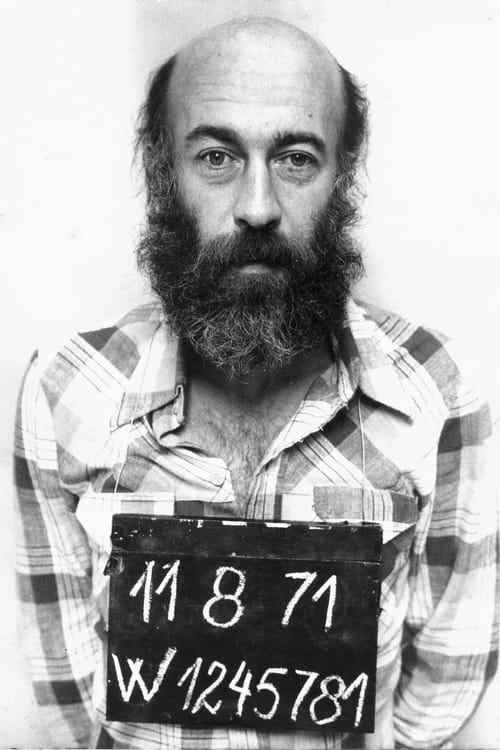
Maurice Capovila

Maurice Capovila

Directing

Biography

Maurice Capovilla (Valinhos, January 16, 1936 — Rio de Janeiro, May 29, 2021) was a Brazilian actor, screenwriter, producer and filmmaker. He directed eight films between 1968 and 2003. His 1970 film The Prophet of Hunger was entered into the 20th Berlin International Film Festival.
Known For

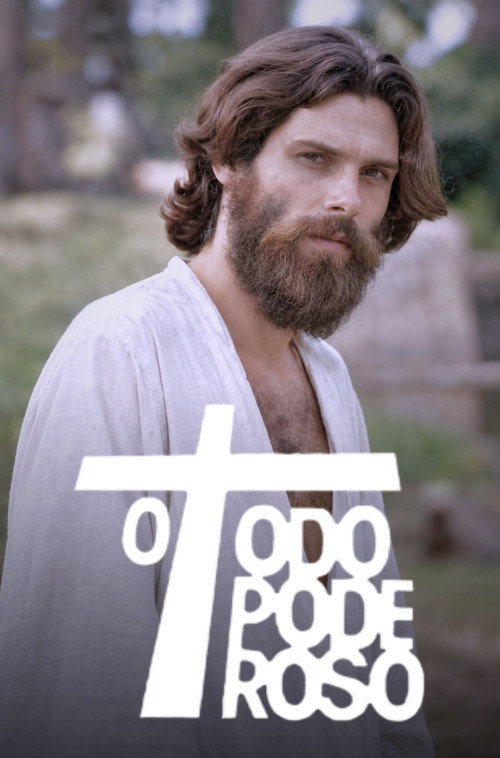
O Todo Poderoso
9.0

No description available.

O Todo Poderoso

1979
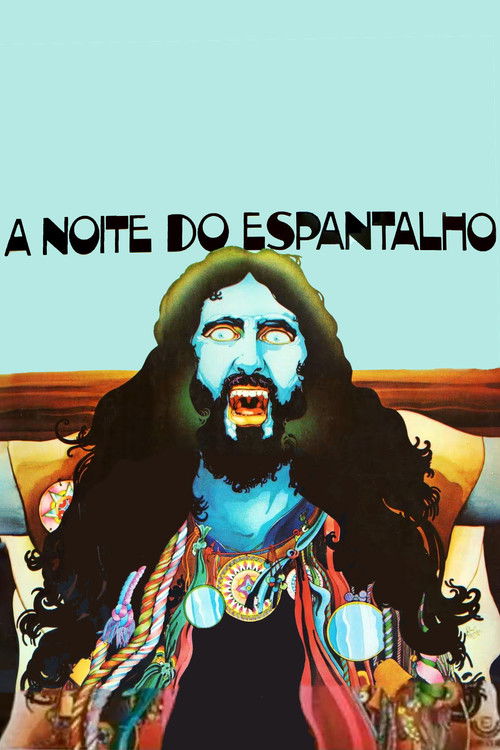
The Night of the Scarecrow
6.3

In the miserable Northeastern Brazil, a ruthless land Baron wants to throw a poor farming community out of their land.

The Night of the Scarecrow

1974
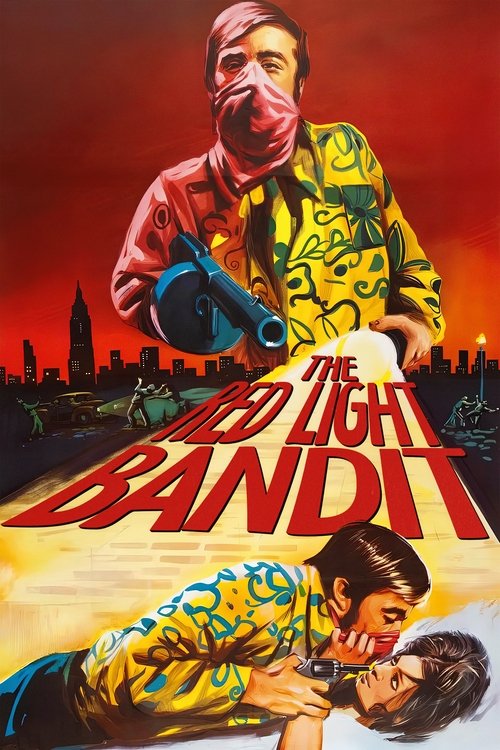
The Red Light Bandit
7.6

Born and raised in the misery of Brazilian slums, Jorge becomes a luxury house burglar in São Paulo and gets nicknamed "The Red Light Bandit" by the sensationalist press. In addition to wearing a red flashlight, he talks to his hostages in an irreverent tone and makes bold breakthroughs to later spend the money extravagantly. His world is the decadent neighbourhood of Boca do Lixo.

The Red Light Bandit

1968
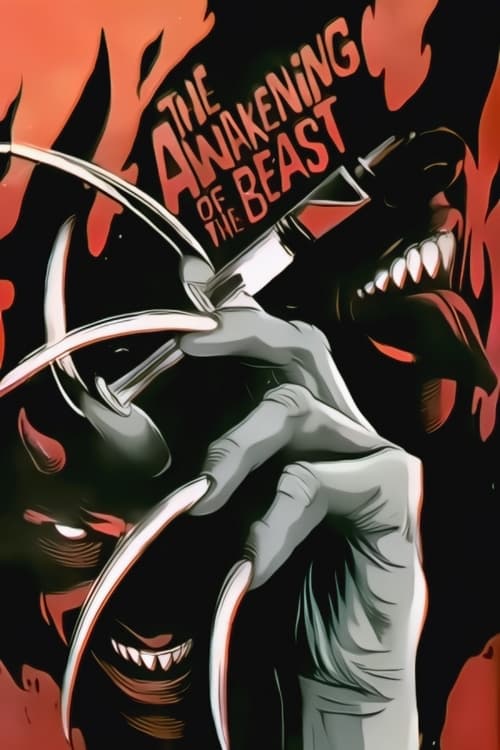
The Awakening of the Beast
5.7

A psychiatrist experiments on four volunteers with LSD to examine '60s drug culture, soon unleashing an expert in depravity.

The Awakening of the Beast

1970
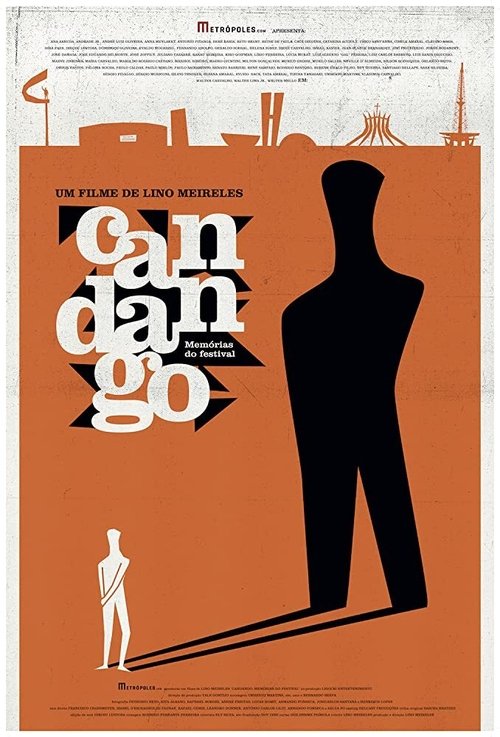
Candango: Memoirs from a Festival
5.0

In 1965, a year after the military coup in Brazil, an oasis of freedom opened in the country's capital. The Brasília Film Festival: a landmark of cultural and political resistance. Its story is that of Brazilian cinema itself.

Candango: Memoirs from a Festival

2020
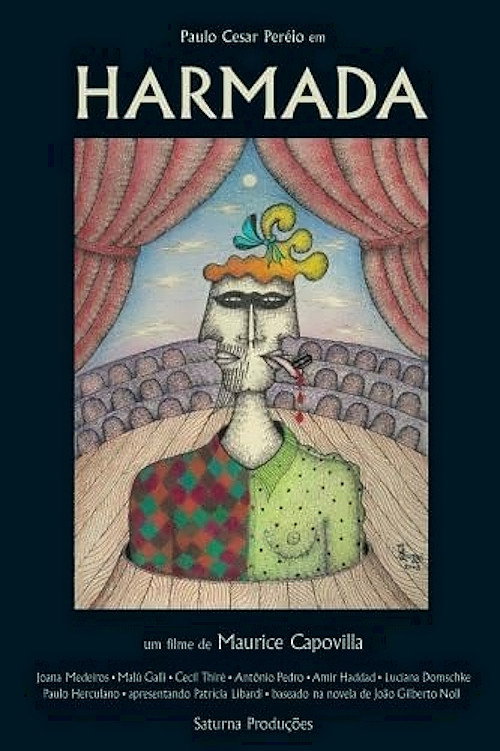
Harmada
4.8

A failed artist searching strength to move ahead. By a young lady, who might be his daughter, he develops a project that changes his destiny.

Harmada

2003
O Jogo da Vida
9.0

The dreams and problems of three friends: Malagueta, an inveterate gambler; Perus, former factory worker who abandoned the assembly line to earn his living at the billiards; and Bacanaço, trickster who puts on chic airs, always dreaming of performing the ultimate big swindle.

O Jogo da Vida

1977
Crônica À Beira do Rio
N/A

Rio de Janeiro is a city of very well defined contrast between the seafront, narrow, where the rich live and very close, the hills with their slums, where life changes very quickly in the short space of time.

Crônica À Beira do Rio

1980
True Brazil
9.0

In the late 1960s, Thomas Farkas imported equipment suitable for direct sound, and released a collection of documentaries called "Brasil Verdade" ("True Brazil"), after the Military Coup d'État took place in Brazil, which happened without any popular resistance or revolution or reaction of the society. The five short films are directly related to this fact and its consequences to the country.

True Brazil

1968
Lance Maior
4.9

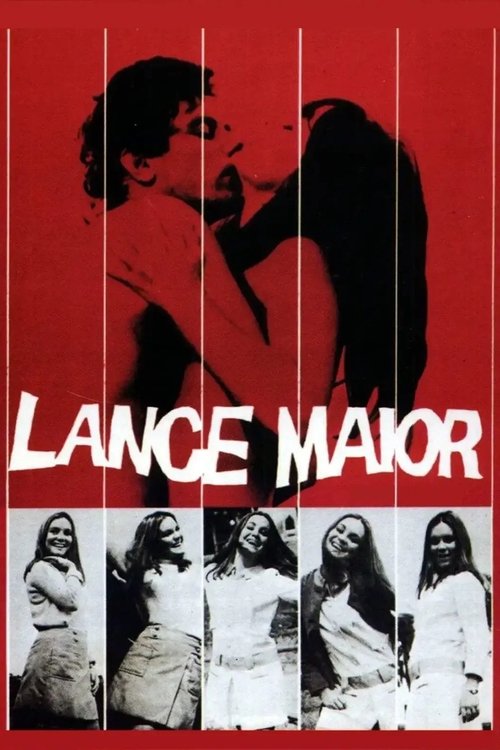
University student who works in a bank experiences a personal crisis: he is torn between his ambitions and the temptation to engage in the armed movement against the military dictatorship of the time, in Brazil. At the same time, his love life is also confusing: he is unable to choose between two girls: an apolitical rich one, whose main interest is her own sexual liberation; and a working girl with family problems.

Lance Maior

1968
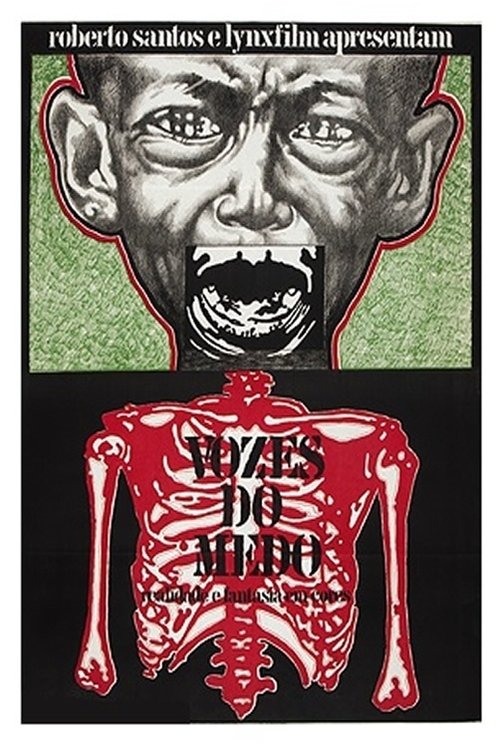
Vozes do Medo
8.0

No description available.

Vozes do Medo

1972
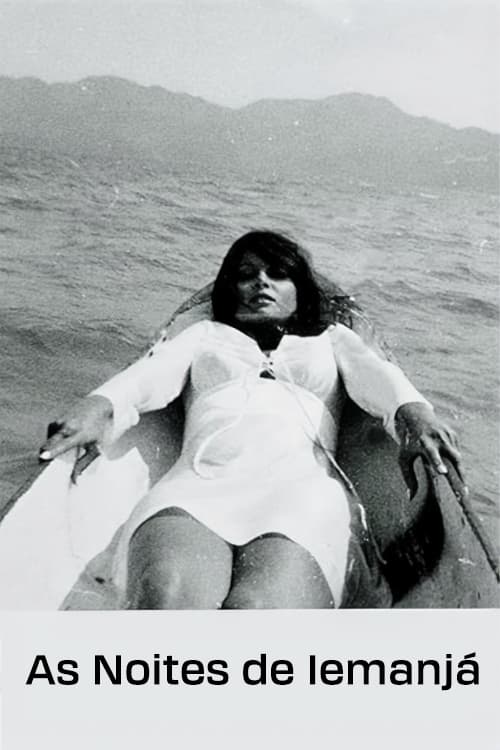
The Nights of Iemanjá
3.7

Neglected wife tells husband about mysterious deaths occurred by the influence of Iemanjá, Afro-Brazilian deity, goddess of the waters

The Nights of Iemanjá

1971
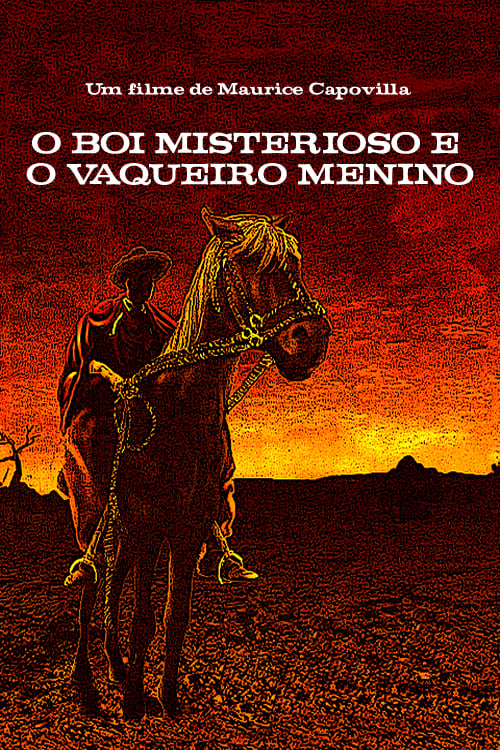
O Boi Misterioso e o Vaqueiro Menino
7.0

No description available.

O Boi Misterioso e o Vaqueiro Menino

1980
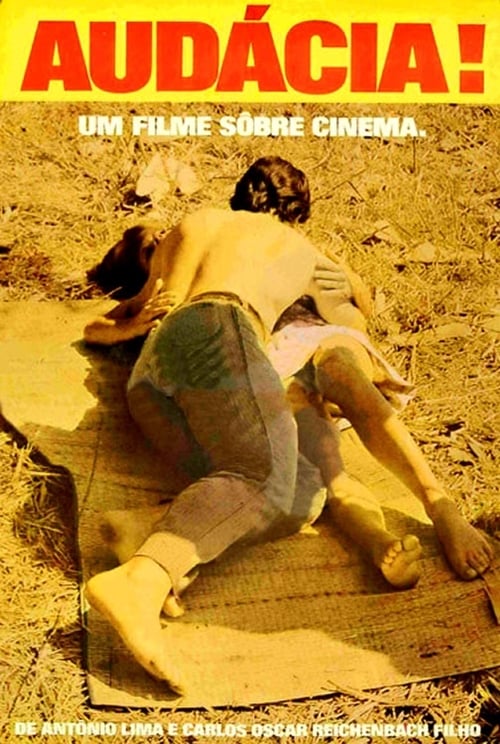
Audácia!
7.5

Segment "Prólogo": interviews and scenes with some of the most important filmmakers of the "Boca do Lixo" of São Paulo. Segment "A Badaladíssima dos Trópicos x Os Picaretas do Sexo": shenanigans of a troubled fictional film production. Segment "Amor 69": Actress Maria Vargas is expected to appear nude in a scene, but ultimately refuses to do so.

Audácia!

1970
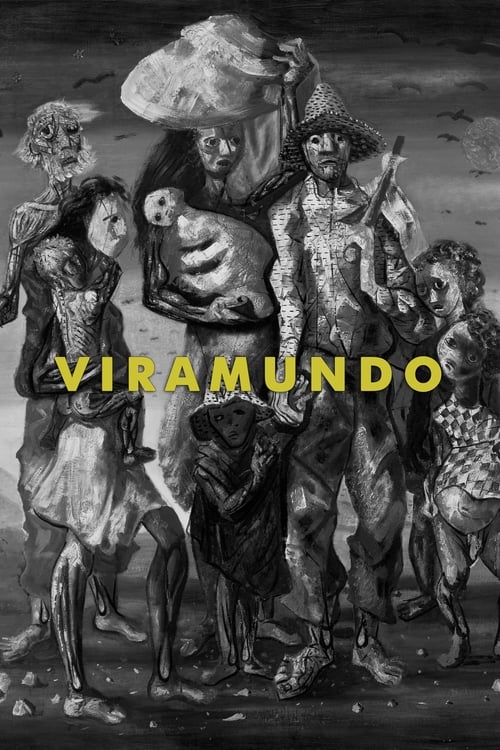
Viramundo
8.6

Viramundo shows the saga of the northeastern migrants that arrive in São Paulo, beginning with a train arriving and ending with a train leaving São Paulo in a cycle repeated every day. Viramundo's aim was to question why the military coup d'état in Brazil happened without any popular resistance or revolution or reaction of the society.

Viramundo

1965
The Prophet of Hunger
6.8

The story of a fakir who works in a decadent circus. He and his colleagues do weirder numbers each day to attract audience, and warrant their survival. The numbers resemble a horror-show and they get marginalized. Through fable and allegory, reality turns stronger and stronger, and more absurd.

The Prophet of Hunger

1970
The Good Cinema
N/A

An authentically marginal cinema created in Catholic university in Brazil. One of the most intriguing and imaginative moments in modern cinema in the voice of some of its select conspirators—with Carlos Reichenbach at the lead—, and through the most razing flow of images that can possibly be conceived.

The Good Cinema

2021
Bahia de Todos os Santos
N/A

No description available.

Bahia de Todos os Santos

1974
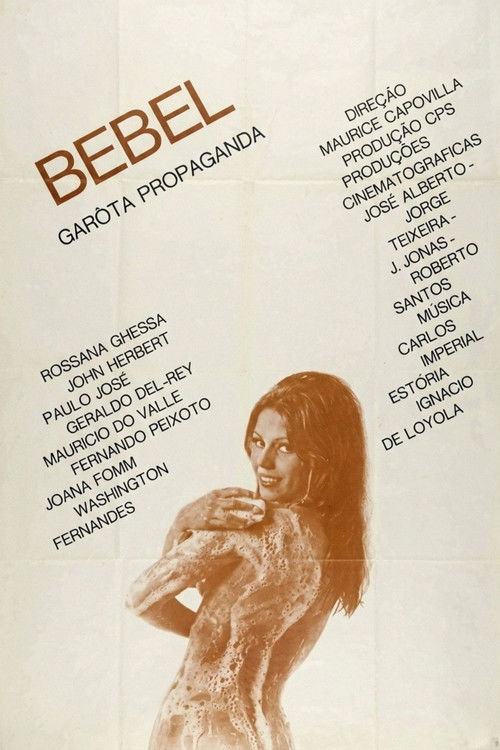
Bebel, Garota Propaganda
7.0

Poor and beautiful girl is hired by a sales promoter to advertise a new brand of soap. The success is immediate, but the need for a new face hinders her way to stardom.

Bebel, Garota Propaganda

1967
O Último Dia de Lampião
10.0

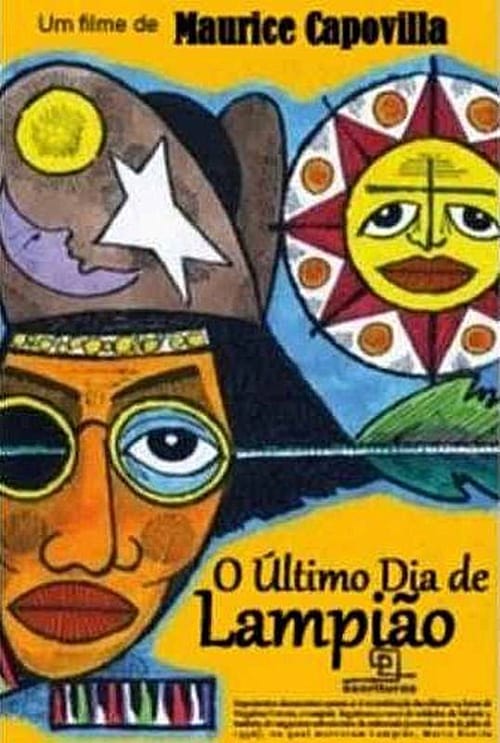
A docufiction film about the fall of Virgulino Ferreira da Silva, widely known as Lampião – the mythical bandit leader from the Brazilian northeast who fought the local power and put his name in history.

O Último Dia de Lampião

1975