Directing
American High is an American documentary television show about the lives of fourteen students at Highland Park High School, located in the city of Highland Park, Illinois. The series originally aired on Fox and was canceled after four episodes. It was later picked up by PBS and aired in its entirety. The series was created by R. J. Cutler, an award winning documentary filmmaker. The show received the 2001 Emmy Award for Outstanding Non-Fiction Program. The theme song "American High", was written and performed by Bouncing Souls. An earlier Fox Network documentary series from 1991, Yearbook also covered the lives of suburban Chicago high school students.
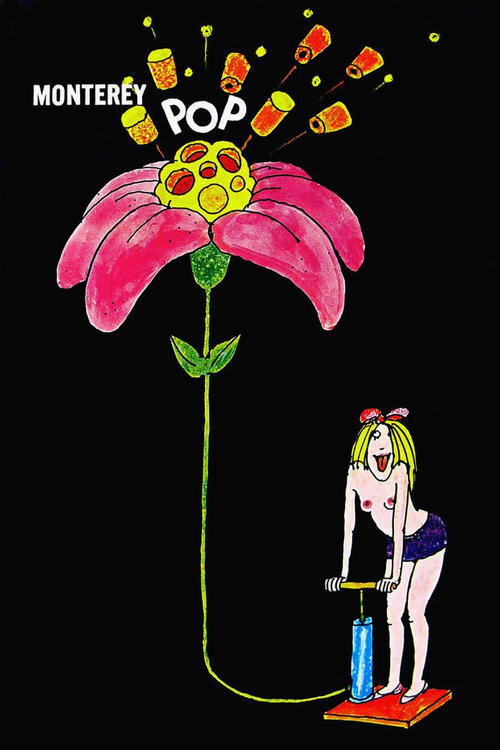
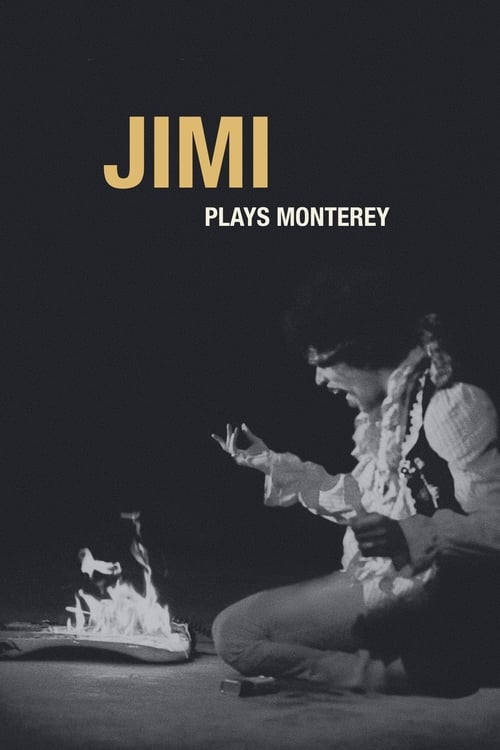
Featuring performances by popular artists of the 1960s, this concert film highlights the music of the 1967 California festival. Although not all musicians who performed at the Monterey Pop Festival are on film, some of the notable acts include the Mamas and the Papas, Simon & Garfunkel, Jefferson Airplane, the Who, Otis Redding, and the Jimi Hendrix Experience. Hendrix's post-performance antics -- lighting a guitar on fire, breaking it and tossing a part into the audience -- are captured.
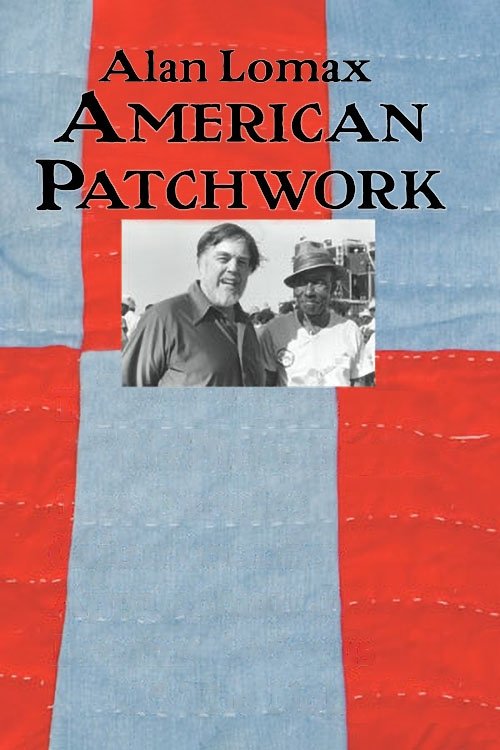
From 1978 to 1985 Alan Lomax traveled the American South and Southwest with a television crew to document regional folklore with deep historical roots. From the resulting 400 hours of footage came the five-program series American Patchwork, which aired on PBS in 1991.
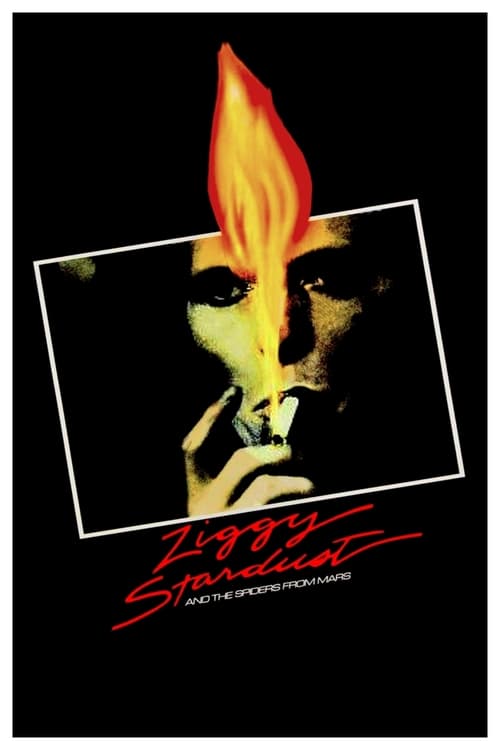
Hammersmith Odeon, London, July 3, 1973. British singer David Bowie performs his alter ego Ziggy Stardust for the very last time. A decadent show, a hallucinogenic collage of kitsch, pop irony and flamboyant excess: a musical symbiosis of feminine passion and masculine dominance that defines Bowie's art and the glam rock genre.
A leading acting teacher who trained some of the most famous performers of the stage and screen, Sanford Meisner was a founding member of the Group Theatre. The Group Theatre, a cooperative theater ensemble, became a leading force in the theater world of the 30s. Meisner performed in many of the group’s most memorable productions.
A behind-the-scenes documentary about the Clinton for President campaign, focusing on the adventures of spin doctors James Carville and George Stephanopoulos.
They speak the same language, share a similar culture and once belonged to a single nation. When the Korean War ended in 1953, ten million families were torn apart. By the early 90s, as the rest of the world celebrated the end of the Cold War, Koreans remain separated between North and South, fearing the threat of mutual destruction. Beginning with one man's journey to reunite with his sister in North Korea, filmmakers Takagi and Choy reveal the personal, social and political dimensions of one of the last divided nations on earth. The film was also the first US project to get permission to film in both South & North Korea.
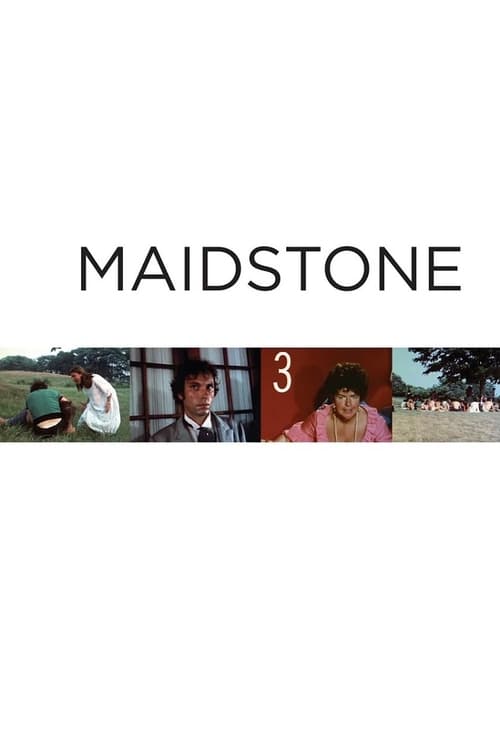
Over a booze-fueled, increasingly hectic five-day shoot in East Hampton, Norman Mailer and his cast and crew spontaneously unloaded onto film the lurid and loony chronicle of U.S. presidential candidate and filmmaker Norman T. Kingsley debating and attacking his hangers-on and enemies. This gonzo narrative, “an inkblot test of Mailer’s own subconscious” (Time), becomes something like a documentary on its own making when costar Rip Torn breaks the fourth wall in one of cinema’s most alarming on-screen outbursts.
On May 24, 2000, the historic Ryman Auditorium was booked to offer Nashvillians an evening of sublime beauty. Label executives and soundtrack producers so loved the music of O Brother, Where Art Thou? that they brought it to life as a benefit concert for the Country Music Hall of Fame. Filmmakers Joel and Ethan Coen loved it so much that they hired famed documentary filmmaker D.A. Pennebaker to record the show for posterity. The concert that unfolded that night was one of the greatest musical moments in the annals of Music City. Performers: John Hartford, Alison Krauss, Emmylou Harris, Gillian Welch, Chris Thomas King, The Cox Family, Fairfield Four, Union Station, Colin Linden, The Nashville Bluegrass Band, The Peasall Sisters, Ralph Stanley, David Rawlings, The Whites.
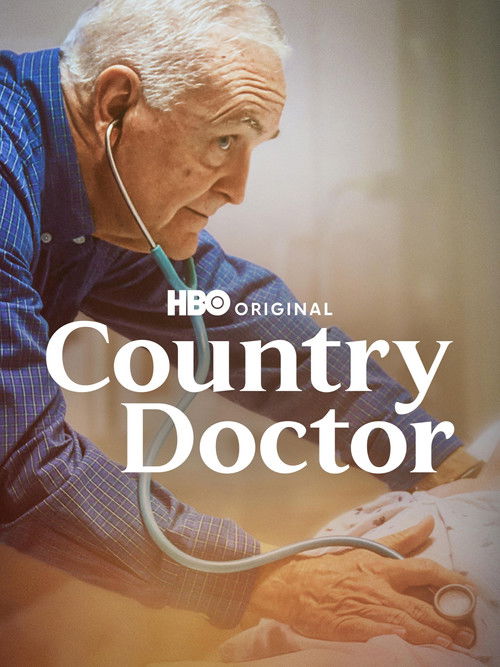
Dr. James Graham, a physician in a struggling Oklahoma town, fights to save its bankrupt hospital.
Jimi Hendrix's debut American set at 1967's Monterey Pop Festival is generally considered one of the most radical and legendary live shows ever. Virtually unknown to American audiences at the time, even though he was already an established entity in the UK, Hendrix and his two-piece Experience explode on stage, ripping through blues classics "Rock Me Baby" and Howlin' Wolf's "Killing Floor," interpreting and electrifying Bob Dylan's "Like a Rolling Stone," debuting songs from his yet-to-be-released first album and closing with the now historic sacrificing/burning of his guitar during an unhinged version of "Wild Thing" that even its writer Chip Taylor would never have imagined. Hendrix uses feedback and distortion to enhance the songs in whisper-to-scream intensity, blazing territory that had not been previously explored with as much soul-frazzled power.
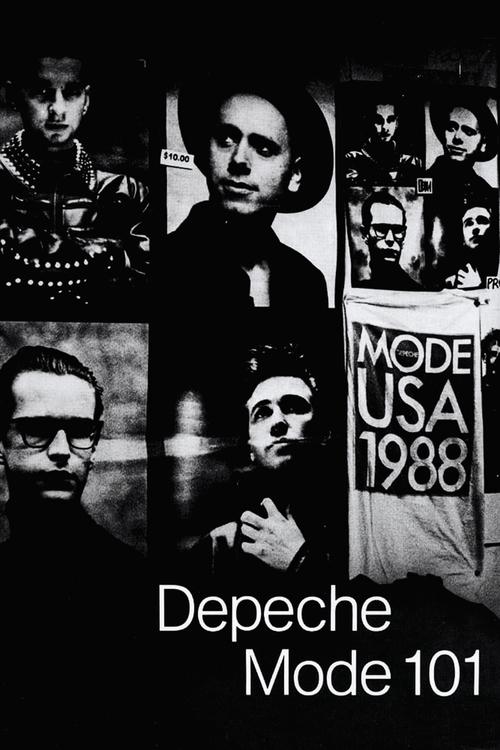
A fascinating documentary focusing on backstage realities of art and business during the British synthesizer band's 1988 American tour.
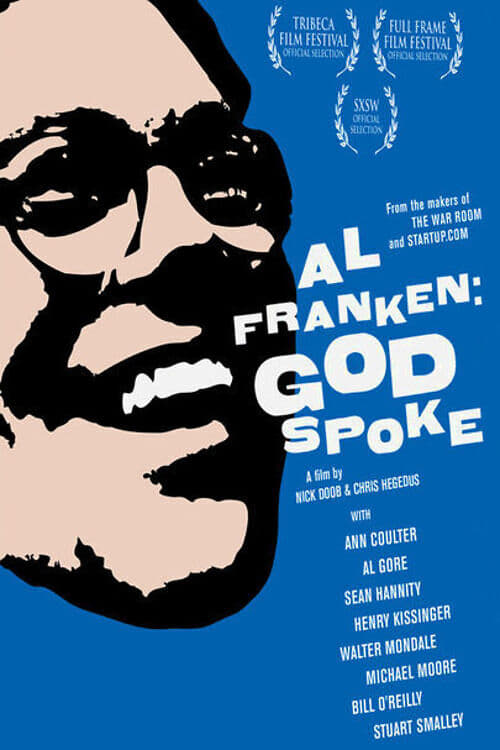
Join filmmaking duo Chris Hegedus and Nick Doob as their cameras follow Franken to book signings, campaign rallies and the launch of Air America Radio, documenting his transformation from irreverent funnyman to political pundit.
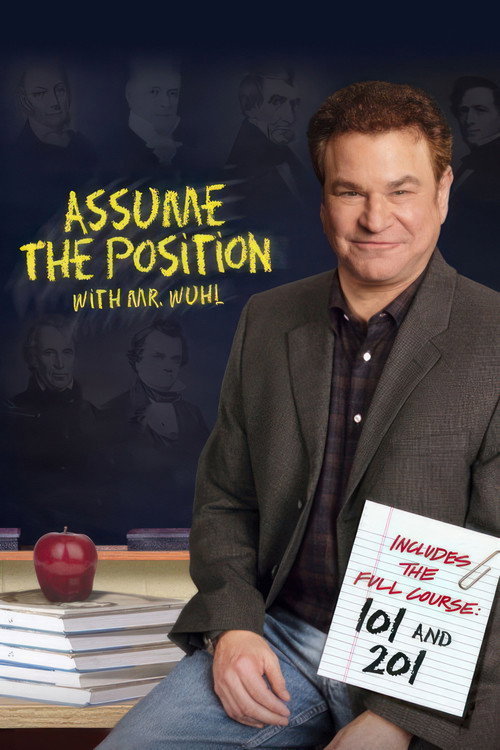
Emmy-winning actor-comedian Robert Wuhl assumes the role of college professor in this hilarious history lesson conducted in front of an audience of actual New York City college students. Four segments explore the lesser-known aspects of America's storied past that everybody thought they already knew -- including the truth about Paul Revere, the hypocrisy of several founding fathers and the origin of many "modern" ideas.
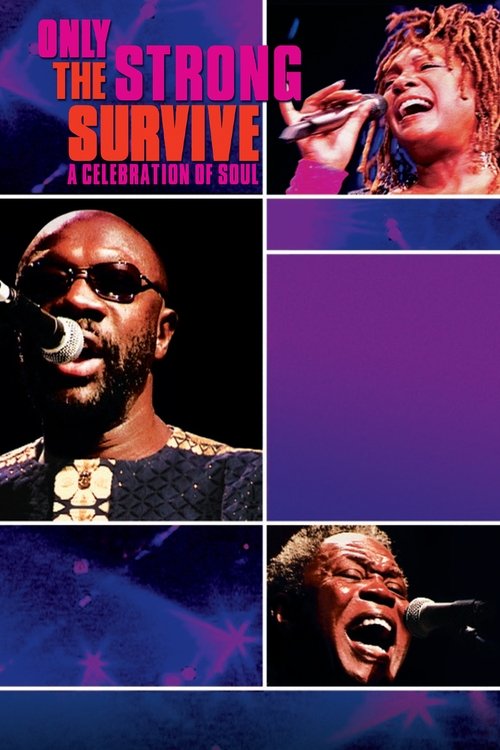
A film featuring the veteran soul music artists and music of Stax Records. It tells the story of soul, a musical genre that was to have a major influence on other styles of music for decades. Ten legends of soul talk about the beginnings and still show at their concerts today that, despite their advanced age, they have lost none of the energy and joie de vivre that defines this music.
America's obesity epidemic is seen from the perspective of children in this three-film portion of HBO's multimedia project.
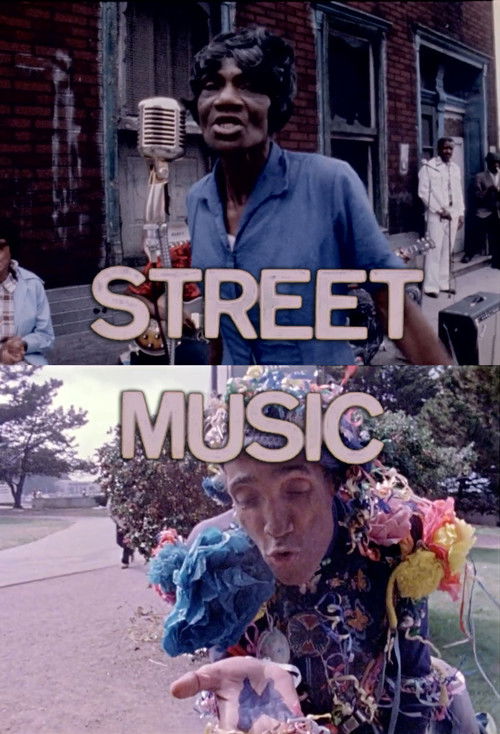
A collection of performances by street musicians across the country, from New York to San Francisco, New Orleans to Chicago, the film presents 19 musicians in seven cities, and was one of Doob's first feature-length films. Among the singers, guitarists, drummers, dancers, and other artists, Doob includes street performance legends such as Brother Blue, Gene Palma, Bongo Joe, the Automatic Human Jukebox, and bluesman Jimmy Davis. The film captures a cross-section of Americans filled with raw talent, showmanship, and hustle, and presents a time capsule of the fashion, architecture, and culture of the 1970s. (Yale Film Archive)
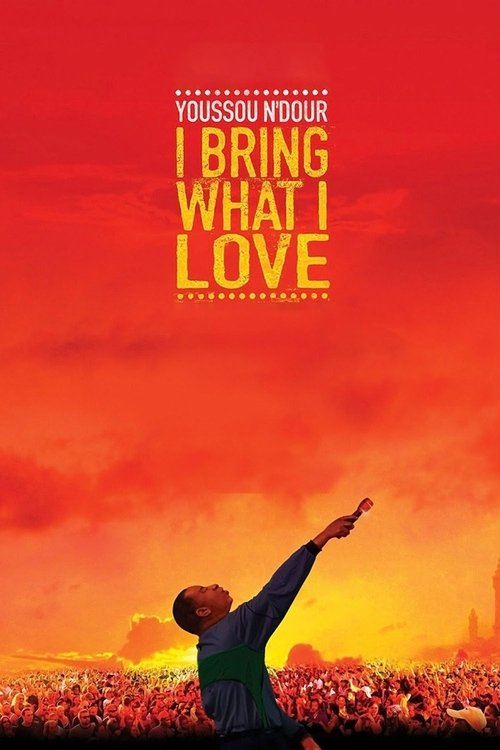
Senegalese pop sensation Youssou Ndour has spent the last 20 years in the spotlight as a world-renowned musician and the iconic representative "voice of Africa." At the height of his career, Youssou became frustrated by the negative perception of his Muslim faith and composed Egypt, a deeply spiritual album dedicated to a more tolerant view of Islam. The album's brave musical message was wholeheartedly embraced by Western audiences but ignited serious religious controversy in his homeland of Senegal. The film chronicles the difficult journey Youssou must undertake to assume his true calling.
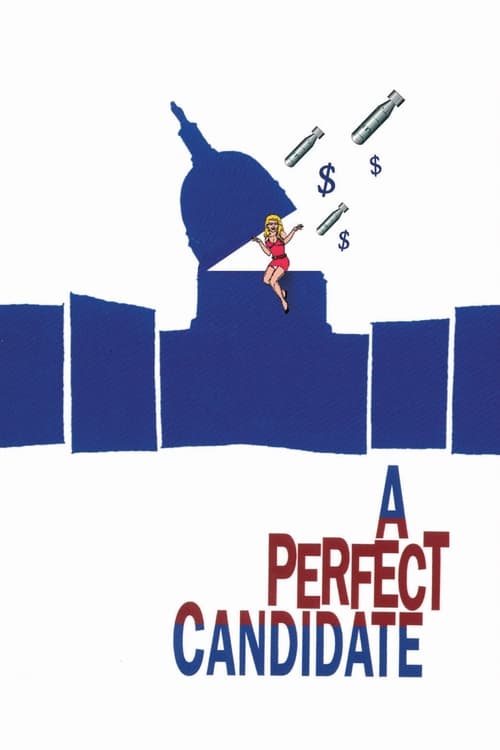
The filmmakers follow Oliver North's unsuccessful 1994 bid for a Virginia Senate seat, focusing on North's campaign strategist, Mark Goodin, and a Washington Post reporter. Mudslinging ensues.
A behind-the-scenes look at the production of the 1972 film "The Effect of Gamma Rays on Man-in-the-Moon Marigolds," directed by Paul Newman and starring his wife, Joanne Woodward, and their daughter, Nell Potts.