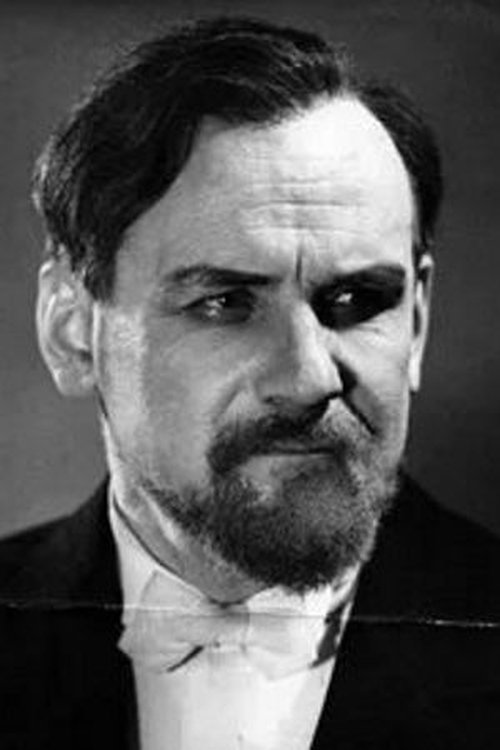
Boris Smirnov
Acting
Known For
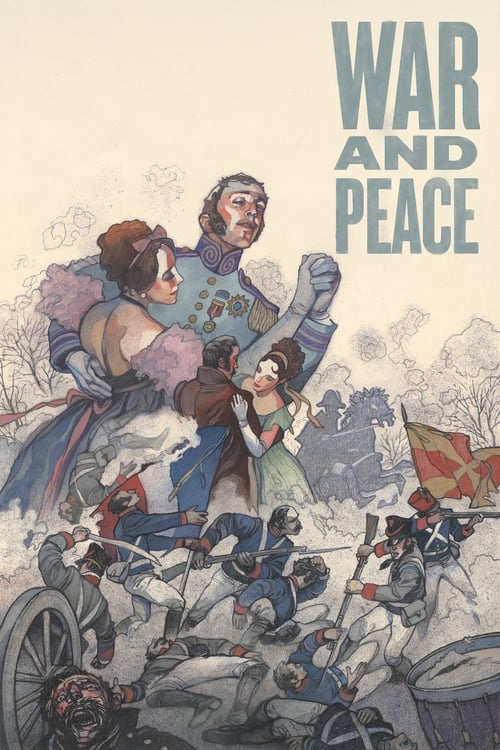
The love story of young Countess Natasha Rostova and Count Pierre Bezukhov is interwoven with the Great Patriotic War of 1812 against Napoleon's invading army.
War and Peace
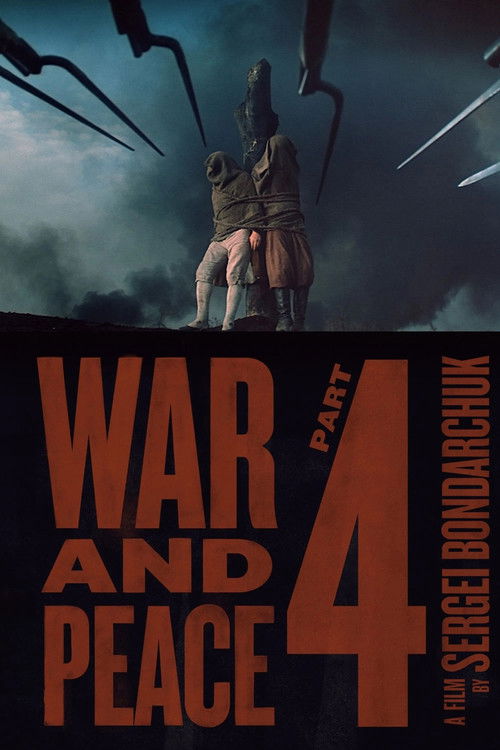
As Moscow is set ablaze by the retreating Russians, the Rostovs flee their estate, taking wounded soldiers with them, and unbeknownst to them, also Andrei. Pierre, dressed as a peasant, tries to assassinate Napoleon but is taken prisoner. As the French are forced to retreat, he's marched for months with the Grande Armée, until being freed by a raiding party. Part four of the four-part adaptation of Leo Tolstoy's 1869 novel.
War and Peace, Part IV: Pierre Bezukhov
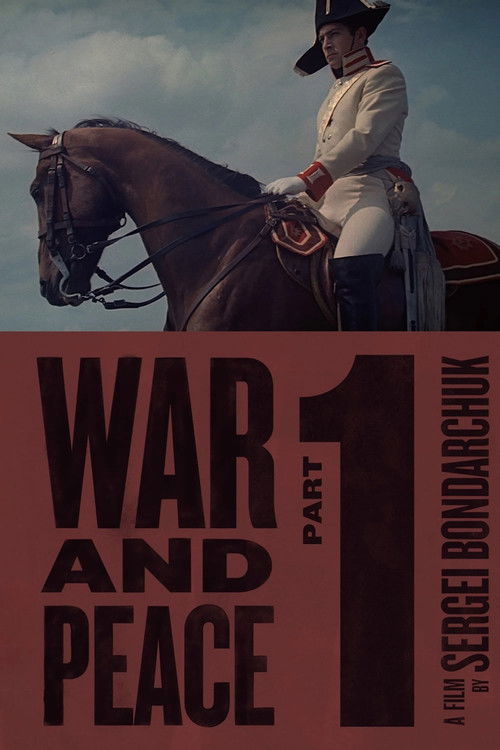
In 1805 St. Petersburg, Pierre Bezukhov, illegitimate son of a rich nobleman, is introduced to high society. His friend, Prince Andrei Bolkonsky, joins the Imperial Russian Army as aide-de-camp of General Mikhail Kutuzov in the War of the Third Coalition against General Napoleon Bonaparte. Part one of the four-part adaptation of Leo Tolstoy's 1869 novel.
War and Peace, Part I: Andrei Bolkonsky
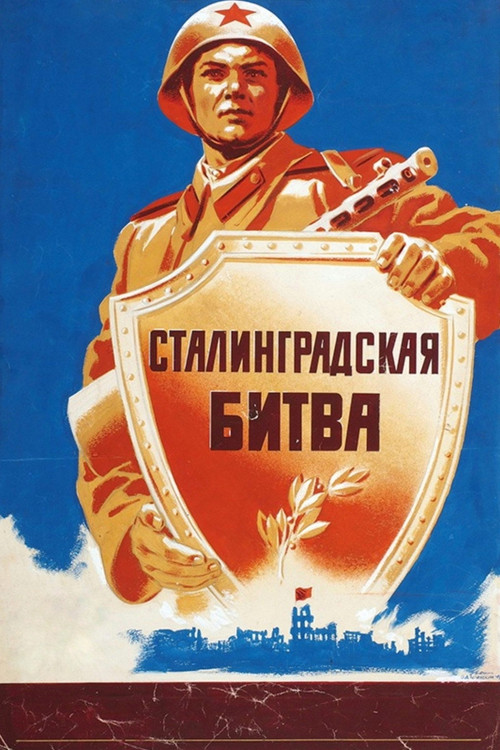
A 1949 two-part Soviet epic war film about the Battle of Stalingrad, directed by Vladimir Petrov. The script was written by Nikolai Virta.
The Battle of Stalingrad
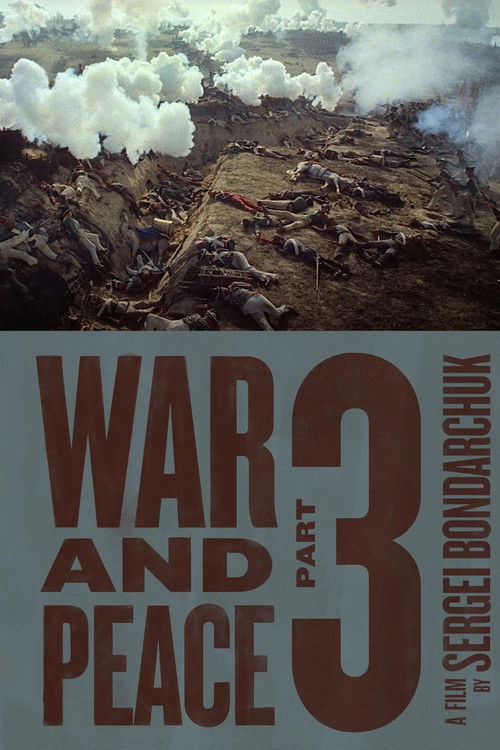
In 1812, as Napoleon's army invades Russia, Kutuzov asks Bolkonsky to join him as a staff officer, yet the prince requests a command in the field. Pierre sets out to watch the armies' impending confrontation. As the Battle of Borodino rages, he volunteers to assist in an artillery battery. Part three of the four-part adaptation of Leo Tolstoy's 1869 novel.
War and Peace, Part III: The Year 1812
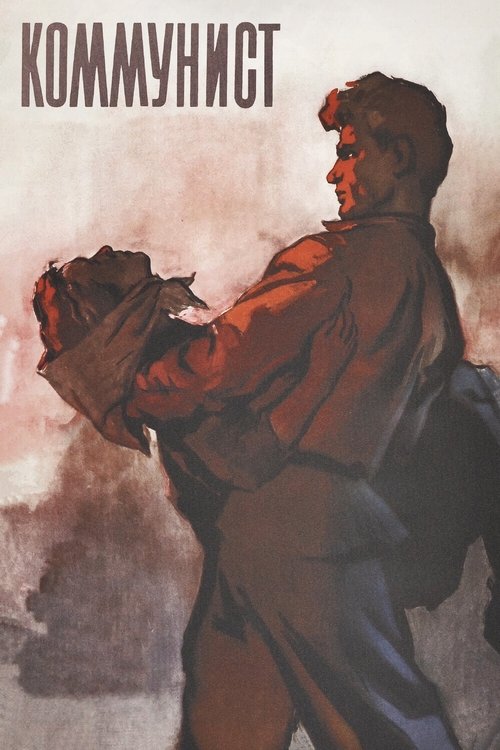
A young ordinary communist, Vasiliy Gubanov, was among many who took part in the construction of the most important facility for the young republic, the power plant. He did his job in a way that was beyond human ability. He could love, too, with a passion and a passion for self, but his life was cut short very early.
The Communist
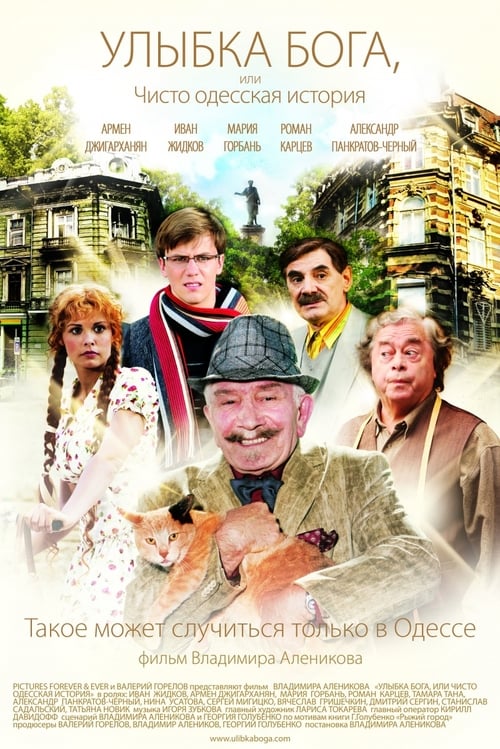
A determined student from Chicago is forced to fulfill the last wish of his ailing grandfather. He has to travel to Odessa, Ukraine, and bring back his grandfather's cat.
God's Smile
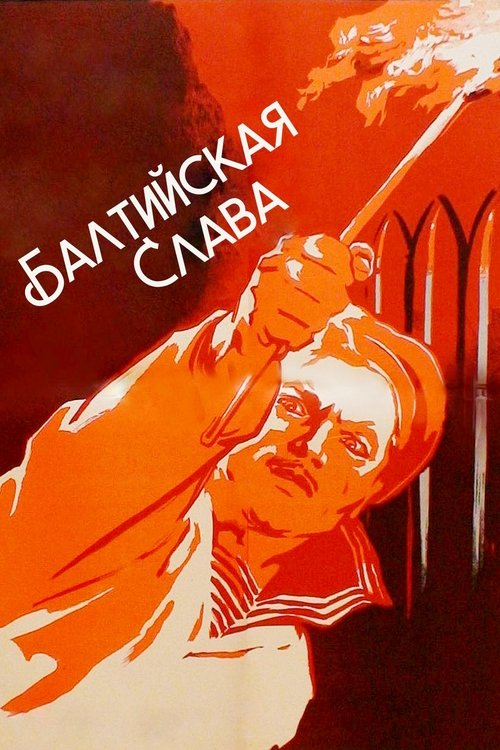
A film about the struggle of Baltic Fleet sailors for revolutionary Petrograd in the autumn of 1917. The film focuses on the fates of a sailor and a naval officer who join the ranks of those fighting for the revolution.
Baltic Glory
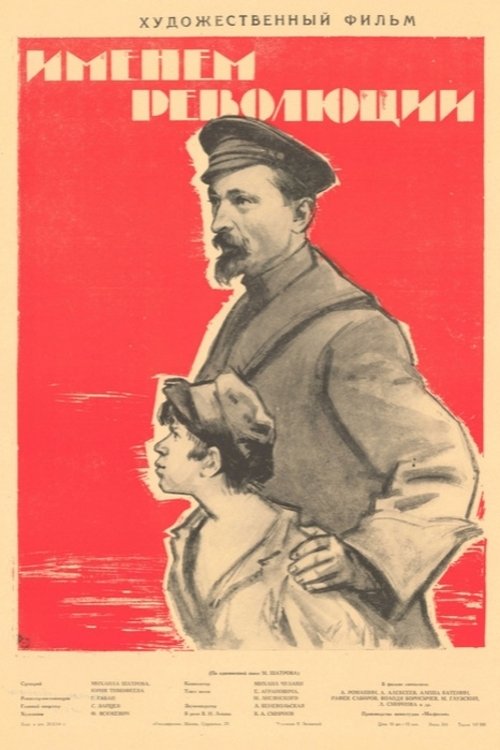
1918. After the death of the mother, the father decides to take the children to Moscow to see a distant relative. On the way, the guys experience a raid by a White Guard gang on a train, the death of their father, and meet the homeless child Yashka, who brings a plan to Lenin - how to destroy all the bourgeoisie and all the counter-propaganda in one day. The boys become involved in revolutionary events, and ahead is Moscow, a chance meeting and conversation with Lenin and Dzerzhinsky, the fight against counter-revolution...
In the Name of the Revolution

Katusha, a country girl, is seduced and abandoned by Prince Nekludov. Nekludov finds himself, years later, on a jury trying the same Katusha for a crime he now realizes his actions drove her to. He follows her to imprisonment in Siberia, intent on redeeming her and himself as well.
Resurrection
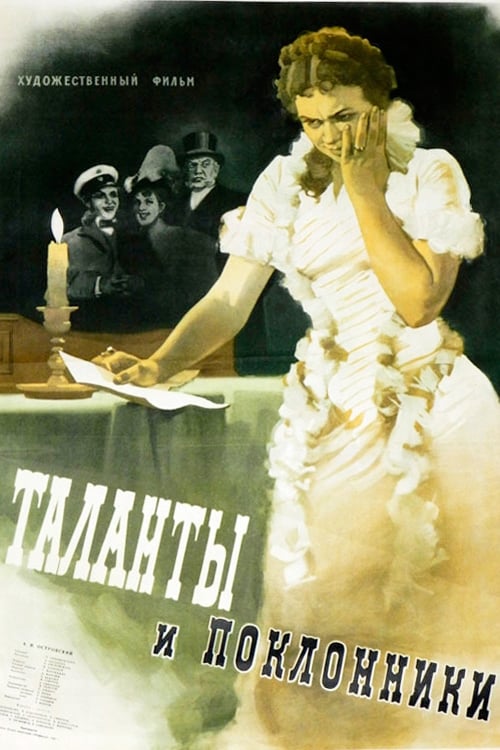
Negina, a talented actress at a provincial theater, must leave the stage because her purity of behavior is incompatible with theatrical customs. She loves the student Meluzov, and both dream of an honest, hard-working life. Harsh reality destroys her plans. A natural actress, Negina is unable to leave the theater, and in order to serve art, she is forced to betray her ideals and sell herself. After agonizing doubts, the actress becomes the mistress of the wealthy landowner Velikatov and leaves with him. Meluzov, left alone, angrily denounces the depraved "admirers of talent," the masters of the city.
Talents and Admirers
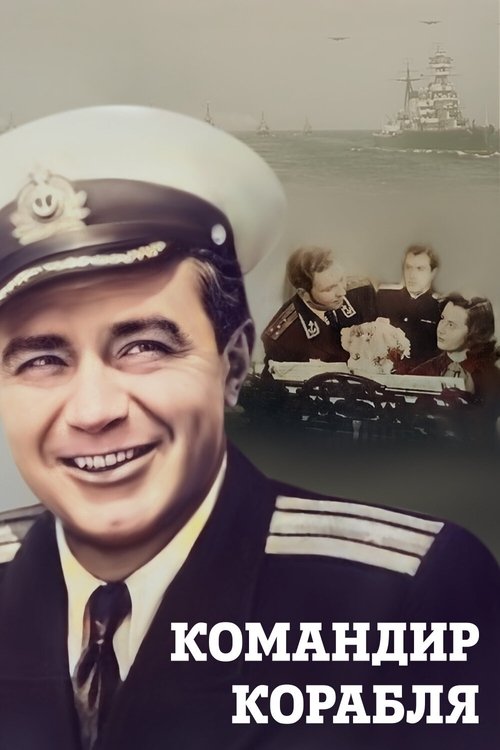
Andrei Vysotina, who has just graduated from the Naval Academy, is appointed commander of the ship Derzhavny. The hero challenges the commander of another ship in the Black Sea Fleet, whose wife he was once in love with...
The Ship Commander
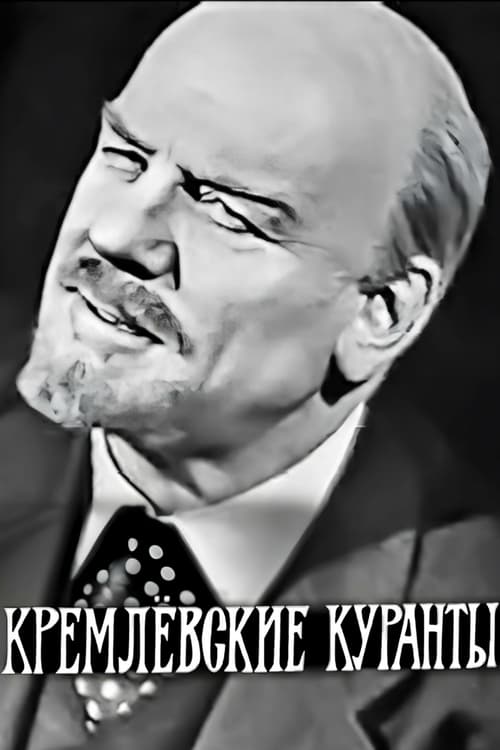
Performance of the Gorky Moscow Art Theater based on the play by N. Pogodin.
The Kremlin Chimes
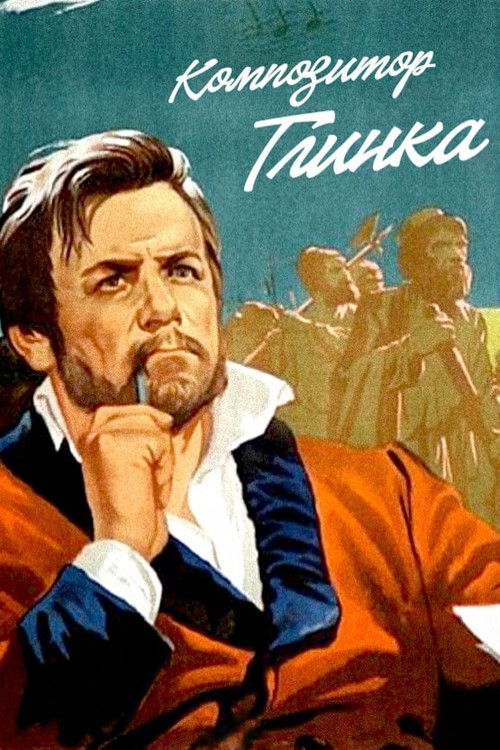
The young composer Mikhail Glinka performs his new work at a soiree at earl Vielgorsky's house. However, the public is accustomed to Western music, and reacts coldly to the creation of the composer. This makes him very sad, but soon he decides to go learn the art of music in Italy. After returning from Italy, he is full of desire to write national Russian opera. Vasily Zhukovsky proposes a subject: a feat of Ivan Susanin. Tsar Nicholas I change the name of the opera to A Life for the Tsar and assigns a librettist - Baron Rosen. Acquaintance with the future co-author shocked Glinka: Rosen speaks Russian with a noticeable German accent. The premiere was successful, but Glinka was still not entirely happy with the libretto: "False words were written by Rosen". When Nicholas I learned that Ruslan and Lyudmila was written on Pushkin's subject, he sees it as sedition. The bitter experience of the composer brighten his supporters.
Man of Music
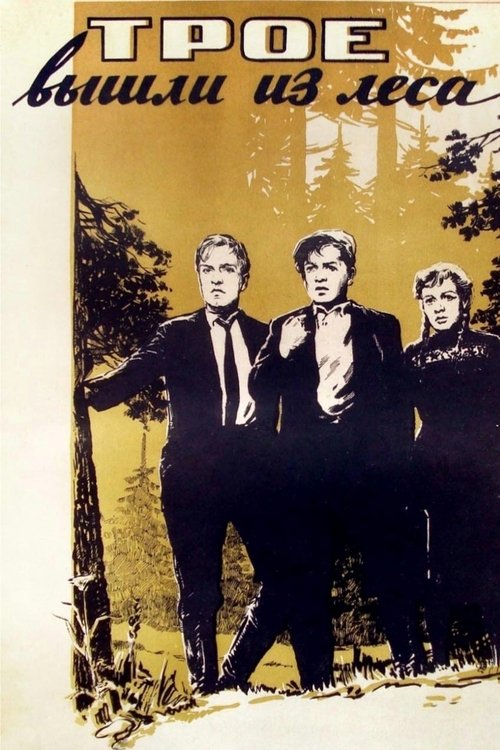
After the partisans Julia, Pavel and Sergei went out on a combat mission, the detachment was surrounded and destroyed by punishers. Years later, a document was discovered stating that one of the three was a traitor.
Three Came Out of the Woods
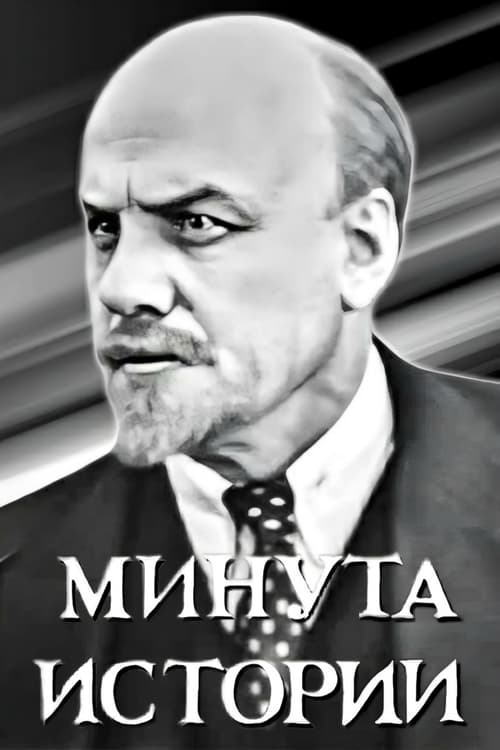
The counter-revolutionaries instructed Sergei Yaroslavtsev, the cadet, to make an attempt on the life of V.I. Lenin. He manages to get into the leader’s office, but the conversation with Lenin leaves an indelible impression on Sergei...
A Minute of History
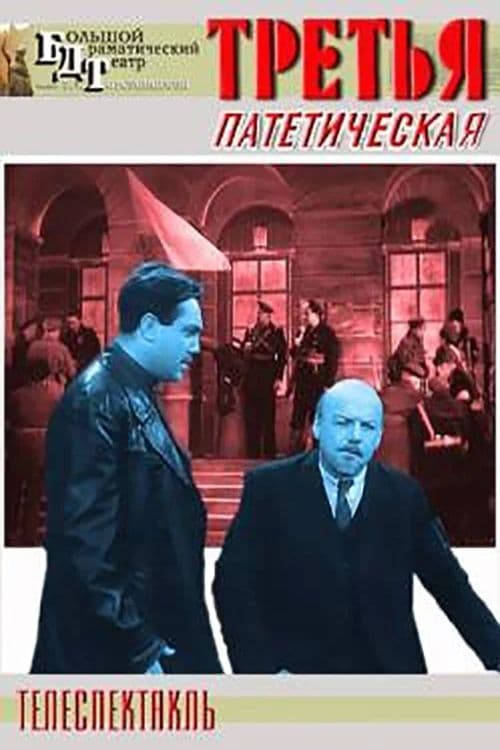
The main character is the chekist Fyodor Dyatlov. He is in love with his friend Hippolytus' sister, the educated, intelligent Irina. At the same time, he harshly pursues the younger brother of Hippolytus and Irina Valerik. He is also a security officer, but in his youth he was tempted by a bribe. Fyodor investigates the case himself and puts Valerik in the hands of higher security officers. His possible happiness with Irina and his friendship with Hippolytus are at stake. But Fyodor is a real fanatic of the communist idea. For the sake of principles, he will do anything.
The Third, Pathetic
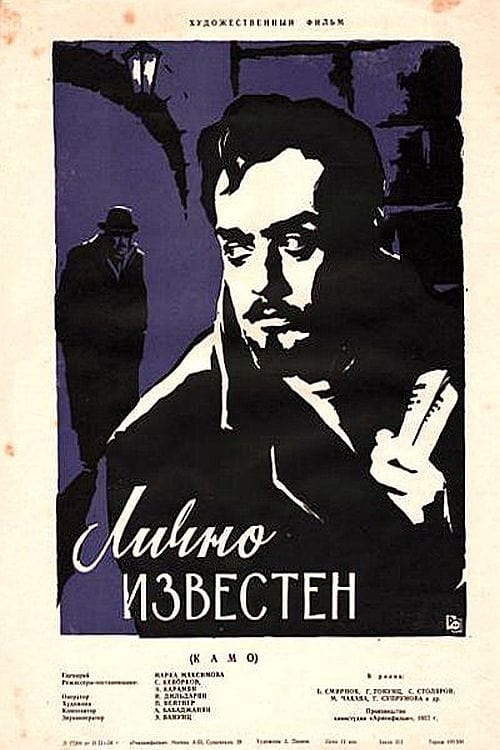
A film about the Bolshevik revolutionary S. A. Ter-Petrosyan, known as Kamo (1882-1922). 1905. Detectives and gendarmes are searching for Kamo on a courier train. None of them suspect that behind the mask of a dapper prince playing cards with a gendarmerie colonel lies a brave revolutionary. In a first-class compartment, Kamo is carrying dynamite for the rebellious workers. In Tiflis, portraits of Kamo are plastered on the walls of houses. A large reward is promised for his capture. However, nothing can stop the daredevil. Under the leadership of the Russian Bolshevik Vasily, he organizes a workers' militia and, together with it, performs a series of feats.
Personally Known
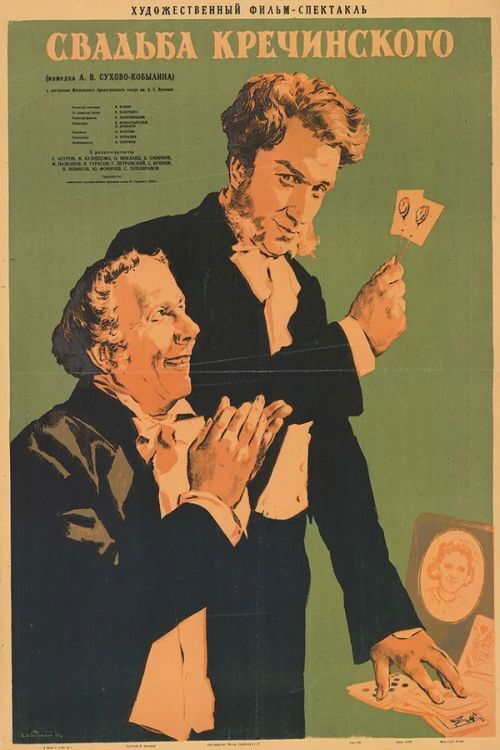
Mikhail Vasilyevich Krechinsky, an avid gambler and cardsharp, loses a large sum of money. Creditors are closing in on him from all sides. The only way out is to marry a rich girl. To get his father's blessing and speed up the wedding, Krechinsky resorts to deception.
Krechinsky's Wedding
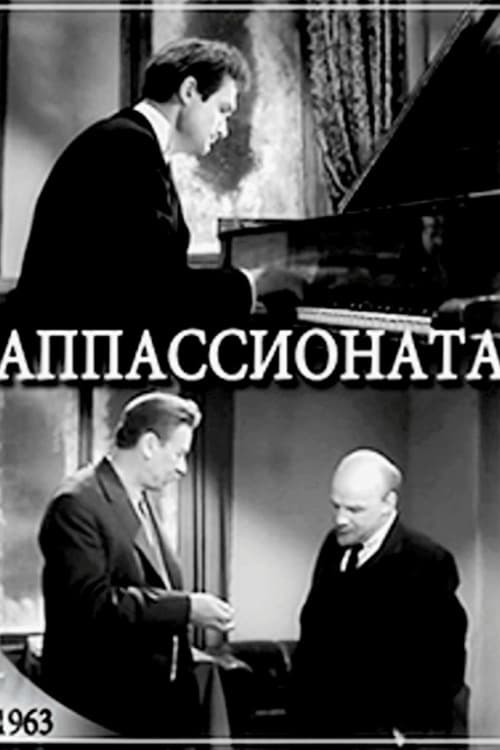
TV movie based on the essay by M. Gorky "VI Lenin". In the winter evening of 1920 VI Lenin (Boris Smirnov) met at the apartment of E.P.Peshkova with A.M.Gorky. In the "burzhuika" smoking raw wood. It's cold. And the two thinkers have a heartfelt conversation about the future of Russia. Lenin seems to continue his argument with H.G. Wells. He talks about the role of the artist in the life of society, about his place in the struggle for the future. Gorky is visited by pianist Isaiah Dobrovein. Lenin listens to his performance of Chopin, and then Beethoven's "Appassionata"; he is captivated by the power of Beethoven's genius. An automobile rushes through the night Moscow. Lenin is in the car. Beethoven's music is sounding. On the screen is the Kremlin. The banner of the revolution is splashing over the building of the Supreme Soviet of the USSR.