
Federico García Lorca
Writing
Known For

Set across three timelines — Republican Spain in 1932, the Civil War in 1937, and contemporary Spain in 2017 — the film follows a constellation of interconnected lives centered on three young men, whose emotional and political echoes gradually reveal themselves.
The Black Ball

Armchair Theatre is a British television drama anthology series of single plays that ran on the ITV network from 1956 to 1974. It was originally produced by Associated British Corporation, and later by Thames Television from mid-1968.
Armchair Theatre

Based on the famous play "Bodas de sangre" (Blood Wedding) by Federico García Lorca, La novia tells the story of a passionate love triangle. A bride leaves her groom, no longer able to withstand the surging desires of her lover, Leonordo.
The Bride
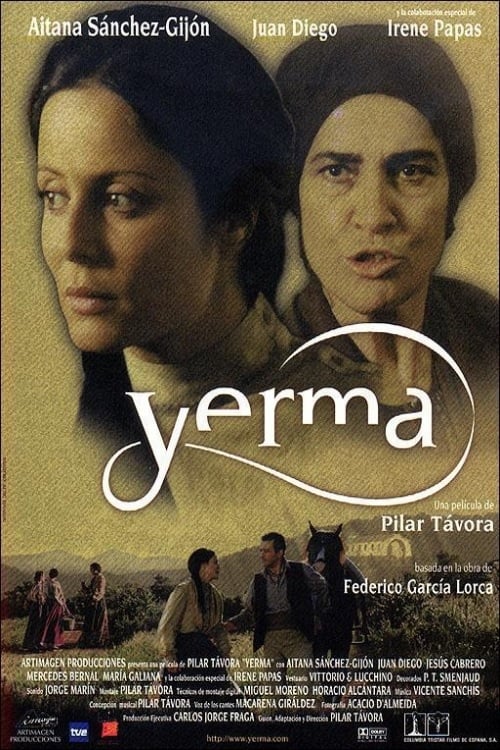
Yerma is desperate to have children, so when a psychic advises her to look outside her marriage to conceive, what can she say but yes?
Yerma
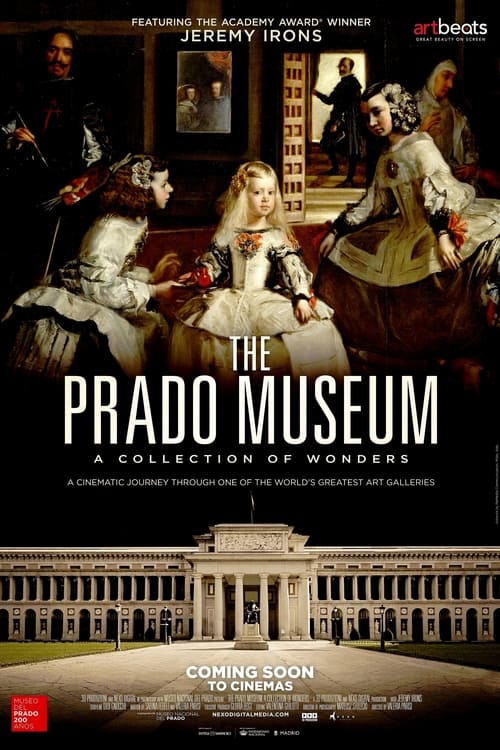
Actor Jeremy Irons embarks on an epic journey through the halls of the Prado Museum in Madrid, Spain, two hundred years after its inauguration, along corridors where thousands of masterpieces of all time tell the lives of rulers and common people, and tales about times of war and madness and times of peace and happiness; because, as Goya said, imagination, the mother of the arts, produces impossible monsters, but also unspeakable wonders.
The Prado Museum: A Collection of Wonders
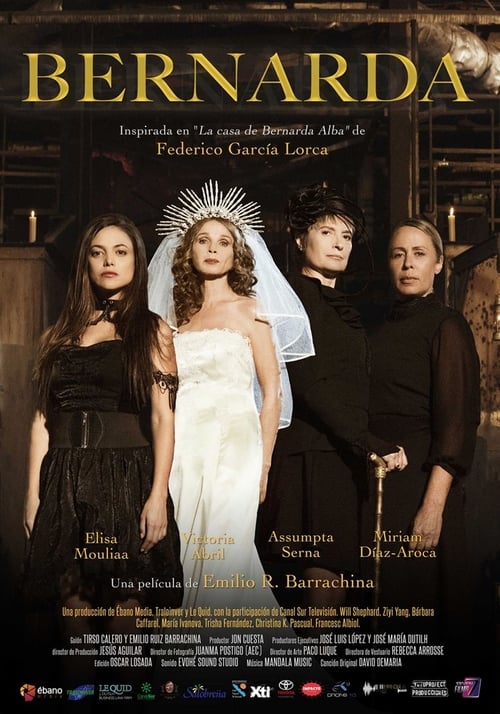
Bernarda is a loose adaptation of the play La casa de Bernarda Alba by Federico García Lorca . Five women are kidnapped and locked in a strange factory and forced to work as prostitutes.
Bernarda
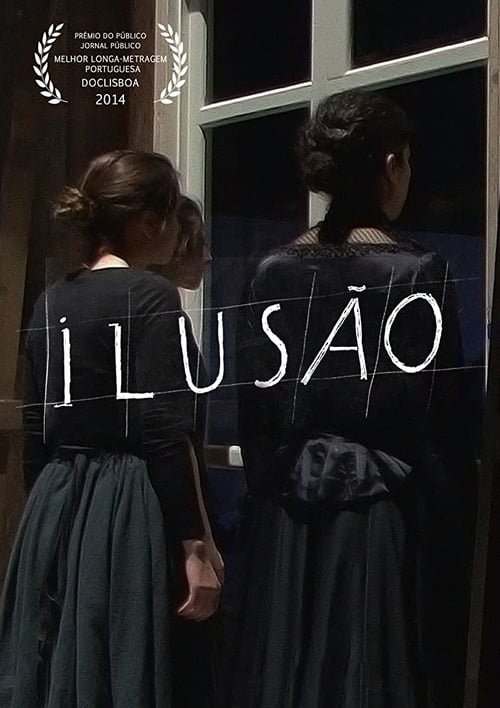
Luis Miguel Cintra, renowned actor, stage director and director of the Portuguese theatre company Teatro da Cornucópia, staged the play Illusion in early 2014. This play was based upon texts by Federico García Lorca. However, the 119th company's show was no ordinary show, for in the cast there were 59 non-actors, amateurs and theatre students.
Illusion

No description available.
血の婚礼
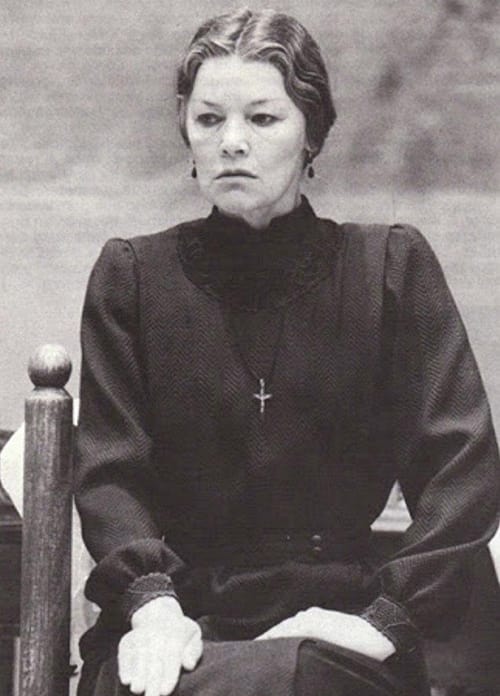
A domineering,reclusive, and ostentatiously pious widow in a small Spanish town keeps such close watch on her daughters that they are unable to have normal social lives. However, the eldest is allowed to become engaged to an unprincipled young man, primarily for the financial advantages it will bring the mother, Bernarda. Jealousy and envy ensues among the other daughters.
The House of Bernarda Alba

A dance troupe prepares for and completes a dress rehearsal of Federico García Lorca's tragic play "Blood Wedding," which is about a bride who runs away from her wedding with a former boyfriend.
Blood Wedding
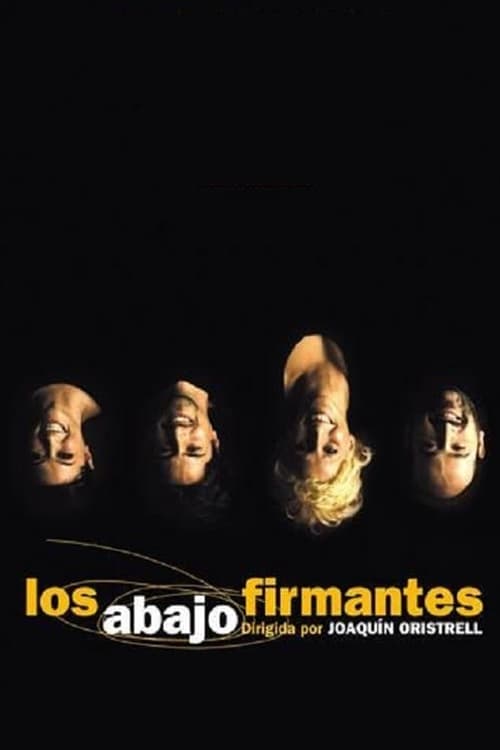
The first actor of a theater company on tour in Spain dies in a car accident. A new actor, Jorge Ruiz, is to relieve you. He's handsome, young and revolutionary. His arrival creates tension, jealousy and distrust in the rest of the cast, is-especially in Mario Soto, which is responsible to lead in the absence of the author of the assembly, busy with an opera for the Teatro Real in Madrid . Already in the first trial of the work concerned the "Play Without a Title" by Federico Garcia Lorca, their personalities collide head. Morante Carmen, leading actress of the company, and Laura G. Reyna, which was secret lover of the deceased, witness the struggle between the two. As if that were not enough, the newcomer brings added conflict: reading at the end of the function of a manifesto for peace. Mario questioned that decision and the company is divided.
Los abajo firmantes
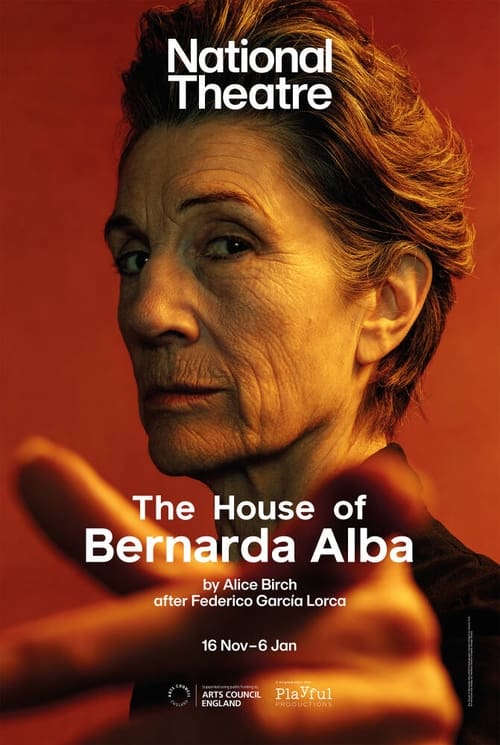
In the domain of Bernarda Alba, a daughter who disobeys is no longer a daughter. Forced to live under their mother’s tight grip as they mourn their father’s death, can five sisters survive when young Adela dares for passion and freedom?
National Theatre Live: The House of Bernarda Alba

A woman is driven to the unthinkable by her desperate desire to have a child in Simon Stone’s radical production of Lorca’s achingly powerful masterpiece.
National Theatre Live: Yerma

The sequel to the blockbuster Argentinean smash hit. After ten years, Oliverio is still intrigued by the works of great poets and continues to search for true love. When he meets the beautiful Miranda, she suggests that they both move in together and find jobs. Oliviero, however, leaves Miranda in search of his first love Ana who he met ten years prior. Once in Barcelona, he realizes that Ana's life has drastically changed and their love is in the past. Soon, he meets poet and circus performer, Alejandra. Oliviero becomes smitten and desperately tries bond with her, but she makes things a little more difficult that he ever imagined.
The Dark Side of the Heart 2
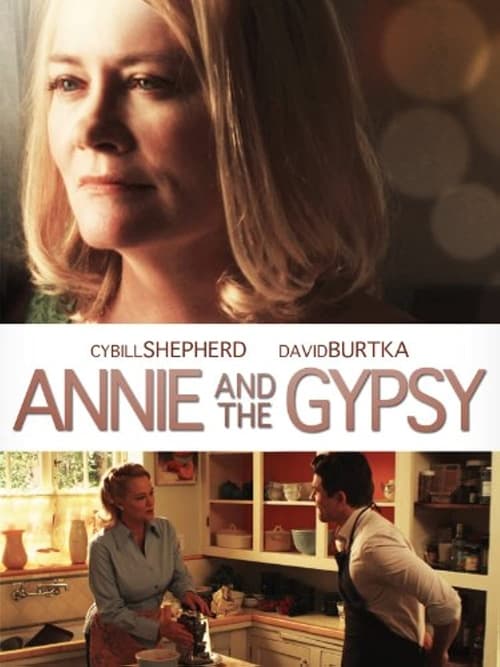
Director: Russell Brown WHITE CAMELLIAS is a melodrama that revolves around an artist in her early 60s (Cybill Shepherd) who throws a Spanish-themed dinner party in the hopes of rekindling the great love affair of her youth. A passionate woman who fills her home with poetry and paintings, Annie is a genuine romantic which also leaves her vulnerable to disappointment and occasional delusion. As the evening progresses, her expectations of love transform as she faces painful truths about her past and present. Fueled by the strong words of her favorite poet -- Federico Garcia Lorca -- Annie will redefine her vision for the future and her definition of happiness over the course of this dark night of reckoning.
White Camellias

At the end of the 19th century, young Rosita and her cousin are engaged to be married, shortly before he has to leave for Cuba.
Doña Rosita la Soltera
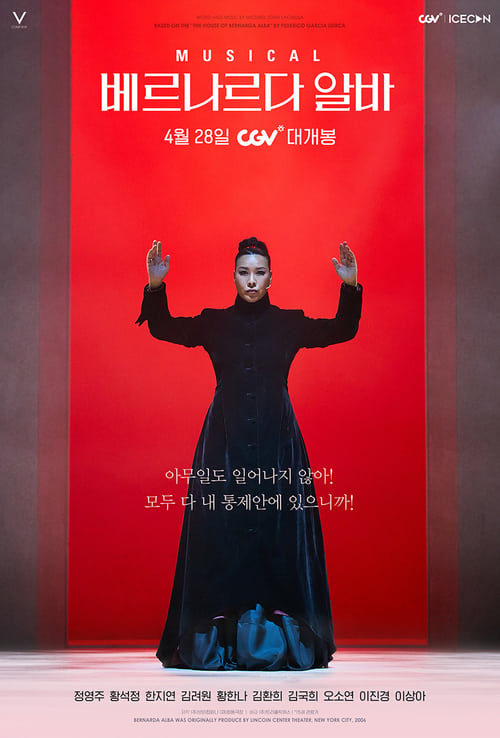
No description available.
Bernarda Alba
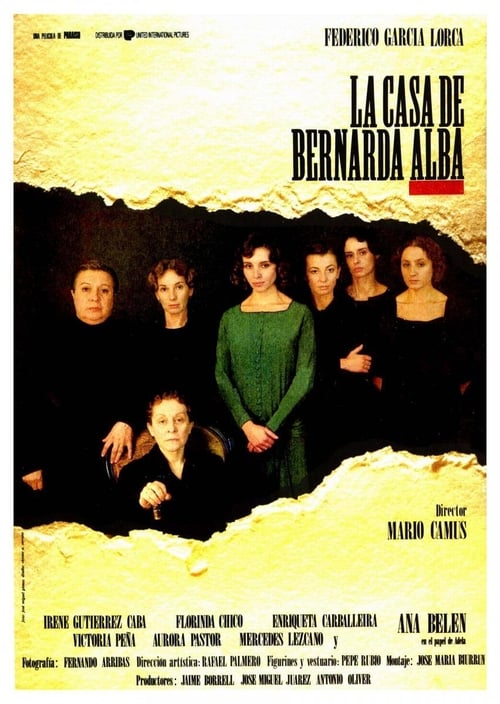
After the death of her husband Bernarda Alba puts her daughters under a rigurous mourning which does not even allow them to leave the house.
The House of Bernarda Alba
No description available.
Plánka
an adaptation of a play by Federico Garcia Lorca. After her husband's death, Bernarda Alba imposes eight years mourning period upon her household as the tradition runs in her family. In a household of 5 girls their mother and their grandma the tension and the deprivation arise as the mourning period isolate them from the rest of the village and deprive them of any male contact.