Directing
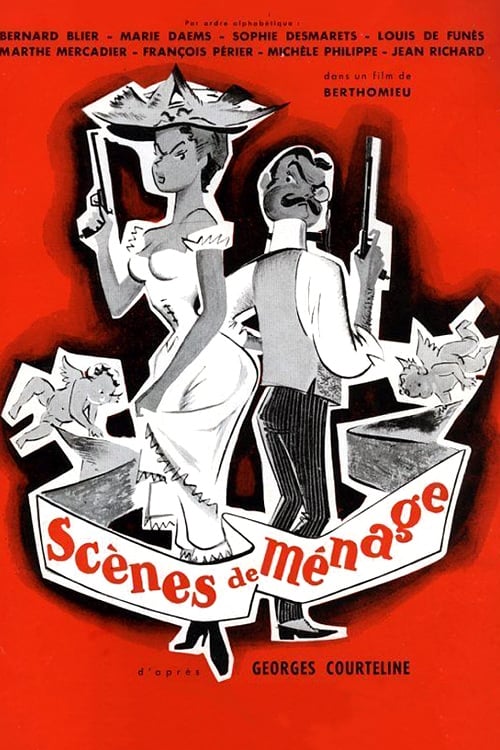
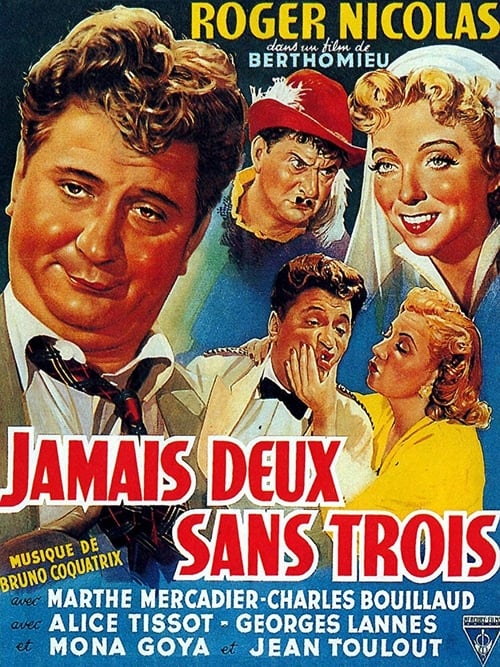
Three old friends meet again. They compare their marriages and tell each other stories which illustrate why they complain about their wives.
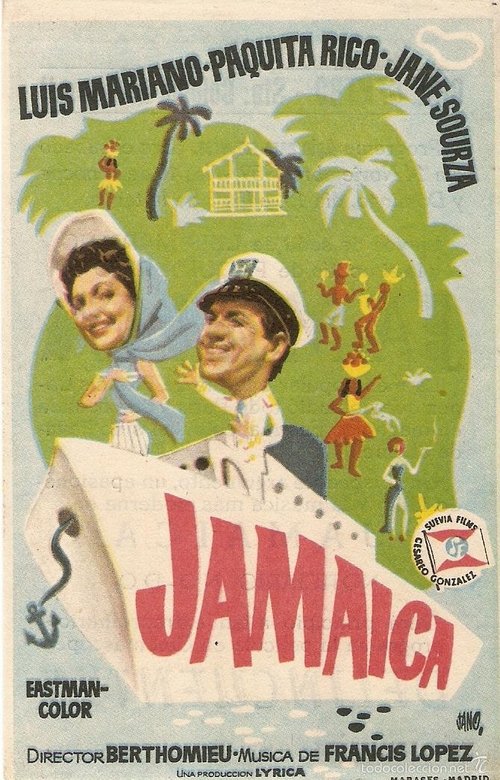
Manuel, a landowner in Jamaica, arrives in Paris on vacation. There he meets Olivia, a Spanish popular singer and falls in love. Olivia leaves Paris to play in a casino of the Riviera and Manuel follows her there. Maxime lives in Cannes, uncle of Olivia, a trickster who poses as a magician and has great influence on Annie, an eccentric billionaire. At the same time, Simeon, Annie's secretary tries to bribe the magician to influence Annie to accept to marry him, but as Maxime also wants to marry her, Simeon uses the services of a private detective. Manuel receives a telegram asking him to return to Jamaica. So, Annie proposes them a cruise aboard his yacht and invites Olivia.
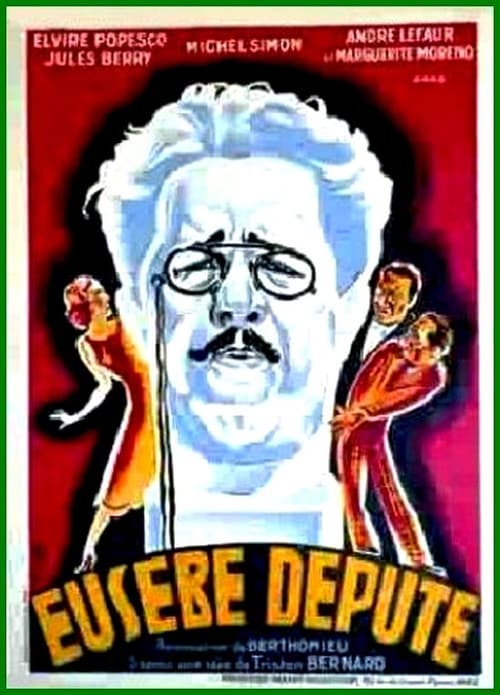
Eusèbe Bonbonneau, a solicitor's clerk, learns one day that a candidate bearing his name runs for election as a member of parliament. In fact Frazier, a crooked businessman, has urged an accomplice to impersonate Eusèbe, in order to obtain, through this straw man, authorizations for the creation of a casino in Sanceau-les-Nains and to make big money out of it. Eusébe decides to go to Paris to investigate. In the capital he meets Mariska, an exuberant actress who encourages him to try to get elected. As a result, thanks to her the true Bonbonneau becomes a member of parliament and the crook's accomplice is arrested. But Frazier is not impressed and, changing tactics, he starts manipulating Eusèbe.
A poor youth of noble birth needs to marry. Will the cynical, calculating upstart who wants to set him on the right course be able to help?
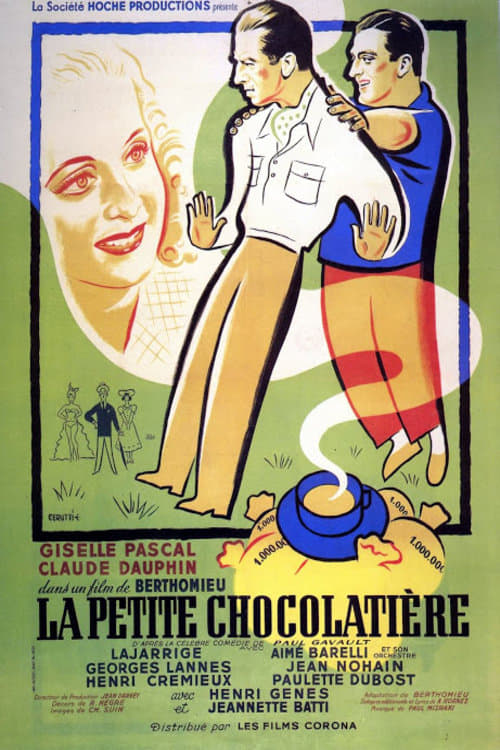
Benjamine, the daughter of the chocolate maker Lapistole, has broken down in her car, spends a night at Paul Norman's, imposes herself casually and causes the break-up of the engagement of this peaceful civil servant with the daughter of his department head. A friend maintains contact between Paul and Benjamine, becomes the head of publicity at Lapistole and when Norman is dismissed through Benjamine's fault, brings his two friends closer and proves to them that they are made for each other.
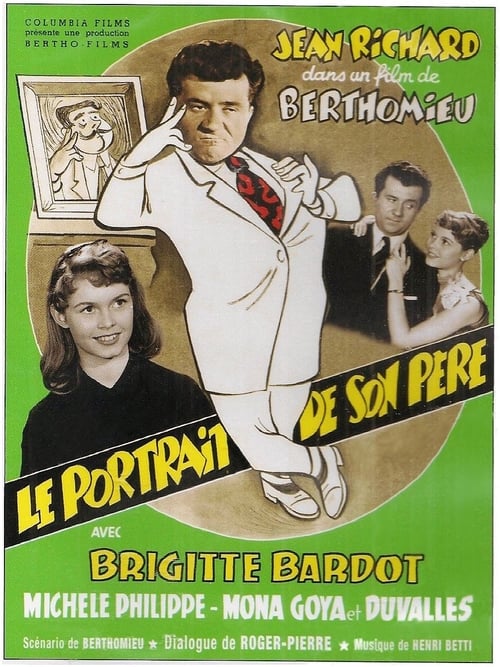
When Paul returns to claim his estranged father's department store, he faces a frosty stepmother and a rebellious half-sister. His determination revives the once-thriving Galeries Parisiennes, healing familial rifts, and leaving a lasting bond with wise Marie-Louise.
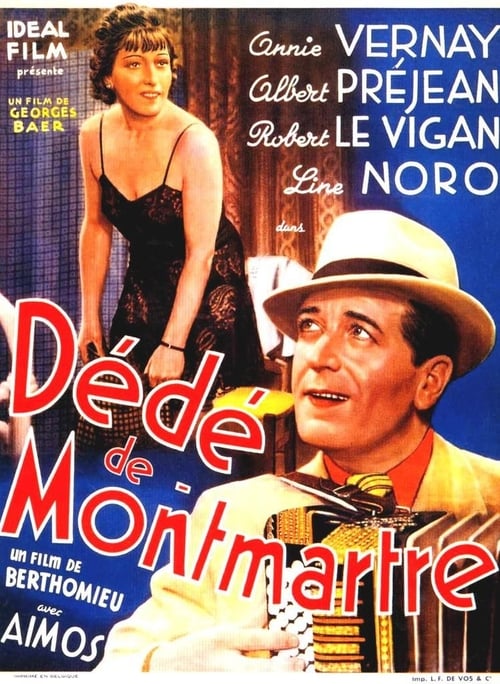
Dédé de Montmartre, former king of the accordion, has become a bad boy who lives off drug trafficking and prostitution. He sets his sights on a young girl, fresh and naive, Odette, saleswoman at Galeries Lafayette. But he is touched by the charm of this midinette.
An adventuress serves as bait for a swindler, who robs the naive people she brings to him with poker. A childhood friend helps him.
Naive and good-hearted Léon Ménard arrives in Paris, determined to find work in the capital. In a café, he meets Bob, a seedy guy, who helps him to get a job. On cloud nine, the ingenuous young man, does is unaware of how Bob manipulates him. Having become the night concierge of a hotel, the thankful Léon lets Bob and his accomplices get into the pace. Jewels are stolen as a result.When he is accused, Leon refuses to incriminate his "friend". Fortunately, Charlotte, Léon's fiancé, manages to find evidence of Bob's guilt and thanks to a premium paid by the diamond dealer the two lovebirds can buy a grocer's shop and tie the knot.
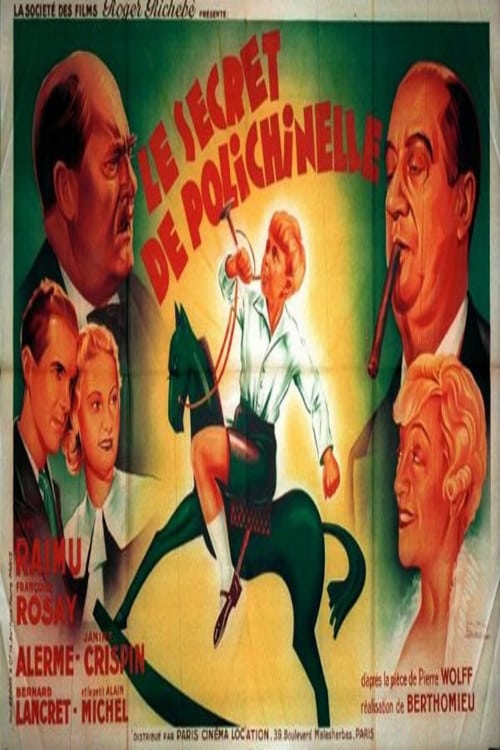
Secret de Polichinelle roughly translates as Open Secret. The "secret" in question is an illegitimate child, the offspring of young-and-foolish Henri (Bernard Lacret). The baby is adopted by its grandparents, Monsieur and Madame Jouvenol (Raimu and Francoise Rosay). At first taking charge of the child because it is their duty, the Jouvenols come to love the little nipper as if he were their own son. At this point, the film threatens to drown in a morass of sentiment, but the actors and the director manage to stem the bathos with some first-rate comedy vignettes revolving around the care and feeding of the bouncing baby boy.
Franck Crighton is a millionaire who is fed up with his hectic life. To have a bit of peace and quiet he has found the winning formula, passing himself off as Guillaume Aribeau, his own secretary. Under the cover of this modest condition Franck can both lead a freewheeling life and find true love.
No description available.
Father Benoît would like one of his twins to take over his inn, at 3 plates. But his ancillary ambitions are not commensurate with his last 3. Bernard is also in love with Hélène, daughter of Colonel Flouc de La Donzelle. He dreams of becoming an actor and goes to Paris to find a job. Difficult beginnings since from the theater, he goes to the cabaret, then to the radio, without success. In the final scene, the 3 brothers meet, which gives rise to a series of gags during the wedding.
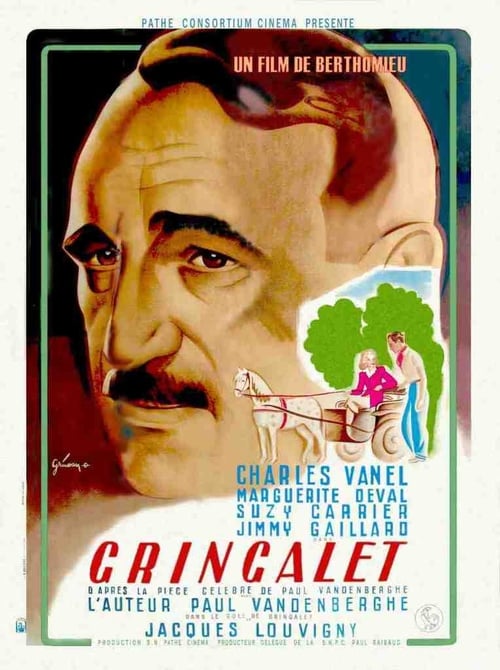
A wealthy man has two sons,one of them is legitimate,the other is not.The first offspring has had a life of luxury and he has become a lazy good for nothing whereas the youthful indiscretion has turned into an artist.He is nicknamed "Gringalet" .Now his father wants him to meet his half-brother ,his mother-in-law and the rest of the family. Gringalet will turn this bourgeois family upside down:they become nice,the big brother becoming a perfect businessman who stops scouring nightclubs to spend most of his time with his fiancee Josette.There's the rub,cause Gringalet is also in love with her.
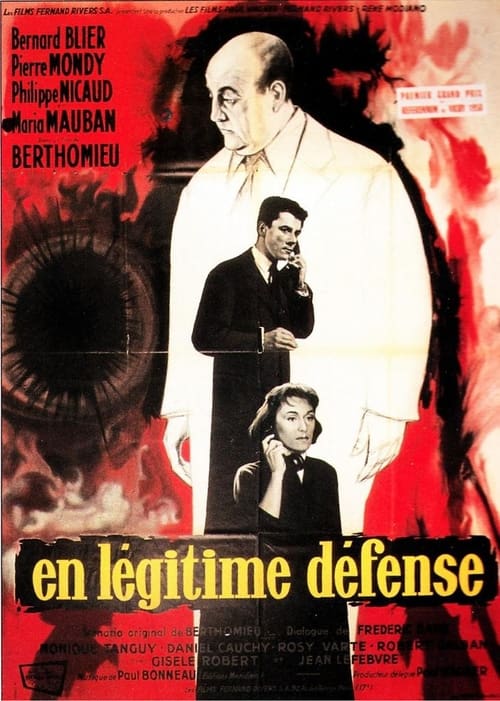
Two friends from the last war, Pierrot, a bar owner, and Gustave, a police inspector, are in contact with a notorious gang of racketeers in Montmartre. Tired of putting up with Albert the King's demands, Pierrot kills the gangster during a bar brawl. His first instinct is to flee, but on Gustave's advice, he turns himself in to the law. All things considered, he'll be safer in prison than exposed to the reprisals of the "underworld". Pierrot goes to trial. He was acquitted as having acted in self-defense. But his release leaves him open to the vengeance of Bob, one of Albert's accomplices. Pierrot narrowly escapes an ambush, but is finally able to rid himself of the threat hanging over him, thanks to the friendship of Inspector Gustave, and finally reunites with the companion of his life, Dora, who has never stopped trembling for him.
The workers Legendre and Martinet have won a large sum in the national lottery. Instead of squandering it, they had the good idea to invest it in industry. Happy in business, they soon find themselves at the head of a fortune. But their characters are very different. Legendre, who is brave and honest, narrowly escapes the malevolence of a couple of harlots. Martinet, his former work companion, has become a crooked and formidable financier. Both will face each other in court, the honesty of the first finally triumphing over the greed of the second.
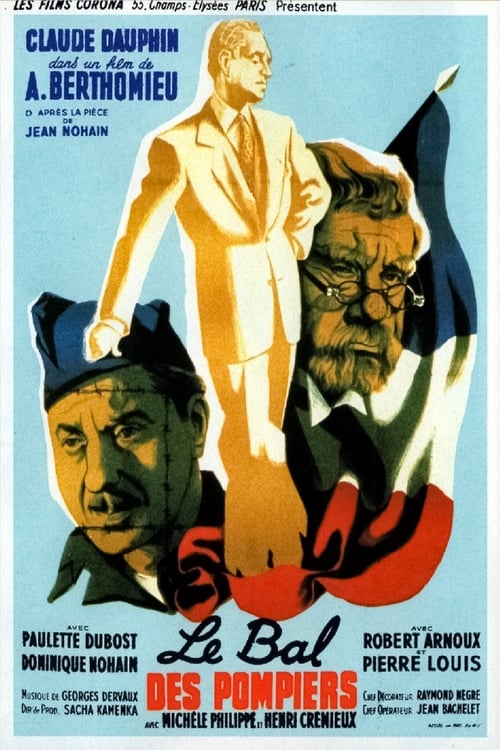
1944, France experiences its last days of German occupation. A microcosm representative of the various attitudes adopted during this troubled period, some heroic, others less brilliant, the Grégeois family, scattered by the war, will strengthen its ties according to the Allied advance on the territory and the liberation of Paris, with its joys but also its sorrows, because not all of its members will survive the relative chaos that will characterize this end of the world war.
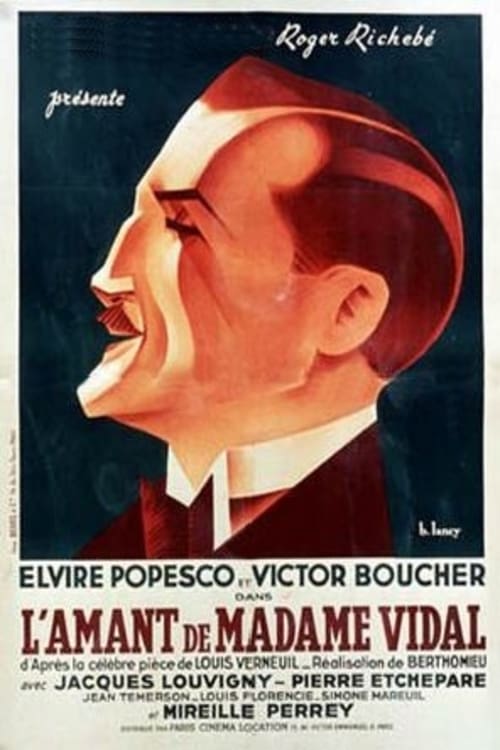
Catherine Vidal is a featherbrained wife who imagines that her husband cheats on her. To wash away the alleged stigma, Catherine hires a young man who will pose as her lover. The (double) trouble is that not only is Catherine's husband innocent but that Catherine and her "employee" fall in love for good as well.
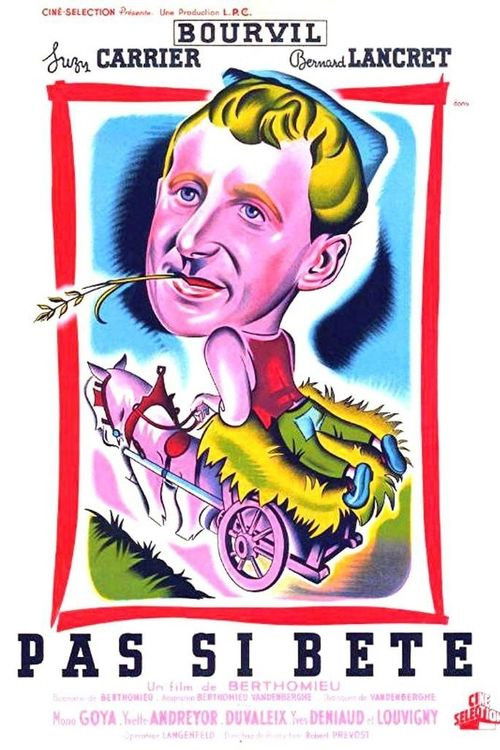
Léon Ménard, a farmer and an apparently simple man of the country, is invited to visit his uncle Henri Ménard, a prosperous industrialist. He encounters a number of people scheming to marry into the Ménard family for the sake of money. Ménard discovers and thwart the plots and manages to unite a young couple who truly are in love. The romantic comedy ends happily with a double marriage. Henri's daughter Nicole marries Didier, and Ménard marries his new-found love Rosine. It turns out that Léon is "not so stupid" after all.
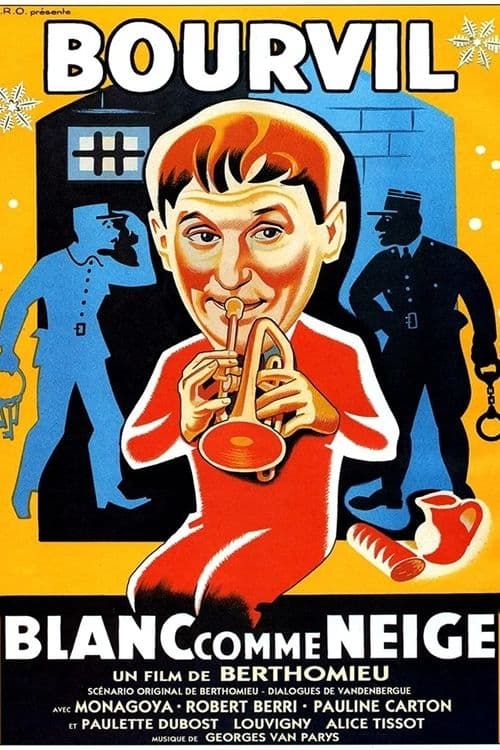
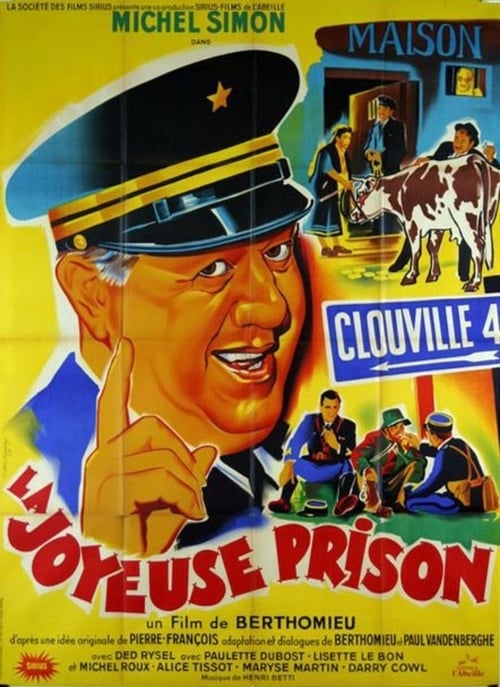
Benoit, the head guard of Clouville Prison, prefers to be liked than feared. This basic principle transforms the jail-house into a joyful prison, where all the inmates live amicably together. Among them, various colorful characters : a farmer, a poacher, a distiller, a forger, two pickpockets, a safe-cracker, a gangster and... a good-looking guy who pleases Rosette, Benoit's daughter, well. But too much leniency takes its toll : after Vauclin, the gangster, manages to escape and a complaint is filed against "the deplorable disorder reigning in the joyful prison", Benoit is given early retirement. He will know how to take advantage of his new status live a joyful life with his wife, his daughter and André, his son in law, in fact the nice-looking young prisoner who, in the meantime, has been cleared of all charges.