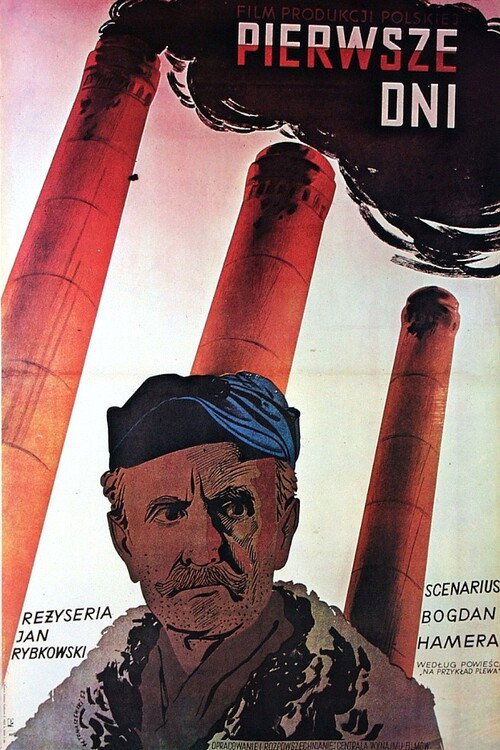
Jan Rybkowski
Directing
Biography
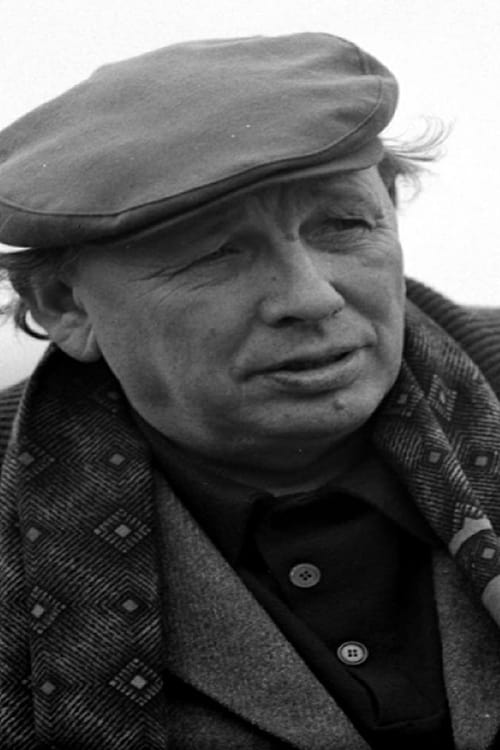
Jan Izydor Rybkowski (4 April 1912 – 29 December 1987) was a Polish film director. He directed 30 films between 1949 and 1984. His 1961 film Tonight a City Will Die was entered into the 2nd Moscow International Film Festival. Two years later, he was a member of the jury at the 3rd Moscow International Film Festival.
Known For

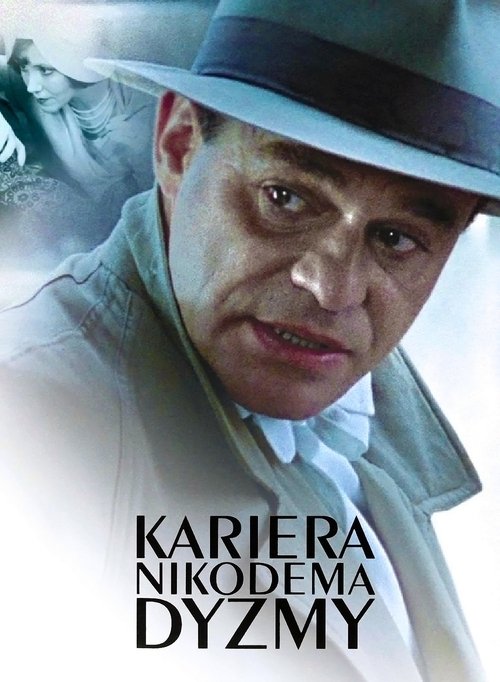
Nikodem Dyzma immigrates from the eastern part of Poland to the capital in the hope for possibilities to make a living. He is in need, very poor and forced to look for basic food and shelter. Yet, on a day when an unexpected invitation appears, his life changes dramatically.
Kariera Nikodema Dyzmy

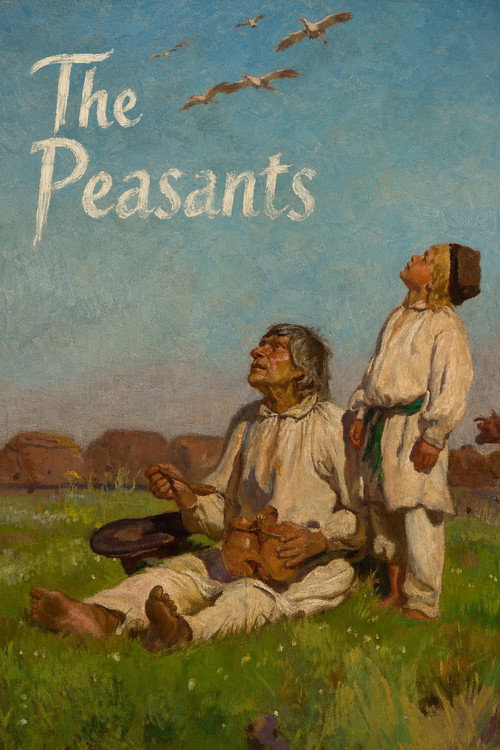
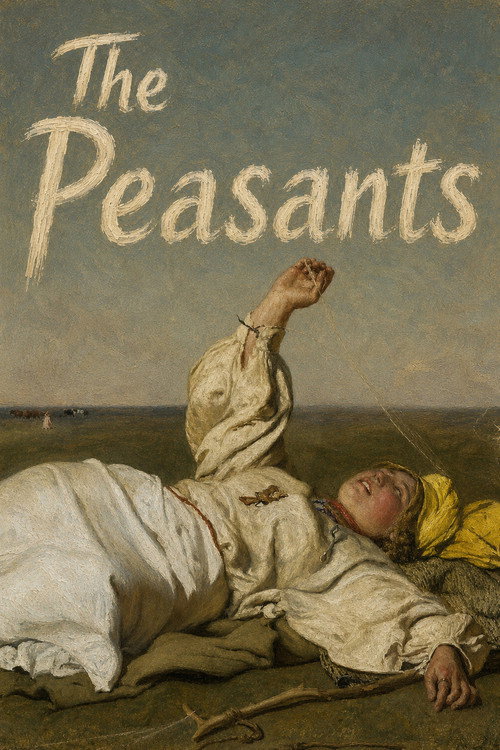
A TV adaptation of Władysław Stanisław Reymont's most famous novel, realistically depicting Polish rural life at the turn of the 19th and 20th centuries. Against the broad backdrop of rural community life, inextricably linked to the rhythm of nature throughout the four seasons, the complicated and often dramatic story of the Boryna family unfolds.
The Peasants

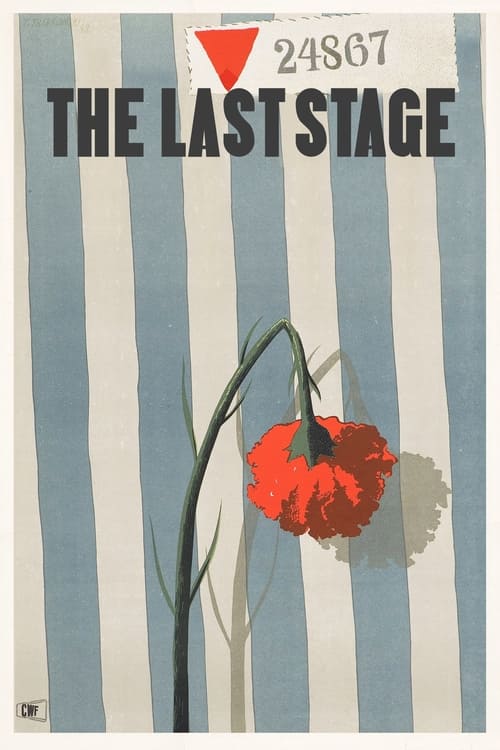
Poland, during World War II. Martha Weiss, a Jewish woman, arrives at the Auschwitz extermination camp with her family. She is assigned the role of interpreter, but her loved ones are much less fortunate.
The Last Stage

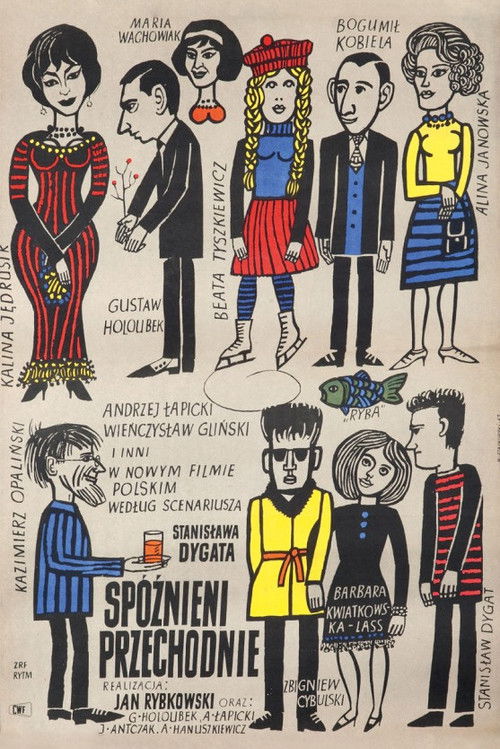
Five short stories. (1) “Czas przybliża, czas oddala” – Edward recalls his unfulfilled love for Anna and, years later, writes to her sister Zofia, mistaking her for Anna. (2) “Krąg istnienia” – A girl falls for Wacek at an ice rink; pressured by family, she marries a soap manufacturer. (3) “Paryż 1945” – A Polish refugee soldier and an American woman share a fleeting wartime bond before she leaves at dawn. (4) “Stary profesor” – Two men seek an old professor to fulfill a dying prisoner’s last wish; Roger impersonates a former pupil. (5) “Nauczycielka” – Neglected wife Zofia accepts film tests, only to find the director seeks an ordinary woman.
Spóźnieni przechodnie

In the last days of World War 2, people of various ethnic background meet in a Polish military hospital in a small German town, whereas a Nazi SS division hides in the local forests and tries to move westwards.
The Hours of Hope

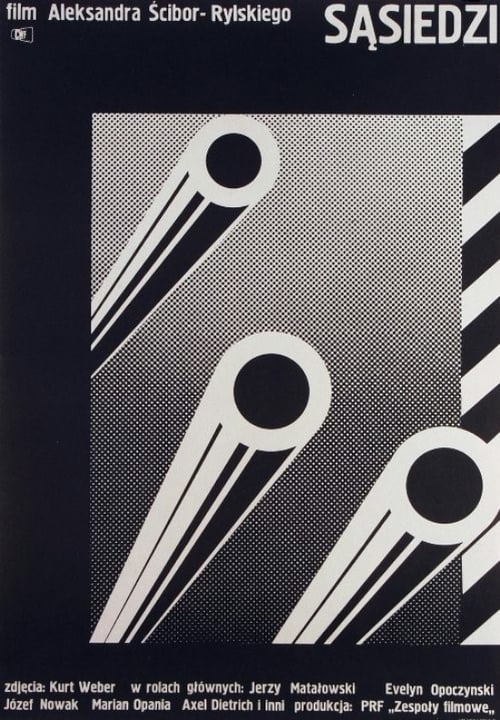
A day before the beginning of the Second World War, a young resident of Bydgoszcz falls in love with a German teenager.
The Neighbours

Told in flashback as Mieszko lies feverish in his bed just before the Battle of Cedynia, Gniazdo recounts how the revered leader extended Poland's borders, formed an alliance with Emperor Otto I, and ultimately strengthened his country's autonomy by achieving victory during that crucial battle in the year 972.
The Nest

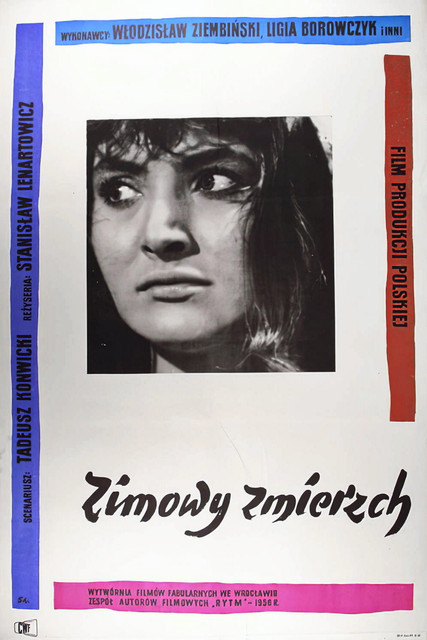
Rumsza, the elderly railwayman, leading a sedate life with his wife, misses his only remaining son (two older boys were killed in the war). Joziuk finally returns from the military in the first scene but with the pregnant Zosia, while Rumsza expected him to marry Celinka, the daughter of Krywka, his only friend and neighbour. The hero will not accept the new situation; he throws his son and Zosia out of his house. Celinka is distressed but she still harbours hope for Joziuk. The birth of the child changes the situation: Rumsza accepts his son's relationship but Celinka decides to leave.
Winter Twilight

An unlikely couple - a Polish concentration camp inmate and a young German girl - stick together and try to survive the RAF bombing of Dresden in February 1945.
Dziś w nocy umrze miasto

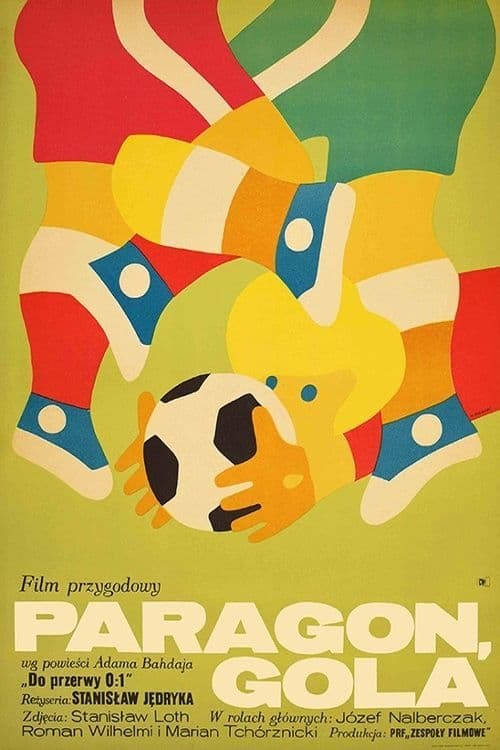
A funny story about a young soccer player nicknamed Paragon.
Shoot Paragon!

In a bucolic Polish hamlet, the tense relationship between a father and son reaches a boiling point when the men lose their hearts to the same woman and vie for her affections. Based on Wladyslaw Reymont's Nobel Prize-winning book and helmed by Jan Rybkowski, this theatrical release (starring Krzystof Chamiec, Wladyslaw Hancza and Emilia Krakowska) was culled from a 13-episode miniseries that aired on Polish television in 1972.
The Peasants

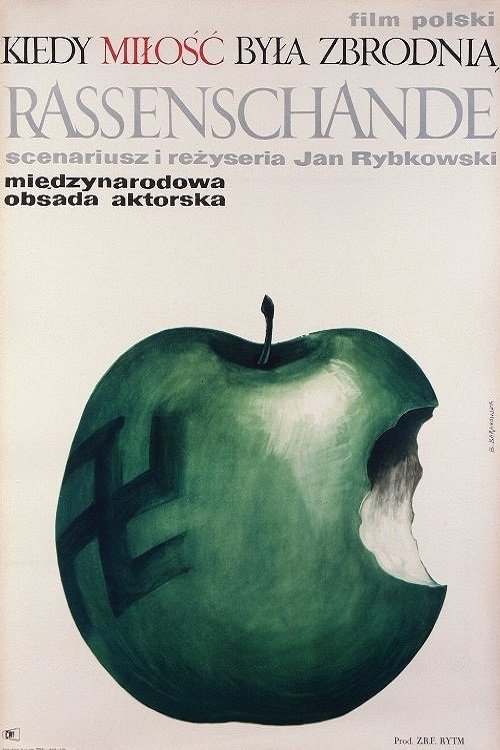
A war drama showing the functioning of Hitler’s “racial purity” law, forbidding foreign workers from any contact with Germany. Foreigners on forced labor in Nazi Germany.
When Love Was a Crime

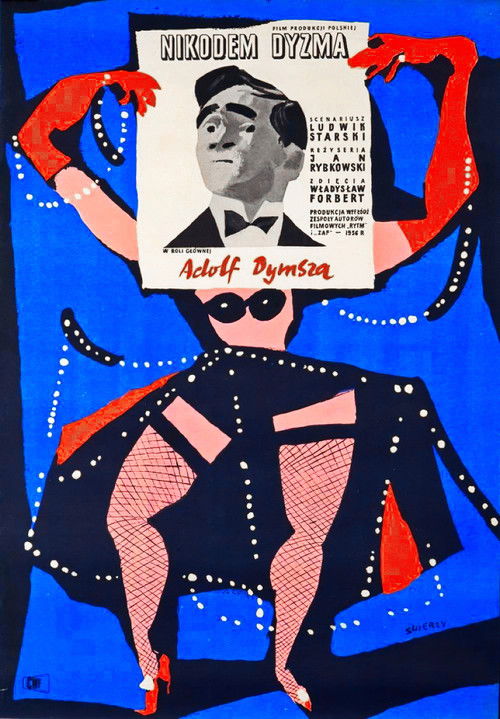
Nikodem Dyzma is a poor dancer who comes to Warsaw to find a job. The problem is that nobody wants to hire him. One day he finds an invitation to the party with very important people and decides to attend. A small accident at the party makes him the hero of the night and becomes the beginning of his career.
Nikodem Dyzma

University student Anna and her boyfriend Tomek use a precious photograph to trace and unveil the complex wartime and post-war past of their parents.
Album polski

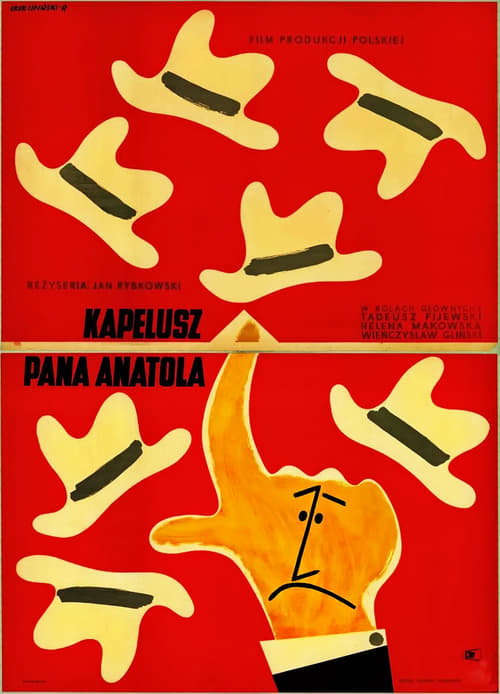
Anatol Kowalski is an old man who works in a bank and loves his old-fashioned hat. One day the hat gets lost and Anatol decides to buy a new one.
Kapelusz pana Anatola

A fairy tale film based on an ancient legend about the founding of Warsaw and the good fairy Sirene of the Mazovian forests, who became the patron saint of the city.
Warszawska syrena

A forty-year old man, destroyed physically and mentally by life experiences recounts his life.
Sposób bycia

Zenon Ziembiewicz, a young, budding journalist, comes to his parents' manor house for a vacation. Here he enters into an affair with the lovely Justyna Bogutówna, the daughter of a cook. When the canicule comes to an end, Zenon packs his bags and leaves for Paris to study. Returning after a year with a doctorate in political science, he makes a fast and glamorous career. He becomes the editor-in-chief of the local newspaper and, soon after, mayor of the city. He also marries Elzbieta Biecka, but still does not break up with Justyna.
The Border

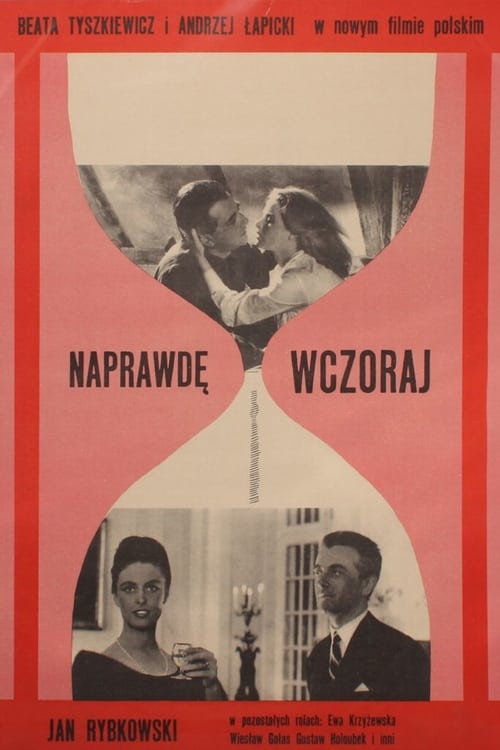
The story concerns a succesful writer at the height of his career. He is in a state of crisis, unable to forget the girl he had a brief affair in the 40's. At the promotion of his new book he meets her after the years and reminisces about the past, when he was on a government mission to recover a missing art treasure, a triptych. After the years the girl, now married, barely remembers the whole thing, while he re-examines the affair which he has so much romanticized.
Naprawdę wczoraj

The strain of German persecution causes a mental breakdown in a young Jew, which prompts his wife to take desperate measures.