Acting
A series about the adventures of a Polish secret agent, Hans Kloss, who acts as a double agent in the Abwehr during Second World War in occupied Poland.
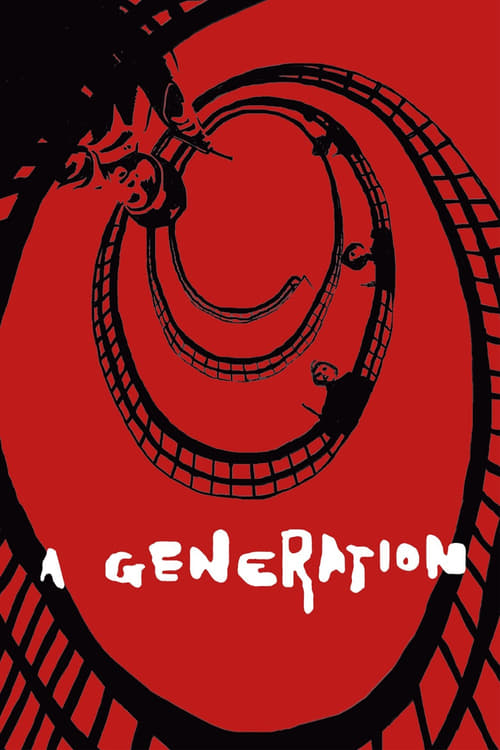
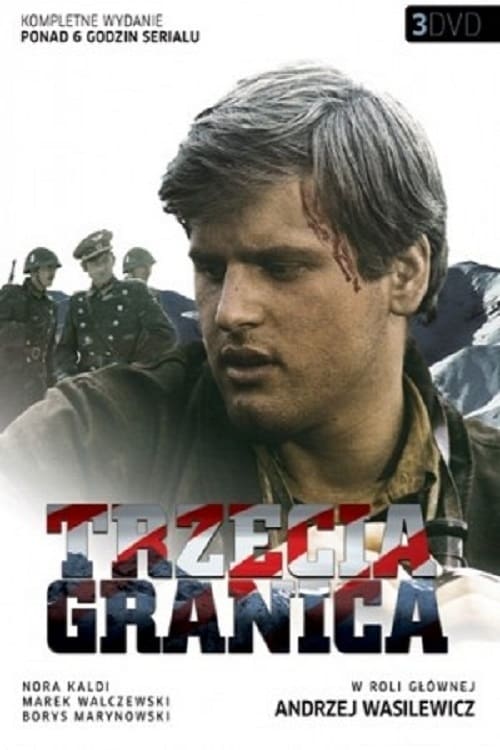
Stach is a wayward teen living in squalor on the outskirts of Nazi-occupied Warsaw. Guided by an avuncular Communist organizer, he is introduced to the underground resistance—and to the beautiful Dorota. Soon he is engaged in dangerous efforts to fight oppression and indignity, maturing as he assumes responsibility for others’ lives.
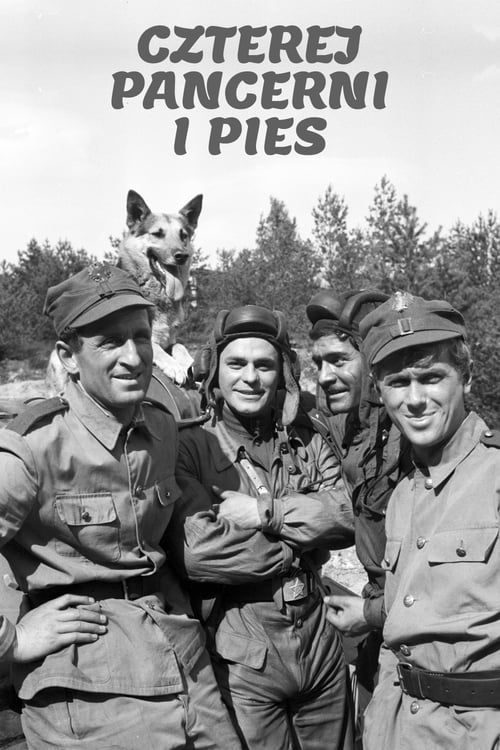
Czterej pancerni i pies was a Polish black and white TV series based on the book by Janusz Przymanowski. Made between 1966 and 1970, the series is composed of 21 episodes of 55 minutes each, divided into three seasons. It is set in 1944 and 1945, during World War II, and follows the adventures of a tank crew and their T-34 tank in the 1st Polish Army. Although both the book and the TV series contain elements of pro-Soviet propaganda, they have achieved and retain a cult series status in Poland, Soviet Union and other Eastern Bloc countries. The T-34 tank Rudy with the identifying number "102", a German Shepherd dog from Siberia Szarik and to a lesser extent the crew Jan Kos, Gustaw Jeleń, Grigorij Saakaszwili, Tomasz Czereśniak, and their commander and mentor Olgierd Jarosz, as well as other heroes of the series, have become icons in Polish popular culture.
Polish Fanfan, the first Polish series from the "cloak and dagger" - written about the "black cloud" in the press of the 70's. Axis of the plot became a dramatic episodes of the struggle for the maintenance of the Polish Prussia. They remained in feudal depending on the Republic from 1525, when Albrecht Hohenzollern secularized religious state and filed in Krakow tribute to the Polish king.
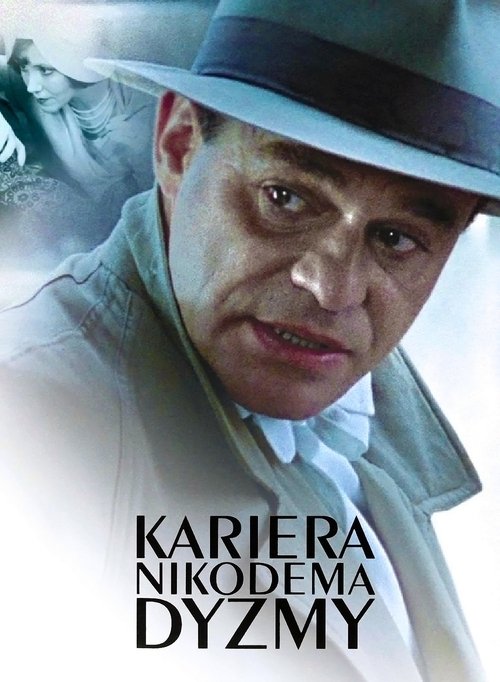
Nikodem Dyzma immigrates from the eastern part of Poland to the capital in the hope for possibilities to make a living. He is in need, very poor and forced to look for basic food and shelter. Yet, on a day when an unexpected invitation appears, his life changes dramatically.
No description available.
Marianek is an unlucky man and not successful in his affairs. At the same time, he is a dove-hearted man, sensitive to other people’s misfortunes and harm, willing to help, even at his own expense. He is always ready to solve the problems of others, although he is usually not very good at it. His favorite saying is “absolutely”.
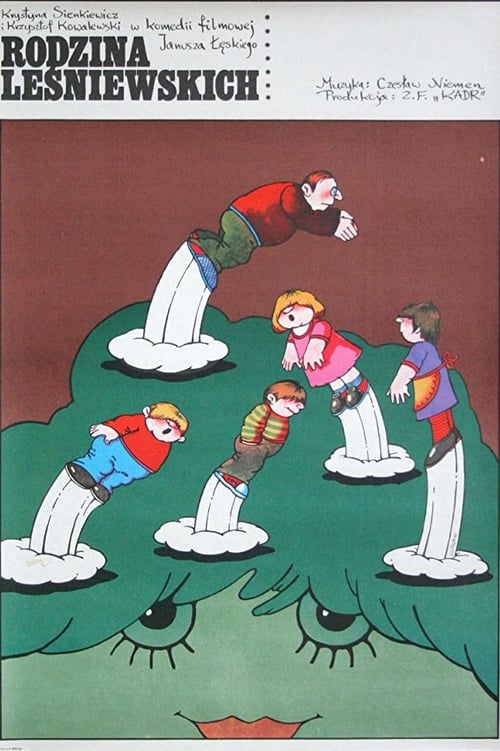
Children of the Leśniewski family decide to help their mother in daily chores so she can have more time for herself.
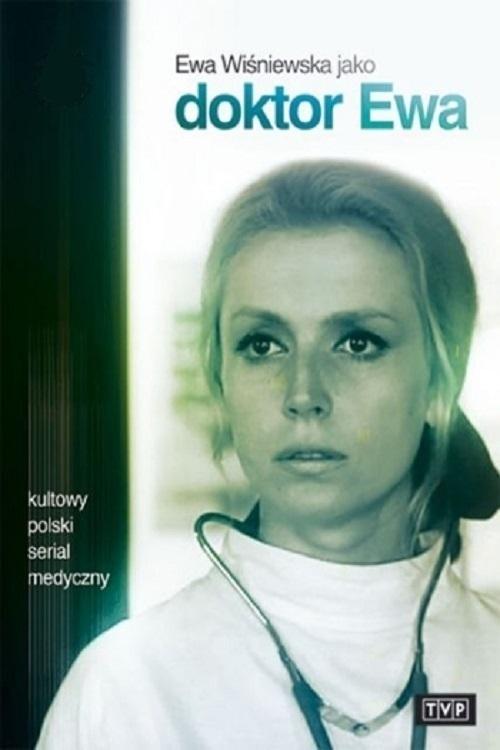
Doctor Ewa Lipska, an attractive young woman just after graduation, with interesting professional prospects for the future, chooses the job of a village doctor. Brought up in a big city, she settles in the small town of Międzybórz in the Łódź Province. She is forced not only to overcome the daily difficulties resulting from medical practice in a rural health center, but also to learn to talk to people of a different mentality and gain the trust of her patients.
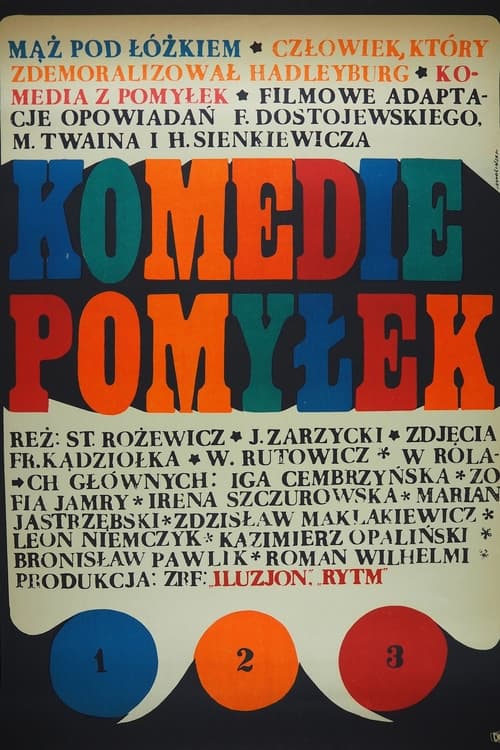
A collection of intimate television short stories based on well-known literary works.
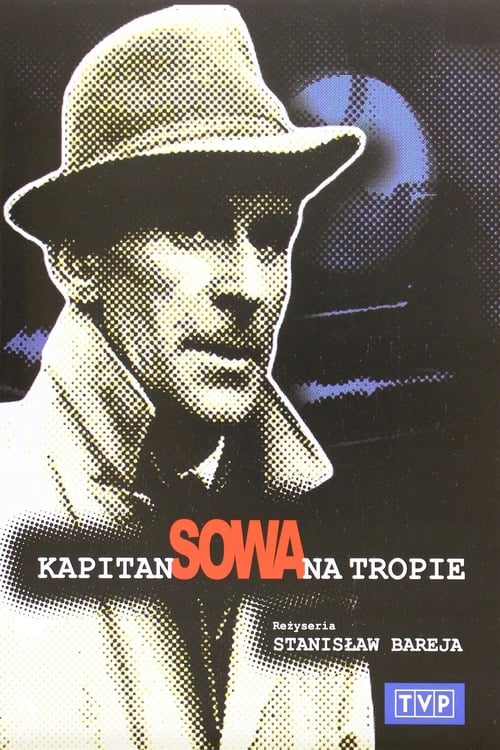
Kapitan Sowa na tropie is a Polish series from 1965 directed by Stanisław Bareja. It was the first Polish criminal series made after World War II.
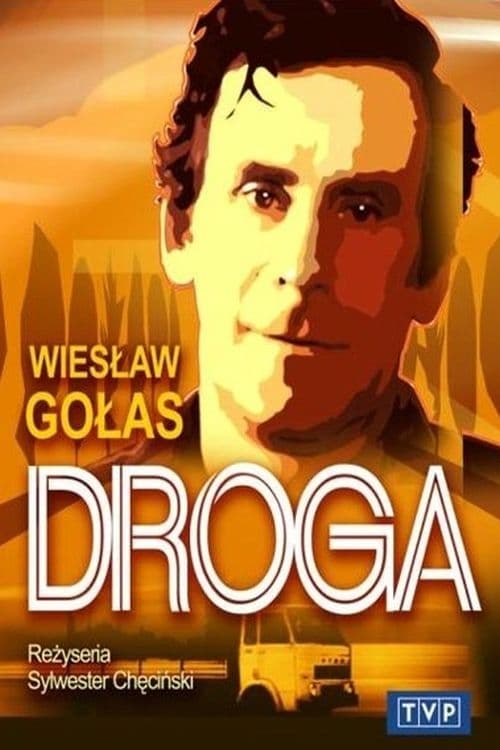
Rumsza, the elderly railwayman, leading a sedate life with his wife, misses his only remaining son (two older boys were killed in the war). Joziuk finally returns from the military in the first scene but with the pregnant Zosia, while Rumsza expected him to marry Celinka, the daughter of Krywka, his only friend and neighbour. The hero will not accept the new situation; he throws his son and Zosia out of his house. Celinka is distressed but she still harbours hope for Joziuk. The birth of the child changes the situation: Rumsza accepts his son's relationship but Celinka decides to leave.
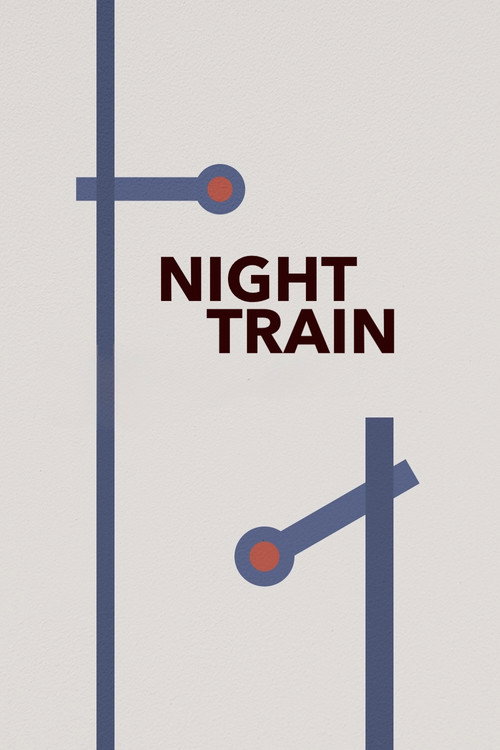
Two strangers, Jerzy and Marta, accidentally end up holding tickets for the same sleeping chamber on an overnight train to the Baltic Sea coast. Also on board is Marta's spurned lover, who will not leave her alone. When the police enter the train in search of a murderer on the lam, rumors fly and everything seems to point toward one of the main characters as the culprit.
Two-part biopic about General Karol Świerczewski, living embodiment of the party line, and the group of party members from his hometown fighting the fascist forces towards the socialist state of affairs.
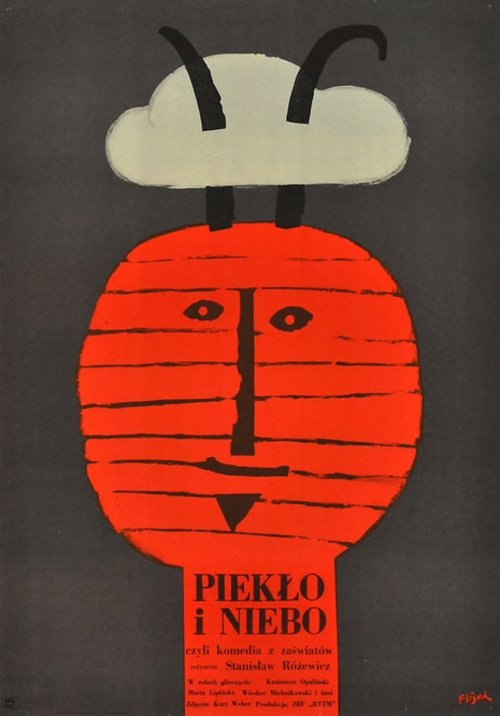
A bus crashes and its passengers find themeselves in the afterlife, which they find has the not only the same set of rules as Earth, but also the same bureaucratic chaos.
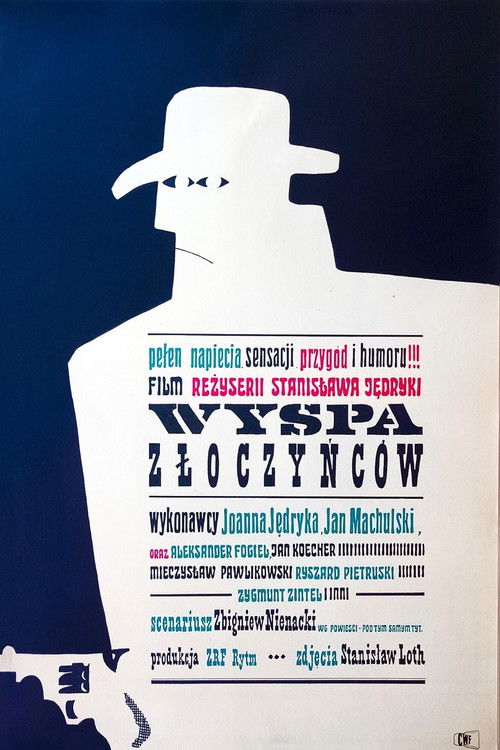
A young museum worker sets out to find a treasure hidden in a small town.
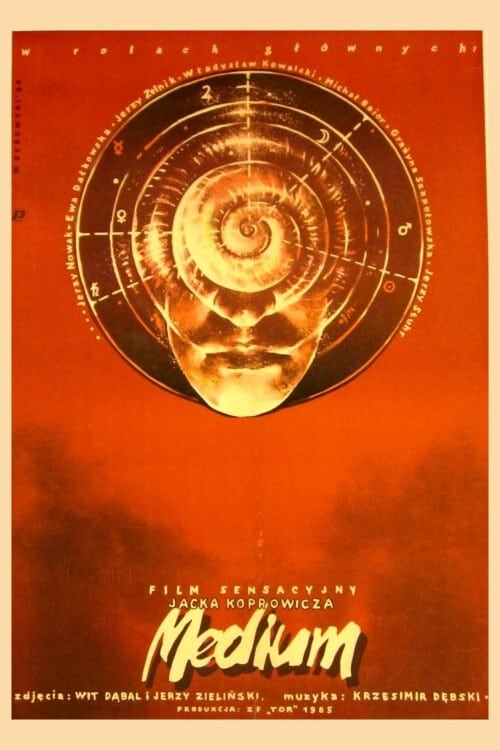
Story of four people in Sopot in 1933, mysteriously brought together to an old villa to reenact a murder ritual that took place 36 years earlier.
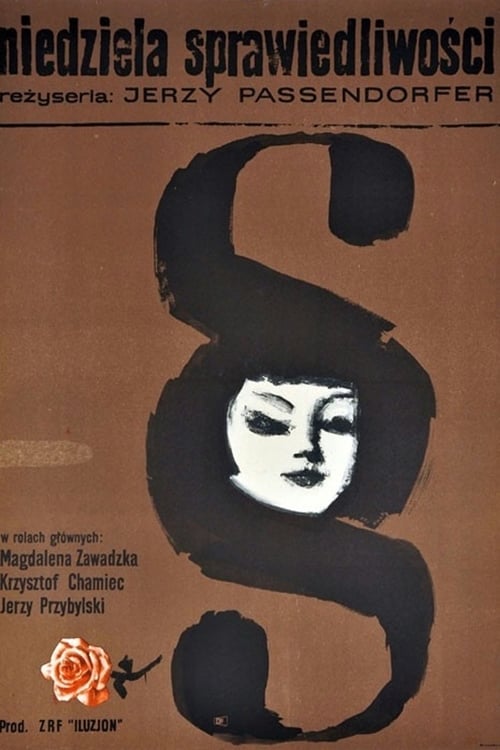
A prosecutor takes up a post in a small town where he has to deal with corruption and murder.
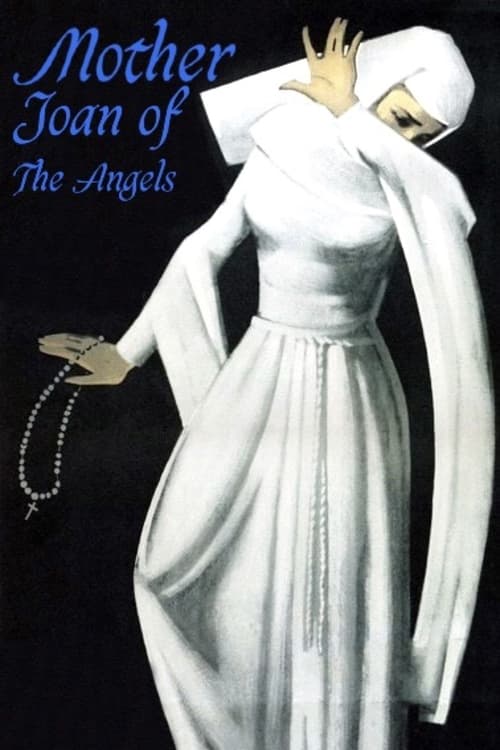
A Polish priest arrives at a convent hoping to save the Mother Superior who is supposedly possessed by eight demons.