Acting
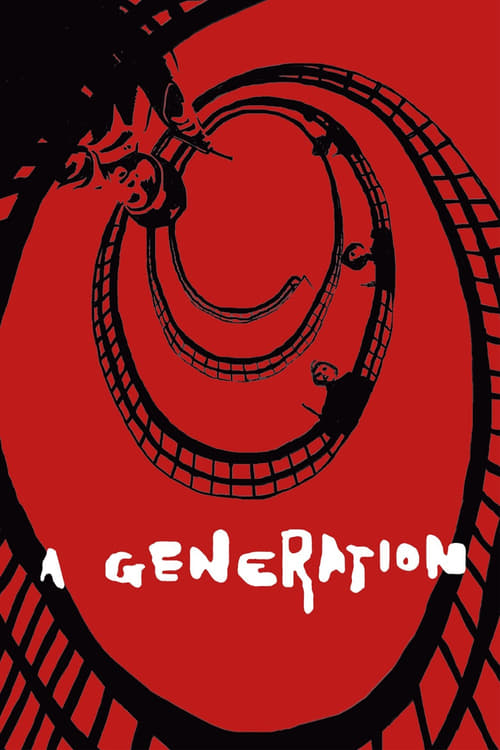
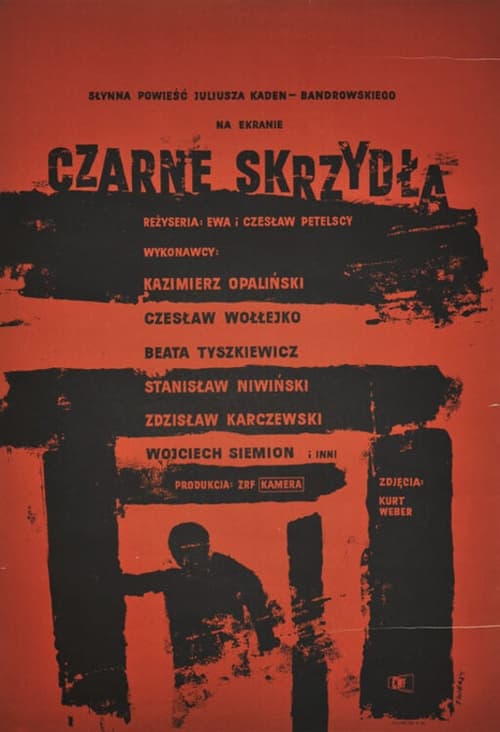
Stach is a wayward teen living in squalor on the outskirts of Nazi-occupied Warsaw. Guided by an avuncular Communist organizer, he is introduced to the underground resistance—and to the beautiful Dorota. Soon he is engaged in dangerous efforts to fight oppression and indignity, maturing as he assumes responsibility for others’ lives.
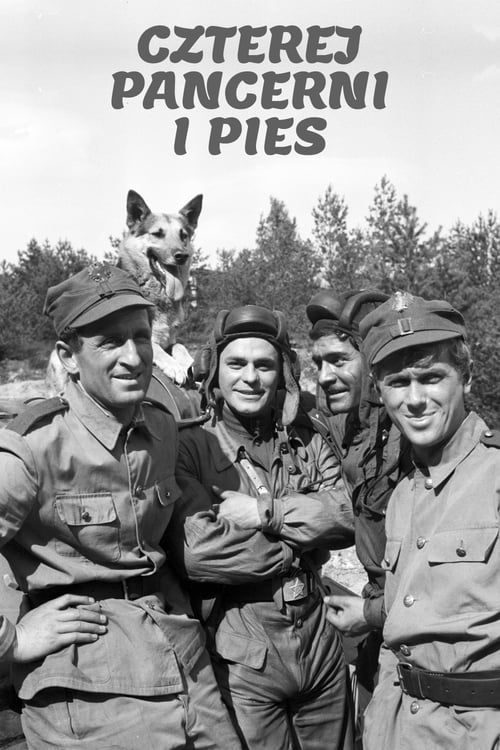
Czterej pancerni i pies was a Polish black and white TV series based on the book by Janusz Przymanowski. Made between 1966 and 1970, the series is composed of 21 episodes of 55 minutes each, divided into three seasons. It is set in 1944 and 1945, during World War II, and follows the adventures of a tank crew and their T-34 tank in the 1st Polish Army. Although both the book and the TV series contain elements of pro-Soviet propaganda, they have achieved and retain a cult series status in Poland, Soviet Union and other Eastern Bloc countries. The T-34 tank Rudy with the identifying number "102", a German Shepherd dog from Siberia Szarik and to a lesser extent the crew Jan Kos, Gustaw Jeleń, Grigorij Saakaszwili, Tomasz Czereśniak, and their commander and mentor Olgierd Jarosz, as well as other heroes of the series, have become icons in Polish popular culture.
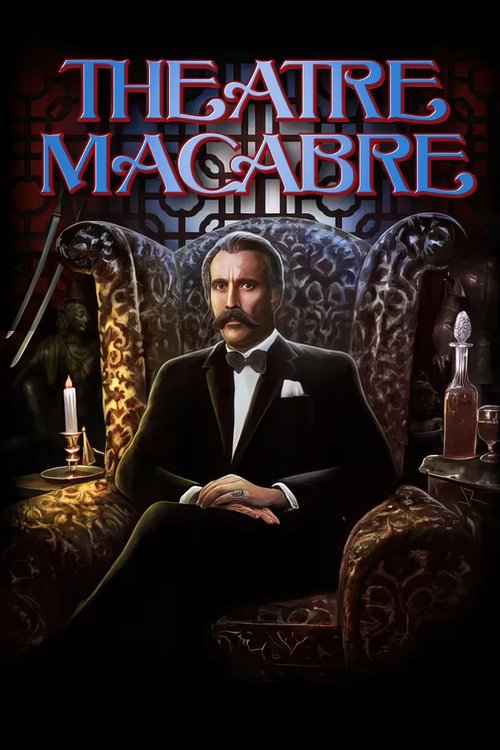
Horror legend Christopher Lee hosts this anthology in the tradition of Alfred Hitchcock Presents, each half-hour episode adapting a story from a classic author, with tales by Edgar Allen Poe, Fyodor Dostoevsky, Ambrose Bierce, Robert Louis Stevenson, and Oscar Wilde.
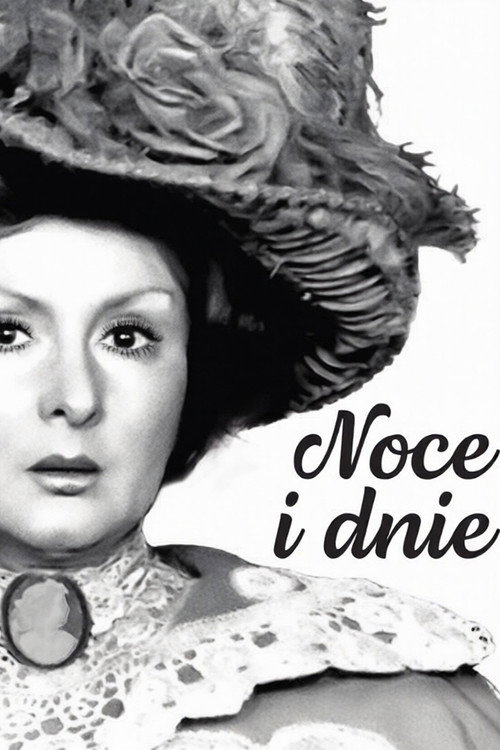
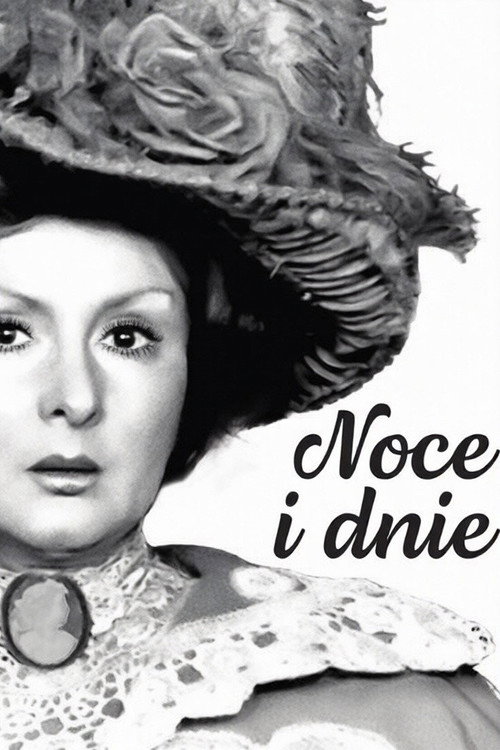
Set in the Kalisz Region in the second half of the 19th century after the failure of the January Uprising in 1863, the miniseries presents a unique portrait of an oppressed society as told through the life of the Niechcic family.
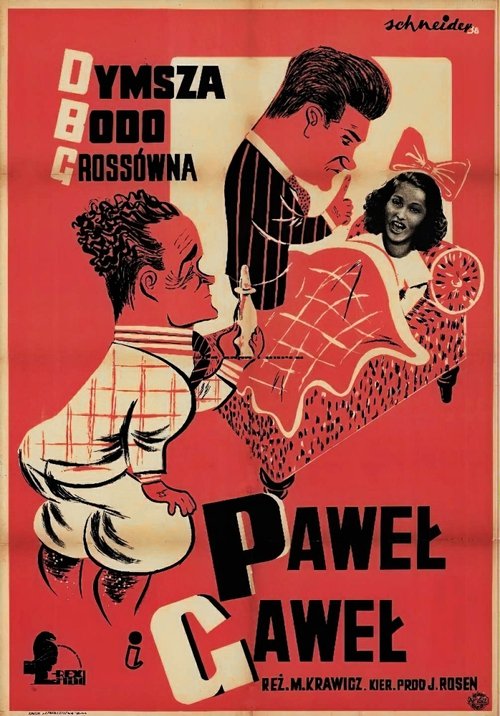
Two neighbours with similar names, Paweł and Gaweł, meet a violinist girl Violetta who pretends to be a child. When Paweł learns she's not a child anymore, he falls in love with her. And vice versa.
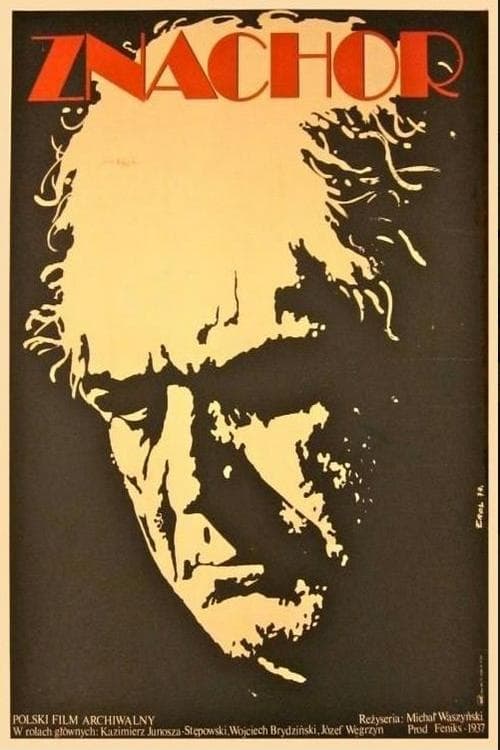
A renowned surgeon, abandoned by his wife and daughter, gets robbed and loses his memory. Wandering around the countryside, he becomes a village healer and performs operations.
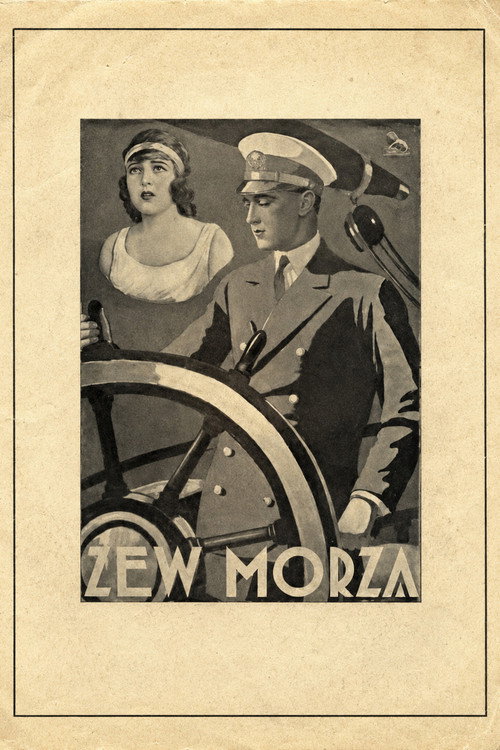
The son of a miller, following his call, flees to the sea, but after several years he returns to his family and to his childhood romance, Hanka.
No description available.
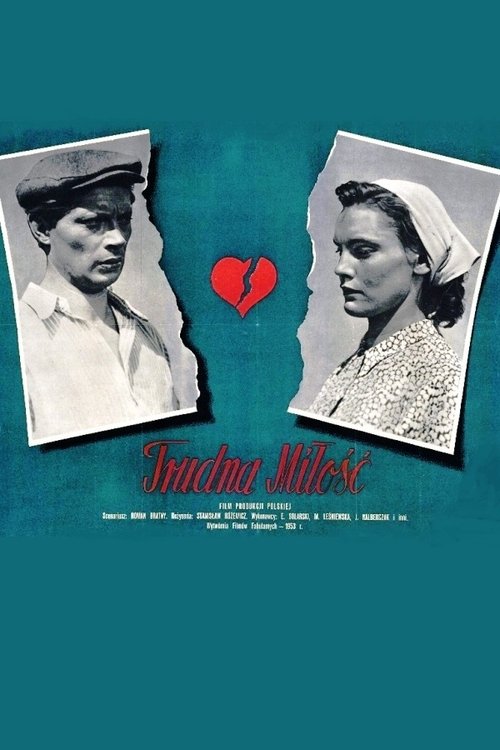
A story of the love affair between Janek Małodworny and Hanka, daughter of the kulak Nalepa. The two love each other, but their happiness is hampered by differences in possessions. To make matters worse, Małodworny is in favor of establishing a cooperative along Soviet lines, while old Nalepa is staunchly opposed.
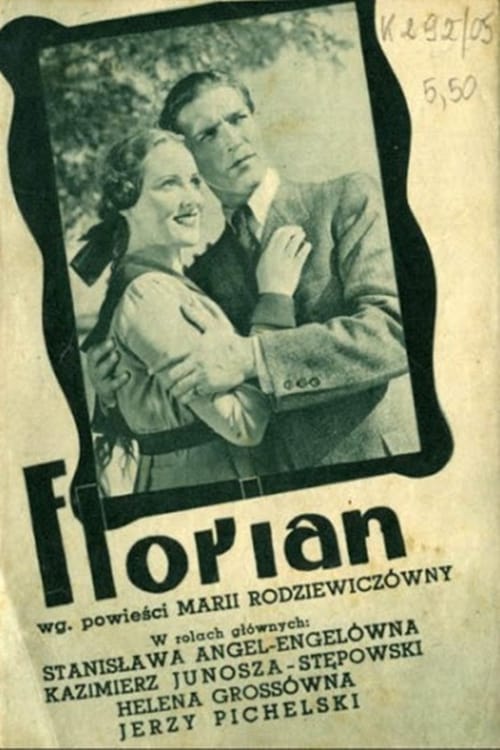
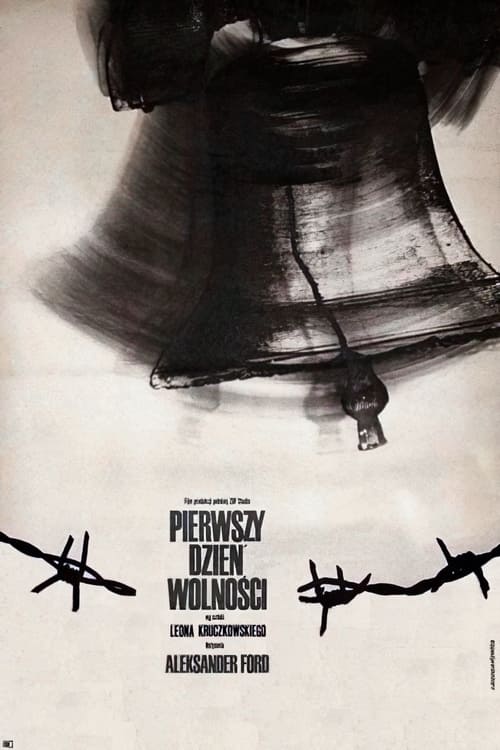
War is raging in Poland, and nothing is certain. The Germans are retreating, and Soviet troops are taking their place. In these turbulent times, feelings develop between Alfred Rupiejko and Bronka Wereszczyńska. The girl and her brothers hide the Florian bell from confiscation. The siblings are betrayed, but they decide not to give up without a fight.
Freed Polish soldiers are trapped in a small town in Germany during the last days of World War II. After a doctor's daughter is raped by a concentration camp worker, the Poles allow her and her father to stay in the house that is their temporary quarters. While waiting to be repatriated, the war-weary group is forced to fight some German soldiers who invade the town. The war brings out conflicting emotions of the Poles who find themselves trapped in the house and once again under fire from the enemy.
It was autumn 1939, shortly after the attack on Poland by the German army. The military component of the Slovak State are allies of the Nazis, and with them came on Polish territory. They're alongside the mighty army of Hitler's occupation force. In the decimated Polish town the Commander of the Slovak company Major Valenta issues orders that all residents surrender weapons if they own any. Insubordination will be punishable by death. Shortly after, the charming young Polish lady Žofie reports Valenta about: Professor Klosowski, who is Professor of Botany at the local high school, said to be hiding out at home in the library of the gun. Valenta reluctantly executes search warrant and weapon is found, but it is immediately clear that the old Professor became the victim of misunderstandings or possible fraud. To his surprise, he soon discovers that Sophie has a close relationship with Klosowski. But just before he fathoms the mystery, the occupation machinery executes havoc.
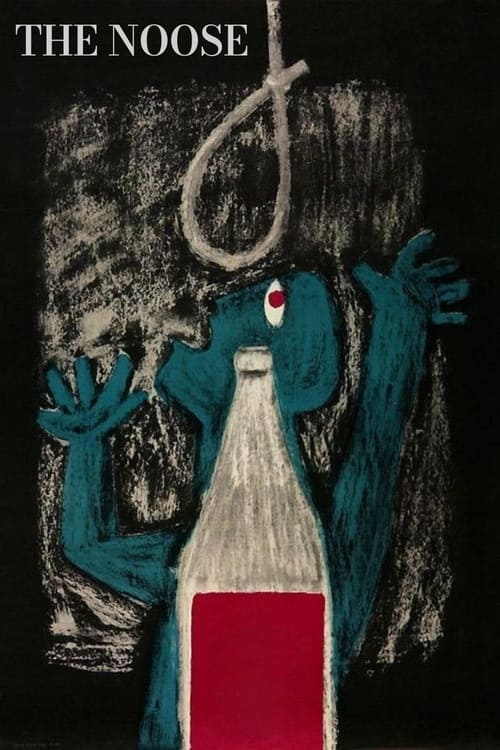
A day in the life of an alcoholic. With the help of his girlfriend Krysia, Kuba attempts to regain control of his life.
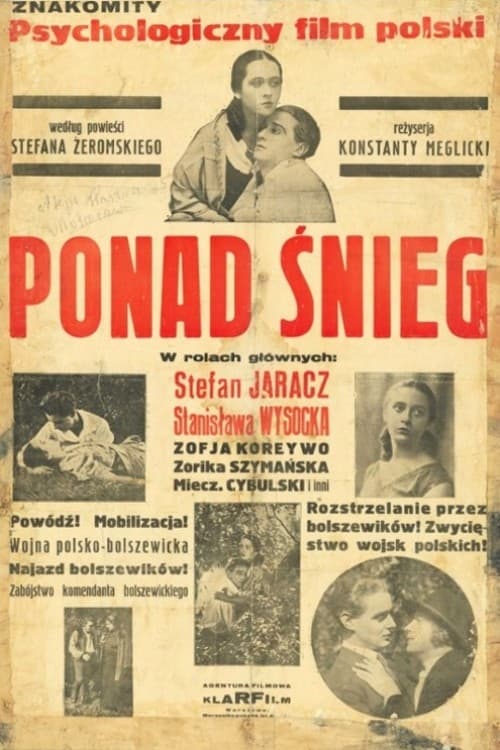
A Polish silent drama directed by Konstanty Meglicki.
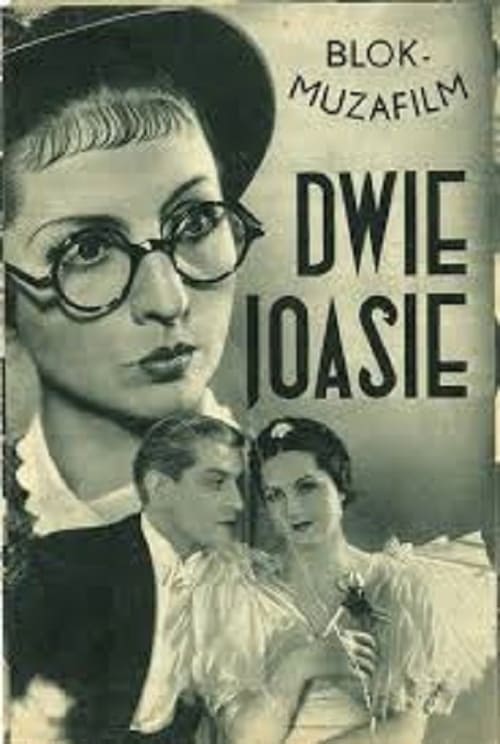
Joasia fiercely pursues employment based solely on her professional skills, nervously rejecting crude advances and disguising herself as unattractive to avoid harassment. When she meets her new, handsome employer Robert Rostalski, she begins to regret her impulsive decision.
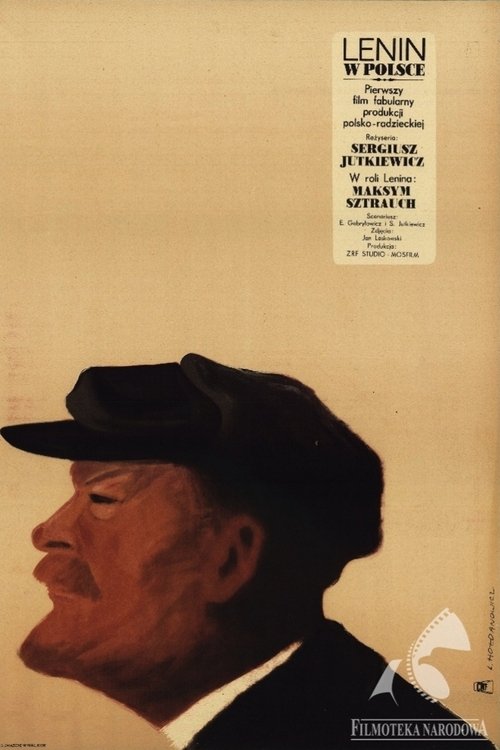
The life of the great Bolshevik leader before the Russian revolution is chronicled in this bio-pic. Much of the tale centers on his exile in Poland where Lenin becomes friends with two peasants. The little girl has a strong belief in the nationalist cause. Later Lenin hears she was killed for withholding information about him.
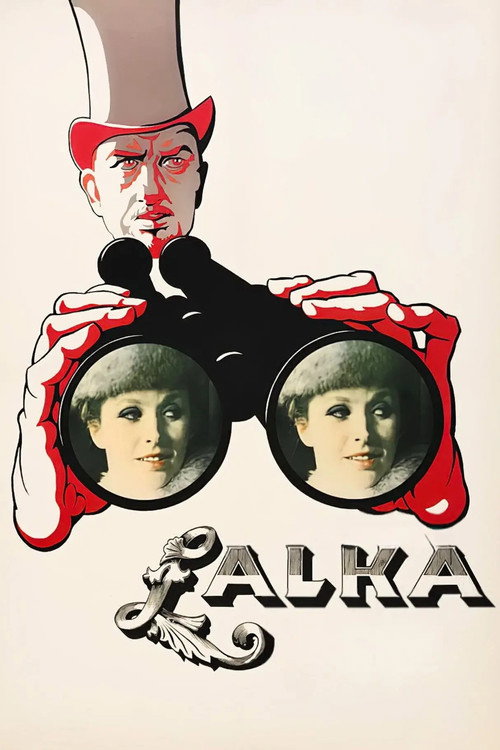
Set in the 19th century Warsaw. The indolence of aristocrats who, secure with their pensions, are too lazy to undertake new business risks, frustrates Wokulski. His ability to make money is respected but his lack of family and social rank is condescended to. Because of his "help" (in secret) to "the doll's" impecunious but influential father, the girl becomes aware of his affection.
The miners of one of the mines in Zagłębie Dąbrowskie receive news about the planned layoffs. The miners decide to organize a strike. One of the local MPs is trying to prevent this from happening. The French mine owner makes a dangerous decision - he orders the miners to work in an area at risk of fire. An explosion occurs unexpectedly. The miners lynch Coeur, and their demonstration, in which they carry the bodies of the victims of the crash, is brutally suppressed by the police.
A family saga of Barbara Ostrzeńska-Niechcic and Bogumił Niechcic against the backdrop of the January Uprising of 1863 and World War I. The film is a rather straightforward and faithful adaptation of a novel by Maria Dabrowska with the same title. The plot is woven around the changing fortunes of a noble (upper-class) Niechcic family in the pre-WWI Poland. There are two main crossing threads: a social history one and an existential one.
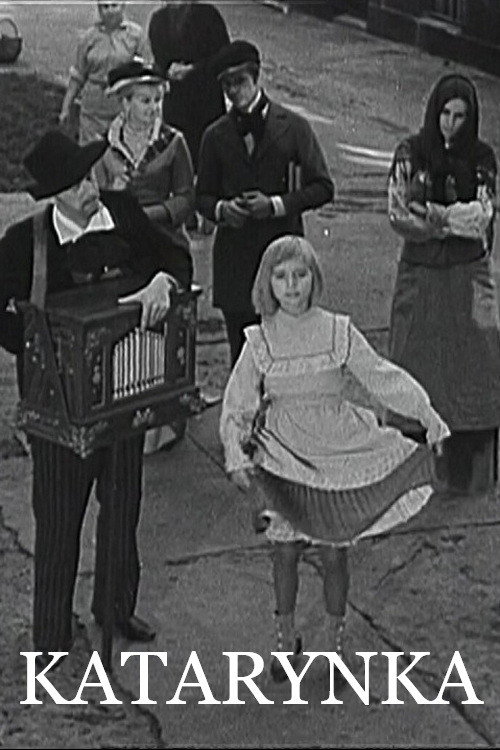
This drama follows a lawyer who, averse to the sound of a barrel organ, changes his outlook upon meeting a blind girl. Based on the short story by Bolesław Prus.