Kōhei Oguri
Directing
Biography
Kōhei Oguri (小栗康平, Oguri Kōhei, born October 29, 1945, in Maebashi, Gunma, Japan) is a Japanese film director and screenwriter. Born in Gunma, Oguri first became a freelance assistant director after graduating from Waseda University. He made his directorial debut in 1981 with Muddy River, which earned him both a Japan Academy Prize for Director of the Year and a citation in the Directors Guild of Japan New Directors Award. Muddy River was also nominated for the Academy Award for Best Foreign Language Film and won the Silver Prize at the 12th Moscow International Film Festival. In 1985 he was a member of the jury at the 14th Moscow International Film Festival. His film The Sting of Death won the Grand Prize of the Jury at the 1990 Cannes Film Festival. He has also authored several books.
Known For

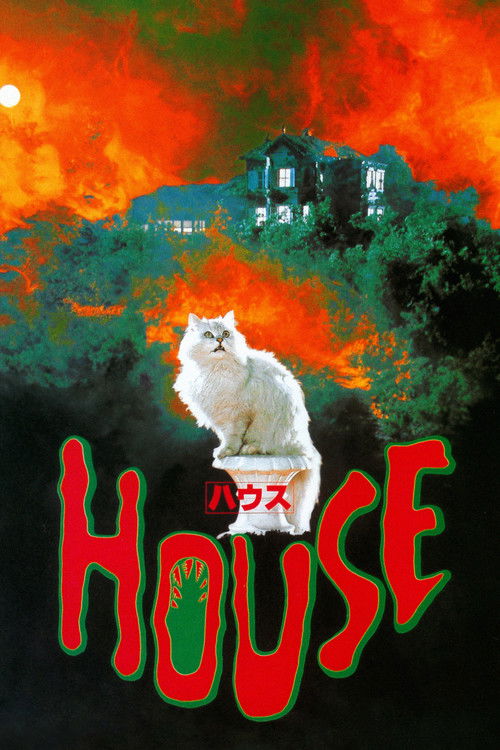
Hoping to find a sense of connection to her late mother, Gorgeous takes a trip with her friends to visit her aunt's ancestral house in the countryside. The girls soon discover that there is more to the old house than meets the eye.
House

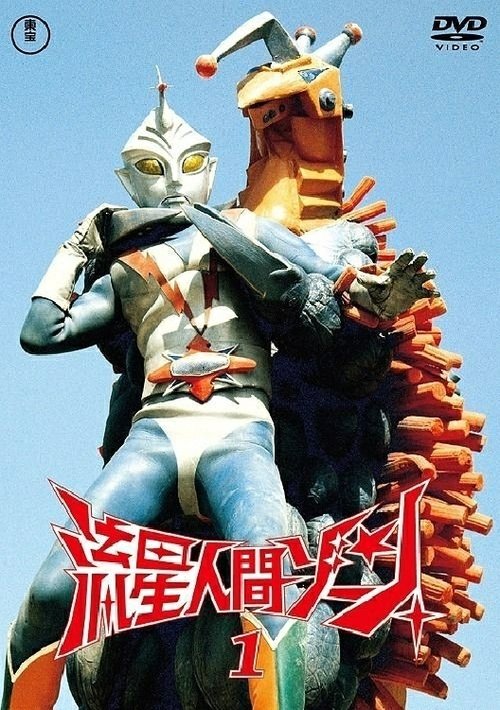
Zone Fighter, known in Japan as Ryūsei Ningen Zone, is a tokusatsu science fiction superhero television series. Produced by Toho Company Ltd., the show aired on Nippon Television from April 2 to September 24, 1973, with a total of 26 episodes, it was cancelled due to the oil crisis of 1973. This was Toho's answer to not only the popular Ultra Series, but the Henshin Hero phenomenon started by shows like Kamen Rider and Android Kikaider. The previous year, Toho had just made their successful first superhero show, Rainbowman. The series was also notable for its guest appearance by Toho's own Godzilla, as well as two other Toho monsters, King Ghidorah and Gigan. Supplementary materials published by Toho have confirmed Zone Fighter to be part of the Showa-era Godzilla series, taking place in between Godzilla vs. Megalon and Godzilla vs. Mechagodzilla.
Zone Fighter

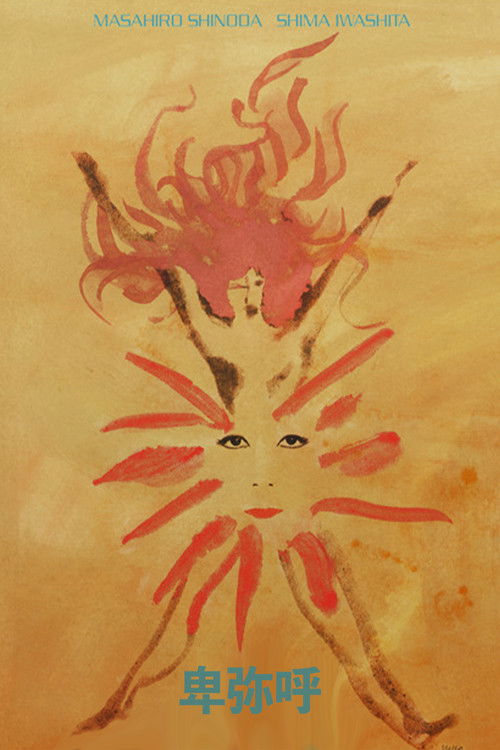
The myth of the Sun Goddess who founded Japanese society is seen through the lens of a modern view of history.
Himiko

This documentary by Hubert Niogret looks at the revival of Japanese cinema during the 1990s.
Japanese Cinema: New Territories

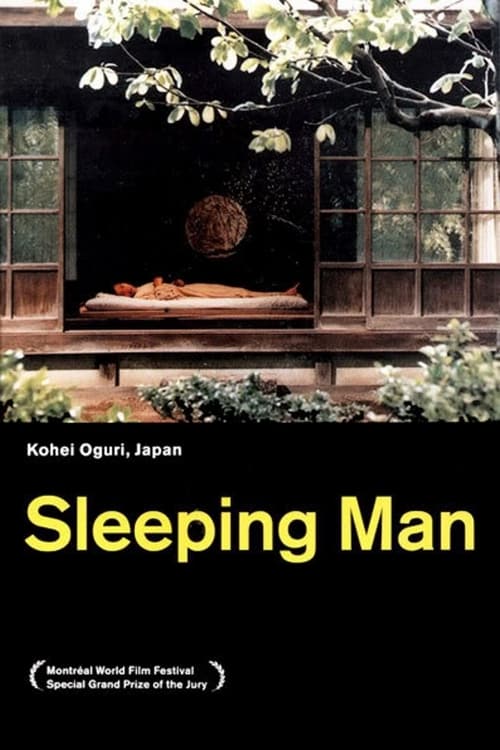
Ever since an accident in the mountains outside town, Takuji's slept in a coma; his neighbors care for him as new events occur every day.
Sleeping Man

A film about the substantial population of Koreans living in Japan, and the love affair between Kayako, a Japanese girl, and Sanjun, a Korean.
For Kayako

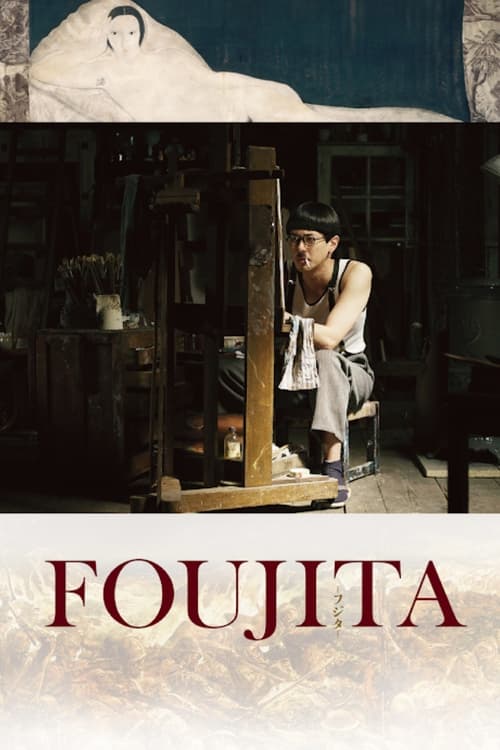
A biopic of seminal 20th century artist Leonard Foujita, a contemporary of Picasso and Modigliani, who was famous for mixing up European and Japanese styles.
Foujita

Two boys, whose parents ply their trade by the mouth of a muddy river in Osaka, become close friends.
Muddy River

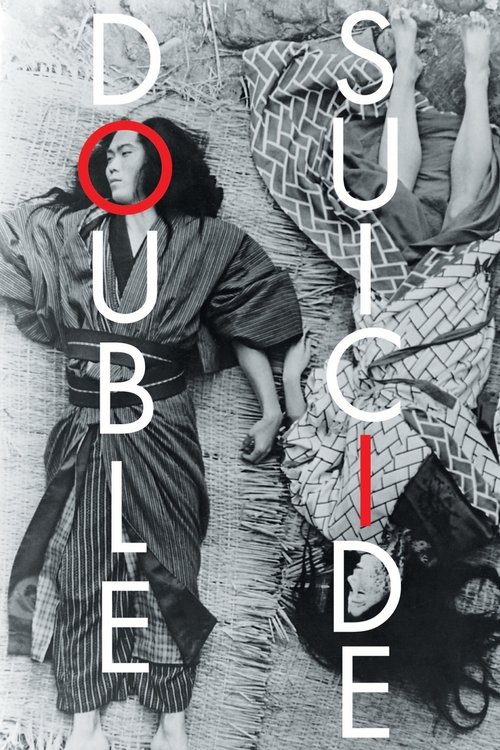
Successful and married with children, paper-mill owner Jihei knows better than to contradict the strict social and moral codes of 18th-century Japan. But when he meets the lovely courtesan Koharu, he becomes a man obsessed. Koharu returns his love, even foregoing other customers while Jihei schemes to somehow buy her freedom. His efforts yield ruinous consequences for his business and his family life, and Koharu is meanwhile purchased by another client.
Double Suicide

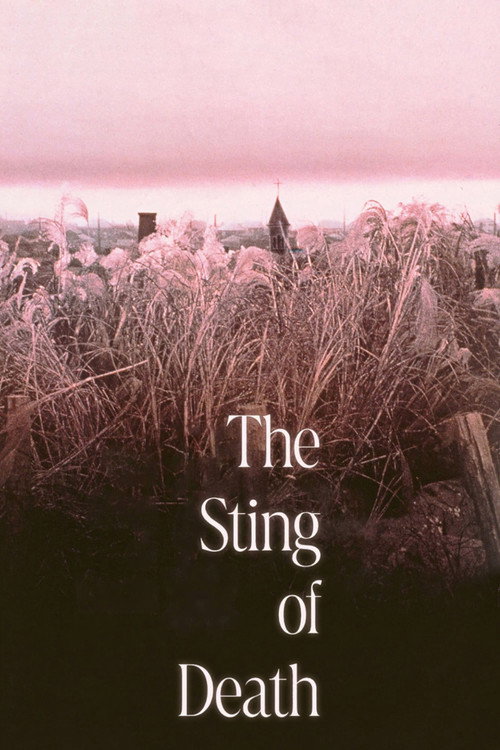
Miho and Toshio, putting their children and household at stake, duel for control in their degrading, middle-aged marriage.
The Sting of Death

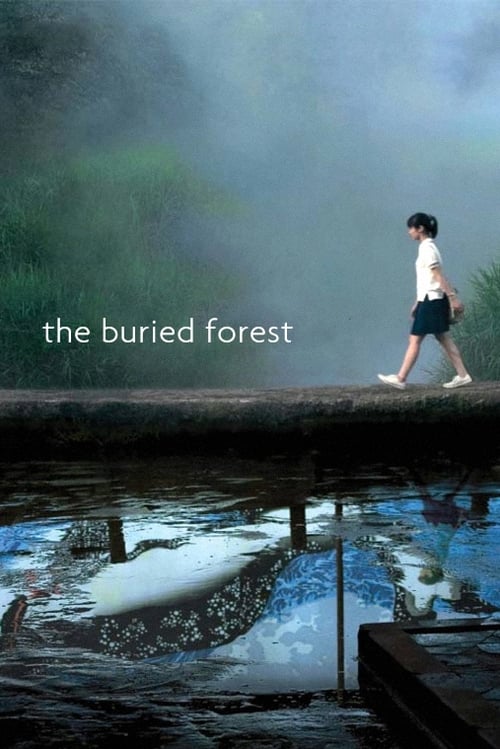
Three high school girls living out in the country build stories out from their local environment, mountainous and bordered by an unkempt buried forest.
The Buried Forest

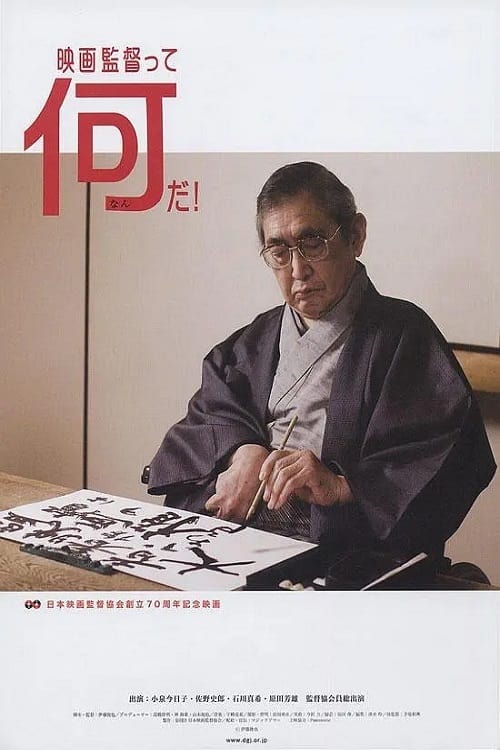
Works commemorating the 70th anniversary of the founding of Japan mapping Supervision Association