Neville D'Almeida
Directing
Biography
A Brazilian filmmaker, screenwriter, actor, photographer and multimedia artist, involved with contemporary art, installations, art objects and performances, Neville Duarte Almeida was born in 1941 in the Brazilian city of Belo Horizonte. Raised by a Methodist Christian family, he studied theater at the Scholastic Theatre of Minas Gerais and participated at the local Center of Film Studies, where he started to work as an filmmaker. Some of his transgressive, avant-garde films were censored or banned by the Brazilian military dictatorship, after which he went on to directing films aimed to a more commercial approach. His 1978 film "Lady on the Bus", starring Sônia Braga, was a box-office champíon and still holds its place as the the third highest-grossing Brazilian film of all time.

Known For

Underappreciated actor Jack Noah is on location in Parador at the time the dictator dies. The dictator's right-hand man makes Jack an offer he cannot refuse... to play the dictator. Jack's acting skills fool the masses but not close friends and employees of the dictator.
Moon Over Parador

Noronha is a low middle-class civil servant who lives with his frustrated wife Gorda and their four eldest daughters. The youngest one, virginal Silene, is unexpectedly sent back from boarding school after killing a female cat and her seven newborns in a hysterical fit. Many dark family secrets will emerge from that episode leading to tragic events.
The Seven Kittens

Solange is a recently married young woman whose wedding night did not end well. After constant fights with her husband, she decides to live through her sexual frustration by sleeping with strangers she picks up on crowded buses in Rio de Janeiro.
Lady on the Bus

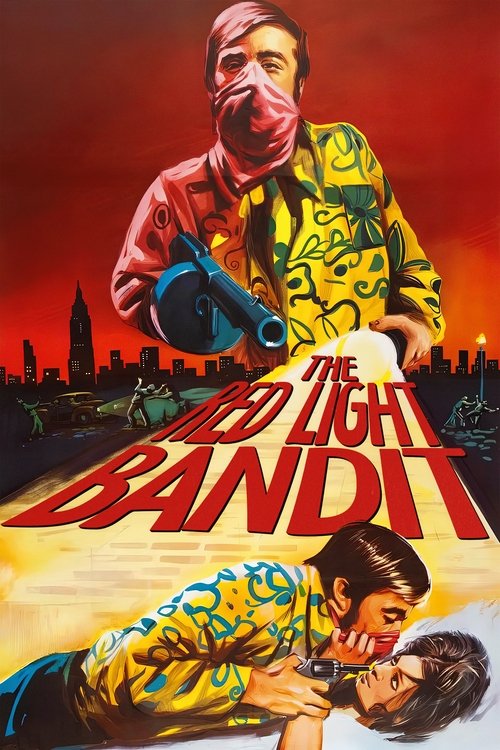
Born and raised in the misery of Brazilian slums, Jorge becomes a luxury house burglar in São Paulo and gets nicknamed "The Red Light Bandit" by the sensationalist press. In addition to wearing a red flashlight, he talks to his hostages in an irreverent tone and makes bold breakthroughs to later spend the money extravagantly. His world is the decadent neighbourhood of Boca do Lixo.
The Red Light Bandit

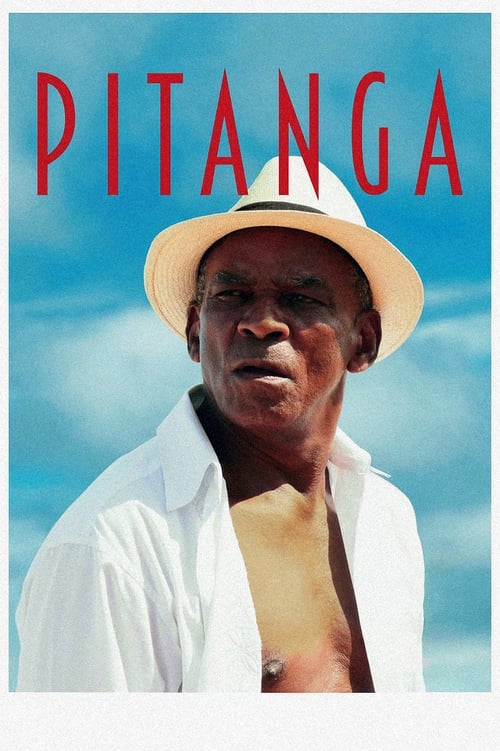
This documentary investigates the aesthetic, political and existential trajectory of emblematic Black Brazilian actor Antônio Pitanga. His career spans over five decades, and he has worked with iconic Brazilian filmmakers Glauber Rocha, Cacá Diegues and Walter Lima Jr. He was a prominent figurehead and outspoken activist during the Brazilian dictatorship, a period of unrest in Brazilian cinema. "Pitanga" deep dives into the world of Antônio and the history of Brazil. The documentary was directed by his daughter Camila Pitanga, one of widely recognised faces in Brazilian television and cinema right now. The film is also a poem, and a tender ode to fatherhood.
Pitanga

Based upon the life story of Father Antonio Vieira, born in Lisbon in 1608 and deceased in Salvador, Bahia, in 1697. He's considered the first Brazilian writer and one of the most important aesthete of linguistic and of the Portuguese language of all times, a master in the art of metaphor, of verbal relations and analogy. He was persecuted and condemned by the Portuguese Court of Inquisition due to his position against native slavery, against the intolerance to the Jewish people and to the colonial politics of exploration.
Sermões

Fantasy comedy about Brazilian writer Oswald de Andrade, one of the most important icons of Modernism in Brazil. In the film, Oswald is played by two actors: Ítala Nandi, as his feminine anima, and Flávio Galvão, as the masculine half.
The Brazilwood Man

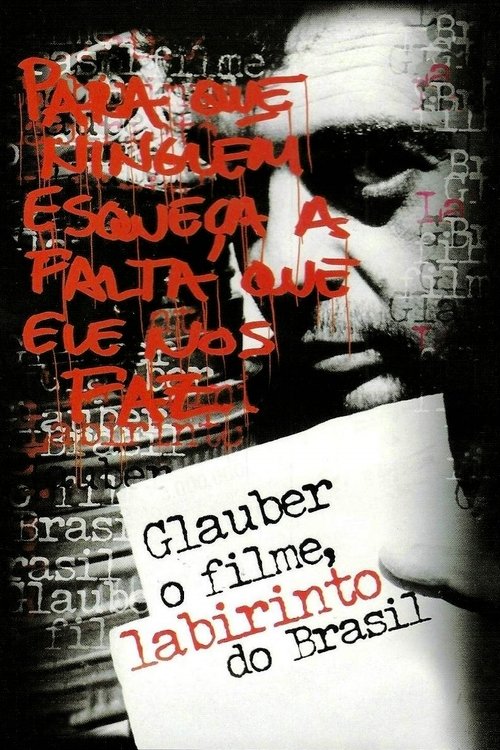
Documentary about Brazilian filmmaker Glauber Rocha, one of the most important names in the Cinema Novo, with interviews with some of his friends and colleagues.
Glauber Rocha - The Movie, Brazil's Labyrinth

Santamaria and Urtigo are two bandits on the run, one is white, the other black. Santamaria is a mystical visionary and believes in the imminent coming of a purifying angel. Urtiga, his inseparable companion, is a simple-minded and ingenious man who follows Santamaria around and participates in the crimes he commits. The two bandits take over a house after kidnapping its owner and his girlfriend.
The Angel Was Born

Documentary that addresses, through the testimony of directors and actors, the work of Dib Lutfi, considered one of the greatest photographers of Brazilian cinema.
Dib

In the near future, in the country of Kali, a group of young terrorists carry out robberies, kidnappings and murders under the orders of a mysterious big boss known as "Entity" and are pursued by the pompous and inefficient Special Police.
Areias Escaldantes

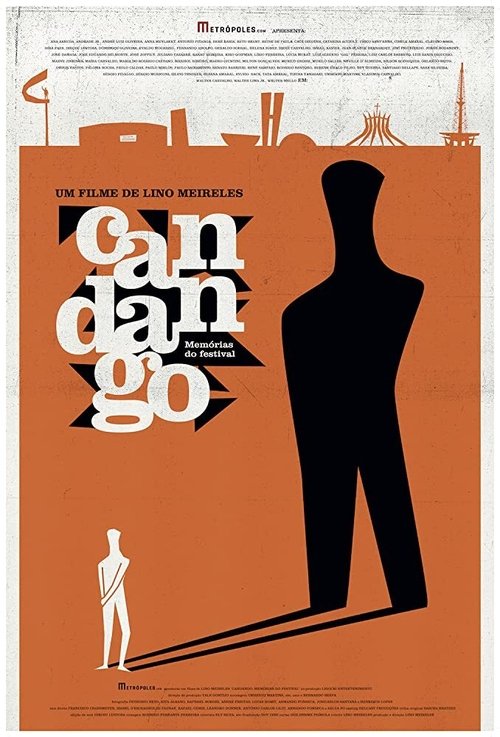
In 1965, a year after the military coup in Brazil, an oasis of freedom opened in the country's capital. The Brasília Film Festival: a landmark of cultural and political resistance. Its story is that of Brazilian cinema itself.
Candango: Memoirs from a Festival

In Rio de Janeiro, after an altercation with his father and mother, a young man named Bebeto kills his family and goes to a movie theater, where he watches four weird vignettes.
Killed the Family and Went to the Movies

Documentary on "Antonio das Mortes", Glauber Rocha's 1969 film.
Milagrez
The picture brings interviews with the participants of the 1st São Paulo Jazz Festival that occurred in Anhembi Conventions Palace in September 1978 and reunited musicians, composers and singers from all around the world.
Música para Sempre

This film seeks to rescue the role of filmmaker Neville D'Almeida by using many rare images, numerous interviews, vast archival and audiovisual material.
Neville D'Almeida: Chronicler of Beauty and Chaos

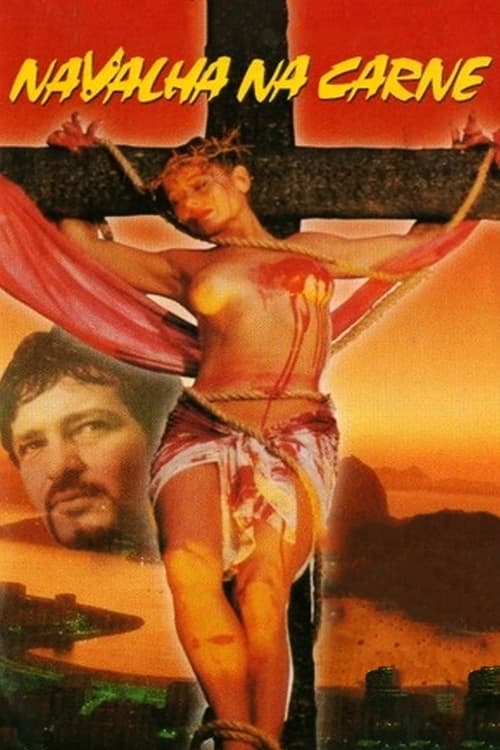
The story of three characters in a brothel room: the prostitute Neusa Sueli, the gigolo Vado and the homosexual Veludo speak of their lives and expose their marginality.
Razor in the Flesh

The tensions experienced by three different people during the military dictatorship in Brazil: a politician, a revolutionary and a common citizen.
BLABLABLÁ

A public relations man is invited to guide an American millionaire during his stay in Rio de Janeiro. He gets involved in the most bizarre situations, from orgiastic mega-parties to confrontations with the police, meetings with drug dealers and movie stars, facing corruption and even murder.
Rio Babilonia

An extended research tour of US university film programs introduced dos Santos to the American avant-garde filmmakers, among them Jonas Mekas and Stan Brakhage, who would directly inspire his formally radical adaptation of an allegorical short story about adultery and colonialism by Guilherme de Figueiredo. Filmed in both Manhattan and Brazil and set against the background of the Vietnam War and its protests, Hunger for Love uses a rigorously abstract soundtrack and narrative structure to evoke the acute paranoia of the period building up to the December 1968 military coup that tipped Brazil perilously close to a conservative dictatorship. With its harsh critique of the decadent tendencies of the Sixties counterculture, Hunger for Love offers a key expression of the self-consciously “ideological” phase of Cinema Novo. -Harvard Film Archive