Rachel Leah Jones
Directing
Known For
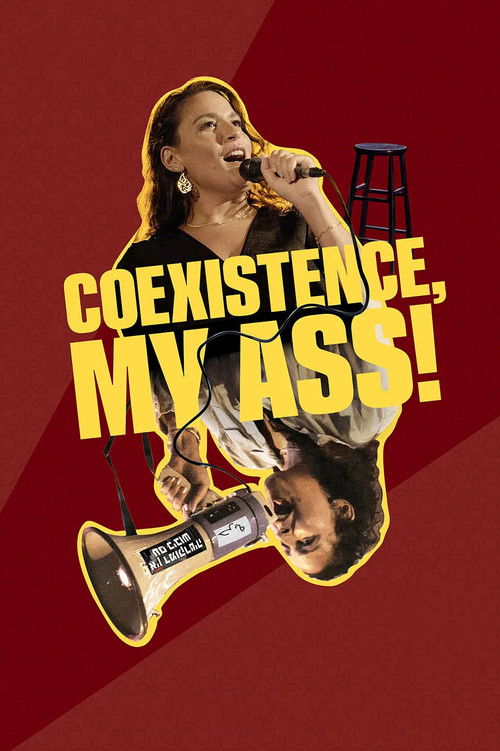
Noam Shuster Eliassi grew up the literal poster child for the Israeli-Palestinian peace process before making a hard pivot to stand-up comedy and political satire. But as the region sinks deeper into devastating violence, she must meet the moment by challenging her audiences with hard truths that are no laughing matter.
Coexistence, My Ass!
By the age of thirty he’d already become the most famous poet in the Jewish world. He spent very few years living in Tel Aviv, but he loved the city dearly. Some 100,000 people attended his funeral in 1934. “King of the Jews” is a portrait of the most beloved Jew of his day, Chaim Nachman Bialik. Combining special animation, a voice track by Chaim Topol, rare archival footage, long-forgotten photographs, poems by Bialik performed by Ninet and interviews with the foremost Bialik researchers and fans in Israel and around the world, this film retells the story of the little boy from the shtetl, who became King of the Jews.
Bialik - King of the Jews
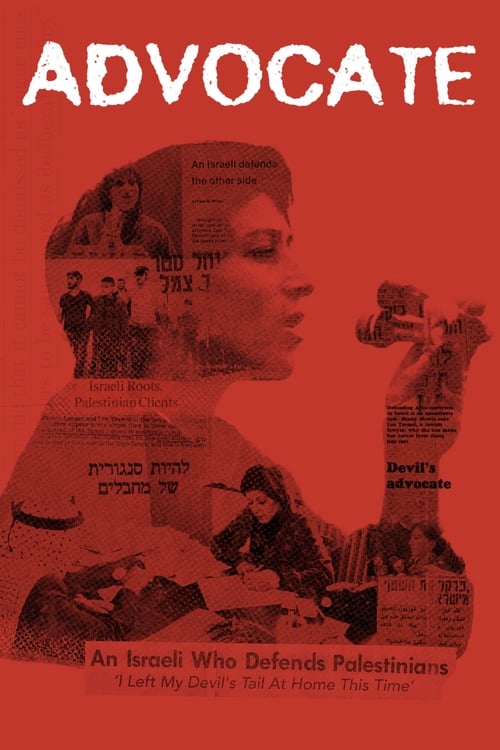
Lea Tsemel, a Jewish-Israeli lawyer, defends Palestinians: from feminists to fundamentalists, from nonviolent demonstrators to armed militants. As far as most Israelis are concerned, she defends the indefensible. As far as Palestinians are concerned, she’s more than an attorney, she’s an ally. «Advocate» follows Tsemel in real time, including the trial of a 13-year-old boy — her youngest client to date.
Advocate
Ayn Hawd is a Palestinian village that was captured and depopulated by Israeli forces in the 1948 war. In 1953 Marcel Janco, a Romanian painter and a founder of the Dada movement, helped transform the village into a Jewish artists' colony, and renamed it Ein Hod. This documentary tells the story of the village's original inhabitants, who, after expulsion, settled only 1.5 kilometers away in the outlying hills. This new Ayn Hawd cannot be found on official maps, as Israeli law doesn't recognize it, and its residents, deemed "present absentees" by the authorities, do not receive basic services such as water, electricity or an access road. Rachel Leah Jones' filmmaking debut is a critical look at the art of dispossession and the creativity of the dispossessed.
500 Dunam on the Moon

In "Spaces #2", 7 internationally acclaimed directors shot, after commissioning by the Thessaloniki International Film Festival, a short film at home, making their own timely comment on the new reality that we live in. The project is inspired by the book "Species of Spaces" by the French novelist, filmmaker, documentalist, and essayist, Georges Perec and the days of quarantine. The idea is to create a film at home, using the environment, the people or the animals in that space. The only outdoor areas that may be used are outdoor living spaces, such as the terrace, the garden, the balcony and the stairwell. This is Rachel Leah Jones's submission.
(untitled)
Since Israel was established and its legislature — the Knesset — first convened, Palestinian lawmakers have served alongside Jewish ones. They’ve included poets, playwrights, philosophers, doctors, lawyers, educators and feminist activists. Be they communists, liberals, nationalists, or Islamists — every Arab parliamentarian steps up to the podium with pain, frustration, anger, and hope (otherwise they wouldn’t be there). Yet, regardless of tone or tenor (provocative, poignant, polarizing, or pacifying), most of their words fall on deaf ears. Were we to listen to a collection of 3-minute speeches by these parliamentarians, what would we hear? A hungry appeal for a rightful place at the civic table, rather than the carrot, the stick, and civil rights crumbs begrudgingly swept off of it.
Podium (You Have Three Minutes)
Ashkenazim—Jews of European origin—are Israel’s “white folks.” And like most white folks in a multicultural society, they see themselves as the social norm and don’t think of themselves in racial or ethnic terms because by now, “aren’t we all Israeli?” Yiddish has been replaced with Hebrew, exile with occupation, the shtetl with the kibbutz and old-fashioned irony with post-modern cynicism. But the paradox of whiteness in Israel is that Ashkenazim aren’t exactly “white folks” historically... A story that begins in the Rhineland and ends in the holy land (or is it the other way around?), ASHKENAZ looks at whiteness in Israel and wonders: How did the “others” of Europe become the “Europe” of the others?
Ashkenaz
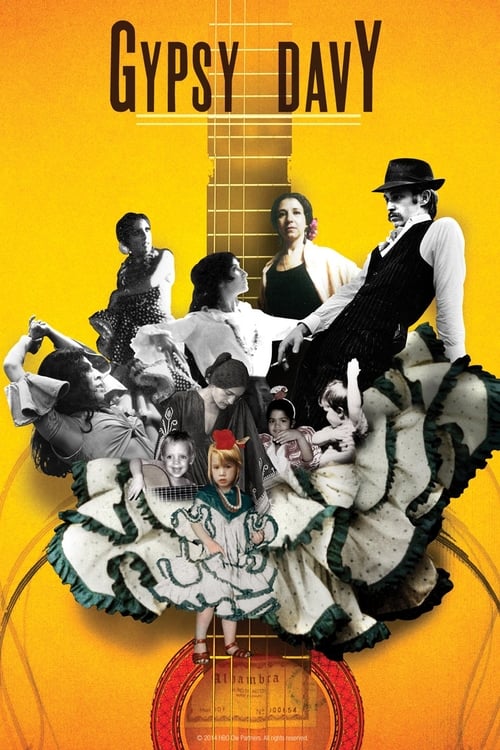
How does a white boy with Alabama roots become a flamenco guitarist in Andalusian boots, and what happens behind the scenes along the way? The movie uncoils a mesmerizing story of many hearts wound around one man. Traveling across continents and through a labyrinth of hidden meanings, filmmaker Rachel Leah Jones documents her beguiling journey toward her elusive father. As she retraces his path, she pioneers a new one for herself.