Directing
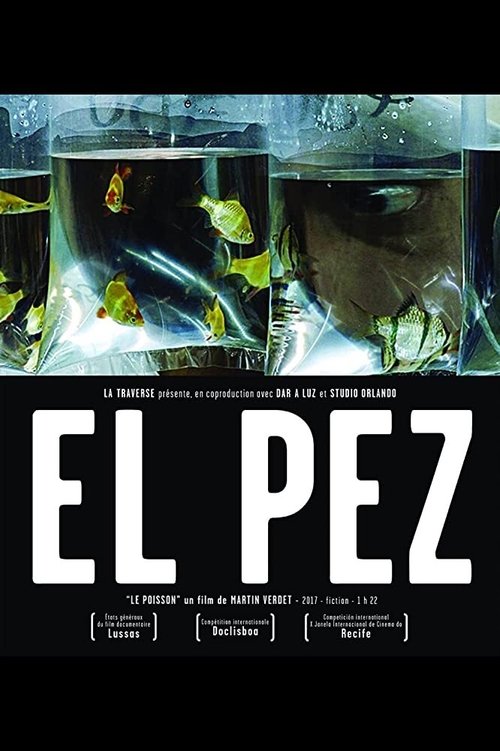
There’s the megalopolis of Mexico City and a tiny apartment. There’s the street singer and his mother, drowned in her prayers. There’s reality and routine and Mexico’s magic reshaping it all. There’s the inexplicable and the obvious. A contemporary Mexican tale.
An imposing country manor, desolate amidst the vast fields of a Danish island, filled with musicians. It is transformed into an intriguing beehive, vibrating with sound. This film speaks to us in the manner of a well-structured music lesson, where repetition, practice, composing, and interpretation of music each represent the central elements of a work sequence. We see how the insight of the master shapes the talent of their students, and how these exchanges create magical revelations.
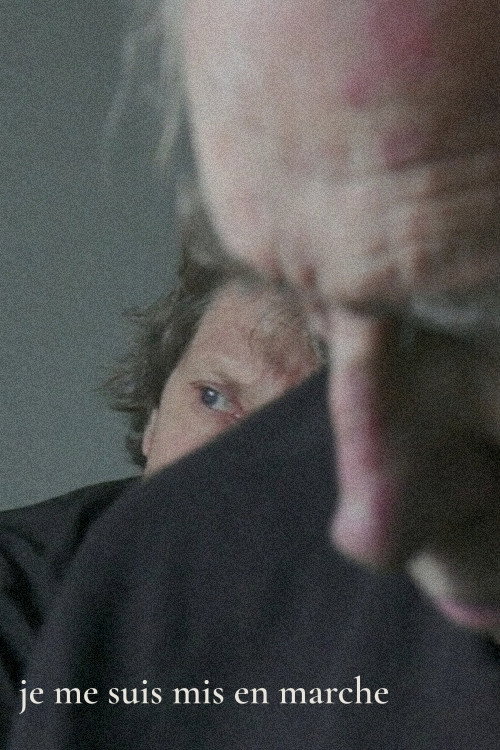
In the 1980s, writer, poet, radio personality and football enthusiast Franck Venaille is diagnosed with Parkinson's disease. He decides to travel the length of the Scheldt river, to dip his hands in its source, and brings back the long epic poem La Descente de l'Escaut. Today, the disease has progressed, but Venaille still spends much of his time working in the study where he wrote the text. Je me suis en marche is both a road movie weaving together the poem, Venaille now and during his journey, and a documentary adaptation of the epic odyssey of a sick man retracing a river across 450 kilometres.
Two brothers reunite in their childhood home to speak about the incest one of them suffered there as a child. Over the course of a single day, their conversation intertwines the most difficult questions with the boldest theories, delving deep into our religious and mythological history.
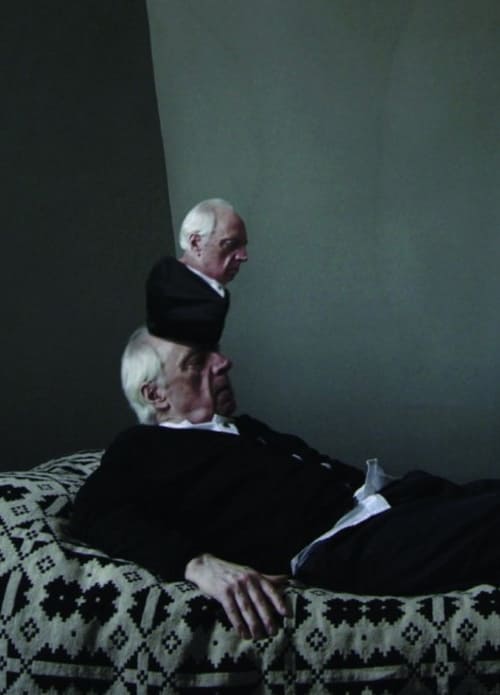
Poet and radio producer Franck Venaille’s study is being emptied. Micha Venaille and Martin Verdet find in it many recording of his voice. The place becomes a stage of all that is never done in a dead man’s room.
The signs of life and death intertwine within a cinematographic writing that is invented. The expression says: 'mourn'. This film tells us that it is mourning that makes us first. Martin Verdet's film, Donner le jour crosses this time which, from the death of his mother to the birth of his son, tangles day after day the material of mourning to the material of life. This film is a rare film, rare by the emotion it provokes, the quality of this emotion which is always nourished by a formal elaboration, a work on the form whose beauty immediately seizes us as an enigma and as a revelation.