Thierry Le Luron
Acting
Biography
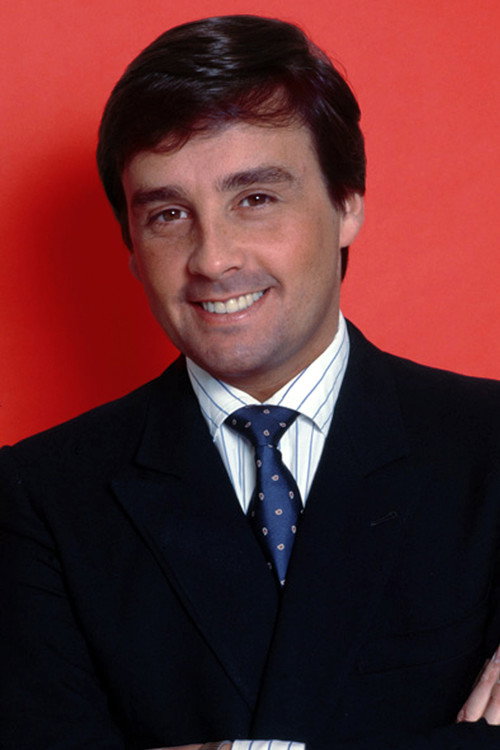
Thierry Le Luron, born April 2, 1952, in Paris and died November 13, 1986, in Boulogne-Billancourt (Hauts-de-Seine), was a French comedian, impressionist, actor, and singer particularly famous in the 1970s and 1980s for his impersonations of political and media figures. Thierry Le Luron was born in 1952 in Paris into a rather discreet family with no direct connection to the entertainment world. From a very young age, he showed a strong inclination for impersonation and the stage. An observant and sensitive child, he spent hours listening to the radio and imitating the voices of public figures, especially politicians and pop stars. His adolescence was marked by an early determination to pursue a career in entertainment, despite a family environment that was not particularly oriented towards the arts. His career truly began in the late 1960s when he won an impressionist competition. He made his first television appearances in the early 1970s, which brought him national exposure. He quickly became a key and ubiquitous figure in French television comedy, particularly in variety shows where his impersonations of political figures like Valéry Giscard d'Estaing and François Mitterrand left a lasting impression. He became one of the most influential impersonators of his time, capable of making people laugh while offering a critical perspective on current events. His intelligence, quick wit, and vocal precision made him an essential figure in the field of satire. In the 1970s and 1980s, he performed a string of successful shows, including "Thierry Le Luron at the Théâtre des Variétés" in 1975, "Le Luron Unbound" in 1977, and "Le Luron 80" at the Olympia in 1980. He distinguished himself with an incisive style, blending impersonation, political satire, and parody songs. His shows, often sold out, appealed to a wide audience, even though his acerbic criticism sometimes led to tensions with certain public figures. On September 25, 1985, in a provocative and satirical move, Thierry Le Luron staged a parody wedding ceremony with Coluche, amidst a period of intense debate on social mores and French politics. This irreverent and audacious event, widely publicized, was perceived as an ironic critique of social conventions and the political establishment. However, behind the public spectacle, his personal life was more complex. Discreet about his private life, he led an existence marked by certain vulnerabilities. In the mid-1980s, his health deteriorated. Nevertheless, he continued to perform on stage, demonstrating remarkable professionalism despite his increasing fatigue. His last major show, presented in 1986, testifies to his deep attachment to his audience and his craft. Thierry Le Luron died on November 13, 1986, in Paris, at the age of 34. His death was linked to AIDS, at a time when the disease was still poorly understood and heavily stigmatized. His passing provoked a wave of emotion throughout France, and numerous figures from the artistic and political worlds paid tribute to him, praising his courage, his talent, and his lasting influence on French humor.

Known For

No description available.
Champs-Elysées

Midi Première is a French variety show presented by Danièle Gilbert, directed by Jacques Pierre and broadcast from January 6, 1975 until January 1, 1982 on TF1. The program was generally broadcast between 12:15 p.m. and 12:55 p.m., then giving way to the 1:00 p.m. TV news. However, the broadcast schedule could change, depending on the guests, and the setting where the recording of the program was shot. Certain performances by artists who have become cult like the one where Ringo jostles with a demonstrator in interpretation (1977), that of Dalida with the title There is always a song with the soundtrack that does not start, twice, at the right speed (1978), Claude François and his Clodettes, who, in the provinces, are unable to join "the set" in order to interpret his song, the latter being taken by the crowd of delirious fans (summer 1977) . The group Supertramp performed there with the title "Dreamer" on March 8, 1975.
Midi Première

No description available.
Sacrée soirée

A talk show presented by Michel Drucker
Les Rendez-vous du dimanche

A French variety show.
Numéro un

Le Grand Échiquier is a French variety television program created and presented by Jacques Chancel. It aired at 8:30 pm on the first channel of the ORTF from January 12, 1972 to July 12, 1972, then on the second color channel of the ORTF from September 1972 to December 1974, and finally on Antenne 2 from January 1975 to December 21, 1989. The program returned to France 2 on December 20, 2018 and is hosted by Anne-Sophie Lapix.
Le Grand Échiquier
No description available.
Midi trente

Host Jacques Martin invites different talented children from various backgrounds to showcase their beautiful voices. The participants entertain and wow the audience with their lovely performances.
Fan School

At Theater tonight is a TV show broadcasted from 25th August 1966 to 21st September 1985. The show is broadcast plays recorded in two or three days, during public performances at the Théâtre Marigny on the Champs-Élysées, or sometimes Edouard VII theater.
At Theatre Tonight
No description available.
Samedi soir

No description available.
30 millions d'amis
No description available.
Système 2

No description available.
Il était une fois Champs-Élysées

No description available.
À bout portant

No description available.
Cadet Rousselle

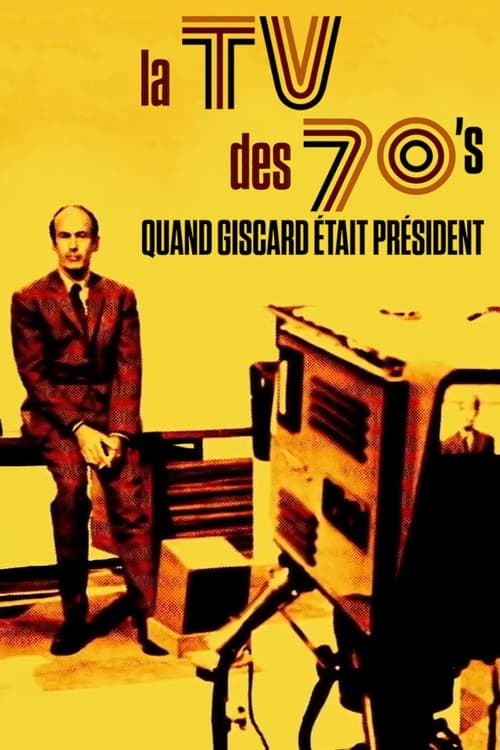
In May 1974, Valéry Giscard d'Estaing became President of the Republic and wanted to bring about a new era of modernity. One of his first decisions was to break up the ORTF with the creation of three new television channels: TF1, Antenne 2 and FR3. Three new public channels but autonomous and competing. It is a race for the audience which is engaged then, and from now on the channels will make the war! This competition will give birth to a real golden age for television programs, with variety shows in the forefront. The stars of the song are going to invade the living rooms of the French for their biggest pleasure. This unedited documentary tells the story of the metamorphosis of this television of the early 1970s, between freedom of tone, scandals, political intrigues and programs that have become mythical.
La TV des 70's : Quand Giscard était président

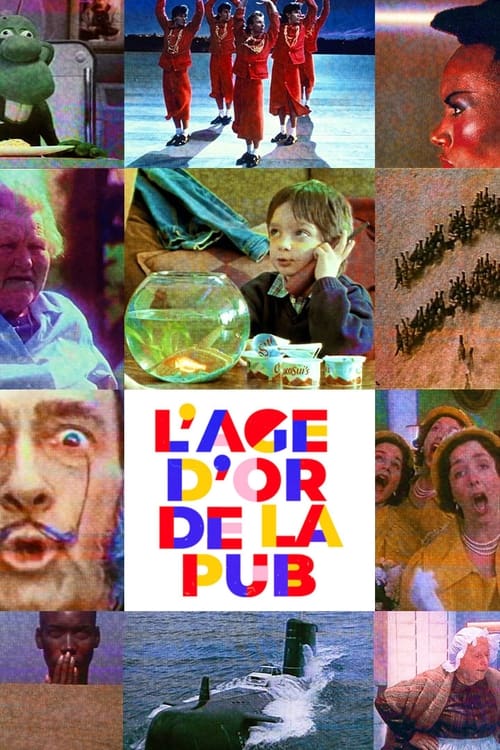
55 years ago, on October 1 1968, the first brand advertising spot appeared on the French television screen. Over the next three decades, thousands of creative little films would seduce and build our collective memory. Kitschy or cult spots, humor, slogans, music, stars, gimmicks, grand spectacle or sex appeal: during its golden age, how did advertising convince? Thierry Ardisson has brought together almost 400 advertising clips to relive the era of the conquest of minds and wallets.
L'Âge d'or de la pub

No description available.
Comiques de toujours (Vol. 1 à 4)

On the occasion of the fourty years anniversary of François Mitterand's election, a look back to the relationship between the President and artists, from admiration to manipulation.
Mitterrand, président culturel

Parents are not easy this year. That's what 16-year-old Marie realized when she saw the mess her father, a general practitioner, and her mother were in. But Marie is more interested in dancing. The arrival of Laurent, a young student, will reveal her passion for choreography and, as a result, awaken the unconscious but tenacious love she has for Paul, her childhood friend.