Patrick Le Bon
Directing
Known For
No description available.
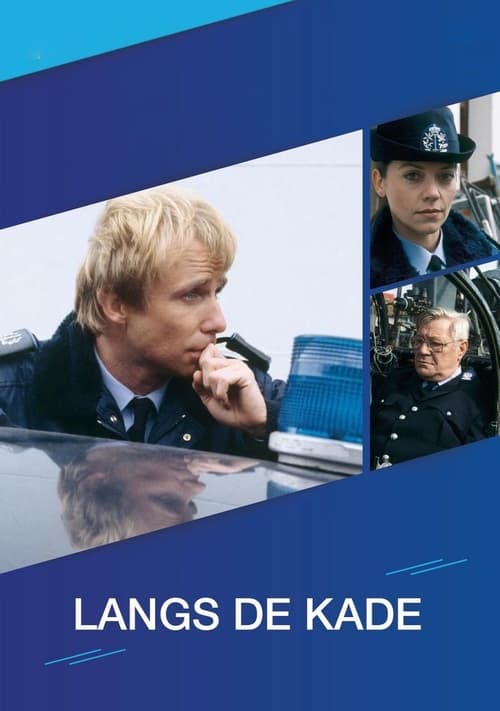
Langs de Kade

No description available.
Commissaris Roos

After lengthy discussions with Willy Vandersteen, the artist of the comic strip, this series was put into production in 1973. This happened in collaboration with the Flemish actor and producer Wies Andersen. Instead of adaptations of the existing comics, six new stories were chosen. The puppets were given multiple facial expressions and the sets and props were made based on detailed designs by Studio Vandersteen. Lambik always acts as narrator. A striking difference with the comics is that Jerom's doll now has its eyes open.
Suske en Wiske - De Poppenserie
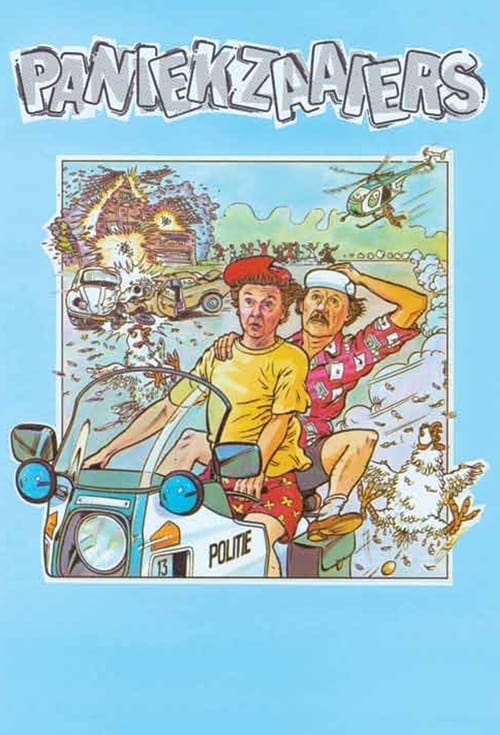
Gaston and Leo are active in Antwerp's motorbike brigade. But the two are demoted to simple neighbourhood cops. When they track down a dangerous woman kidnapper and his accomplice, the pair soon find themselves back in favour. Before they can complete their sleuthing, they must escape the attentions of their wives.
Paniekzaaiers
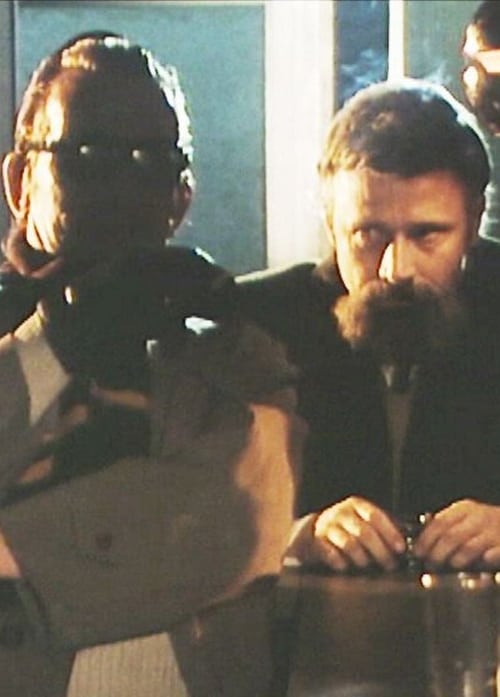
The film revolves around Ekster. Ekster is the nickname of a shrewd extortionist who plays a game with the police. The action takes place in the diamond world.
Ekster
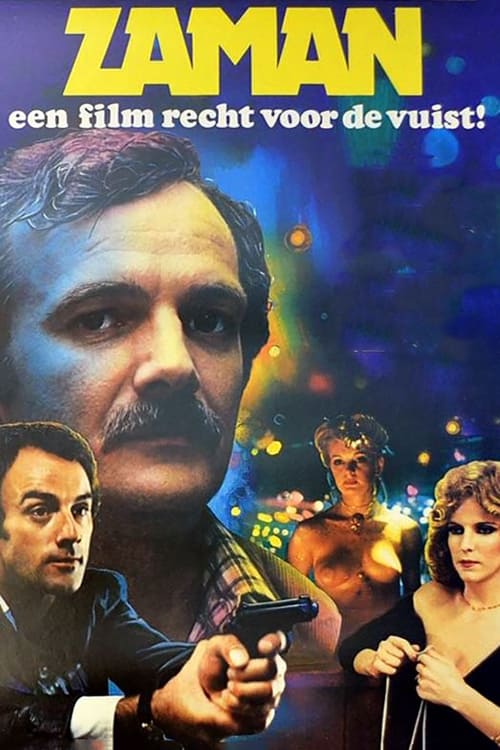
An inspector of the Antwerp criminal investigation unit faces problems not only in his professional life, but also at home. When he is partnered with a young, over-confident colleague, he loses control over the case in hand.
Zaman
No description available.
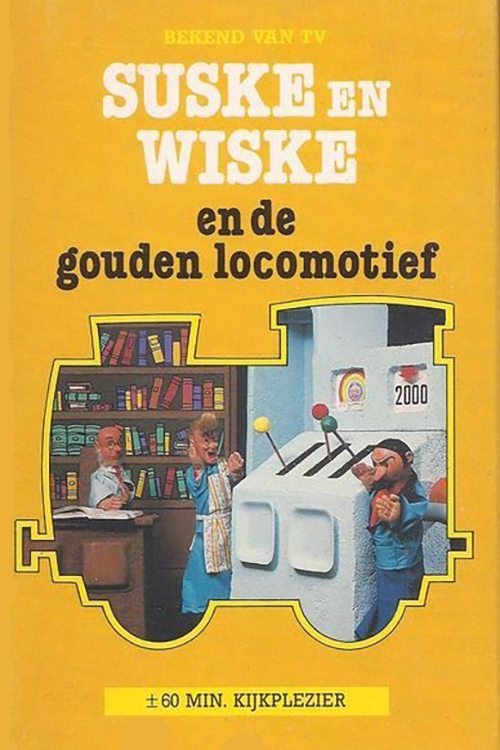
Suske en Wiske en de Gouden Locomotief
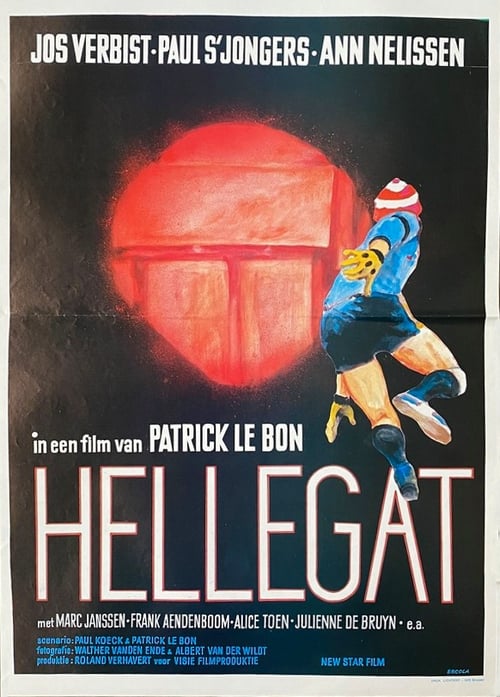
Sam starts his first week as a helper at a brickyard. He got this job because his new boss is the chairman of the local football team for which he plays. He's a talented goalkeeper. There is much resemblance between Sam and Louis, a 65-year-old who is pottering through the last days before his retirement. They both react strongly to the illegal dumping practices of a firm from the city. But also their boss' hands do not seem to be entirely clean in this business. Will Sam sink into the rut and routine that Louis is rebelling against?
Hellegat
No description available.
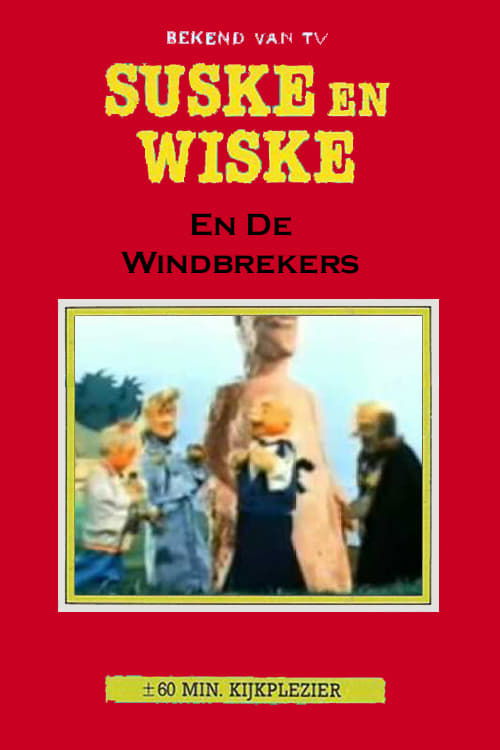
Suske en Wiske en de Windbrekers
No description available.
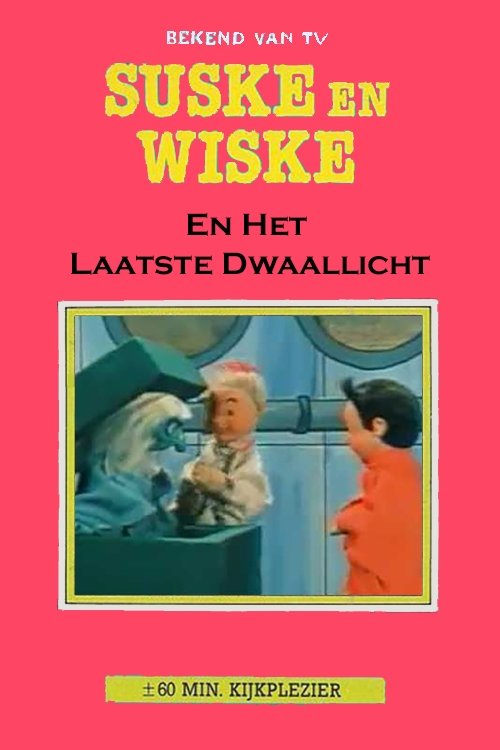
Suske en Wiske en het Laatste Dwaallicht
No description available.
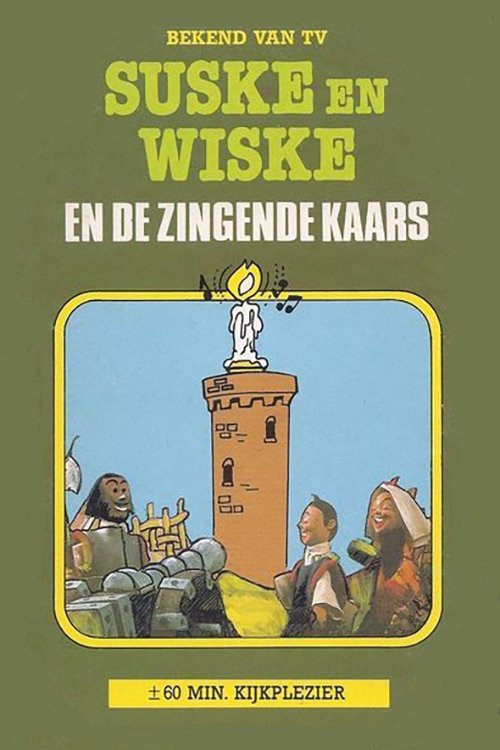
Suske en Wiske en de Zingende Kaars
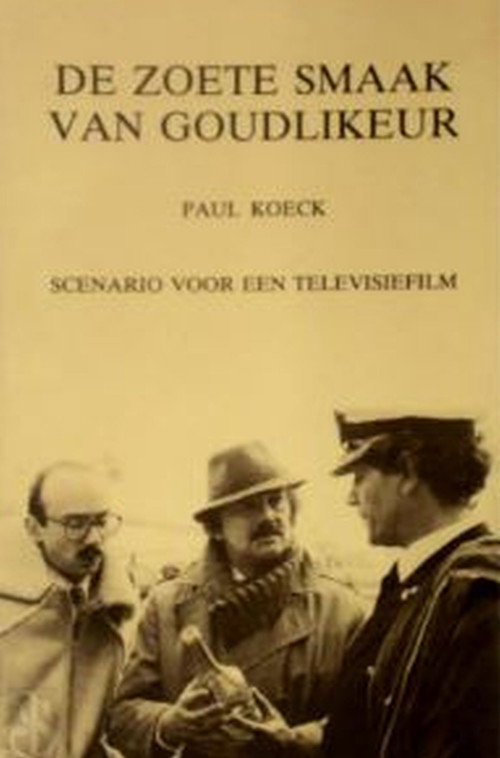
A batch of bottles of gold liqueur (also known as Bruidstranen) containing the original drink mixed with clandestinely distilled, toxic methyl alcohol is put on the market. One bottle is purchased by a couple on their way to a wedding party. During the wedding, the television in the kitchen next to the reception hall is showing images of the port of Antwerp, where three sailors have died after drinking from a bottle of gold liqueur. The police launch a manhunt for the perpetrators and the remains of the batch.
De Zoete Smaak Van Goudlikeur
The film describes the first working day of a twelve-year-old girl, shortly after the turn of the century. After a miserable childhood in a proletarian family, where she was mother to five toddlers, the sensitive girl follows in the footsteps of her parents and seventeen-year-old sister and sets off for the brickworks. The girl bravely defends herself at work, enduring the boys' bullying without tears, but when the day comes to an end, the foreman tells her that she must go to Krevelt, the boss, to be registered.
Klinkaart
No description available.
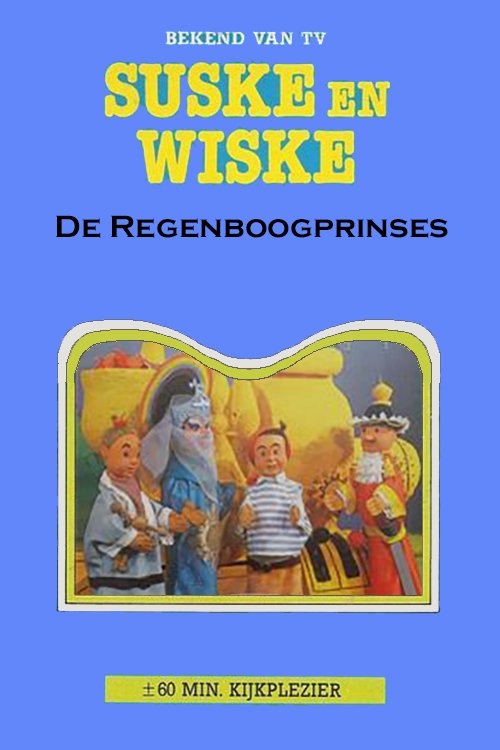
Suske en Wiske en de Regenboogprinses
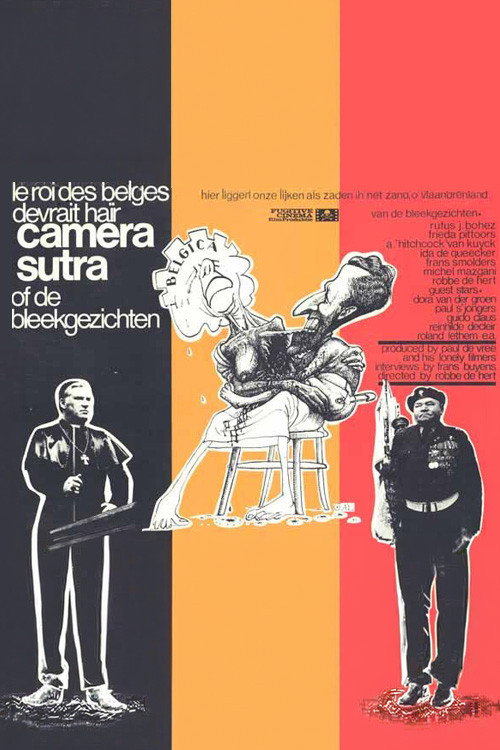
The Herts Camera Sutra or The Palefaces (1973) is a militant and visually fragmented critique of Belgian bourgeois society, blending documentary collage with semi-autobiographical fiction. De Hert attacks the distractions of nationalism, religion, and popular culture while exposing capitalism, social injustice, and postcolonial exploitation. The film’s second half shifts to a disillusioned group of rebellious youths, revealing the uncertainty and emotional paralysis behind revolutionary ideals. Both politically fierce and deeply self-questioning, the film captures the tension between radical ambition and powerlessness.
Camera Sutra (or the Pale Faces)
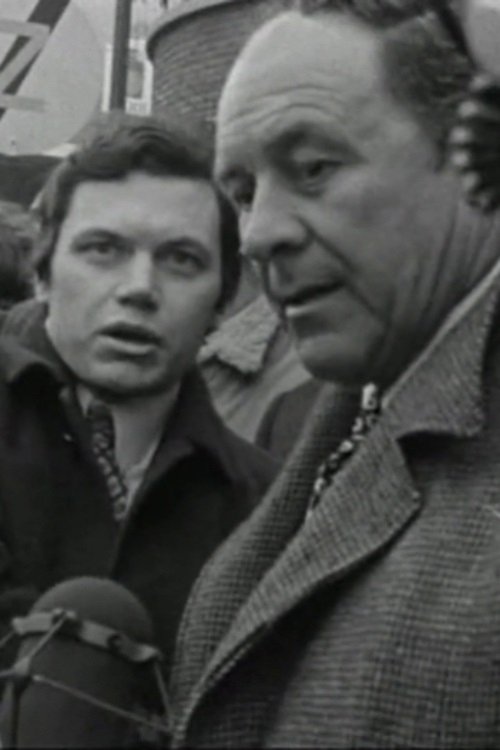
Cinema Verité about Fons Noyens who cannot pay for the damages caused by an accident as his ensurance company had become bankrupt. We get to see the public auctioning of his household effects.
S.O.S. Fonske
Billy, a 20-year-old working-class youth, returns from military service hoping to build an independent life. Instead, he clashes with his father over his future and reluctantly takes a job in construction. After his friend Mike, a migrant worker, dies in an accident caused by the contractor’s greed, Billy lashes out in anger and loses his job. At the same time, his relationship with his girlfriend Mieke begins to fall apart when she is suspended from her teaching position.
Greetings and a Living
Short documentary on the 75th anniversary of the belgian football club Beerschot.
Beerschot 75 jaar
No description available.
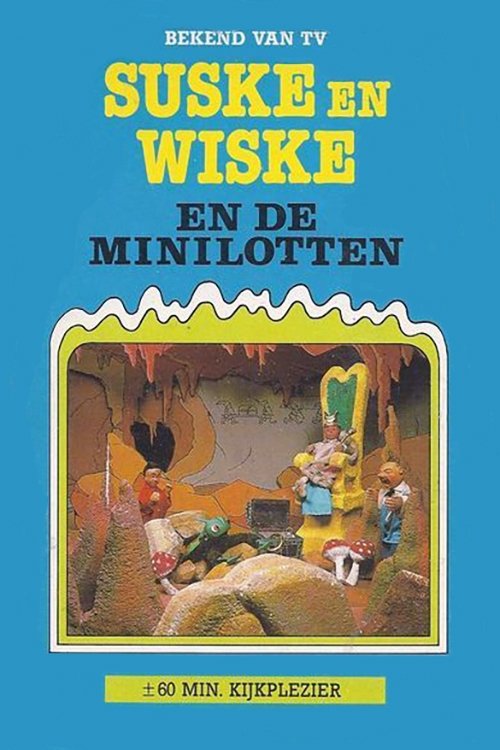
Suske en Wiske en de Minilotten van Kokonera
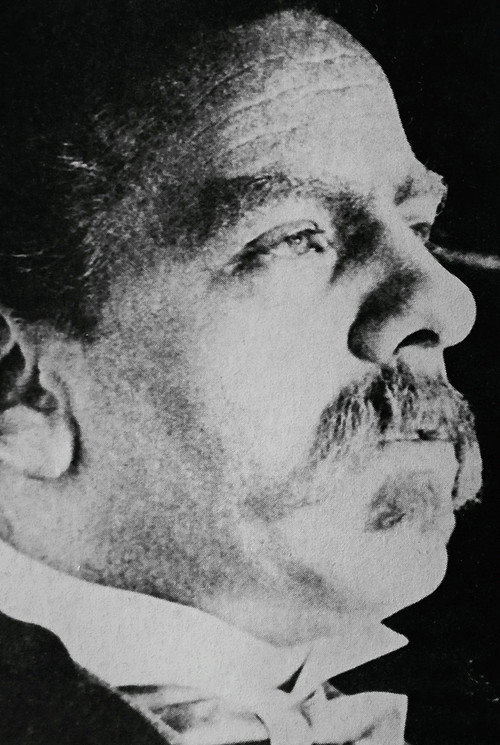
Directed by Rik Kuypers, the 1968 documentary Lieven Gevaert, eerste arbeider chronicles the life of the Flemish industrialist, highlighting his transition from a small-scale photographic paper producer to founder of the global Agfa-Gevaert corporation. The film emphasizes Gevaert's social philosophy, his dedication to the Christian labor movement, and his pivotal role in the Flemish Movement, portraying him as both a pioneering industrialist and a social reformer.