Sound
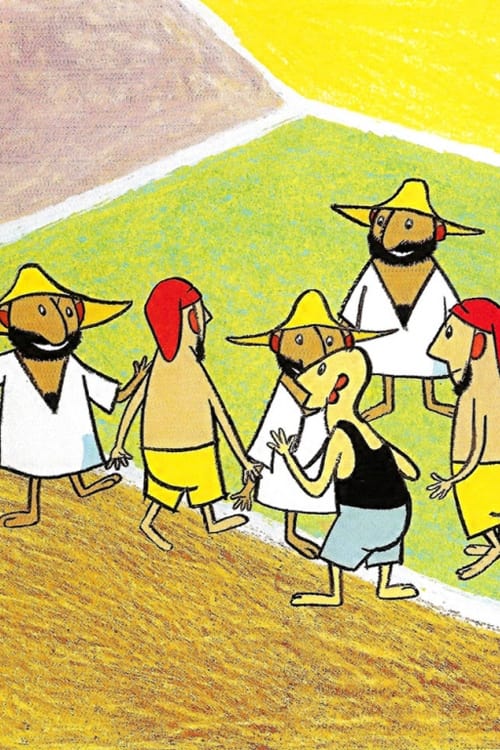
The cartoon film sets out to justify the existence of UNESCO as an instrument for world peace.
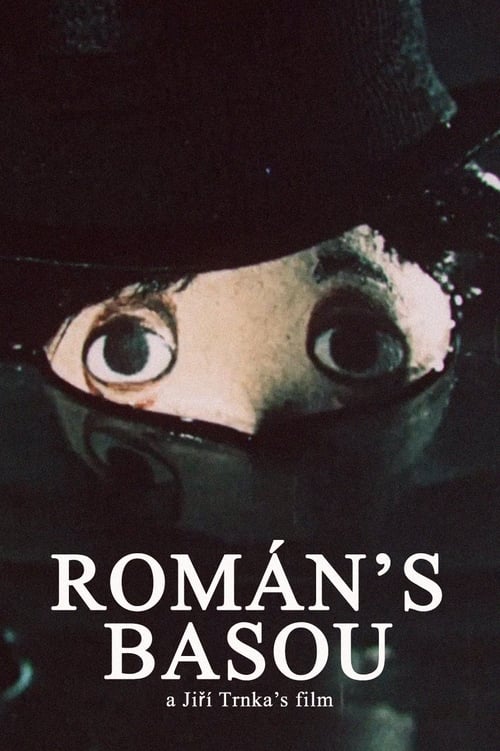
"Román s basou" is another short by master a stop-motion puppet-animator Jiri Trnka. The story is based on Anton Chekhovs story "Roman s Kontrabasom". Princess Bibulova decides to go fishing along the river while not far away a bass player leaves his two companions to go for a swim.
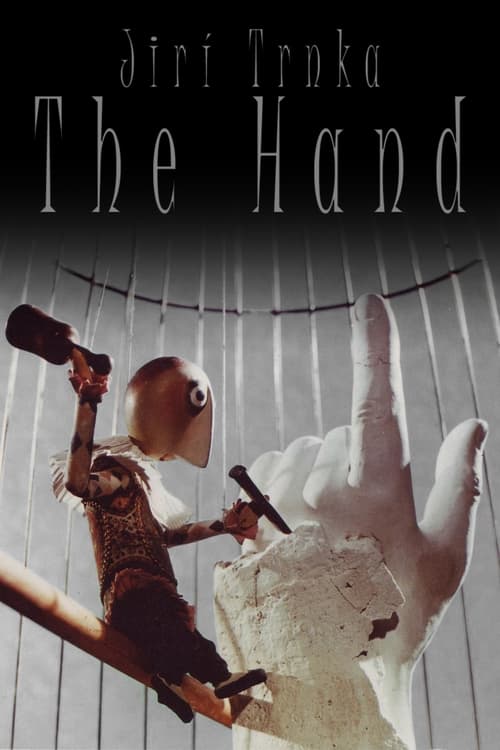
A happy little potter is approached by a huge hand which wants him to sculpt its statue. The potter refuses, wanting nothing more than to be left alone with his only friend, a potted plant. As the hand's request gives way to bribery, demands, and threats, the potter becomes more desperate to escape its clutch, leading to tragedy.
No description available.
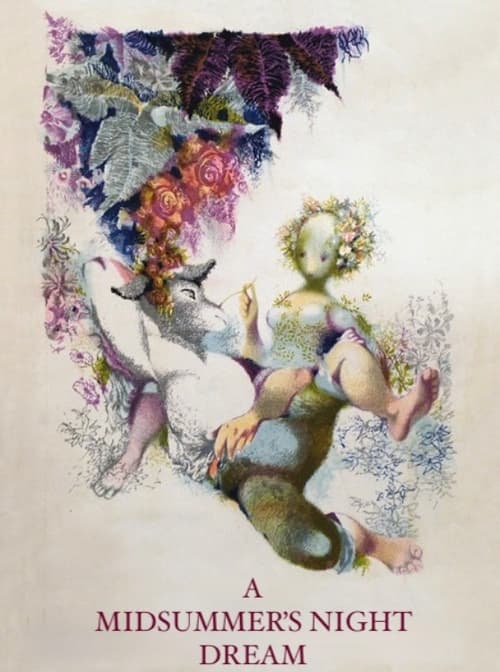
The first puppet film shot in CinemaScope. It is based on the famous poetic comedy by William Shakespeare. Three worlds meet in this story: the noble world of three Athens couples, a common popular world of tradesmen amateur theatre and a fairy-tale happiness of magic creatures as elves and nymphs. The film is considered the most remarkable Jiří Trnka's work and a milestone in the history of the world animation.
Trnka brings to life a surrealist circus of tightrope-walking fish, musical monkeys, balancing bears, and high-flying acrobatics in this whimsical feat of cutout animation made in collaboration with leading Czech painters of the era.
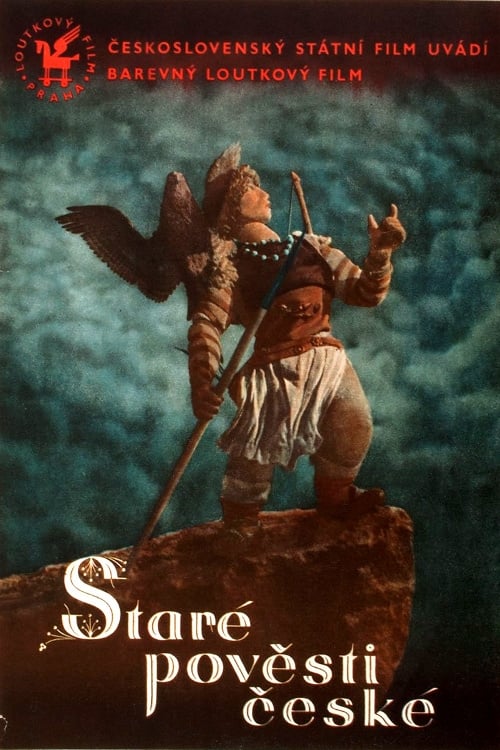
A monumental piece of art bringing the heroes of the ancient Czech myths back to life. The picture consists of seven parts: Cech the Forefather, Bivoj, Libuse, Premysl, Girls War, Horymir, Lucka War.
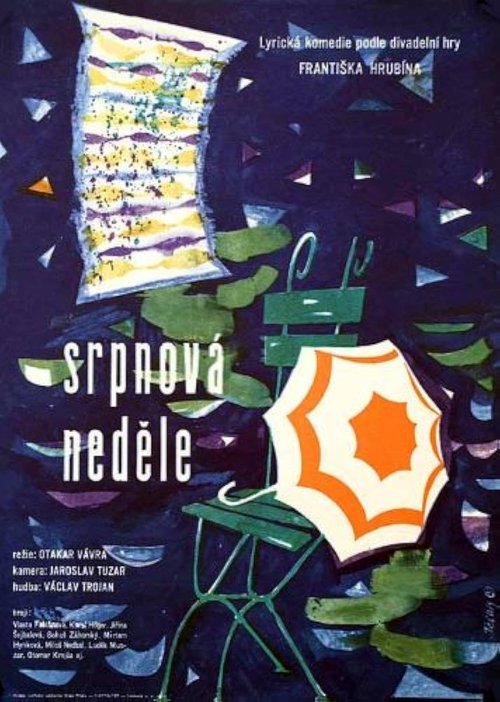
This lyrical comedy story takes place in two hot days in the small South Bohemian village. On the shore of a small pond, summer guests and local youth meet. As is typical of the works of Hrubín, it is a conflict of youth and age, life and death, represented by the medical student Zuzana and her beloved Jirka.
A selfish self-centered widowed ruler, barely tolerated by his subjects and called appropriately enough, 'King Myself, First' asks his three daughters to name the measure of their love for him. When one of them says, "more than salt", he banishes her from the kingdom. Not understanding what she meant the King assumes love can only be measured by precious metals or one's own talent, the 'correct' answers from his other two daughters. The arrogance of the King leads him to gather all the salt in the kingdom and destroy it. Of course, this backfires as he slowly learns the universal value of the substance, and of course, the essence of his daughter's reply. With the help of the wise and magical old 'herb woman', the King also learns what it means to be a true and wise ruler.
The second cartoon by Jiri Trnka that was a sensation at the festival in Cannes in 1946 when it defeated the world animation elite of the time. It is a musical fairy-tale based on a famous folk story about animals that deterred thieves.
A barrel organ grinder meets the devil on a mysterious moonlit night in this haunted-house fable, which showcases Trnka’s atmospheric use of sound to conjure a macabre mood.
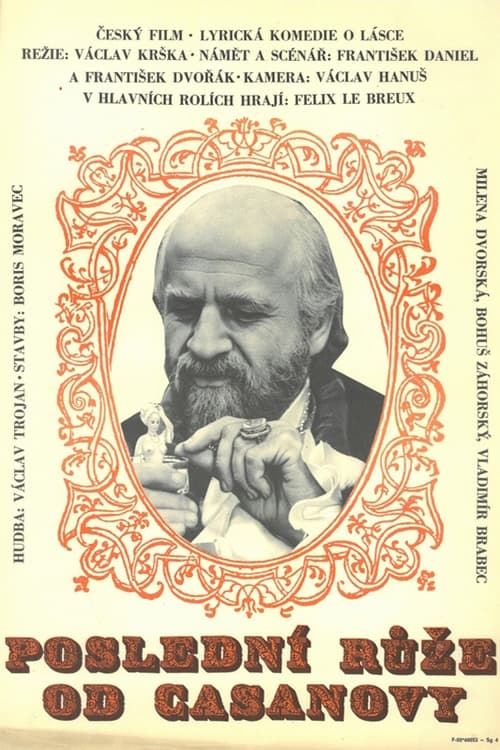
The story takes place at the time when Giacomo Casanova, probably the most famous conqueror of women, held the position of librarian at the Valdštejn castle in Duchcov. He was then a rather bored and grumpy old man who enjoyed only writing his memoirs and then a daily game of cards with the Count. But all that changed when Wallenstein's young nephew František Adam arrived at the chateau with his charming wife Valeria. She wanted to see the famous seducer with her own eyes. However, she was somewhat disappointed by the reality, as well as by the seducer's outdated views on love.
The first Czech cartoon based on a fairy-tale about grandpa, grandma, their granddaughter, dog and cat who all wanted to pull a big beet out from the ground. The picture shows children that a big task can only be fulfilled by joint effort.
Folk art–like hand-drawn stills illustrate this sweetly simple pastoral fable, in which a peasant comes into possession of a small fortune—but realizes there are treasures greater than gold.
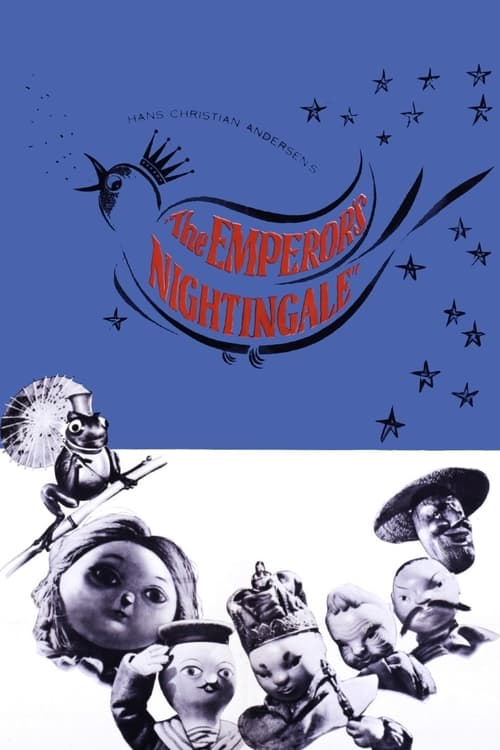
Adaptation of a fairy tale by Hans Christian Andersen, about an emperor who prefers the tinkling of a bejeweled mechanical bird to the song of a real nightingale. When the Emperor is near death, the nightingale's song restores his health.
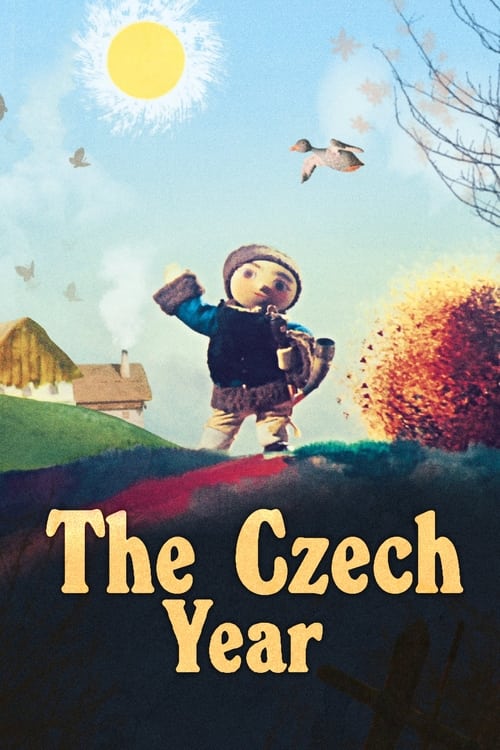
The first full-length puppet film made by Jiri Trnka. Like the painter Ales who illustrated the national songs, Trnka depicts the traditional customs and tales of the Czech village in six separate sequences: Shrovetide, Spring, Legend About St. Prokop, The Fair, The Feast and Bethlehem." A Treasury of Fairy-tales" made Trnka famous all over the world and it is a masterpiece of Czech and world animation.