Mohamed Zinet
Acting
Biography
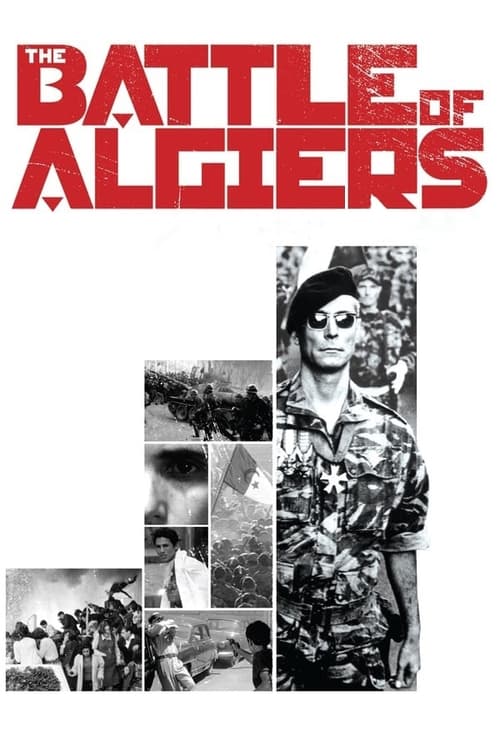
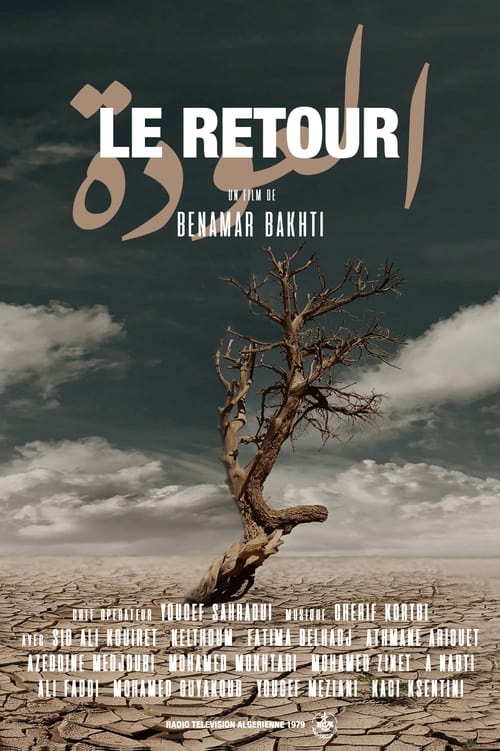
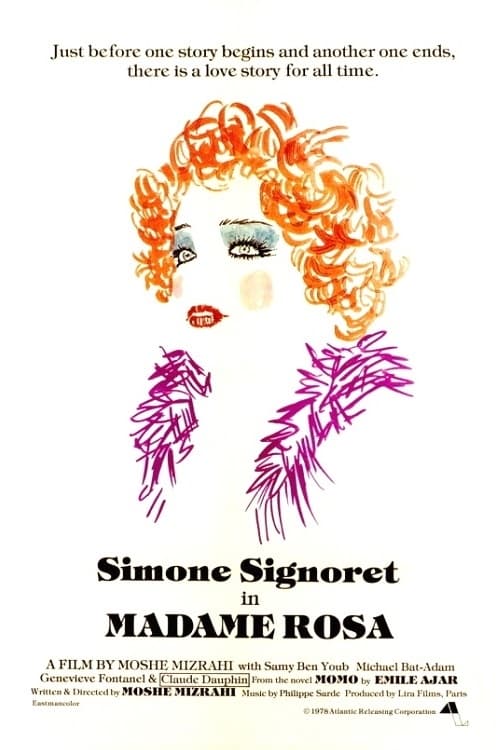
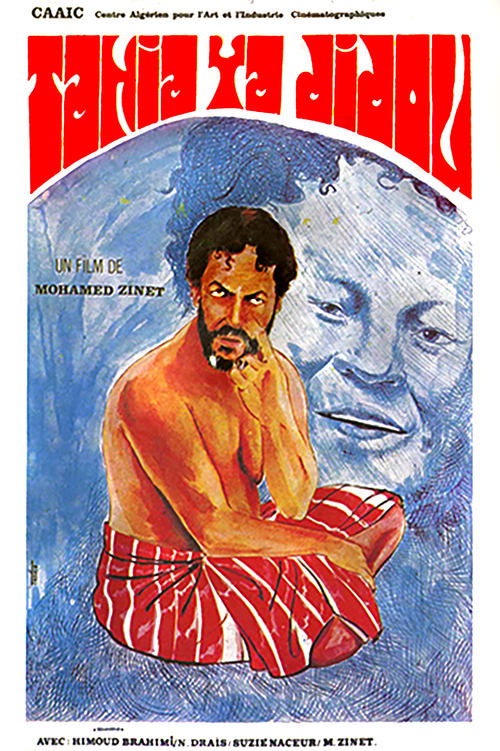
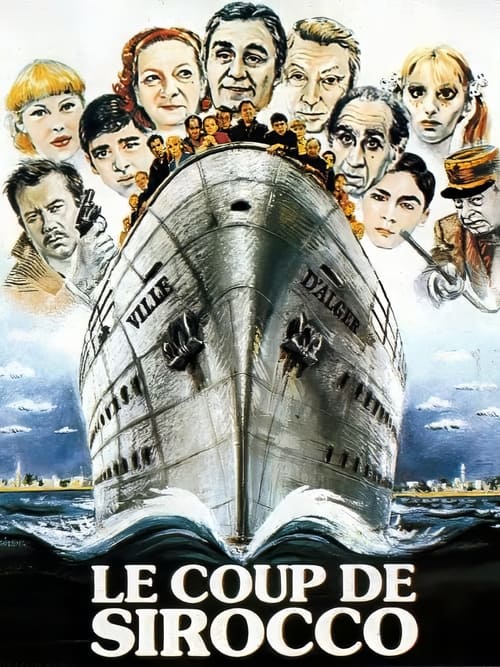
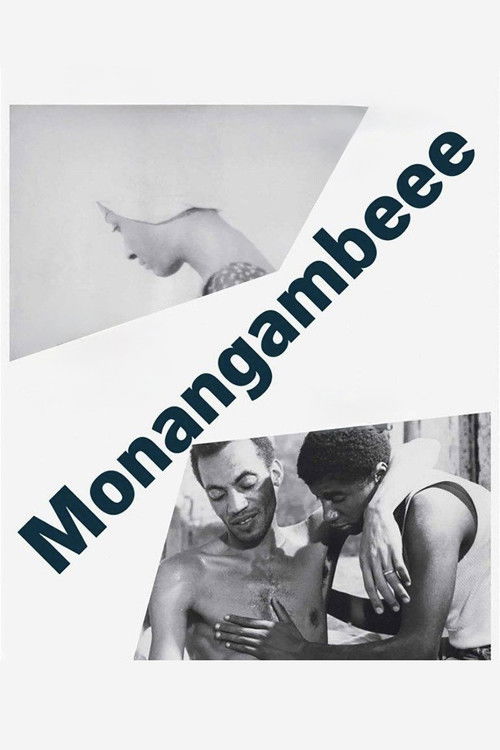
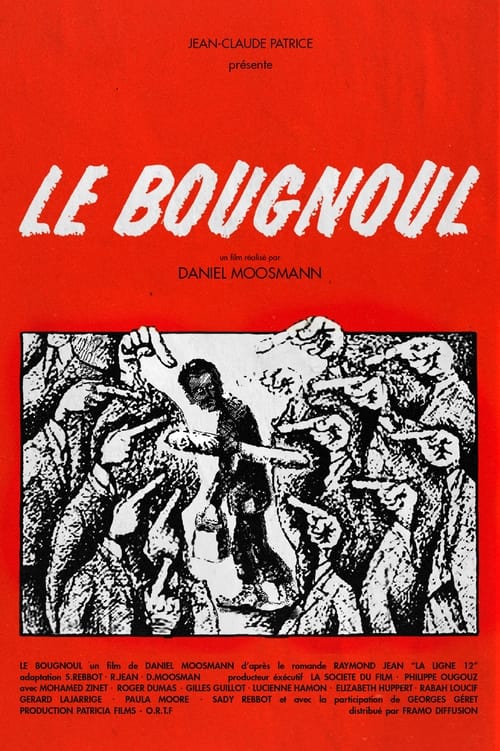
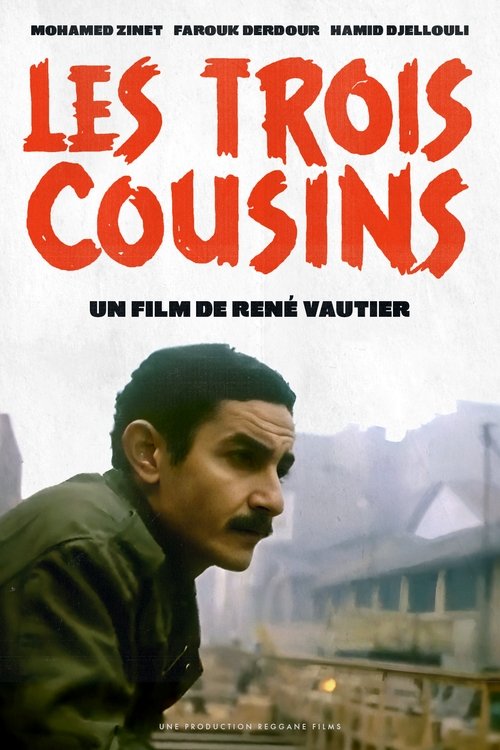
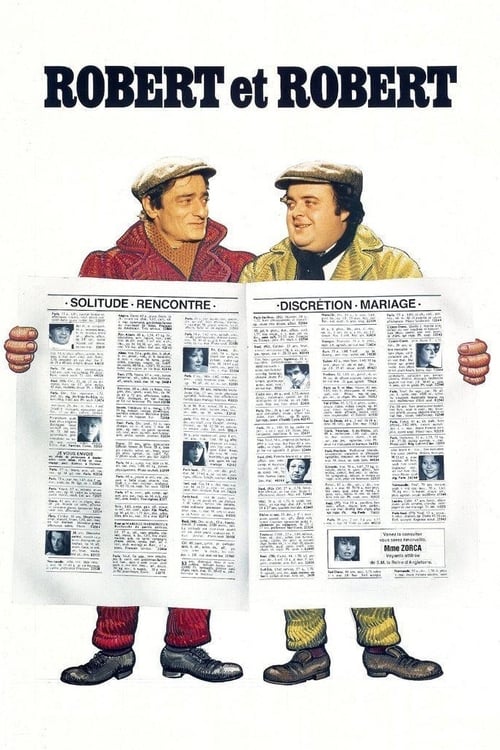
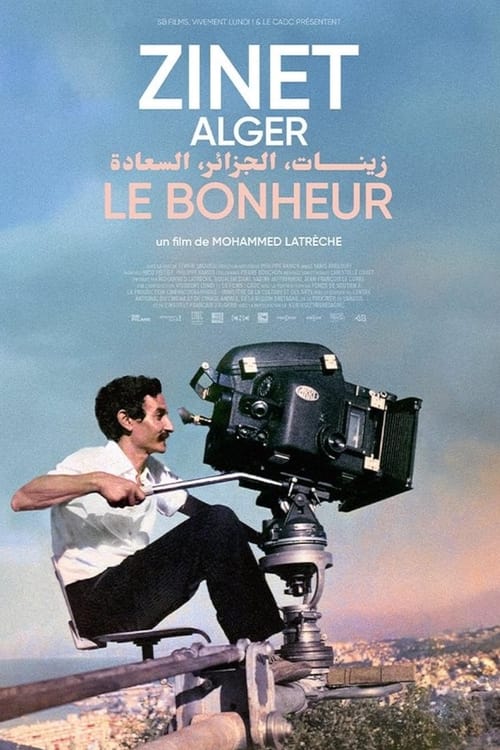
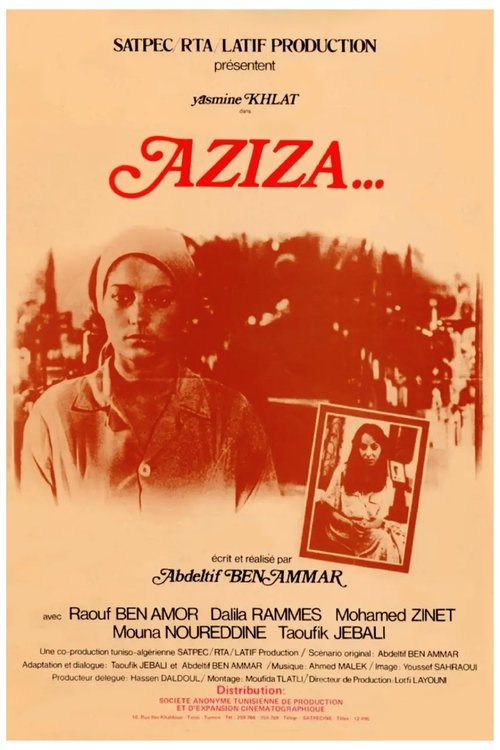
Mohamed Zinet (Arabic: محمد زينت) is an Algerian actor and director, born January 16, 1932 in the Casbah of Algiers in Algeria, and died April 10, 1995 in Bondy in France. Born in 1932 in Algiers, Mohamed Zinet developed a passion for theater at a very young age. He led an amateur troupe called El-Manar El-Djazairi (The Algerian Flambeau) and in 1947, in Paris, he presented an adaptation of Bourgeois Gentilhomme by Molière in the Wagram room. Officer of the National Liberation Army (ALN) during the war of independence, he was seriously injured during a mission, then transported to Tunis where the artistic troupe of the National Liberation Front (FLN) was created which constituted the core of the future Algerian National Theater. During his stay in Tunis, he played the role of Lakhdar in Le Cadavre Encerclé by Kateb Yacine, directed by Jean-Marie Serreau. After a first internship in 1959 at the Berliner Ensemble in the GDR, Mohammed Zinet did a second at the Kammerspiele in Munich in 1961. The following year, he stayed in Paris where he was hired by Jean-Marie Serreau for the Scandinavian tour of Les Bonnes de Jean Genet and Amédée or How to Get Rid of It by Eugène Ionesco. Returning to Algiers in 1964, he participated in the creation of the company Casbah Films with Yacef Saâdi and was an assistant on Les Mains Libres by Ennio Lorenzini (1964) and La Bataille d'Algiers by Gillo Pontecorvo (1966). He was also in demand as an actor in Monangambée by Sarah Maldoror (1968) and Les Trois Cousins as well as Les Ajoncs by René Vautier (1970). Finally, he is the author of an unpublished play entitled Tibelkachoutine (The Man With Twigs) in Berber, created in 1953, testifying to his great admiration for Charlie Chaplin and silent cinema. A play presented in Tunisia, which he planned to adapt for the cinema but the film will never see the light of day. Made in 1971, Tahya Ya Didou! is the only feature film by director Mohamed Zinet. In this film, he presents his vision of independent Algeria with realism and poetry by discovering the Casbah and white Algiers, pearl of the Mediterranean in a poetic dialogue told by his friend, the poet Himoud Brahimi. The result, an unclassifiable comedy, full of life and fantasy, freshness and poetry, which gradually became cult for film buffs, which was not initially to the taste of the sponsors of the municipality of Algiers who were expecting a documentary. tourism in the capital. Result, Tahya Ya Didou! never had a real release. The film, of which a film copy was eventually found, was restored and digitized in 2016. Subsequently, throughout the 1970s, Mohamed Zinet played among others in Le Bougnoul by Daniel Moosmann (1974), Dupont Lajoie by Yves Boisset (1974), La Vie Devant Soi by Moshe Mizrahi (1977), Robert et Robert by Claude Lelouch (1978), Le Coup De Sirocco by Alexandre Arcady (1979), etc. Mohamed Zinet died on April 10, 1995 in Bondy (Paris region), after several years of hospitalization, Mohamed Zinet is buried in the El-Kettar cemetery in Algiers.