
Oscar Ruiz Navia
Directing
Biography
Oscar Ruiz Navia is a cinephile who never attended a proper film school. Part of a new generation of Colombian filmmakers, he developed his interest in film on his own, and in 2006 founded Contravía (“Another Way,” in English), a production company to develop art house films in his country, where there is not a huge film industry. His first feature, Crab Trap (2010), won several awards, including the FIPRESCI prize at the Berlin Film Festival that year.
Known For

In this poetic, richly allegorical debut by Colombian director William Vega, a teenage girl flees to a rundown inn after being driven from her home in the Andean highlands by civil war, as the violence engulfing the country creeps ever closer to her remote refuge. (TIFF)
The Towrope
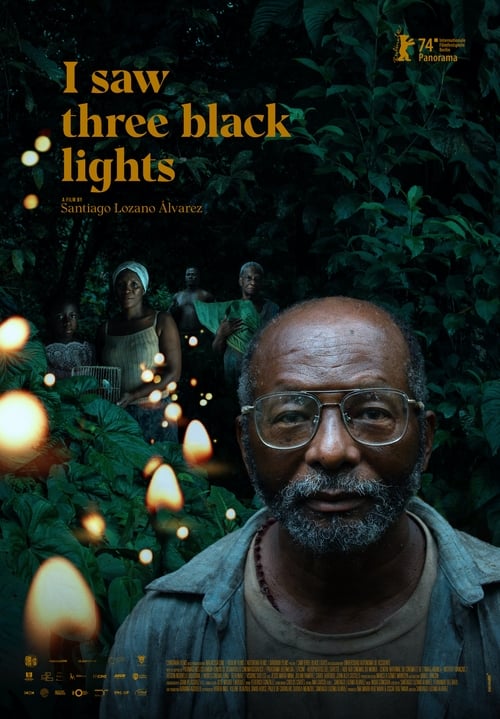
A wise old man embarks on his final journey, entering the Colombian jungle to find a place to die. But the paramilitary soldiers who control the area endanger his peaceful transition to the realm of the dead.
I Saw Three Black Lights
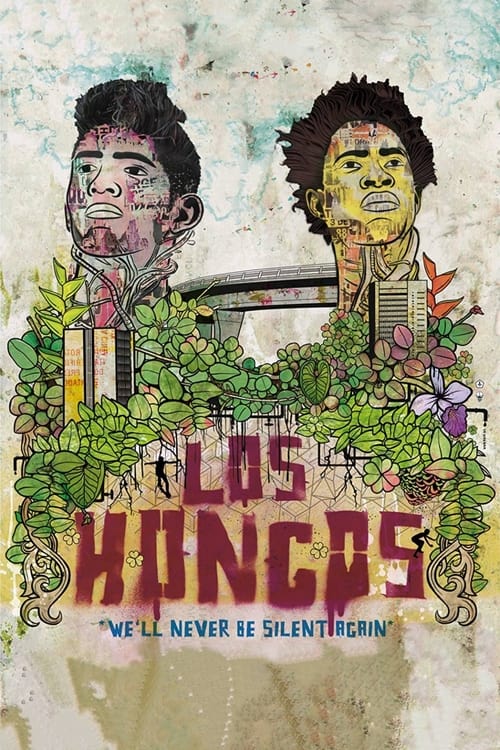
Ras is a graffiti artist from the city of Cali who works in construction, he works during the day and paints walls at night. One day he is caught stealing cans of paint from the construction site where he works, for which he is fired. With no money, he will look for Calvin, another popular urban artist. Both will circulate through the streets without a fixed destination, spreading their art to every corner.
Los Hongos
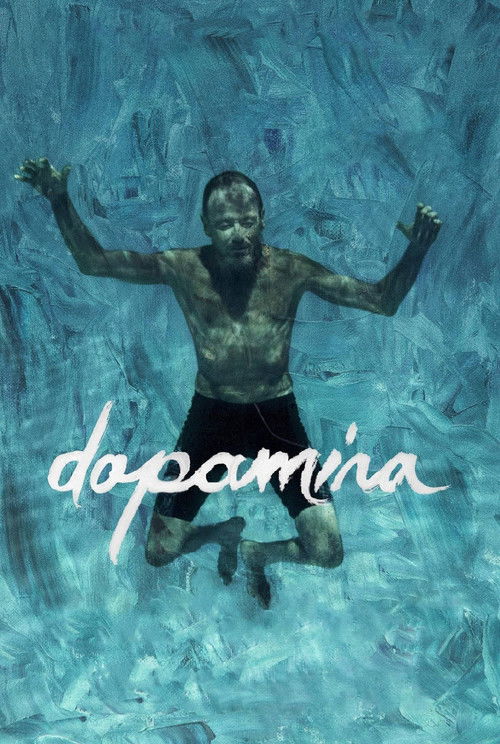
Ricardo, Natalia's father, suffers from Parkinson's disease; in that condition he stopped producing Dopamine. Surviving a very strong family crisis, Natalia told them her sexual orientation. She does not understand why after being left-wing militants and fighting for equality and freedom, they could not accept her choice.
Dopamina
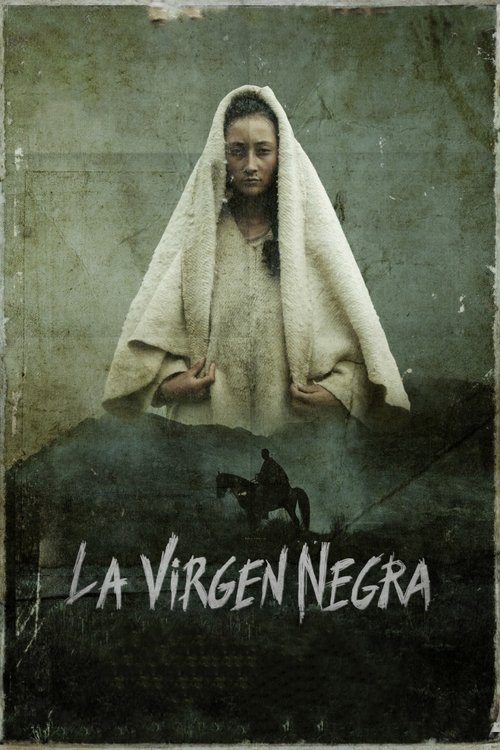
Belisario's wife is very sick, a healer comes to meet her and gives him the mission to climb the Andes mountains to bring back an object buried in the snow to try to save her.
The Black Virgin
Two filmmakers from different countries explore the memories of their mothers, to create a narrative fiction concerning the recovery of life.
Epiphany
It was during a casting session in their school that the two personages of this film met the director. Each separately told him the story of how they had broken up. And what if fiction allowed them to get back together again?
Solecito

Valeria arrives at her aunt's house in a big city to spend some time and starts working taking care of a small child. The only memory he has of home are some seeds that his mother sent to his aunt as a gift. Valeria is pregnant, and her family doesn't want anyone to find out.
Flores

A man and his son move from the Pacific coast of Colombia to Cali, but have a difficult time adapting to the city. When his son is killed, the father must go through the hard process of grief while trying to find roots in a place that does not belong to him.
Siembra

No description available.
Colombiennes
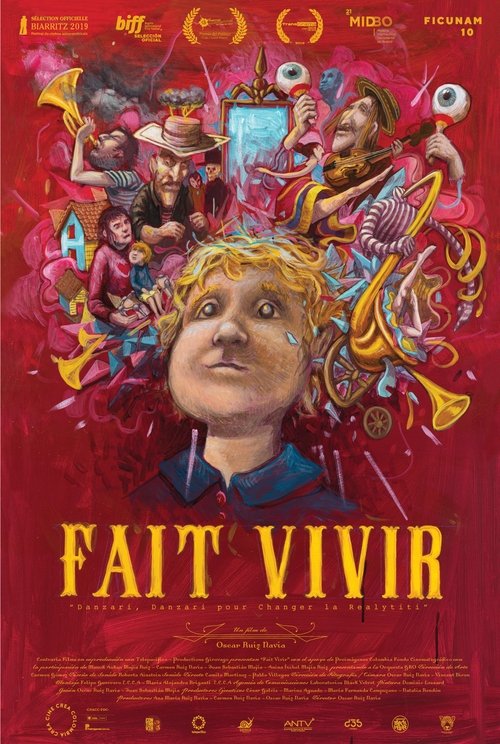
Manuk, a five-year-old child, tells the story of the Gypsy Kumbia Orchestra, a company of musicians, dancers, actors and circus artists coming from different places around the world. They created the “Makondo”, a show they present around Colombia in places where armed conflict has opened wounds.
Fait Vivir
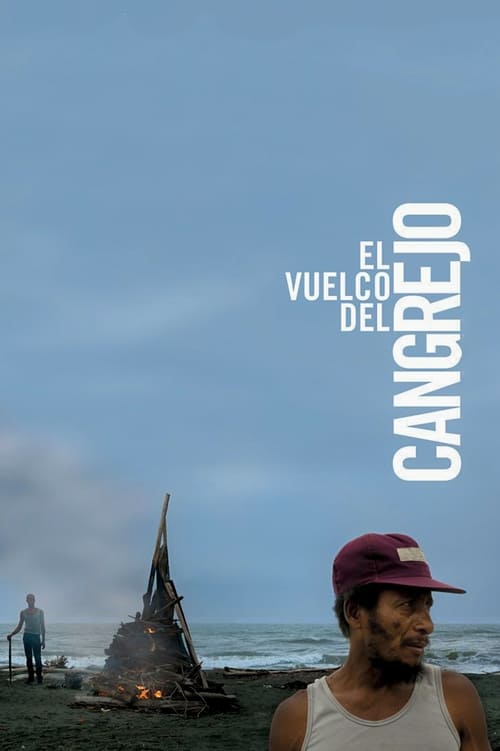
A drama set in the black communities of Colombia's Pacific coast, where a man looking to flee the country by boat encounters a local fisherman.
Crab Trap
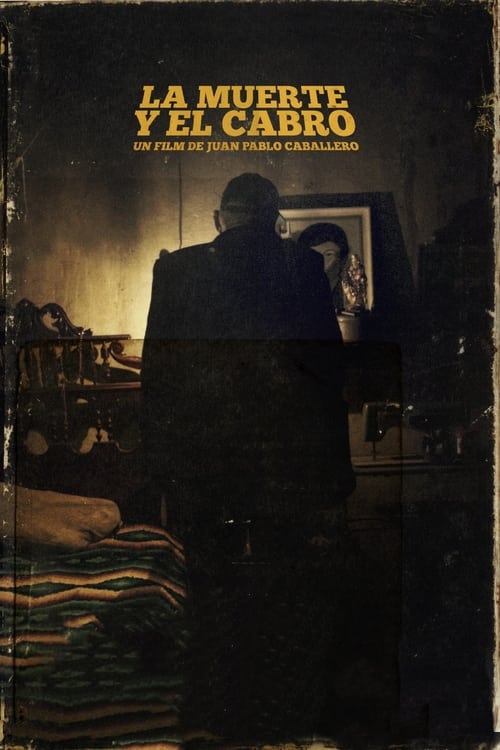
Napoleon buries his wife behind his house, located in an arid plain of distant mountains. He is an elderly peasant haunted by death and drought, with his wife he has just lost all hope of doing anything to stay alive. A neighbor boy offers him a chance to do something for his life and the lives of others. Napoleon must decide whether to heed the boy's call or put an end to it all.
The Death and The Goat

Drifting between moving-image formats and collaging local textures and bygone voices, Oscar Ruiz Navia’s film reflects on loss and mourning as experiences of temporal dislocation.
Tigers Can Be Seen In The Rain
The strange voice of Yukie guides us through her memories before the end of time. Yukie awakens in the bodies of other women and recognizes herself in different places. William Vega, who premiered his first feature La Sirga at the Cannes Director’s Fortnight, takes material from diverse sources and assembles it to show, with sensual melancholy, the fate of a woman in her transit through the “final days” of a world that, like in Eliot’s poem, ends not with a bang but with a whimper.
Santiamén

The 𝘳𝘶𝘴𝘩𝘦𝘴 evidence the presence of the person filming, revealing their movement and their center; they are the record of a hesitation seeking balance, testimony to the measurement of time. In that sustained gaze that pursues the precision of a gesture, meanings and bewilderment suddenly unfold. Filming, then, is the construction of a logic permeated by speculation, which in turn fertilizes it.
Material Bruto Silente
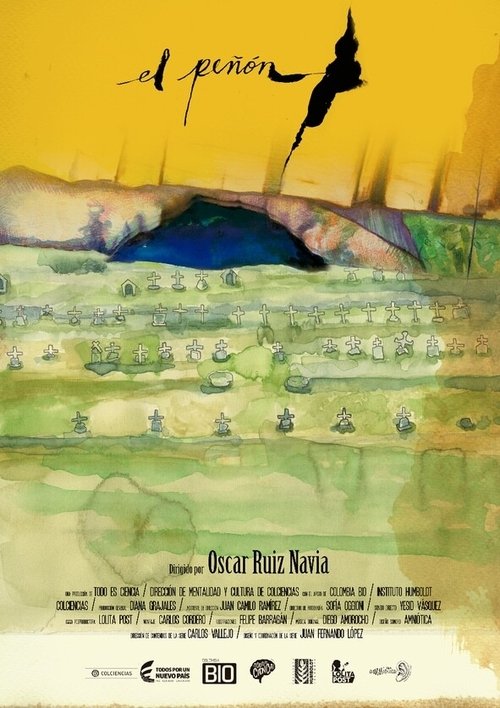
Located in the department of Santander, El Peñón is a place that thanks to its geological conditions offers one of the most particular biodiversity in the country. A foreign scientist who dedicated his life to the study of its caves, which are the largest and oldest in the country, and a group of scientists who explore its exterior penetrate this territory, while its inhabitants tell stories full of silences that fluctuate between the splendor of the landscape in which they grew up and the rigors of the violence they faced.