Toni Venturi
Directing
Biography
Antônio Venturi Neto, better known as Toni Venturi, was a Brazilian film director. Graduated in photographic arts from the University of Ryerson, in Canada, and in cinema from the University of São Paulo (USP), Toni Venturi was president of the São Paulo Filmmakers Association (Apaci) in 2001. He directed the fiction features "Latitude Zero", by 2002, "Cabra-Cega", 2005, "Estamos Juntos", 2011, and "A Comédia Divina", 2017. He also directed the documentaries "O Velho – A História de Luiz Carlos Prestes" and "Rita Cadillac – A Lady do Povo”. He died in 2024, aged 68.
Known For

The Devil himself comes to Earth to open his own church and the world becomes a pandemonium of delights and confusions. Based on a short story by Machado de Assis, the most famous realistic Brazilian writer of the XIX century.
A Comédia Divina

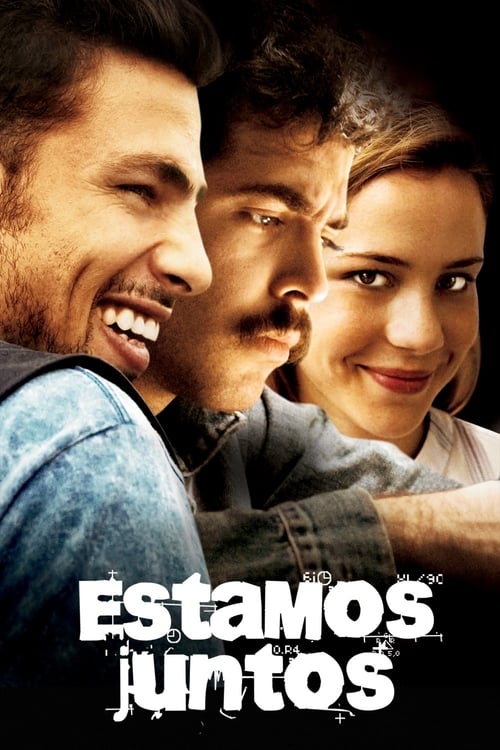
A young doctor has a promising career in São Paulo, but the diagnosis of a serious illness profoundly changes her relationship with the world around her.
We're Together

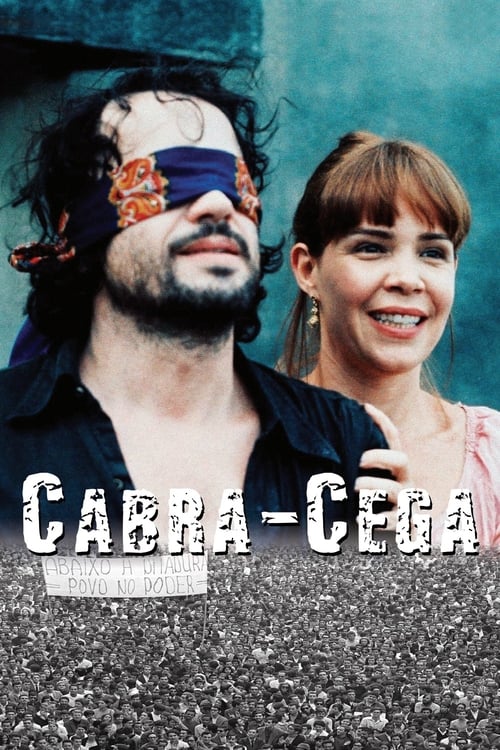
A revolutionary, fighting against dictatorship in Brazil, is wounded in a gun-fight with the police, and is isolated in another man's apartment, where he meets a young woman who will change his life.
Playing in the Dark

This revealing documentary about the Brazilian sex symbol goes deep into her career as she pivoted from dancer to singer to adult film star.
Rita Cadillac: The Lady of the People

A doctor mistaken for a thief. A cleaning lady treated as a slave. A mother who lost her son murdered by the police. A Trans employee who is never promoted. What do these people have in common? Their skin color. A human and poetic documentary sewn together with various narrative threads – characters, music, slams and black intellectual thinking – that unveil the racism rooted in Brazilian society.
In My Skin

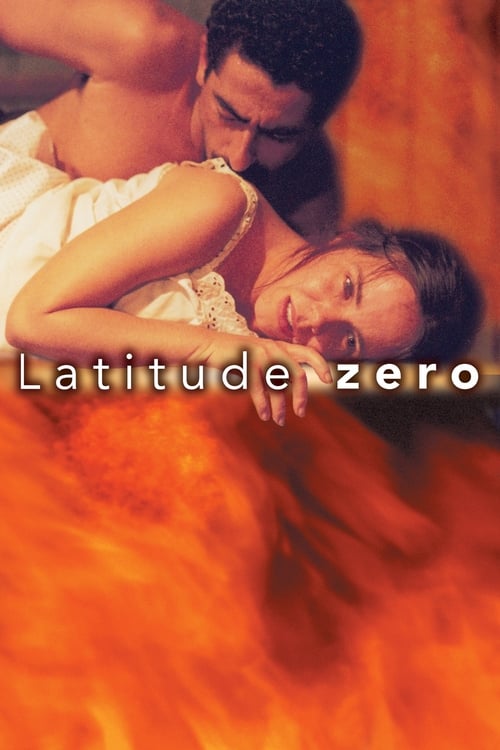
Lena owns a forgotten bar next to a highway where the trucks zip by but rarely stop. She is eight months pregnant and has been abandoned by her former lover, Colonel Mattos, of the São Paulo police. One day, she meets Vilela, a former policeman wanted for a crime he committed in São Paulo. Colonel Mattos was Vilela's superior, and his presence is continually felt by the pair. Two further elements add texture to the plot - the inhospitable landscape and the new baby's crying, which slowly makes life unbearable for the couple. Based on an original stage play by Fernando Bonassi, the film delves into the souls of two Brazilians isolated in one of the country's nameless reaches. A love story and a metaphor taken to extremes: a glimpse at an unequal society which excludes many of its citizens, pushing them into violent adventures of love and death.
Latitude Zero

Chronicles the life of military lieutenant, later communist militant and Brazilian politician Luiz Carlos Prestes.
The Comrade: The Life of Luiz Carlos Prestes

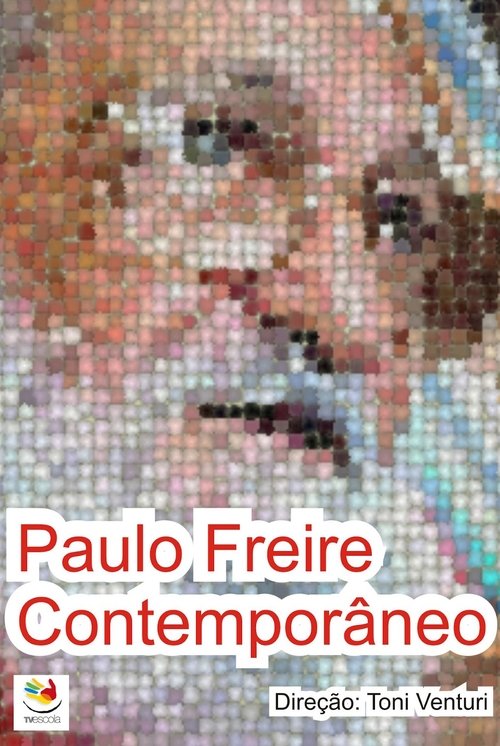
In honor of educator Paulo Freire , the Ministry of Education (MEC), through the Department of Distance Education (Seed), launches the documentary "Paulo Freire contemporaneous", by Toni Venturi. According to the director, the video takes up the origins of the first experiences of literacy and popular education developed by Paulo Freire and shows how his thinking and pedagogy are still present today. This is not just a memory movie. The documentary shows situations in which the Freirean teaching model is used today. People are unaware of actions that drank from that fountain. The film updates Paulo Freire and shows how he took root in many segments of society
Paulo Freire Contemporâneo

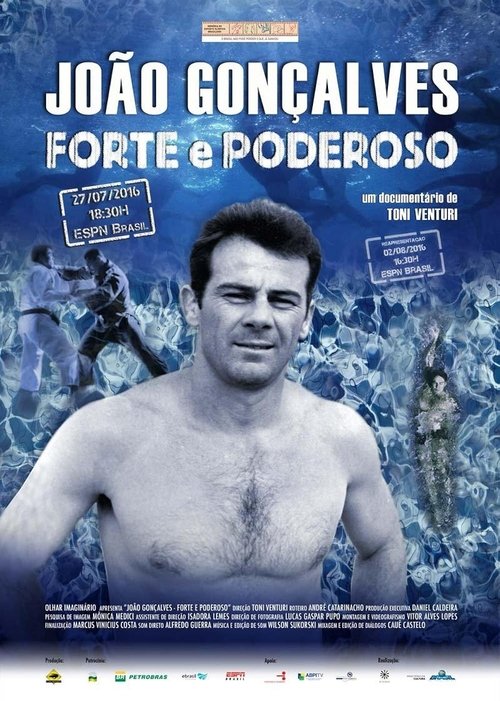
The story of João Gonçalves Filho, one of the great sportsmen in the country, who participated in seven Olympics and was one of those responsible for the most successful generation of Brazilian judo athletes of the Olympic Games.
João Gonçalves - Forte e Poderoso

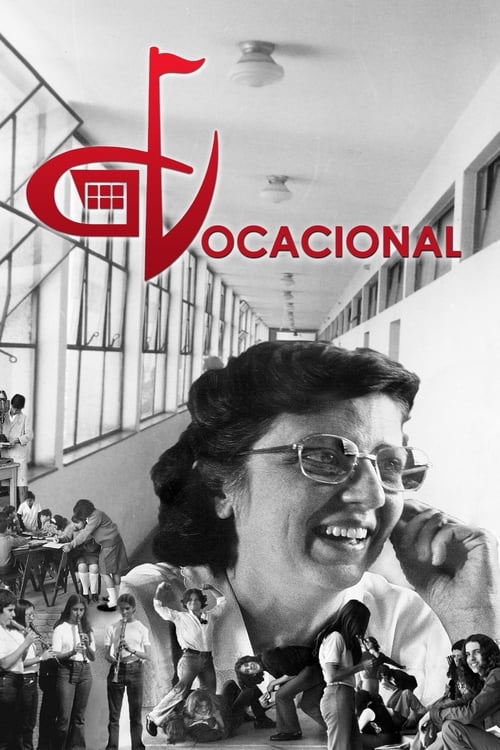
The clash of a libertarian school with the military dictatorship in the 60s. An exciting and little-known page in the history of public education in Brazil.
Vocacional: Uma Aventura Humana

A documentary that follows former members from guerrilla movements that fought against the military dictatorship in Brazil between late 1960's and early 1970's. They share stories about their routine and daily lives beyond the armed combat.
No Olho do Furacão

Documentary on the social movement of homeless workers and the occupation of abandoned buildings in São Paulo, Brazil.