Acting
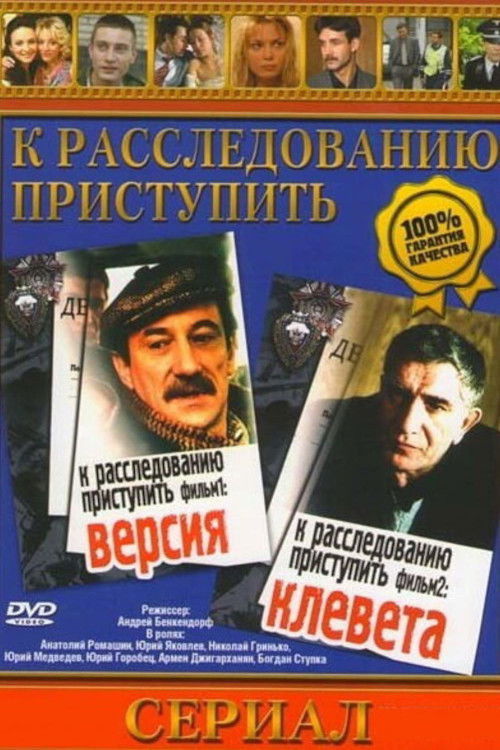
Several old friends—employees of the USSR Prosecutor's Office and Ministry of Internal Affairs, whom fate scattered across different republics of the Union—gather once a year to commemorate their deceased comrade and share unusual cases from their practice.
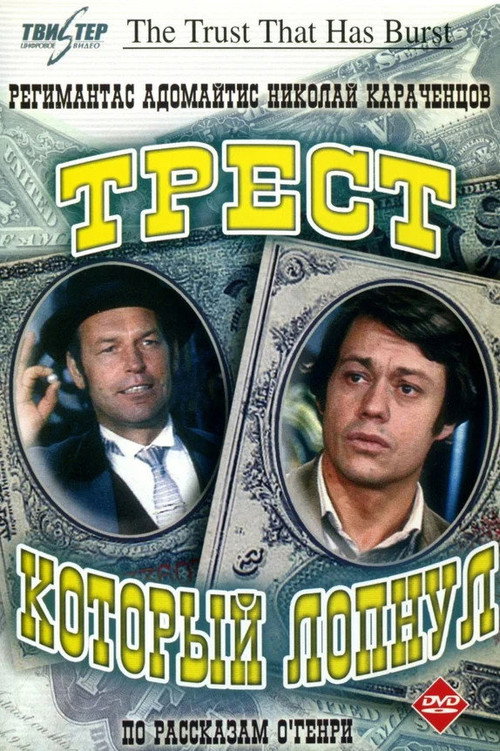
The film is set in the United States in the early 20th century. Andy Tucker and Jefferson Peters are noble crooks. They do not engage in violent theft of valuables from citizens. Jeff's principle is to always give something in return for the money received, "be it a fake gold medallion, garden flower seeds, ointment for a gunshot wound, stock certificates, flea powder, or at least a slap." They devise scams to earn money and fulfill their dreams. Andy Tucker wants to open a library, and Jeff Peters wants to return to his home state of Utah and meet his first love.
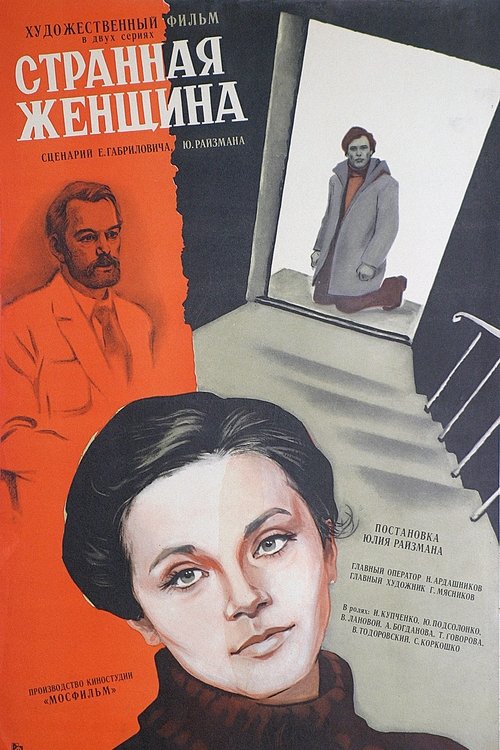
Irina Kupchenko stars in this psychological drama by the renowned director/writer team of Yuli Raizman and Yevgeny Gabrilovich. In the story, she is the entirely respectable wife of a career diplomat, with a teenaged son. Suddenly one day, she decides to leave her marriage and go live with her lover.
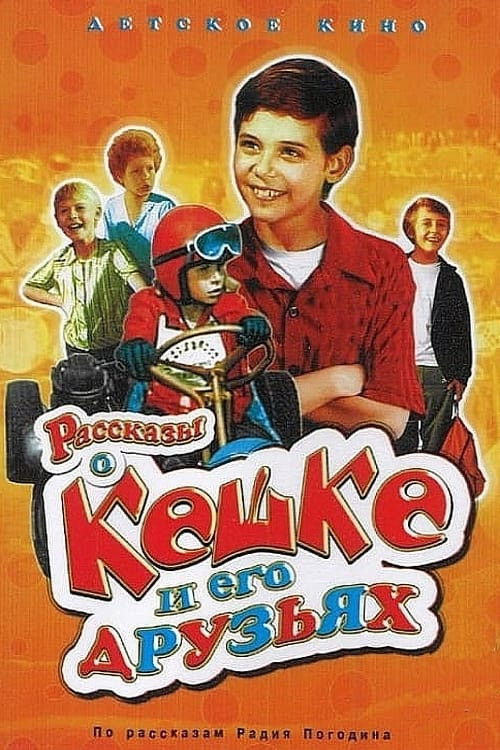
Fun-loving Keshka, fidgety Borka, romantic Sima, businesswoman Anechka and extremely serious Tolyan, suddenly taken up with sports, quite seriously take up the construction of the map.
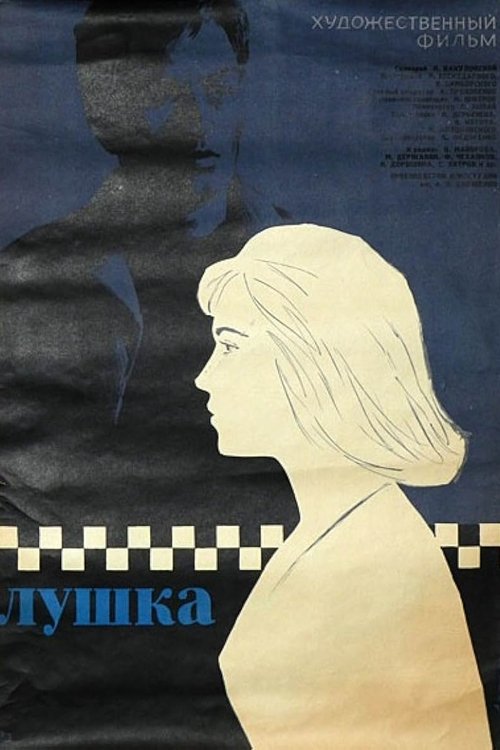
The taxi driver Lushka falls in love and, for the sake of that love, is ready to change her life just to be close to the man she loves. It turns out that her chosen one is a criminal. Yet she does not rush to lose hope. Now she understands that, for the sake of love, she must change another person – and she's going for it.
The fishery supervision employee is killed. During the investigation the public law enforcement official has looked out on the trace of the illegal grouping which has serious reasons for the commission of more considerable crimes than the illegal animals killings.
About the partisan movement in Ukraine.
Former front-line intelligence officer, captain Nikolai Mityasov, after being wounded, returns to the destroyed city and learns the sad news: his wife Shura cheated on him. Bitterness and confusion gave way to hope. But peace has come, demobilization has begun, it is necessary to restore the homeland. Nikolai finds the strength to continue living, enters a construction institute, meets Valya and begins a new happy life without war...
The television film tells about specialists dealing with the environmental problems of Siberian rivers and searching for engineering solutions for new methods of log driving. It is also a film about the personal, deeply dramatic relationships of the characters.
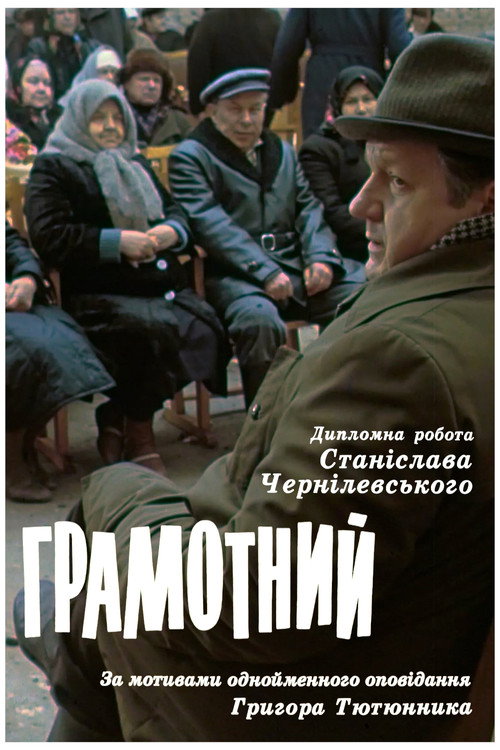
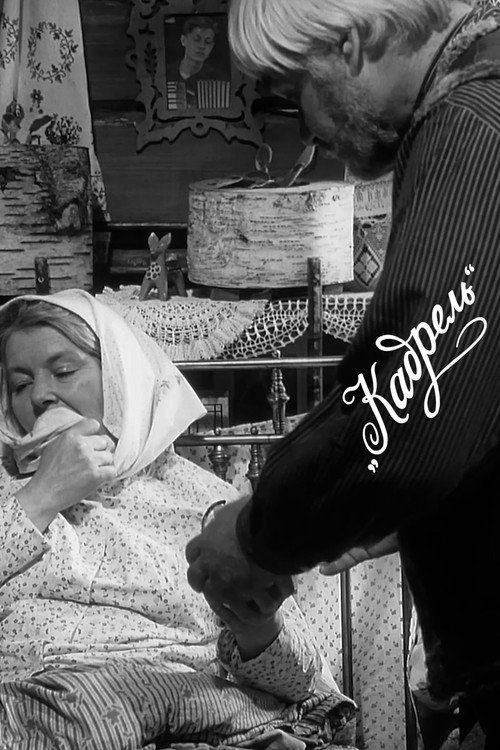
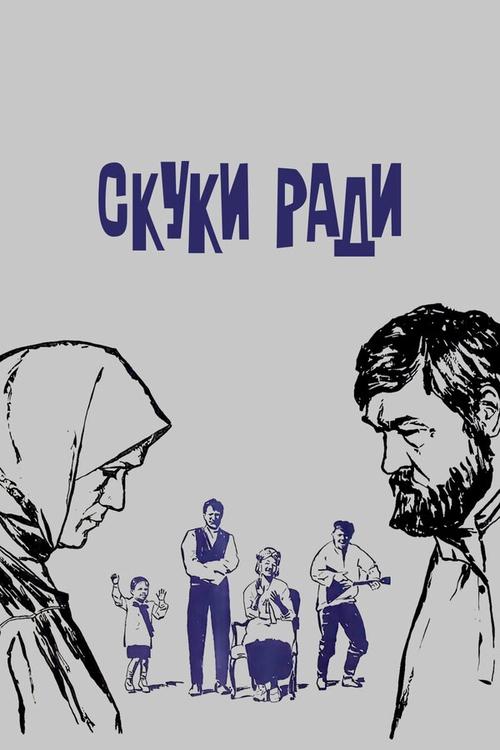
An unprecedented piece of news spreads through the village: a comrades’ court is to be held between collective farm brigade leader Yakiv Brus and an old woman named Motria, whom he struck on the head. The village club fills with people eager to sort out what seems to be every pressing issue at once.
A Ukrainian poet visiting his emigre cousin is threatened into working for the CIA's operations through Radio Free Europe/Radio Liberty.
The film is based on the stories Anton Chekhov. It is a tribute to the actor Boris Andreyev. He plays a major role that keeps up for the duration of the film. Lively and intelligent Valery Spout largely mitigates underline the drama of the protagonist, while Michael Sveta's role, though small, is bright and memorable.
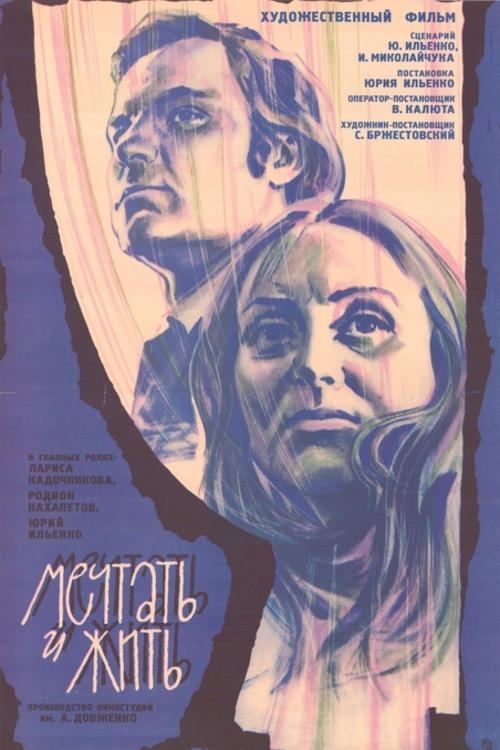
The script about loneliness, conformity and the impossibility of creative realization scared the editorial censorship at the studio, and then at Derzhkino. A lot of claims were made against him. The demands for amendments and endless additions and rewrites by the authors lasted for about a year. The original version of the title "Na pokhony!" ("To bow down!") was replaced by "To Dream and to Live". According to Pylyp Ilyenko, the director's eldest son, this name appeared "as a result of censor pressure." Censorship stopped the tape 40 times: at the stage of the literary script, director's, during film tests (the actors were not approved), filming, etc. The film catastrophically fell apart into fragments, into masterfully filmed, but unrelated scenes. The director called the finished version a "dead film".
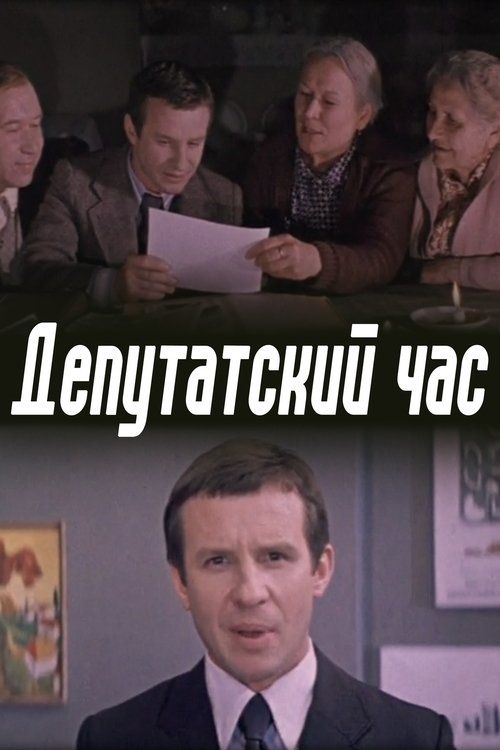
The eternal “housing question” in Russia is taken on by Serafimov, a young and principled city council deputy, who is determined to help his constituents. In the end, he manages not only to secure a new building for the veterans of the brick factory—made from the very bricks they once produced—but also to have them all housed under one roof, so they wouldn’t feel the pain of separation after leaving their crowded communal apartments.
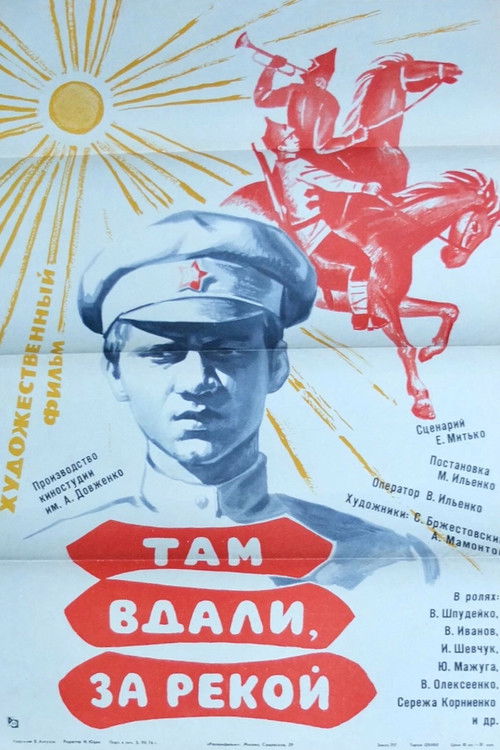
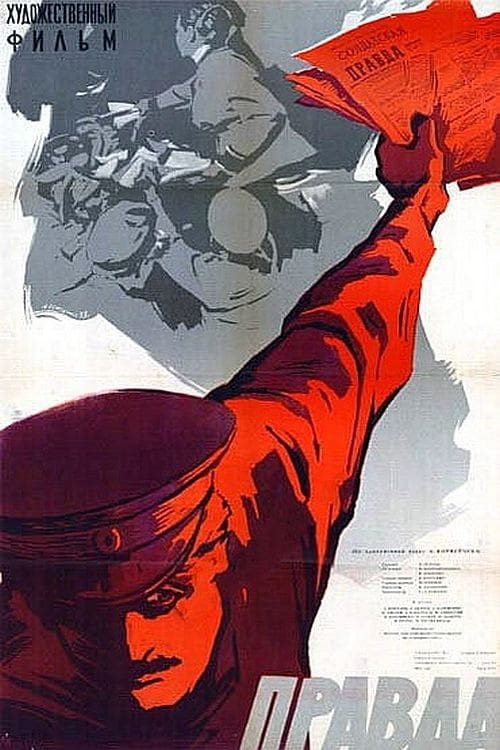
The February Revolution did not bring the desired peace to the trenches. Russian and Ukrainian soldiers, deceived by Kerensky's government, are dying on the slopes of the Carpathians. But the words of Bolshevik truth penetrate the trenches, and the soldiers refuse to go to the slaughter. Among the front-line soldiers returning home is a young Ukrainian named Taras Holota. He dreams of joyful reunions, but instead attends the funeral of his mother, who was killed by the Haidamaks. The landless peasantry is starving, and Golota rallies his fellow villagers to divide up the landowners' fields...
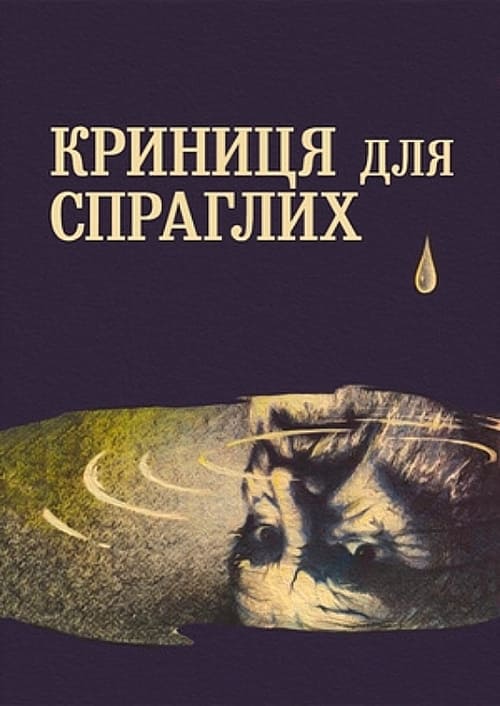
A parable centering on an old man who lives a secluded life in the desert, alone with only his memories and photographs. His wellspring, once a source of joy and hope for thirsty passersby, is now rarely used. No longer able to find comfort in his memories, he turns all his photographs to face the walls.
No description available.
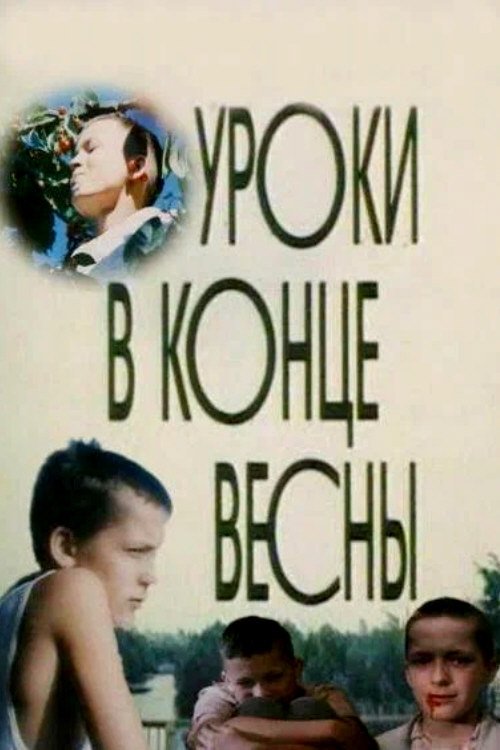
A story of two delinquent boys at a boarding school, struggling to cope with fathers who abandoned them, and retreating into fantasy.
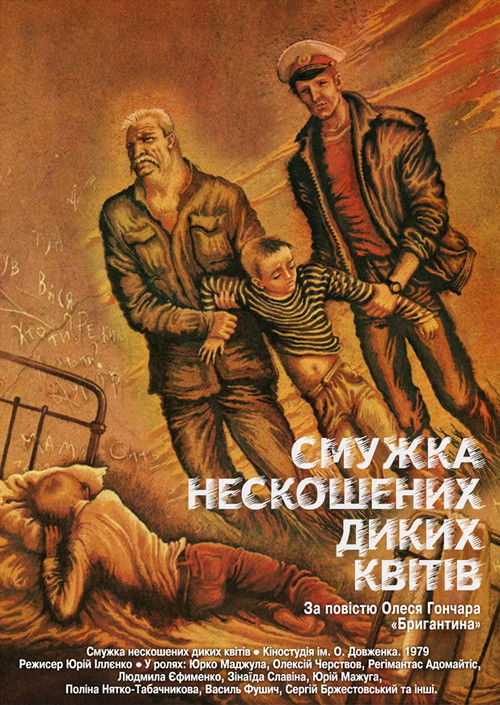
A young boy loses his innocence in a pre-perestroika Russian prison during the chaotic last months of the Khrushchev regime
A young actor's family is starring in a film about the "beautiful life". But the shooting is over, and we have to return to the bleak reality.