Ben Barzman
Writing
Biography
Ben Barzman (October 12, 1910 – December 15, 1989) was a Canadian journalist, screenwriter, and novelist, blacklisted during the McCarthy Era and best known for his screenplays for the films Back to Bataan (1945), El Cid (1961), and The Blue Max (1966). He was born in Toronto, Ontario to a Jewish family. He was the screenwriter or co-writer of more than 20 films, from You're a Lucky Fellow, Mr. Smith (1943) to The Head of Normande St. Onge (1975). Like many of his colleagues in the movie business, Barzman was blacklisted by the House Un-American Activities Committee. His wife, Norma Barzman, was a Communist Party USA member from 1943 to 1949. In 2014, she told the Los Angeles Times, "one should be proud to have been a member of the American Communist Party during those years. Hitler was invading the Soviet Union, so there was no reason to be anti-Russian, they were our allies." The couple moved to England so Barzman could work on the film Give Us This Day (aka, Christ in Concrete, 1949). Following his return to the United States after directing Give Us This Day, Edward Dmytryk, one of the Hollywood Ten, testified about the Barzmans to HUAC in 1951. "To get out of prison he named us and a lot of other people," said Norma Barzman in 2014. In the 1950s, the family moved to Paris, where friends included Pablo Picasso, Yves Montand, and Simone Signoret, and later southern France. Barzman did not receive credit for some films because of the Hollywood Blacklist. His U.S. citizenship was revoked from 1954 to 1963. His wife Norma had her passport revoked from 1951 for seven years. The family remained abroad in London, Paris and Mougins until 1976, during which time he wrote his novels and screenplays for French and Italian films. Barzman died in Santa Monica, California, United States. Surviving him was his wife, Norma Barzman, and seven children (including director Paolo Barzman, screenwriter Aaron Barzman, visual artist Luli Barzman, and French university professor John Barzman) and five grandchildren. Source: Article "Ben Barzman" from Wikipedia in English, licensed under CC-BY-SA 3.0.

Known For

Epic film of the legendary Spanish hero, Rodrigo Diaz ("El Cid" to his followers), who, without compromising his strict sense of honour, still succeeds in taking the initiative and driving the Moors from Spain.
El Cid

In the year 180 A.D. Germanic tribes are about to invade the Roman empire from the north. In the midst of this crisis ailing emperor Marcus Aurelius has to make a decision about his successor between his son Commodus, who is obsessed by power, and the loyal general Gaius Livius.
The Fall of the Roman Empire

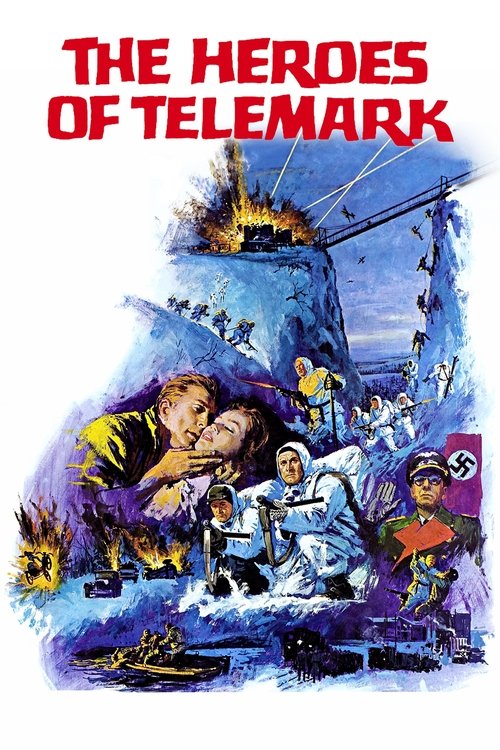
Set in German-occupied Norway, resistance fighter Knut Straud enlists the reluctant physicist Rolf Pedersen in an effort to destroy the German heavy water production plant in rural Telemark.
The Heroes of Telemark

Carla Zachanassian had a child by Serge Miller as a teenager. When Serge refused to marry her, she was driven out of town. By her own wit and cunning, she has returned as a multi-millionaire for a visit. The town lays out the red carpet expecting big things from Carla, only to learn that her sole purpose is to see Serge Miller killed...
The Visit

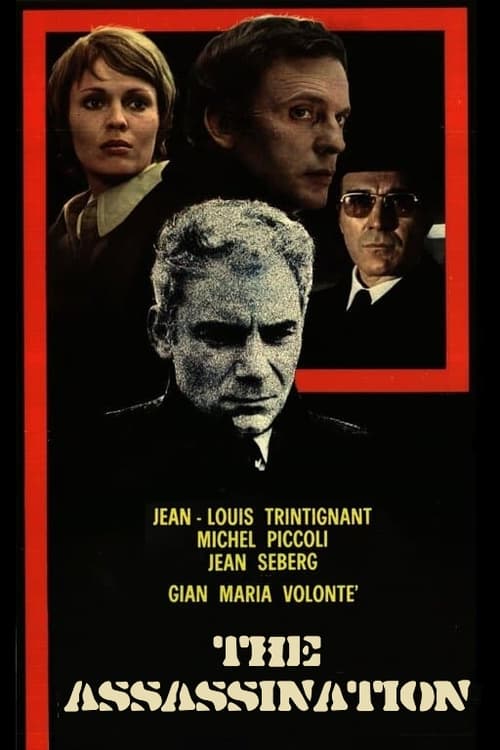
Darien, a left-wing police informant, is forced to lure his old friend Sadiel to Paris, allegedly to film a television special about the Third World. Sadiel, the exiled leader of a North African state, is being hunted by the ruthless Colonel Kassar, who will stop at nothing to capture his political rival. Once Sadiel arrives in Paris, Darien realizes he has been manipulated. He tries to turn back the clock, not realizing what or who he’s truly dealing with.
The Assassination

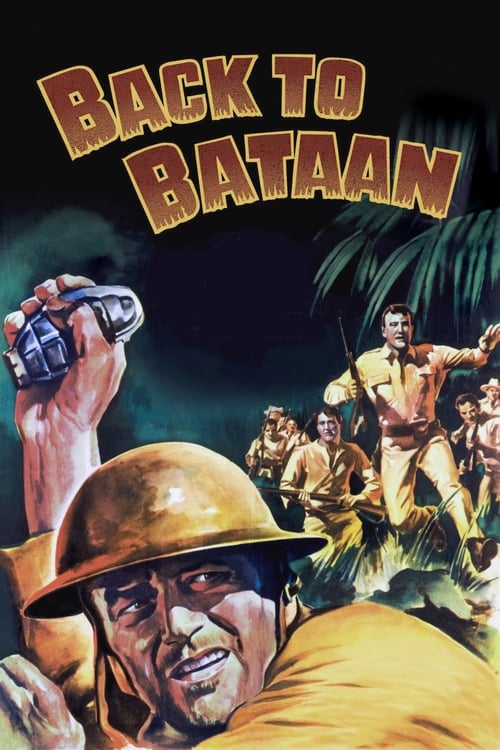
An Army colonel leads a guerrilla campaign against the Japanese in the Philippines.
Back to Bataan

Phil and Ellen Gayley have been divorced for a year, and their 7-year old daughter, Flip, is very unhappy that her parents are not together. Flip starts a correspondence with a Marine, sending a picture of her beautiful mother as the author of Flip's flirtatious letters. When the Marine shows up to meet his pen pal, Ellen takes the opportunity to make her ex-husband jealous.
Never Say Goodbye

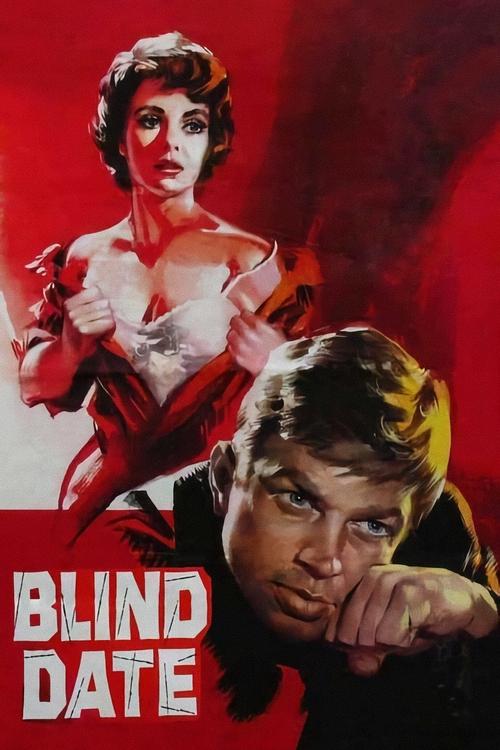
Dutch painter Jan-Van Rooyer hurries to keep a rendezvous with Jacqueline Cousteau, an elegant, sophisticated Frenchwoman, slightly his elder, whose relationship with him had turned from art student into one of love trysts. He arrives and is confronted by Detective Police Inspector Morgan who accuses him of having murdered Jacqueline. Morgan listens sceptically to the dazed denials of Van Rooyer as he tells the story of his relationship with the murdered woman. Morgan, after hearing the story, realizes that the mystery has deepened, and it becomes more complicated when the Assistant Commissioner, Sir Brian Lewis, explains that Jacqueline was not married but was being kept by Sir Howard Fenton, a high-ranking diplomat whose names must be kept out of the case.
Blind Date

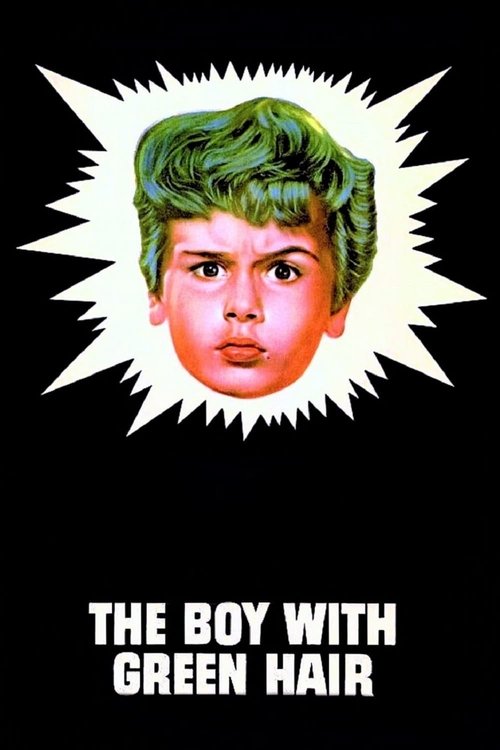
Peter, an orphaned boy, is adopted by Gramp Frye after his parents are killed in Europe while doing war relief work. The boy feels safe with his new caretaker, but when he is taunted for being an orphan, he gets demoralized. The next day Peter wakes up with green hair. Embarrassed and further ridiculed, Peter seeks solace in a nearby forest. To his surprise, he finds other orphans in the woods, who encourage him to spread news of the injustices of war.
The Boy with Green Hair

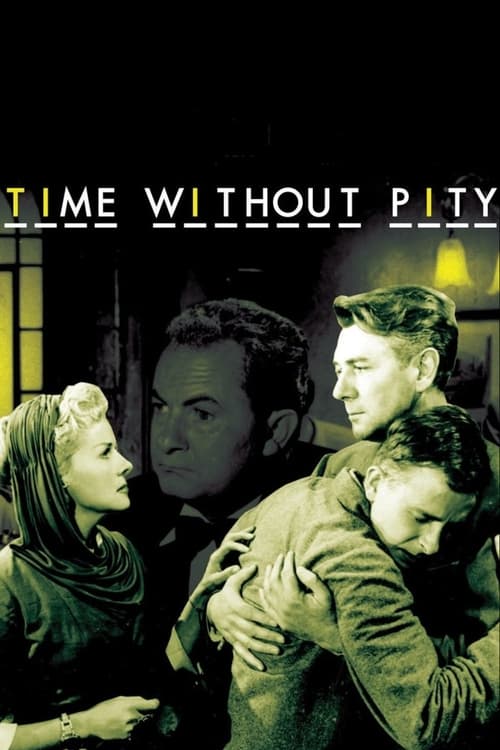
Alec Graham is sentenced to death for the murder of his girlfriend Jennie, with whom he spent a weekend at the English country home of the parents of his friend Brian Stanford. Alec’s father, David Graham, a not-so-successful writer and alcoholic who has neglected his son in the past, flies in from Canada to visit his son on death row. David then goes on a quest to try and clear his son’s name while battling “the bottle.”
Time Without Pity

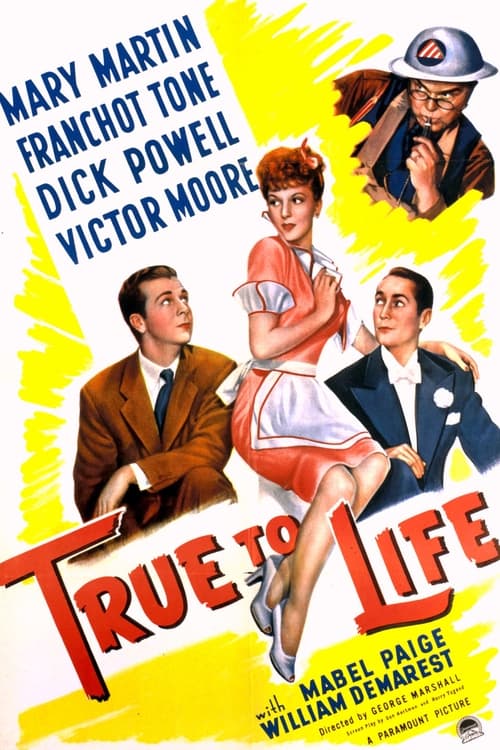
A writer for a radio program needs some fresh ideas to juice up his show. For inspiration, he rents a room with a typical American family and begins to secretly write about their true life antics. The show becomes a big hit, but he begins to feel guilty about his charade when he falls in love with the family's pretty older daughter.
True to Life

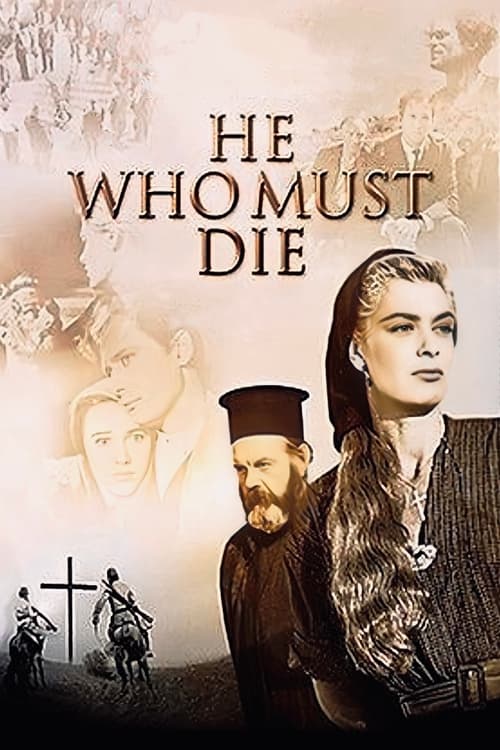
Greece, in the 1920s, is occupied by the Turks. The country is in turmoil with entire villages uprooted. The site of the movie is a Greek village that conducts a passion play each year. The leading citizens of the town, under the auspices of the Patriarch, choose those that will play the parts in the Passion. A stuttering shepherd is chosen to play Jesus. The town butcher (who wanted to be Jesus) is chosen as Judas. The town prostitute is chosen as Mary Magdalene. The rest of the disciples are also chosen. As the movie unfolds, the Passion Play becomes a reality. A group of villagers, uprooted by the war and impoverished, arrive at the village led by their priest. The wealthier citizens of the town want nothing with these people and manipulate a massacre. In the context of the 1920s, each of the characters plays out their biblical role in actuality.
He Who Must Die

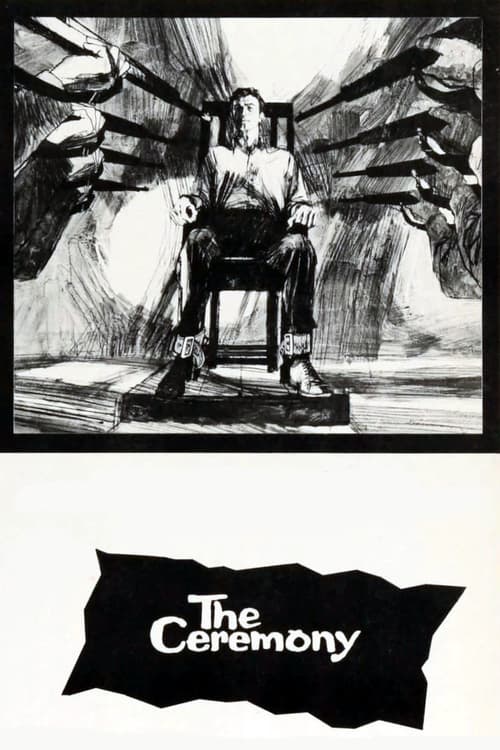
A man has an affair with his condemned brother's girlfriend while plotting his escape in Tangier.
The Ceremony

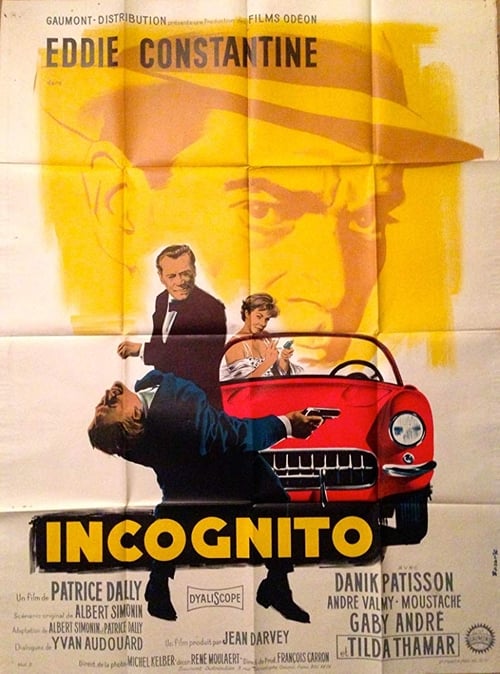
Bob Stanley was an American secret agent during World War II in France. After the war Stanley returns to France as a consul. In reality, he works for the FBI, to roll up the organization that manufactures fake U.S. dollars. A violent confrontation is insurmountable.
Incognito

A Montana lawyer gets distracted after moving to California with his wife and children.
Young Man with Ideas

Two female agents from a rival gang are sent to disrupt the operations of a gold-smuggler's caravan in Africa.
Oasis

Exiled from Hollywood due to the blacklist, director Edward Dmytryk briefly operated in England in the late 1940s. Though filmed in its entirety in London, Dmytryk's Give Us This Day is set in New York during the depression. Fellow blacklistee Sam Wanamaker is starred as the head of an Italian immigrant family struggling to survive the economic crisis.
Give Us This Day

A young woman marries a soldier to fulfill the conditions of a will. However, when she gets ready to divorce him, she realizes that she actually loves him, and determines to find a way to keep him.
You're a Lucky Fellow, Mr. Smith

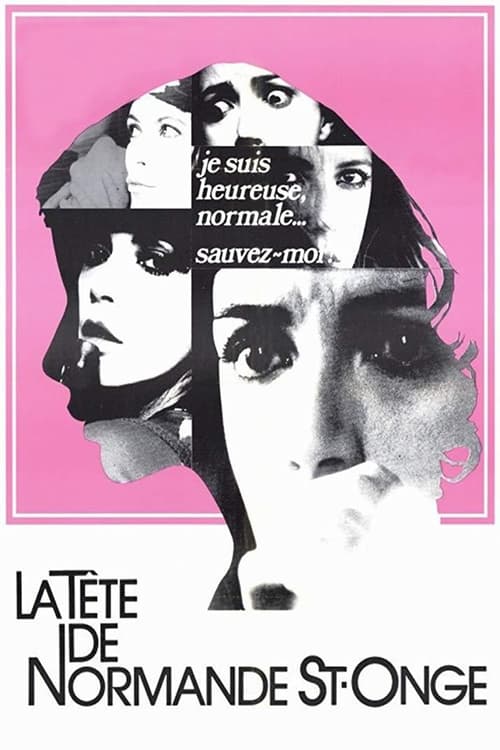
Working as a pharmacy clerk while dreaming of escape through dance, Normande St-Onge supports a household of dependent and unstable relatives. As her efforts to protect and hold together her improvised family intensify, the pressures of exploitation, eviction, and emotional isolation push her toward psychological collapse. Directed by Gilles Carle, the film blurs the boundary between fantasy and breakdown.
La Tête de Normande St-Onge

Based on the biography of the Polish doctor and educator Janusz Korczak, the film retells the last phase of his life. Korczak, director of the Jewish orphanage in Warsaw and a Jew himself, was forced to move to the ghetto with all the orphans living in the home in 1940 following the occupation of Poland by the Nazis. Despite the terrible conditions within the walls, Korczak continued to care devotedly for "his" children. He even managed to save cases that had been written off as hopeless. However, when Korczak's orphans were also to be deported to the Treblinka extermination camp as part of the "Final Solution" and the resulting evacuation of the ghetto, he insisted on going with them. Fully aware that he would no longer be able to help his protégés, he let the children believe that he was taking them on a trip to the countryside to alleviate their fears.