Bruno Kirby
Acting
Biography
From Wikipedia, the free encyclopedia. Bruno Kirby (April 28, 1949 – August 14, 2006) was an American film and television actor. He was perhaps best known for his roles in the Hollywood films City Slickers, When Harry Met Sally..., Good Morning, Vietnam, and The Godfather Part II. Description above from the Wikipedia article Bruno Kirby, licensed under CC-BY-SA, full list of contributors on Wikipedia
Known For

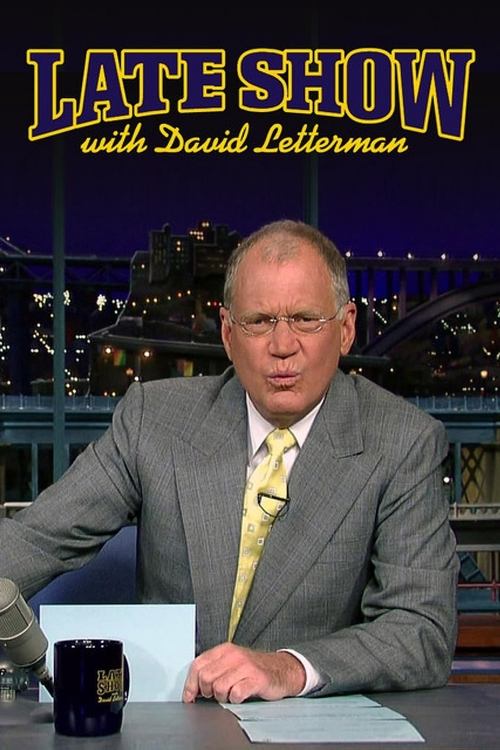
David Letterman uses mature humor to appeal to his audience in this weeknight series, which gets its music from a house band led by Paul Shaffer. Among the show's most-famous segments are the Top Ten List and Stupid Pet Tricks, the latter of which subsequently led to an additional recurring segment called Stupid Human Tricks.
Late Show with David Letterman

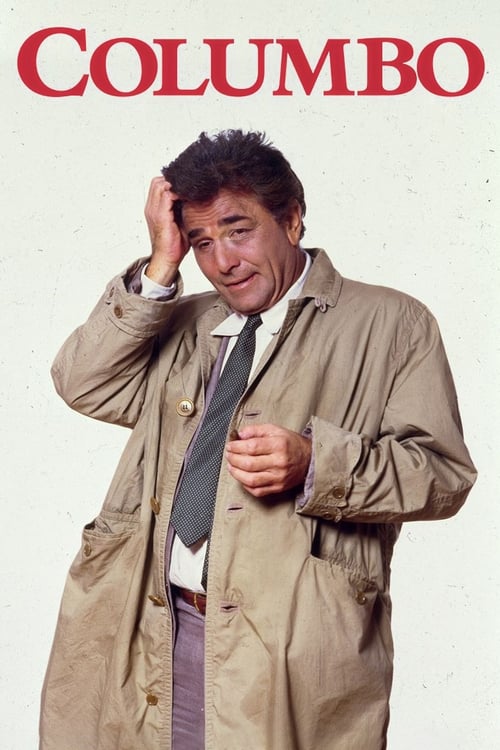
Columbo is a friendly, verbose, disheveled-looking police detective who is consistently underestimated by his suspects. Despite his unprepossessing appearance and apparent absentmindedness, he shrewdly solves all of his cases and secures all evidence needed for indictment. His formidable eye for detail and meticulously dedicated approach often become clear to the killer only late in the storyline.
Columbo

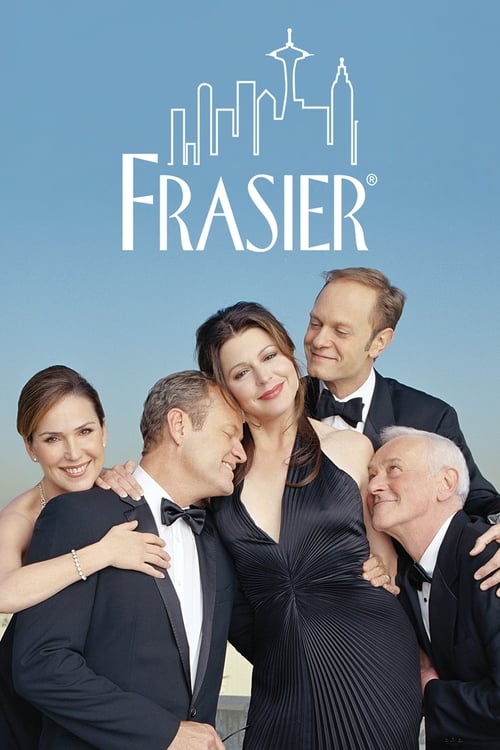
After many years spent at the “Cheers” bar, Frasier moves back home to Seattle to work as a radio psychiatrist after his policeman father gets shot in the hip on duty.
Frasier

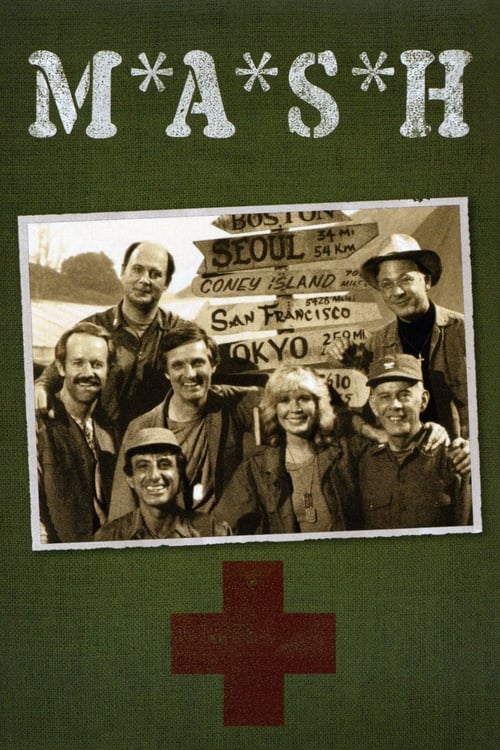
The 4077th Mobile Army Surgical Hospital is stuck in the middle of the Korean war. With little help from the circumstances they find themselves in, they are forced to make their own fun. Fond of practical jokes and revenge, the doctors, nurses, administrators, and soldiers often find ways of making wartime life bearable.
M*A*S*H

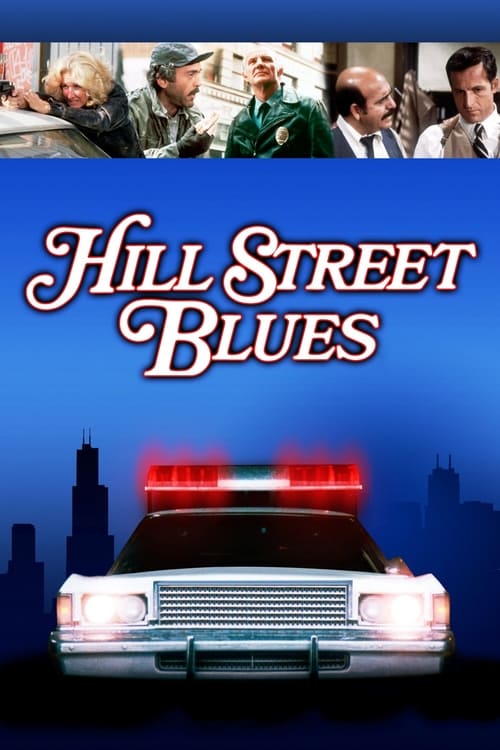
A realistic glimpse into the daily lives of the officers and detectives at an urban police station.
Hill Street Blues

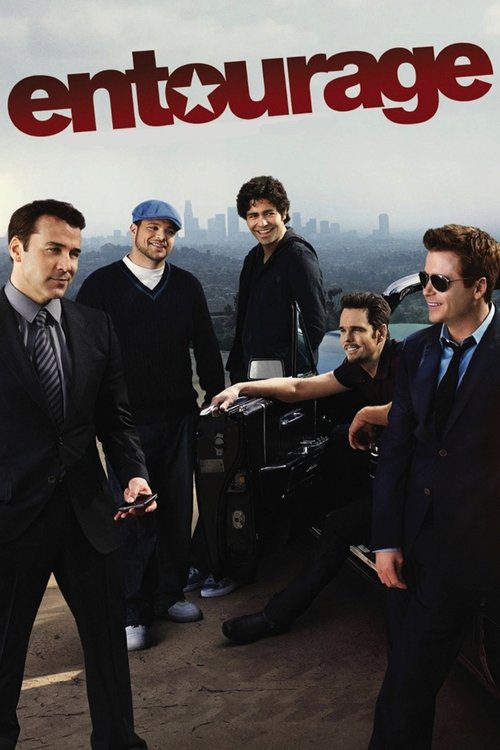
Film star Vince Chase navigates the vapid terrain of Los Angeles with a close circle of friends and his trusty agent.
Entourage

Young, urban newlyweds Paul and Jamie Buchman try to sustain their marital bliss while sidestepping the hurdles of love in the '90s.
Mad About You

Late Night with David Letterman is a nightly hour-long comedy talk show on NBC that was created and hosted by David Letterman. It premiered in 1982 as the first incarnation of the Late Night franchise and went off the air in 1993, after Letterman left NBC and moved to Late Show on CBS. Late Night with Conan O'Brien then filled the time slot. As of March 2, 2009, the slot has been filled by Late Night with Jimmy Fallon. It will be filled by Seth Meyers in the spring of 2014, after Fallon becomes host of The Tonight Show.
Late Night with David Letterman

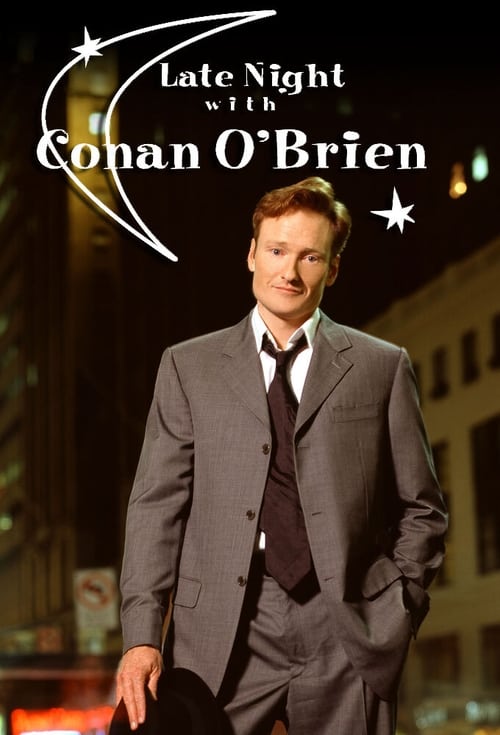
Stepping into the late-late slot vacated by David Letterman, Conan O'Brien stars in a show that far outdoes its competition in sheer strangeness. Along with the celebrity interviews and musical numbers typical of late-night talk shows, this program make frequent use of odd walk-on characters and frequent "visits" from celebrity guests.
Late Night with Conan O'Brien

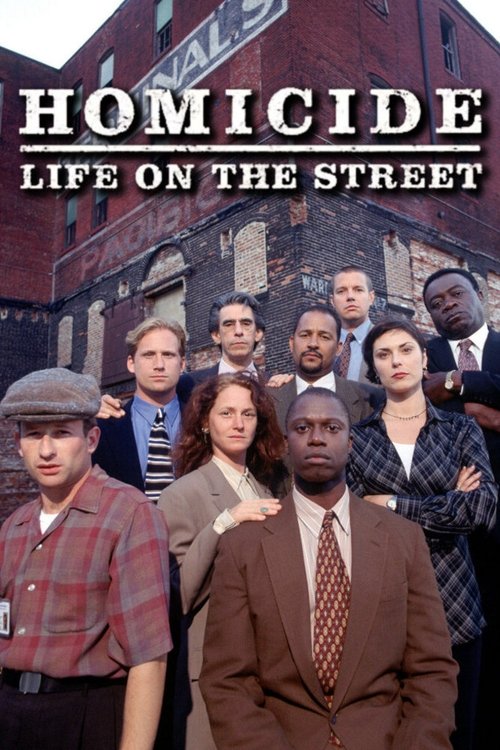
An American police procedural chronicling the work of a fictional version of the Baltimore Police Department's Homicide Unit.
Homicide: Life on the Street

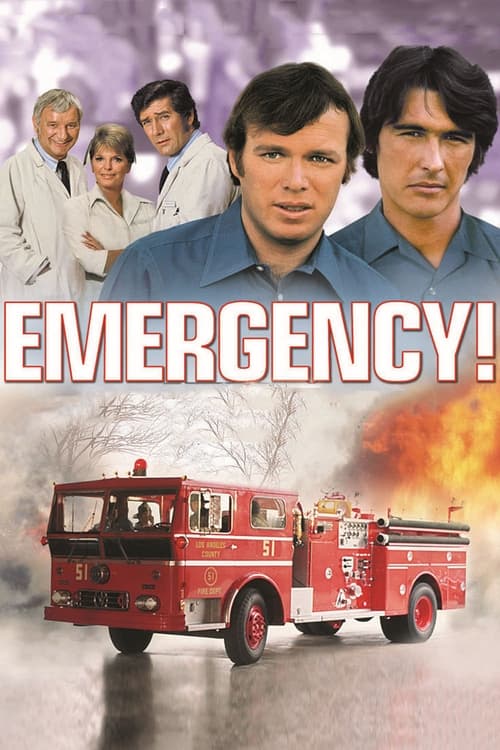
The crew of Los Angeles County Fire Department Station 51, particularly the paramedic team, and Rampart Hospital respond to emergencies in their operating area.
Emergency!

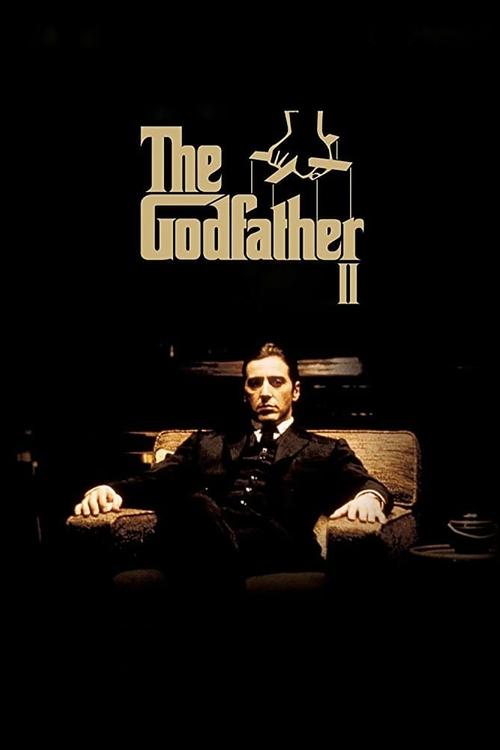
In the continuing saga of the Corleone crime family, a young Vito Corleone grows up in Sicily and in 1910s New York. In the 1950s, Michael Corleone attempts to expand the family business into Las Vegas, Hollywood and Cuba.
The Godfather Part II

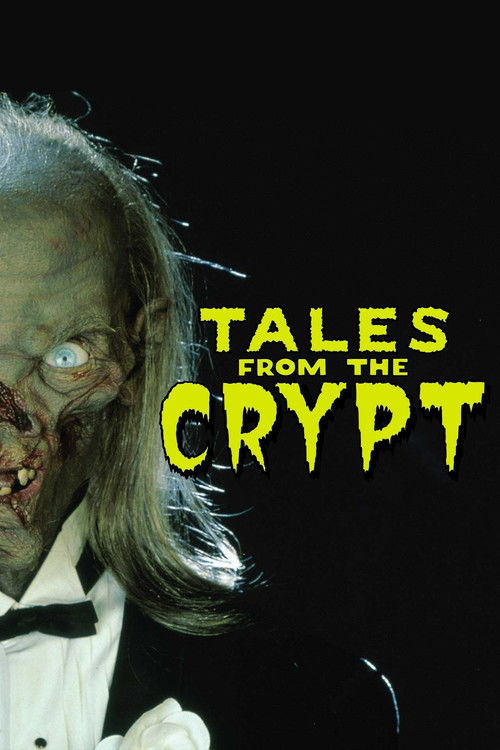
Cadaverous scream legend the Crypt Keeper is your macabre host for these forays of fright and fun based on the classic E.C. Comics tales from back in the day. So shamble up to the bar and pick your poison. Will it be an insane Santa on a personal slay ride? Honeymooners out to fulfill the "til death do we part" vow ASAP?
Tales from the Crypt

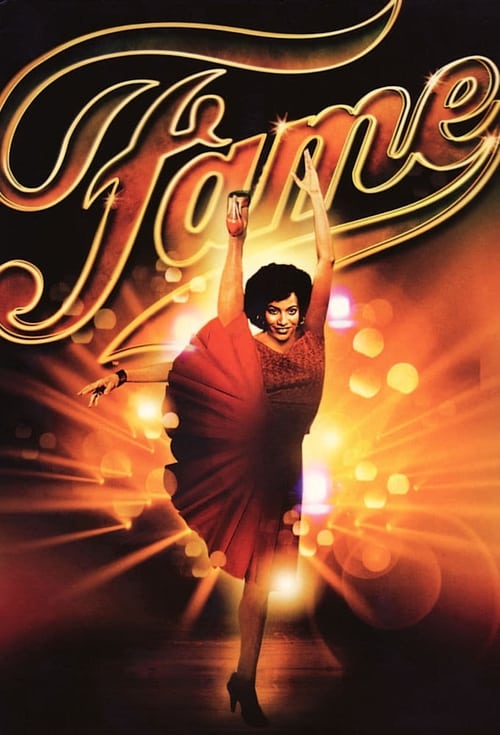
An American television series originally produced between 1982 and 1987. The show is based on the 1980 motion picture of the same name. With a mixture of drama and music, it followed the lives of the students and faculty at the New York City High School for the Performing Arts. Although fictional, it was based heavily on the actual Fiorello H. LaGuardia High School of Music & Art and Performing Arts in New York. Most interior scenes were filmed in Hollywood, California, and in all seasons but the third, several exterior scenes were shot on location in New York City. The popularity of the series, particularly in the UK, led to several hit records and live concert tours by the cast. Despite its success, very few of the actors maintained high-profile careers after the series was cancelled. A number of the cast members were seen again briefly in Bring Back...Fame, a reunion special made for British television in 2008.
Fame

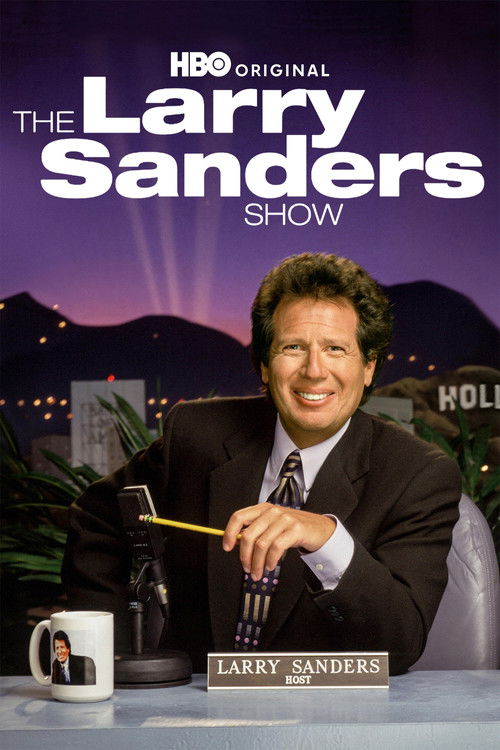
Comic Garry Shandling draws upon his own talk show experiences to create the character of Larry Sanders, a paranoid, insecure host of a late night talk show. Larry, along with his obsequious TV sidekick Hank Kingsley and his fiercely protective producer Artie, allows Garry Shandling and his talented writers to look behind the scenes and to show us a convincing slice of behind the camera life.
The Larry Sanders Show

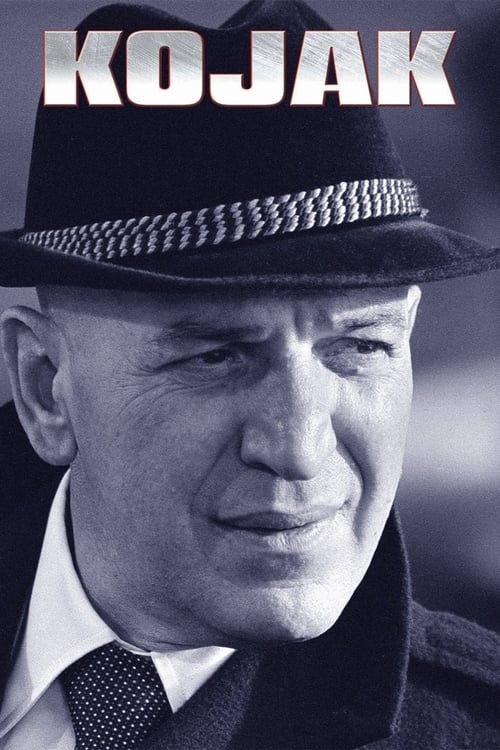
A bald, lollipop sucking police detective with a fiery righteous attitude battles crime in New York City.
Kojak

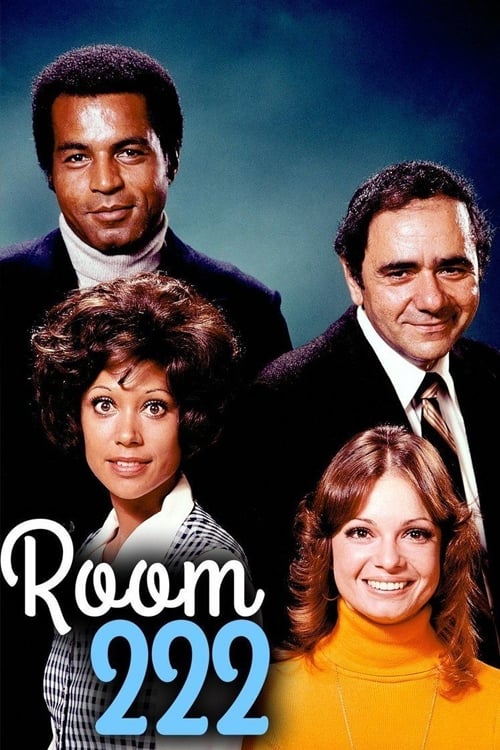
No description available.
Room 222

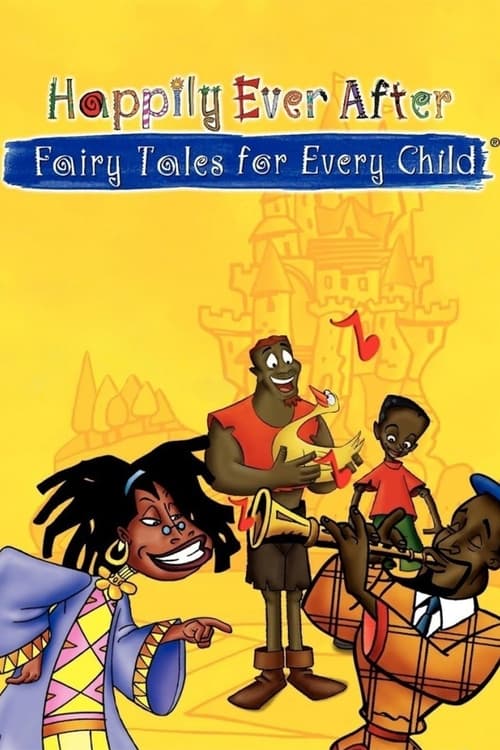
Happily Ever After: Fairy Tales for Every Child is an American anthology animated television series.
Happily Ever After: Fairy Tales for Every Child

A neo-noir anthology television series, set in somber Los Angeles right after World War II and before the election of American President John F. Kennedy. The episodes, although filmed in color, mimicked what had been done by Hollywood filmmakers during the film noir era of the 1940s and 1950s in terms of tone, look, and story content.
Fallen Angels

Garry Shandling stars as himself, a neurotic, sardonic stand-up comedian who just happens to be aware he is a sitcom character. Garry spends just as much time interacting with the studio audience as he does the regular cast members, performing monologues and show-closing summations of the episode's events. However, everyone knows they're on TV, not just Garry; and the audience (itself a character) is often involved in the storyline.