Chico Diaz
Acting
Biography
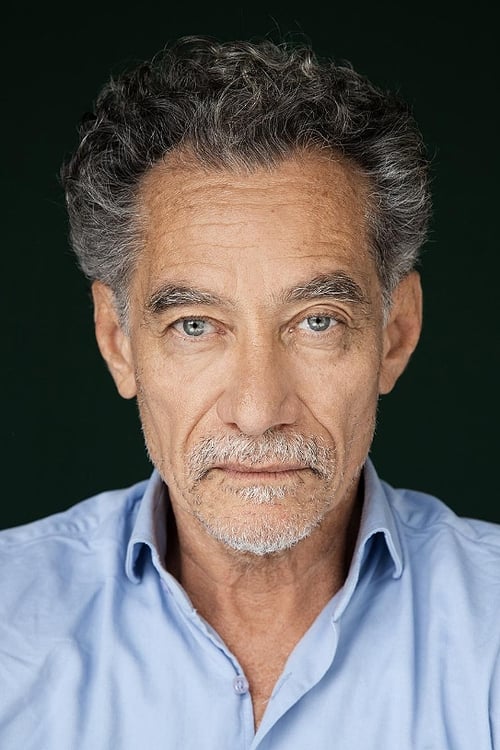
Francisco Díaz Rocha, known as Chico Díaz (Mexico City, February 16, 1959), is a Peruvian-Brazilian actor born in Mexico. Graduated in architecture and urban planning, he worked in theater from the age of fourteen. His first work in his artistic life was in 1982 on the big screen in O Sonho não Acabou. With all the main awards in Brazilian cinema, namely Gramado Brasília, Recife and Rio de Janeiro, he is one of the most versatile and present actors on Brazilian screens with more than 80 films made in Brazil and abroad.
Known For

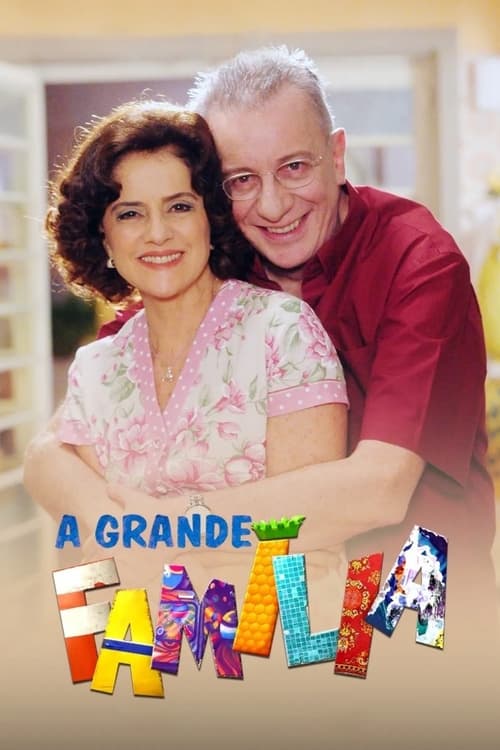
The daily lives of a typical Brazilian middle-class family, that are always very close and tries, in their way, to survive the financial and relationship difficulties.
A Grande Família

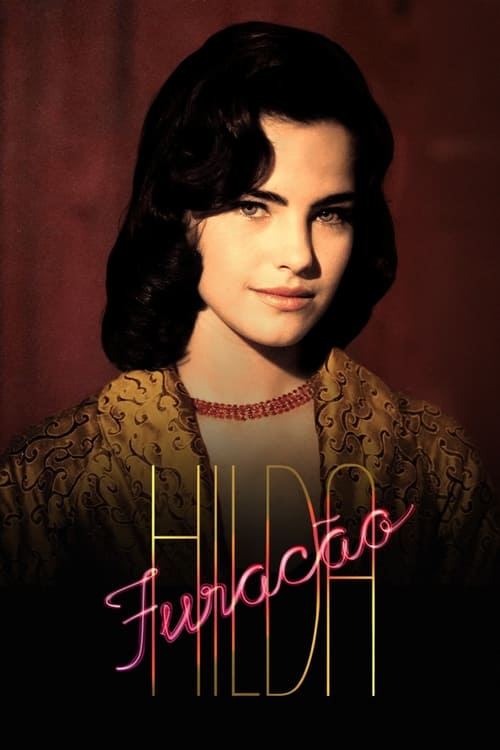
After breaking off her engagement on her wedding day and going directly to a prostitution house, a young model becomes the city's most famous harlot, known as "Hilda Hurricane", in the 50's Brazil. She could do fine if it wasn't for Malthus, a young novice said to be a saint, for whom she falls in love. However, the boy is kept under the strict, severe doctrine of Father Nelson, a conservative priest intolerant even to every minor sin. Things start getting harder when Roberto, Malthus' old friend and a communist reporter (the actual author of the story), tries to interview Hilda and disclosure the real reasons behind her radical change of mind. In the meantime, the middle-classes are terrified by the "leftist threat" in Brazilian politics.
Hilda Hurricane

Os Trapalhões was a Brazilian comedy group and also a Brazilian television series created by Wilton Franco. Its members were Dedé Santana, Zacarias, Mussum and their leader Didi Mocó, that was played by Renato Aragão. The name Trapalhões is derived from the Portuguese verb atrapalhar, which means the opposite of helping, to do something the wrong way or to Those that confuse. The name is translated "Tramps" in English DVD subtitles. It was aired by Rede Globo from 1977 to 1999. On March 18, 1990, Zacarias died due to respiratory failure, but the group and the series didn't come to an end until July 29, 1994, when Mussum died due to an unsuccessful heart transplant.
The Trapalhões

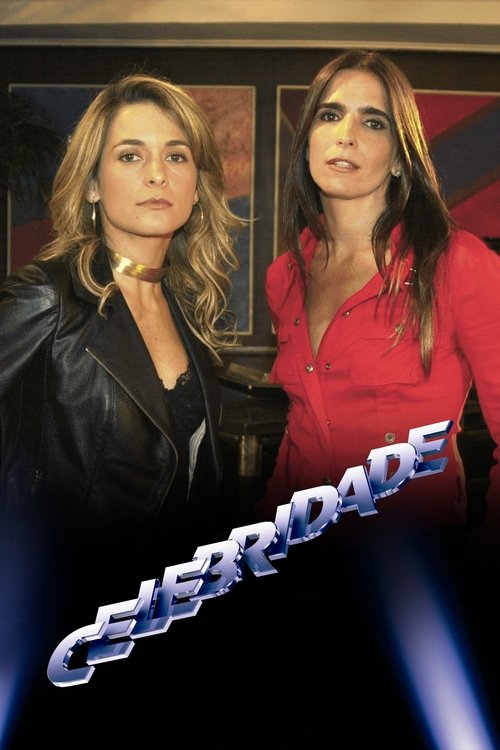
A successful businesswoman in the music industry sees her life fall apart after a young and mysterious woman starts work as her secretary. The scheming girl is totally obsessed by the famous businesswoman and she tries to steal everything from her, including her career.
Celebrity

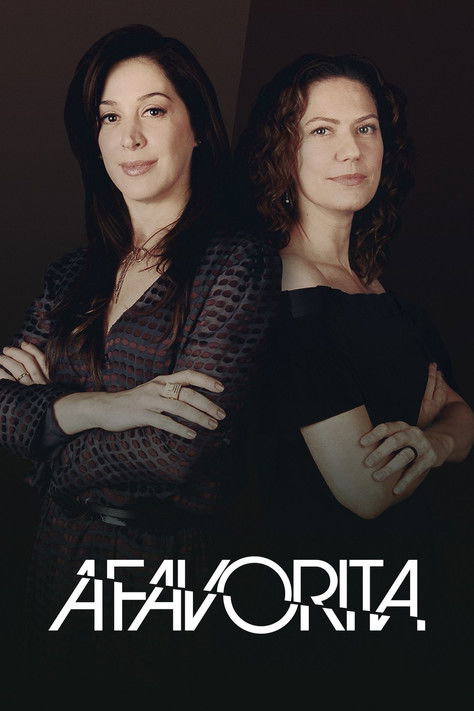
Donatela and Flora, two friends who became rivals. One of them committed a homicide and pretends to be innocent. There are two versions for the same story. Who, after all, is telling the truth? Donatela or Flora?
A Favorita

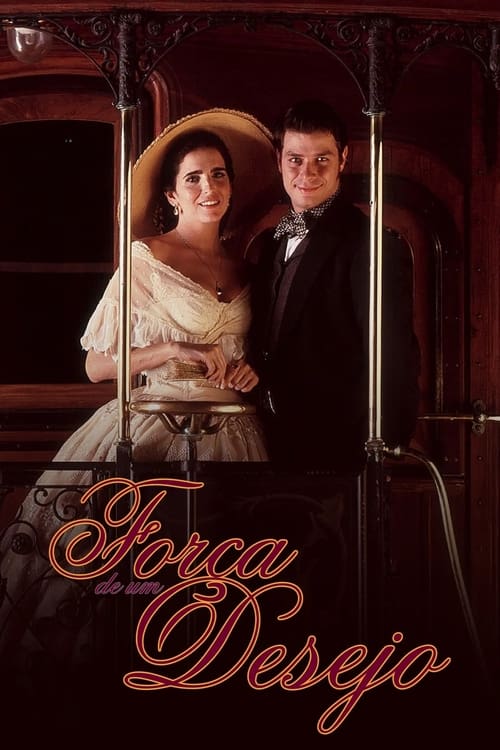
Set in the 19th century, the novel tells the story of an impossible romance. Inácio, a young man from a traditional family, falls in love with Esther, the owner of the most famous brothel in the Court.
Força de um Desejo

After making a pact with Jequitibá, José Inocêncio becomes a mythical figure, known as the most successful cocoa farmer in the region. While still young, he wins the heart of Maria Santa. Their intense passion results in four children: José Augusto, José Bento, José Venâncio, and the youngest, João Pedro, who never had the opportunity to know his mother, as she dies while giving birth to him. This tragedy fuels José Inocêncio’s anger, blaming João Pedro for the loss of his great love. Throughout their lives, indifference and resentment mark the relationship between the father and his youngest son. As if the past weren’t enough, years later, the arrival of the mysterious Mariana puts all these emotions to the test when both father and son fall in love with the same woman. This situation reawakens feelings that were either dormant or previously unknown to them.
Rebirth

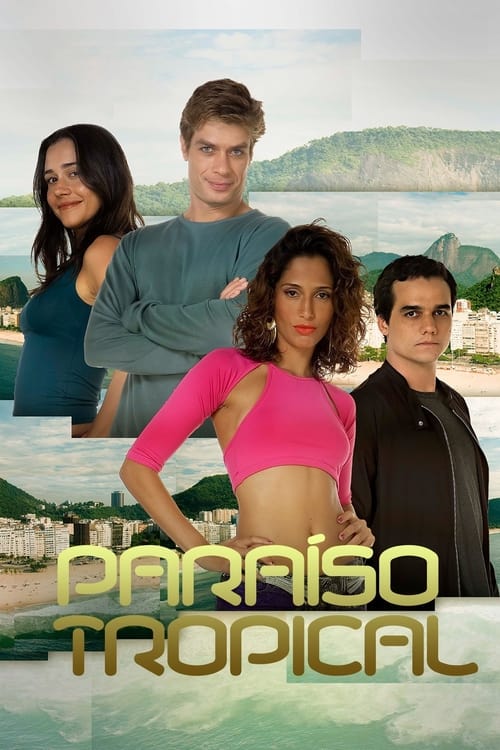
The search for a successor provokes the beginning of a clash between two young and talented executives of his group: Daniel Bastos, a lad of simple origins and excellent character, who is not only handsome and charming, but also intelligent and skilled, and Olavo Novaes, an ambitious and unscrupulous man who is ready to fight for the position, at any cost. To fight against Olavo‘s treacherous plans, Daniel will have the help of the sweet and sensitive Paula, a young lady raised as an only child who founds, on the eve of her mother‘s death, that she is adopted and has a family. What Paula does not know is that she has an identical twin sister, the wicked Taís, who is as ambitious and unscrupulous as the man who becomes her main ally, Olavo Novaes. Antenor, for his part, decides on having an heir when he meets the headstrong and honest Lúcia, a woman who will make this cold businessman find true love is and a real reason to live.
Paraíso Tropical

Brava Gente was a television series aired by TV Globo in Brazil between 2000 and 2003, initially as a special year-end. The program was adapted from stories and national stories, and plays by famous playwrights, screenwriters and signed by a number represented by several actors and actresses. The genres of the stories varied each week with the style of each director or author. Brava Gente in the stories ranged from comedies and dramas. In all 53 episodes were shown, broadcast on Tuesday nights.
Brava Gente

No description available.
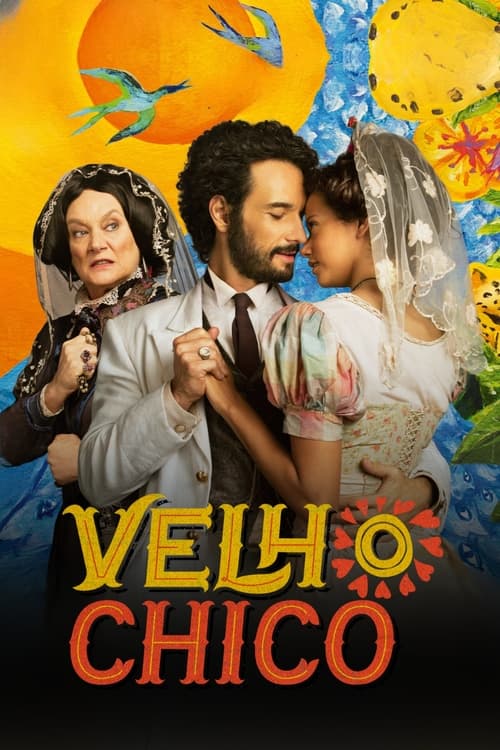
Velho Chico

No description available.
O Dono do Mundo

No description available.
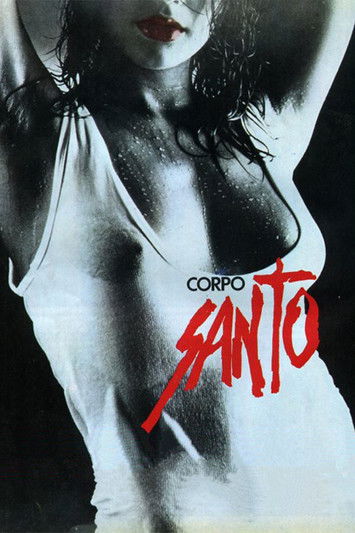
Corpo Santo

No description available.
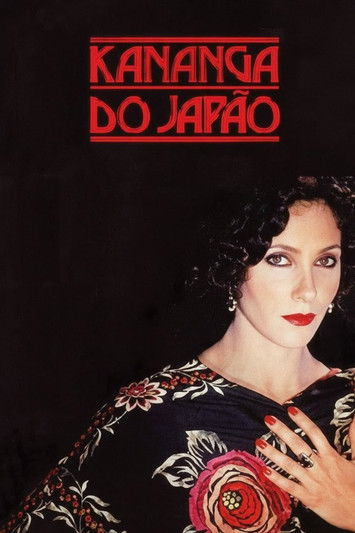
Kananga do Japão

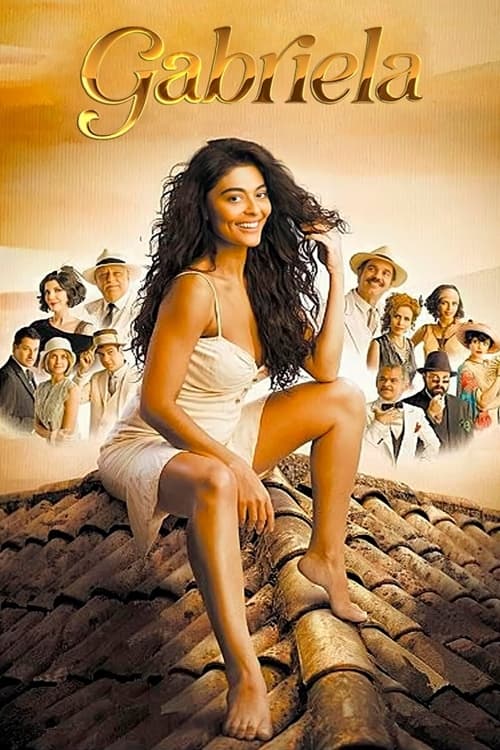
Naïve and provocative Gabriela is a raggedy migrant worker who arrives in town to mesmerize all with her playful and simple, yet raw sensuality. Set in 1925, the story unravels in Ilhéus, a quiet northeastern coastal city thriving with cocoa crops and aspirations for progress, even though the traditional ways still rule.
Gabriela

The elegant and wealthy Bárbara gives birth to a stillborn child, but never receives the bad news. Her husband, Guilherme, swaps the child's body for that of a baby whose mother is very poor and unable to raise him. Thirty years later, Eugênio, the swapped boy, suffers mercury poisoning, develops leukemia, and needs an urgent bone marrow transplant. But the surgery can only be performed with a donation from a blood relative. Faced with the risk of his son's death, Guilherme tells Bárbara the truth. With everything clarified, the two go in search of Anabel Muñoz, the boy's real mother and the only one who can save his life. Anabel kept her pregnancy a secret, but never forgot the child she had with the unscrupulous Urbano. She is the widow of the Cuban Félix Muñoz and has five other children: Valentim, Remédios, Amparo, Assunção, and Antônio.
Salsa e Merengue

Maíra was raised by her father believing that her mother had died. This was a lie her father told her in order to protect her from the scorn of her mother, who rejected her when she learned that her daughter was born with a disability. Many years later, Maíra comes across a stranger on their doorstep. That’s Zoé, her mother. Without revealing her true intentions, Zoe reappears asking her daughter’s forgiveness for having abandoned her. As in a dream that turns into a nightmare, Maíra experiences the strongest emotions of her life and what would be a happy fresh start for Maíra with her family turns into a long and dangerous journey.
All the Flowers

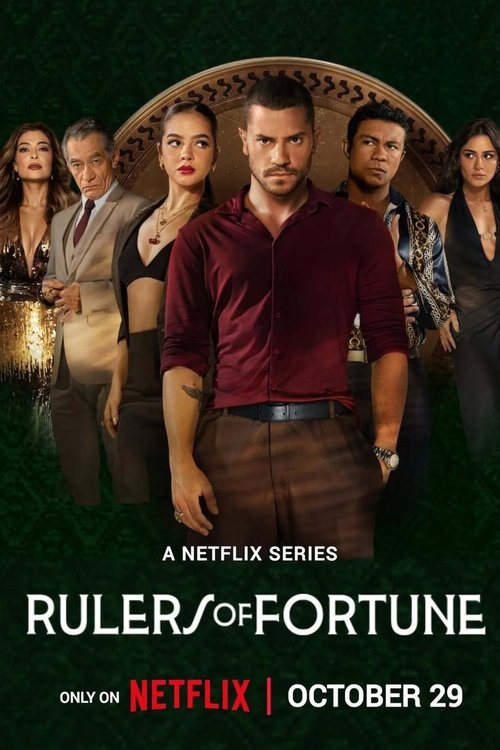
A young man aspires to rise through the ranks of Rio's gambling underworld — unaware of the dangerous game of betrayal, lust and blood that awaits him.
Rulers of Fortune

No description available.
Carga Pesada
No description available.
O Campeão

Besieged by cancer and nearing the end, the genius Argentine-Brazilian filmmaker Héctor Babenco (1946-2016) asks Bárbara Paz, his wife, for one last wish: to be the protagonist of his own death.