Julia Loktev
Directing
Biography
Julia Loktev (born December 12, 1969) is a Russian-American film director and video artist. Loktev was born in Leningrad, Soviet Union (now St. Petersburg, Russia), and immigrated to the United States as a child. She lived in Colorado, where she lived until college. She moved to Montreal to study English and film at McGill University. Description above from the Wikipedia article Julia Loktev, licensed under CC-BY-SA, full list of contributors on Wikipedia.
Known For

A 19-year-old girl prepares to become a suicide bomber in Times Square. She speaks with a nondescript American accent, and it’s impossible to pinpoint her ethnicity. We never learn why she made her decision—she has made it already.
Day Night Day Night

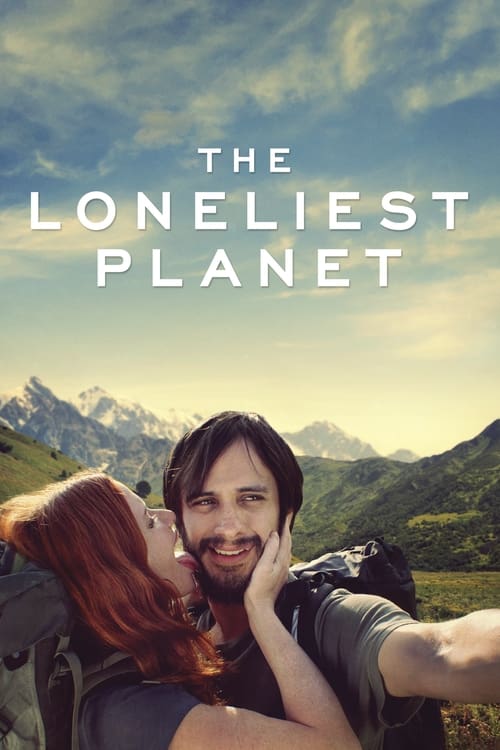
Backpacking in the Caucasus Mountains, walking for hours, an engaged couple and their tour guide trade anecdotes and play games to pass the time, until a momentary misstep, that takes only two or three seconds, changes everything.
The Loneliest Planet

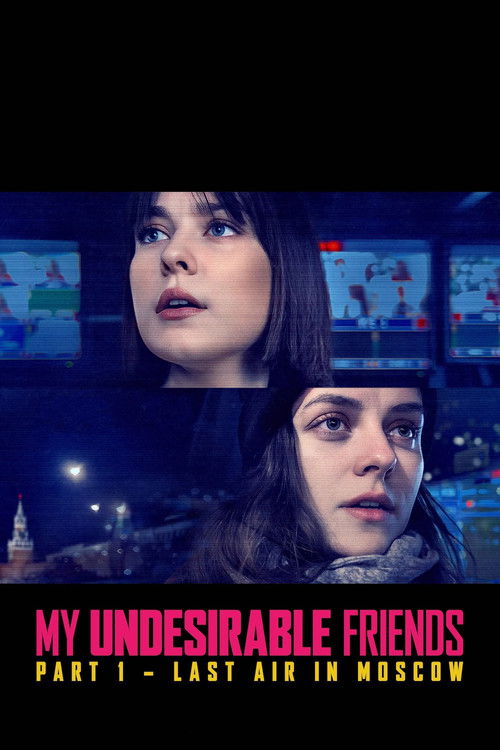
American filmmaker Julia Loktev, born in the Soviet Union, returned to Moscow in 2021 to make a documentary on the persistence of independent media journalism in Putin’s Russia—just months, as it turned out, before the country’s invasion of Ukraine. Structured in five chapters, Loktev’s film is an extraordinary vérité document of a moment of immense change and anxiety.
My Undesirable Friends: Part I - Last Air in Moscow

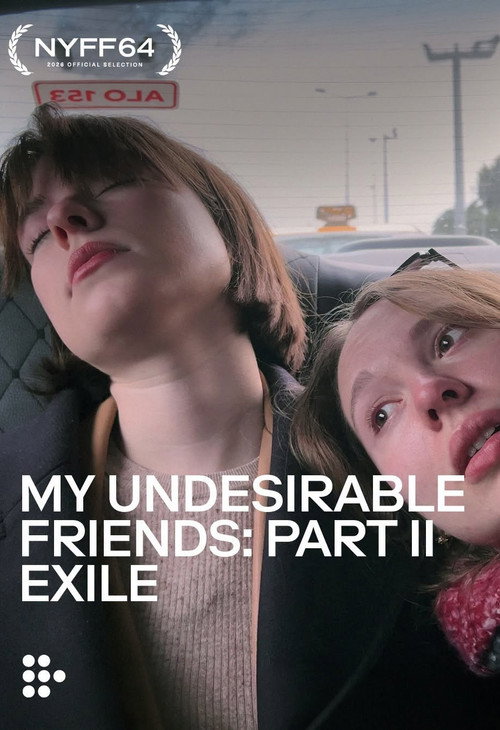
Sequel to Julia Loktev's acclaimed documentary, following the Russian independent journalists from Part I ("Last Air in Moscow") as they flee the country and navigate life in exile after the invasion of Ukraine, focusing on their dispersed lives and ongoing struggle for truth across different nations. While Part I documented their lives in Moscow facing mounting pressure from the Putin regime, Part II chronicles their forced displacement and new realities in various countries, continuing their mission against authoritarianism.
My Undesirable Friends: Part II - Exile
Passing (2000) is a large-scale, 5-channel video installation that combines elements of documentary and performance. The work stages the possibility of experiencing other people’s identities in a crowded subway environment.
Passing

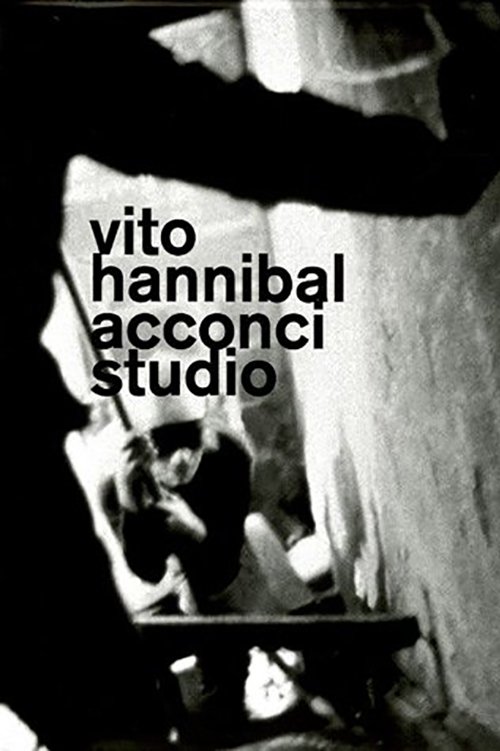
The influential, provocative, and often radical art-making practices of Vito Acconci have earned him international recognition. Acconci has been a vital presence in contemporary art since the late 1960s; his confrontational and ultimately political works have evolved from writing to conceptual art, bodyworks, performance, film, video, multimedia installation and architectural sculpture. This catalogue presents a complete selection of a wide range of Acconci's works (accompanied by a text on each project), an interview with the artist, an extensive bibliography, and includes a DVD with three 20-minute videos in which Acconci narrates.
Vito Acconci / Acconci Studio: Interiors. Buildings. Parks.

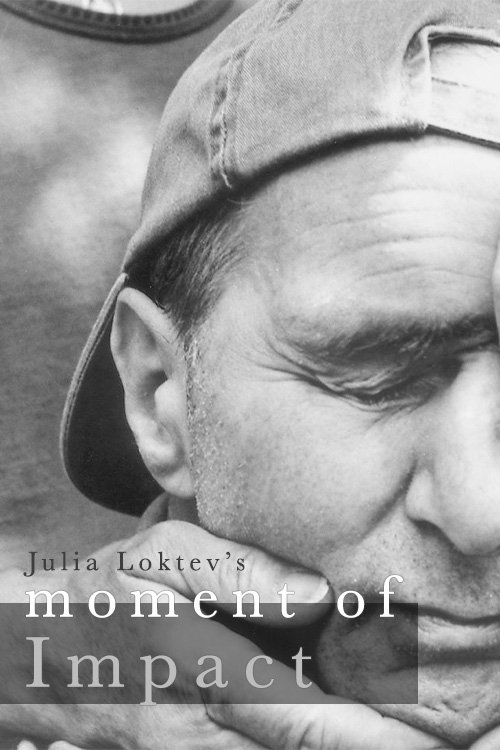
On April Fool's Day, 1989, a man crossing the road between two garage sales was hit by a car and thrown into a state between life and death. Nine years later, his daughter uses her camera to try and understand both the absent moment and its lasting impact on her family, Russian immigrants marooned in Colorado.