Acting
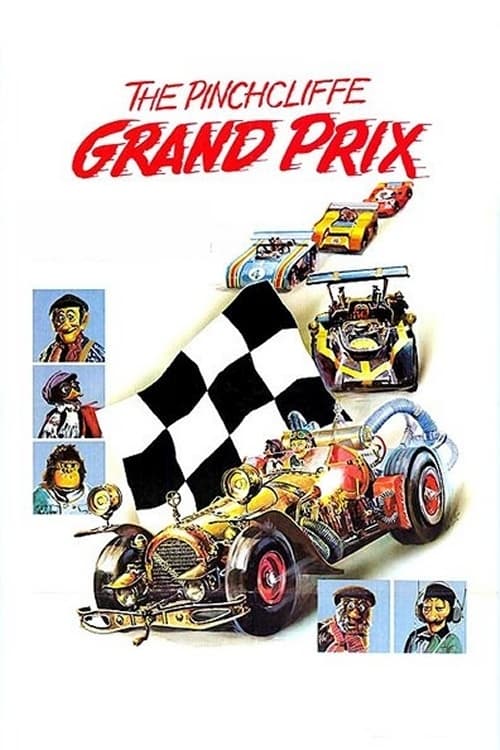
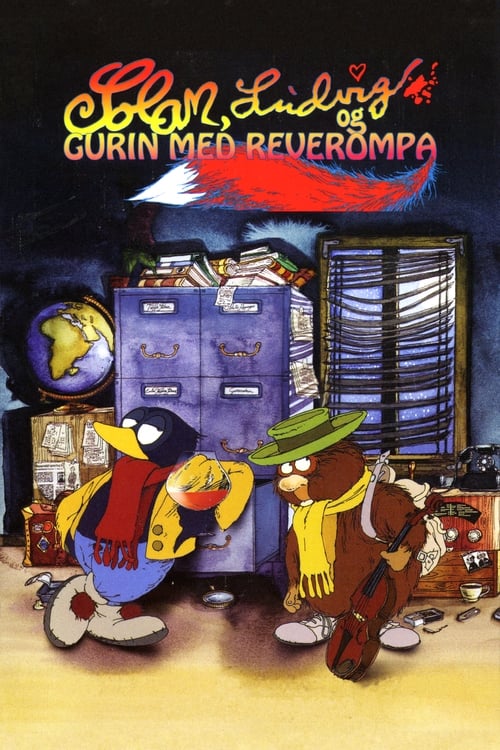
100 miles north, a bit east and up, is Pinchcliffe, the home of bicycle repairman Reodor Felgen and his two assistants, Solan Gundersen and Ludvig. Sponsored by oil sheik Ben Redic Fy Fazan, they build the car "Il Tempo Gigante" to race against Reodor's former assistant Rudolf Blodstrupmoen, who has stolen one of Reodor's inventions to become a world racing champion.
Main character Esther feels like she doesn't fit into the 'elite' and takes the big showdown with those who always have.
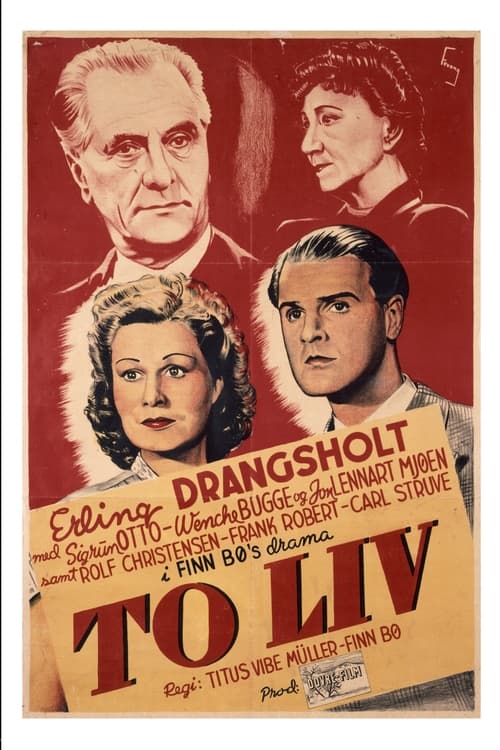
During the occupation, informer Klaus Thun insinuates himself into the life of lawyer Nordgård and his happy family. He informs on Nordgård's son Lars and seduces his daughter Eva. Then the children's mother takes matters into her own hands.
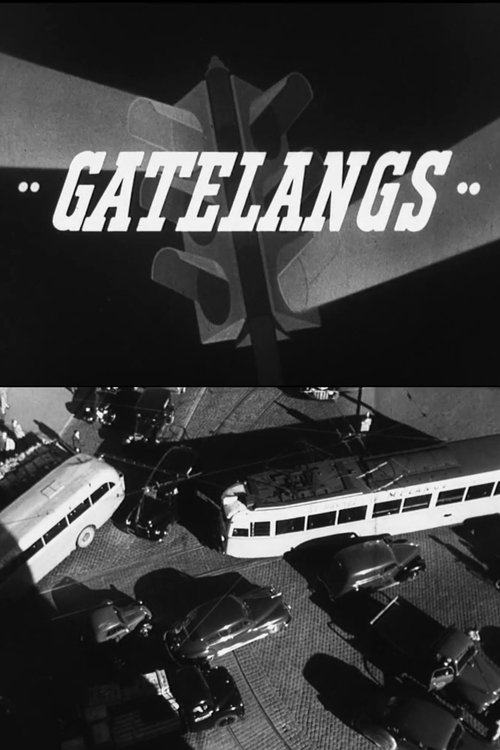
A educational film from the Norwegian traffic police. ***** Oslofilm was a series of public information films about life in and around Oslo, produced between 1940 and 1980. Funded by the state, the films offer valuable insight into postwar Norwegian society. A wide range of Norwegian filmmakers contributed to the productions, resulting in a rich variety of styles and expressions. Several of the films also possess notable cinematic qualities, standing out as more than just informational material. The Oslofilms represent a unique and important chapter in Norwegian film history.
What stories can old films and photographs tell? A movie camera, projector and 4 reels of developed film belonging to painter Edvard Munch, were donated to the Munch museum in Oslo some years ago. This find, along with the painter's photographical self portraits, written notes and letters, set the stage for "the narrator" (Frank Robert) to set out on a journey throughout Europe in the footsteps of Munch. He wants to see like the great painter did. Little by little, "the narrator" is able to see for himself ...
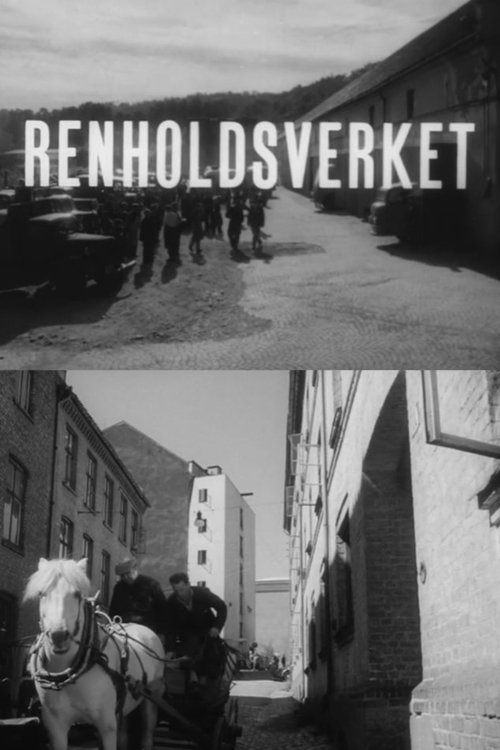
Oslo has its own sanitation. This film shows what tasks workers in the sanitation have. **** Oslofilm was a series of public information films about life in and around Oslo, produced between 1940 and 1980. Funded by the state, the films offer valuable insight into postwar Norwegian society. A wide range of Norwegian filmmakers contributed to the productions, resulting in a rich variety of styles and expressions. Several of the films also possess notable cinematic qualities, standing out as more than just informational material. The Oslofilms represent a unique and important chapter in Norwegian film history.
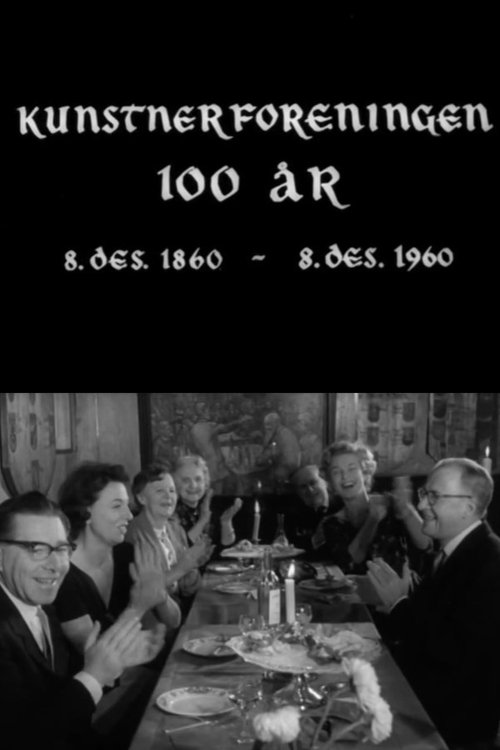
The anniversary of The Norwegian Artists' Association. // Oslofilm was a series of public information films about life in and around Oslo, produced between 1940 and 1980. Funded by the state, the films offer valuable insight into postwar Norwegian society. A wide range of Norwegian filmmakers contributed to the productions, resulting in a rich variety of styles and expressions. Several of the films also possess notable cinematic qualities, standing out as more than just informational material. The Oslofilms represent a unique and important chapter in Norwegian film history.
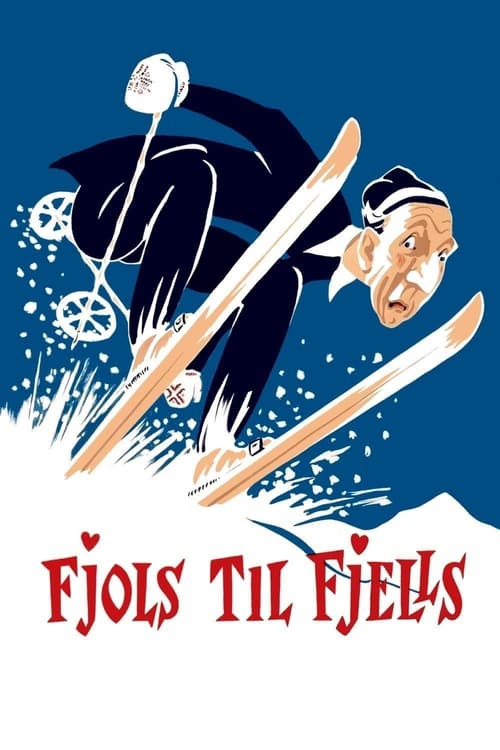
At a high mountain hotel in Norway, porter Poppe tries to do the best he can for the guests with an often unhelpful piccolo Rudolf. This, however, leads to a lot of problems, and Poppe thinks some of the guests behave inappropriate.
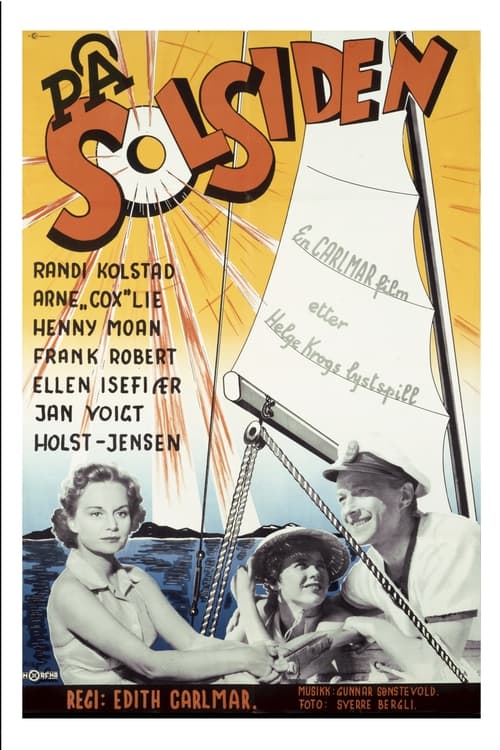
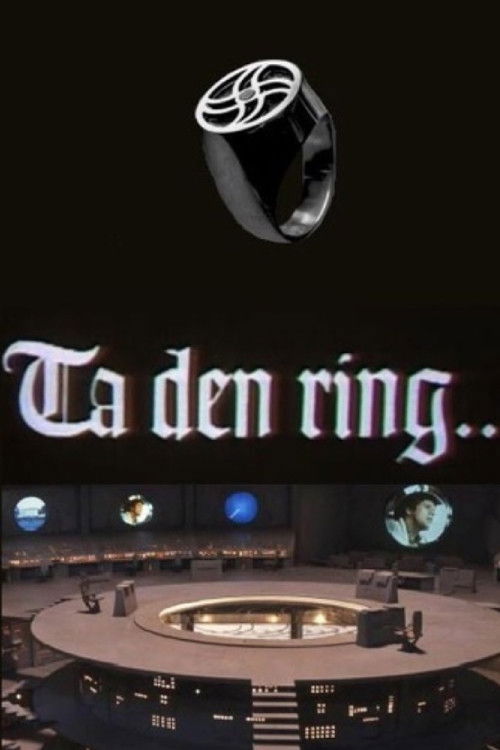
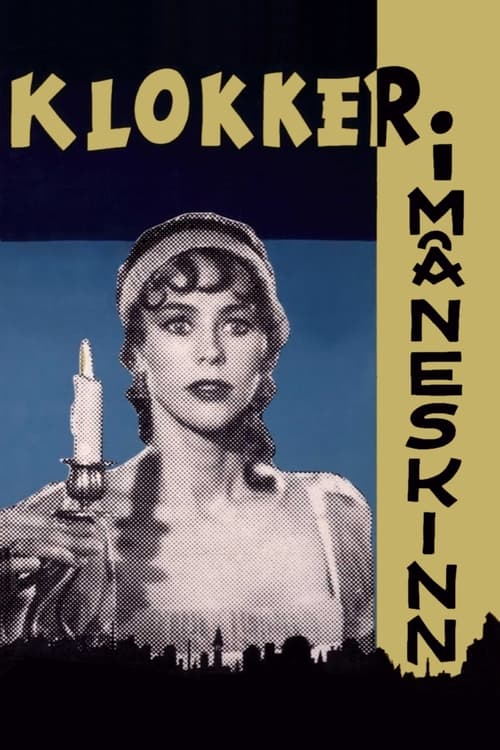
Roland Marco is a scientist that believes certain sun-symbols can affect human behaviour. He wears an old ring carrying one of these symbols against his father's wishes, when terrible things suddenly start happening around him.
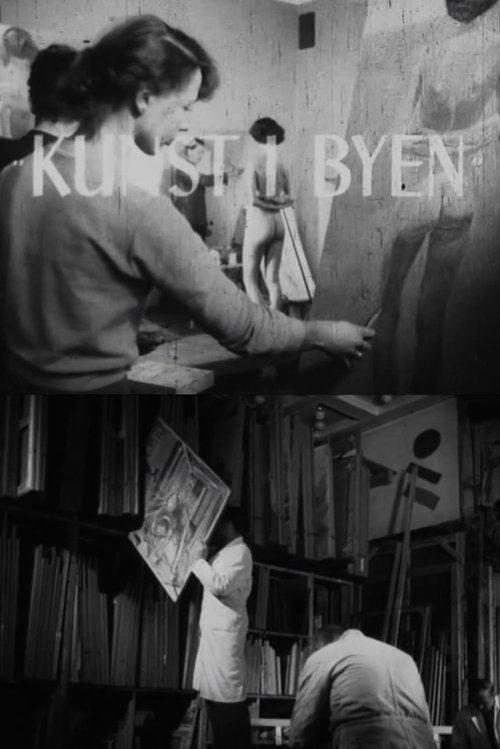
The film offers an insight into Oslo’s art scene, from teaching at the National Academy of Fine Arts and Kunstnernes Hus to major galleries and museums. We visit the National Gallery and encounter key artists such as I.C. Dahl, Christian Krohg, and Edvard Munch. **** Oslofilm was a series of public information films about life in and around Oslo, produced between 1940 and 1980. Funded by the state, the films offer valuable insight into postwar Norwegian society. A wide range of Norwegian filmmakers contributed to the productions, resulting in a rich variety of styles and expressions. Several of the films also possess notable cinematic qualities, standing out as more than just informational material. The Oslofilms represent a unique and important chapter in Norwegian film history.
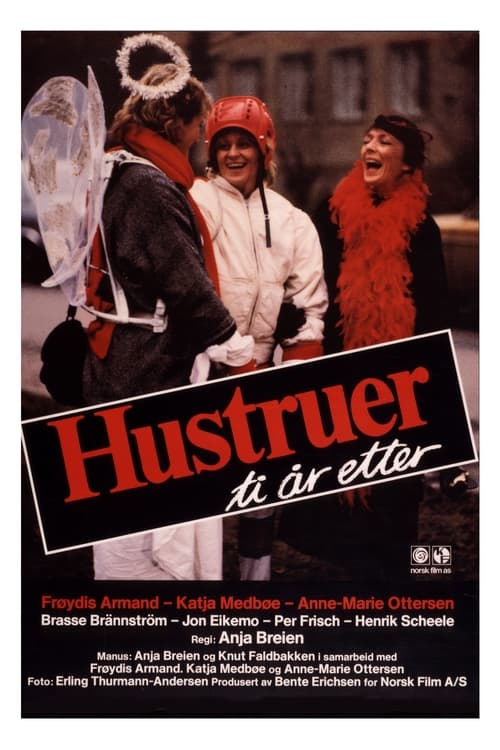
Ten years have passed since our three heroines' first outing in 1975. Now the women meet at yet another class reunion. Not surprisingly, they are still unwilling to call it a night after the party is over. Husbands and children must celebrate Christmas as best they can, while the women spend quality time drinking and taking stock of their lives.
Four men are gathered to play a game of bridge, when the conversation turns to unnatural and occult events.
Harald's wife Eva has ambitions of becoming a writer, and divorces him to marry one of his friends, Anton. But Anton can't forget his former wife Ragna, and Harald is inheriting a large sum of money. Will this change things?
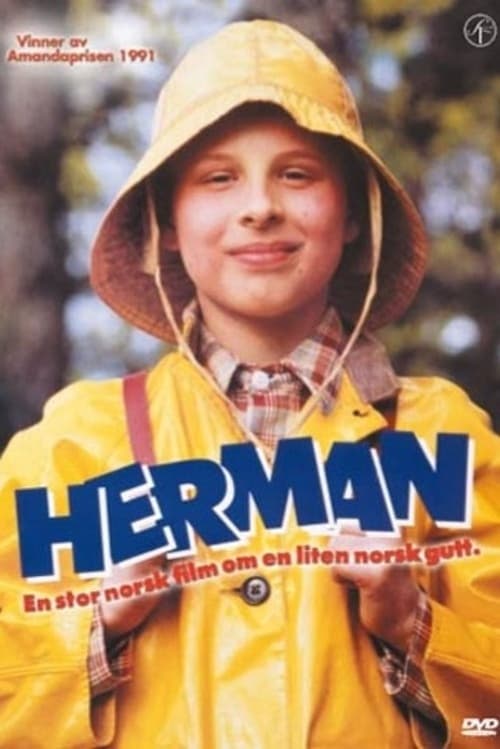
"Herman", based on Lars Saabye Christensen's novel of the same name, tells the story of the young boy Herman who suddenly loses his hair and becomes bald at the age of eleven. It follows him through what is a very difficult period in his life, through big mood swings and irrational behaviour until he finally learns to accept himself for who he is.
Ola visits the big city and needs to learn how to navigate the traffic.
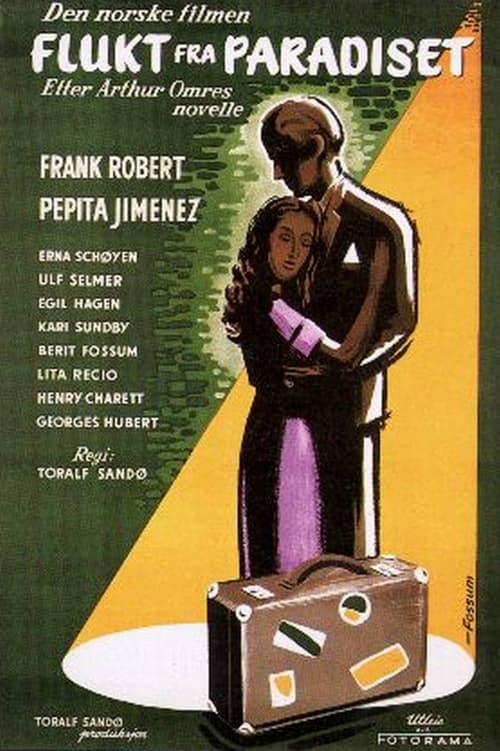
Norwegian film's great charmer, Frank Robert, plays an associate professor and bachelor whose waking desire for life brings him to Paris, where he breaks free.
A gnome named Gurin wakes up with a foxtail as punishment for his practical jokes.
Per buys lottery tickets for Trine. They fall in love and seemingly win a house.
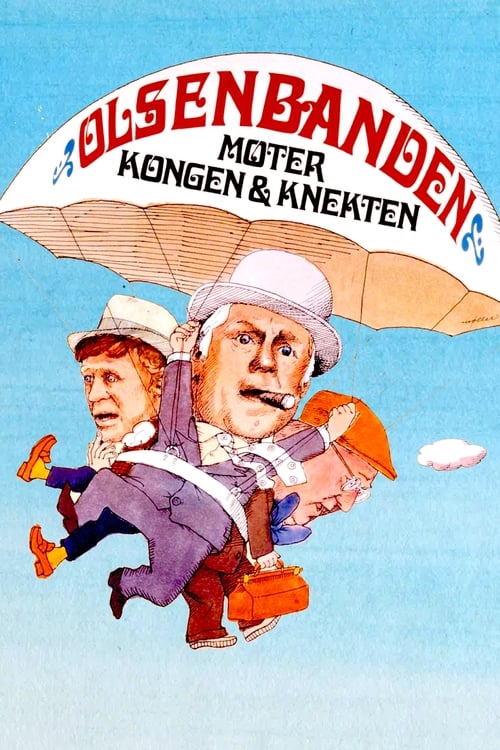
The Olsen Gang becomes millionaires. Unfortunately for the gang, their arch-enemies, the King and the Jack, are planning to steal the money for themselves.
Askeladden (Norwegian "The Ash Lad") is the main character in many Norwegian folktales.