Sidney Salkow
Directing
Biography
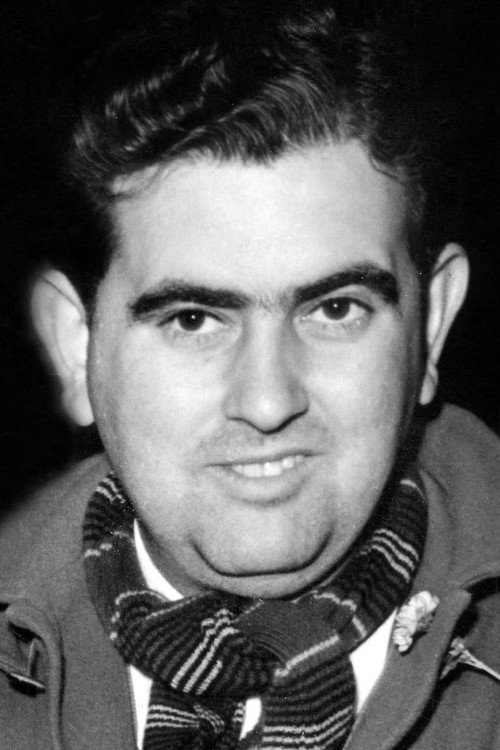
Sidney Salkow (June 16, 1909 – October 18, 1998 in New York, New York) was an American film director (more than 50 motion pictures), screen writer, and television director. Salkow was educated at the City College of New York, Columbia University and Harvard Law School. After school he returned to New York City and became an assistant director of theater and playwright. Later on he then established himself as a theatrical director. In 1932, he joined up with the film industry starting as a dialogue director but soon later, after achieving the ranks, he became a prolific writer/director of such films as Sitting Bull, Twice-Told Tales, and The Last Man on Earth (the last two both starring Vincent Price). Additionally, Salkow directed episodes of many popular TV series including Lassie, The Cisco Kid, and The Addams Family. At the age of 59, Salkow retired from directing, and taught film courses at California State University-Northridge, where he became a professor emeritus and headed the film side of the Radio, Television and Film Department. He died October 18, 1998 in Valley Village, California from natural causes at the age of 89. Description above from the Wikipedia article Sidney Salkow, licensed under CC-BY-SA, full list of contributors on Wikipedia.
Known For

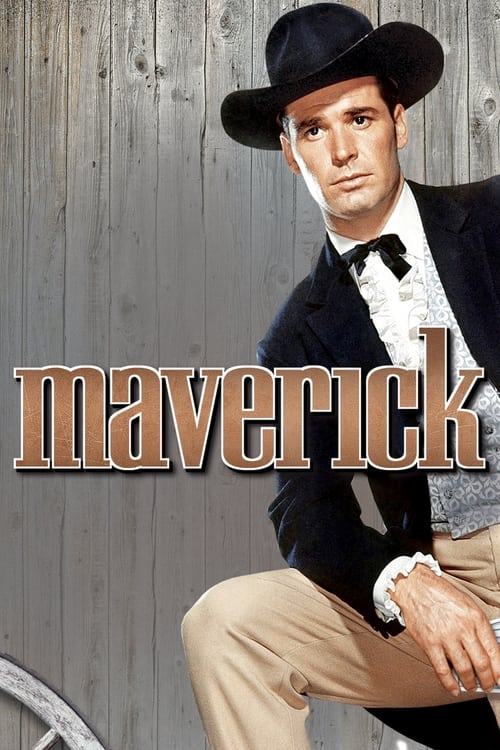
The Maverick boys - Bret, Bart, Beau and Brent - are a clan of well-dressed dandies, gamblers who'd much rather make their money playing cards than messing up their fine clothing with actual work. Sly and clever, none of the Mavericks are much for acts of derring do, but they can be courageous when the situation calls for it. Most often, however, they live by their wits and considerable charm.
Maverick

Lassie is the pet of Jeff Miller, an 11-year-old farm boy. The two become best friends and enjoy family adventures in the American countryside, teaching each other about love, nature and commitment.
Lassie

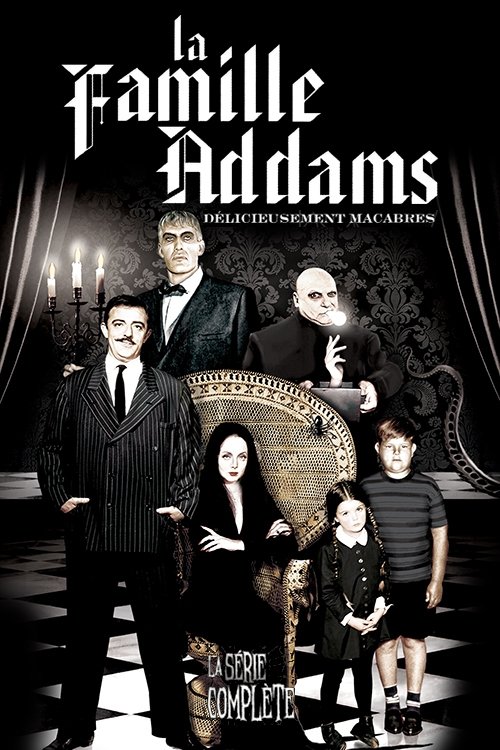
A satirical inversion of the ideal of the perfect American nuclear family, they are an eccentric wealthy family who delight in everything grotesque and macabre, and are never really aware that people find them bizarre or frightening. In fact, they themselves are often terrified by "normal" people.
The Addams Family

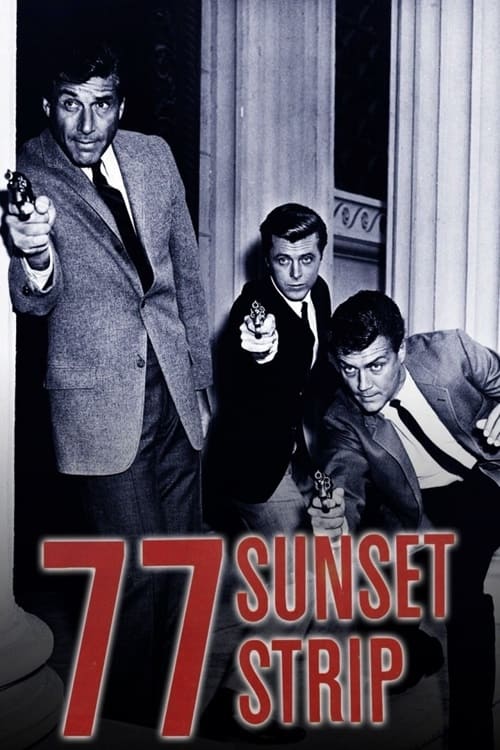
Stu Bailey and Jeff Spencer are the wisecracking, womanizing private-detective heroes of this Warner Brothers drama. They work out of an office located at 77 Sunset Strip in Los Angeles, California, right next door to a snazzy restaurant where Kookie works as a valet. The finger-snapping, slang-talking Kookie occasionally helps Stu and Jeff with their cases, and eventually becomes a full-fledged member of the detective agency. Rex Randolph and J.R. Hale also join the firm, and Suzanne is their leggy secretary.
77 Sunset Strip

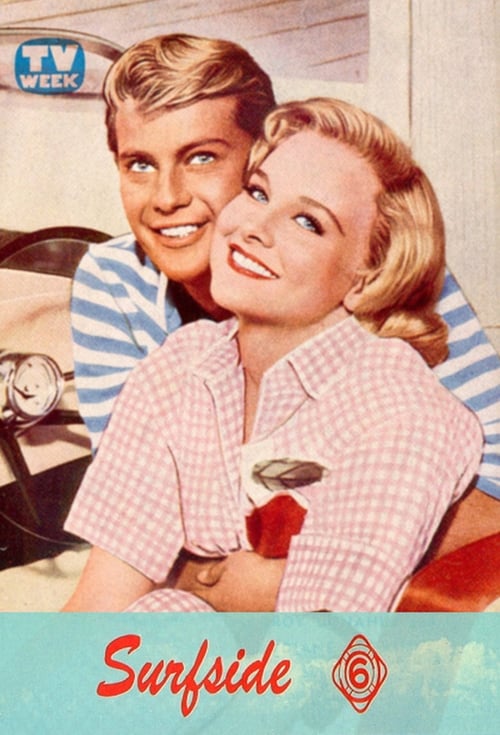
Surfside 6 was an ABC television series which aired from 1960 to 1962. The show centered on a Miami Beach detective agency set on a houseboat and featured Troy Donahue as Sandy Winfield II; Van Williams as Kenny Madison; and Lee Patterson as Dave Thorne. Diane McBain co-starred as socialite Daphne Dutton, whose yacht was berthed next to their houseboat. Margarita Sierra also had a supporting role as Cha Cha O'Brien, an entertainer who worked at The Boom Boom Room, a popular Miami Beach hangout at the Fontainebleau Hotel, directly across the street from Surfside 6. Surfside 6 was in fact a real address in Miami Beach, where an unrelated houseboat was moored at the time; it can also be seen in the sweeping aerial establishing shot of the Fontainebleu in 1964's Goldfinger.
Surfside 6

Bronco is a Western series on ABC from 1958 through 1962. It was shown by the BBC in the United Kingdom. The program starred Ty Hardin as Bronco Layne, a former Confederate officer who wandered the Old West, meeting such well-known individuals as Wild Bill Hickok, Billy the Kid, Jesse James, Theodore Roosevelt, Belle Starr, Cole Younger, and John Wesley Hardin.
Bronco

Cavalcade of America is an anthology drama series that was sponsored by the DuPont Company, although it occasionally presented a musical, such as an adaptation of Show Boat, and condensed biographies of popular composers. It was initially broadcast on radio from 1935 to 1953, and later on television from 1952 to 1957. Originally on CBS, the series pioneered the use of anthology drama for company audio advertising. Cavalcade of America documented historical events using stories of individual courage, initiative and achievement, often with feel-good dramatizations of the human spirit's triumph against all odds. This was consistent with DuPont's overall conservative philosophy and legacy as an American company dating back to 1802. The company's motto, "Maker of better things for better living through chemistry," was read at the beginning of each program, and the dramas emphasized humanitarian progress, particularly improvements in the lives of women, often through technological innovation.
Cavalcade of America

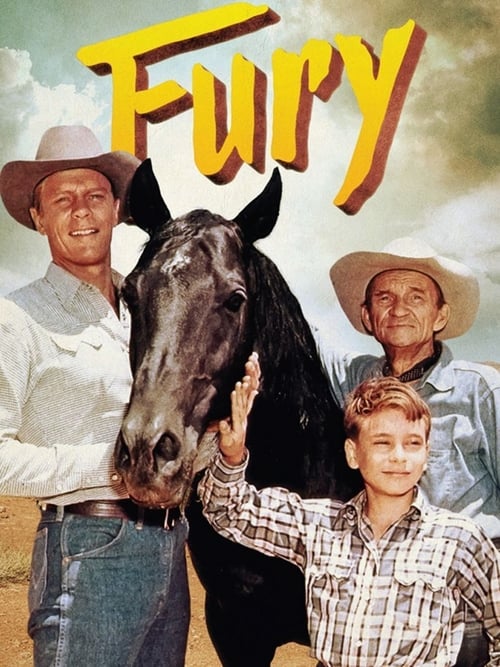
Fury is an American western television series that aired on NBC from 1955 to1960. It stars Peter Graves as Jim Newton, who operates the Broken Wheel Ranch in California; Bobby Diamond as Jim's adopted son, Joey Clark Newton, and William Fawcett as ranch hand Pete Wilkey. Roger Mobley co-starred in the two final seasons as Homer "Packy" Lambert, a friend of Joey's. The frequent introduction to the show depicts the beloved stallion running inside the corral and approaching the camera as the announcer reads: "FURY!..The story of a horse..and a boy who loves him." Fury is the first American series produced originally by Television Programs of America and later by the British-based company ITC Entertainment.
Fury

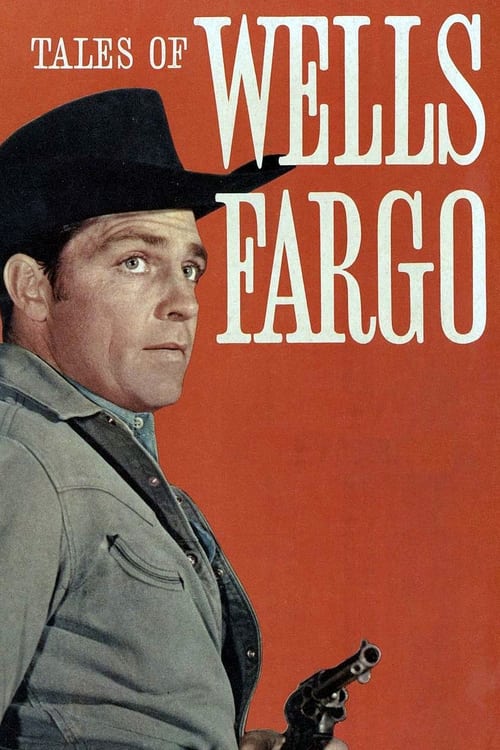
Jim Hardie helps Wells Fargo agents battle the bad guys.
Tales of Wells Fargo
State Trooper is an American crime drama set in the 1950s American West, starring Rod Cameron as Rod Blake, an officer of the Nevada Department of Public Safety. The series aired 104 episodes in syndication from September 25, 1956, to June 25, 1959.
State Trooper

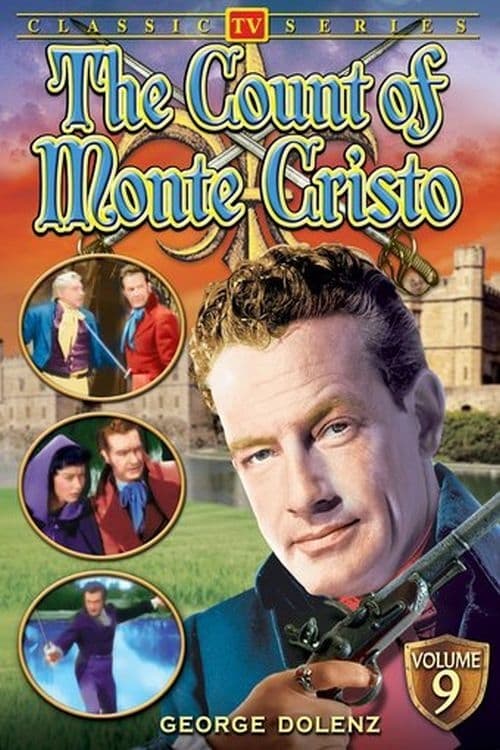
The Count of Monte Cristo was a 1956 ITC Entertainment/TPA television series adapted very loosely from the novel by Alexandre Dumas, adapted by Sidney Marshall. It premiered in the UK in early 1956 and ran for 39 thirty-minute episodes. The first twelve episodes were filmed in the United States, at the Hal Roach studios, with the rest being filmed at ITC's traditional home of Elstree. A 5-disc DVD set containing all thirty-nine episodes was released by Network Studio on 12 April 2010. ITC produced a film based on the same source-material, The Count of Monte-Cristo, in 1975.
The Count of Monte Cristo

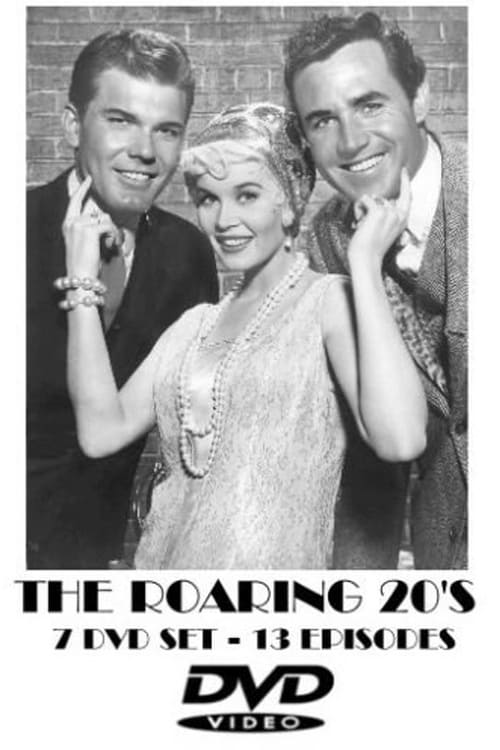
The adventures of a newspaper reporter covering the world of cops and gangsters in 1920s Chicago.
The Roaring 20's

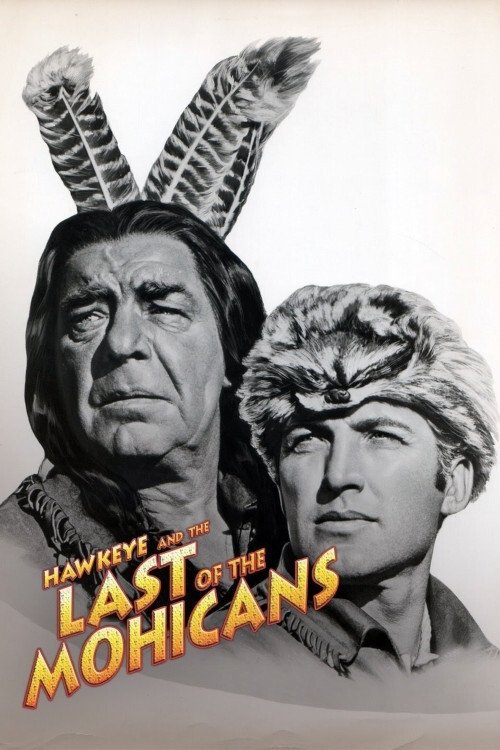
Hawkeye and the Last of the Mohicans was set in New York's Hudson Valley during the French and Indian war in the 1750's and depicted the adventures of Hawkeye and his Indian blood brother Chingachgook, the last member of the Mohican tribe. The series based on stories by James Fenimore Cooper.
Hawkeye and the Last of the Mohicans

Death Valley Days is an American radio and television anthology series featuring true stories of the old American West, particularly the Death Valley area. Created in 1930 by Ruth Woodman, the program was broadcast on radio until 1945 and continued from 1952 to 1970 as a syndicated television series, with reruns continuing through August 1, 1975. The series was sponsored by the Pacific Coast Borax Company and hosted by Stanley Andrews, Ronald Reagan, Robert Taylor, and Dale Robertson. With the passing of Dale Robertson in 2013, all the former Death Valley Days hosts are now deceased.
Death Valley Days

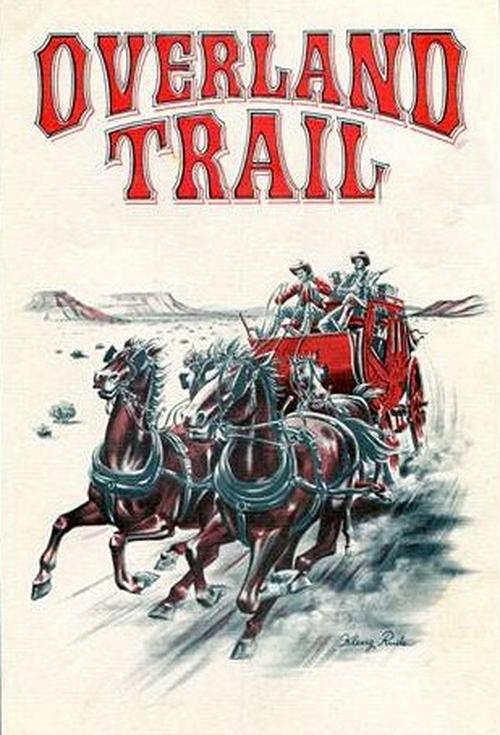
Overland Trail was a short lived television western about the adventures of an earthy stage coach line superintendent and his young partner as they strive to keep the stage routes open and safe. William Bendix played Frederick Thomas "Fred" Kelly, the superintendent of the fictitious Overland Stage Company. Doug McClure appeared as Frank "Flip" Flippen, Kelly's associate in the business.
Overland Trail

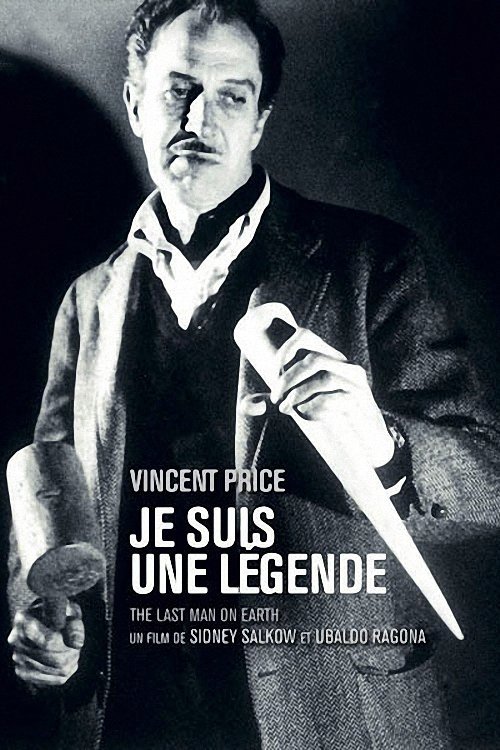
When a disease turns all of humanity into the living dead, the last man on earth becomes a reluctant vampire hunter.
The Last Man on Earth

Jim "Tex" Wall, searching for the last of the three men who raped and killed his wife, joins a gang of cattle rustlers led by Hank Hays. Both Hays' outlaws and a rival gang headed by Heesman, have been hired as ranch hands by "Bull" Herrick, a cripple who owns a large cattle ranch and wants to get his large herd to market. He theorizes that the two gangs will be kept busy watching each other and neither will rustle his cattle. Helen has little faith in her brother's contrived plan, and hates and distrusts both groups. She begins to soften toward Jim, but abruptly changes when she sees a reward poster which says he has killed two men.
Robbers' Roost

A former outlaw must prove himself innocent after he's accused of bank robbery. Western.
Gun Duel in Durango

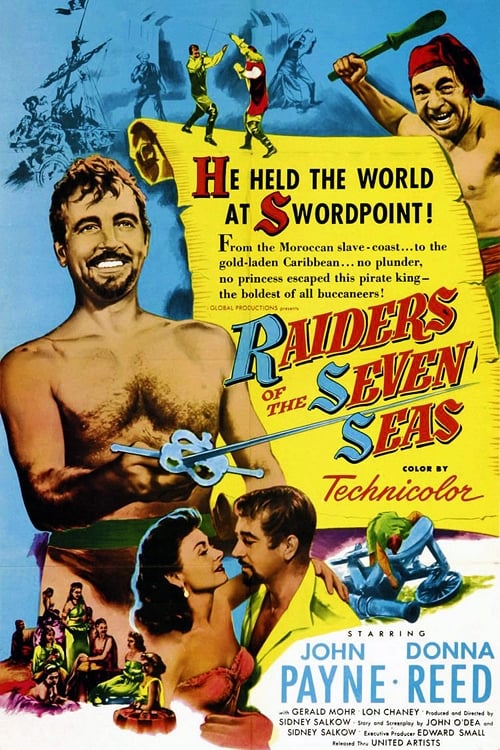
After staging a mutiny and commandeering his own ship, famed pirate Barbarossa takes hostage a spirited Spanish noblewoman named Alida, intending to trade her to her fiancé, Capt. Jose Salcedo, for a handsome ransom. But Barbarossa falls in love with Alida, who meanwhile discovers that the roguish swashbuckler is more honorable than her erstwhile betrothed.
Raiders of the Seven Seas

Chief Sitting Bull of the Sioux tribe is forced by the Indian-hating General Custer to react with violence, resulting in the famous Last Stand at Little Bighorn. Parrish, a friend to the Sioux, tries to prevent the bloodshed, but is court- martialed for "collaborating" with the enemy. Sitting Bull, however, manages to intercede with President Grant on Parrish's behalf.