Acting
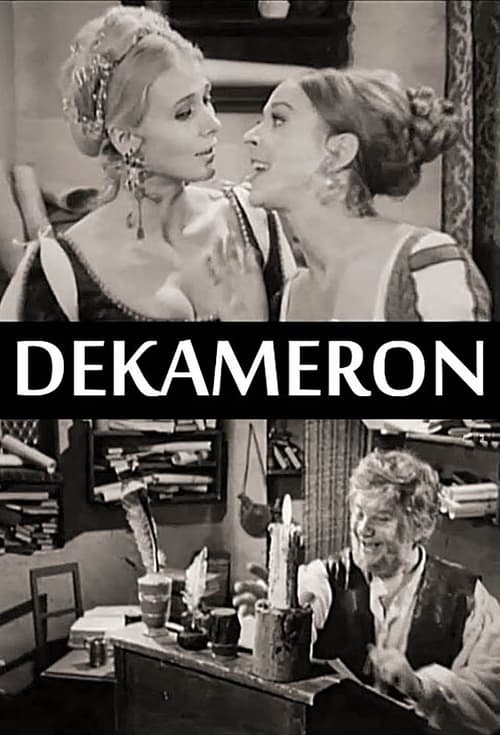
Depicts many funny and satirical tales from Giovanni Boccaccio. Around 200 actors, among them almost all the greatest of the time, with Stane Sever at the helm. He played a mischievous writer who, in each episode, leads viewers into new intriguing stories of the human spirit. After the eighth part, he was replaced by Stevo Žigon due to his death. In 2013, the series was digitized and restored. After many years, it was then broadcast again, but not in the original order.
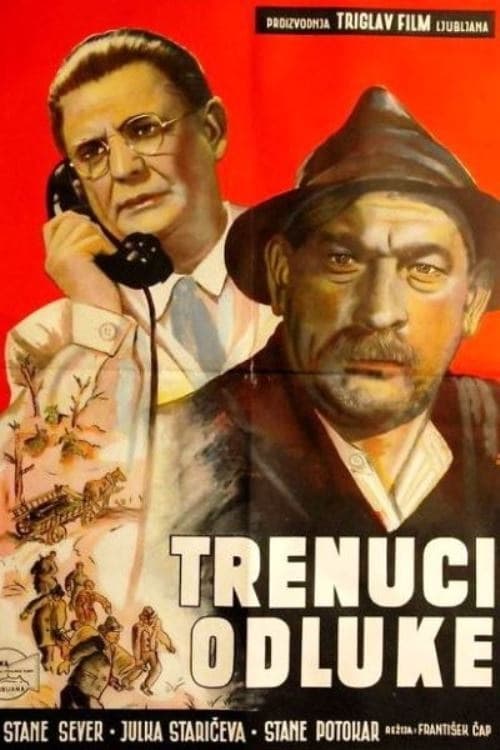
A story set in a Slovenian town during WW2. The White Guardists bring a wounded partisan to doctor Koren, but he kills their lieutenant, thus helping them both to escape.
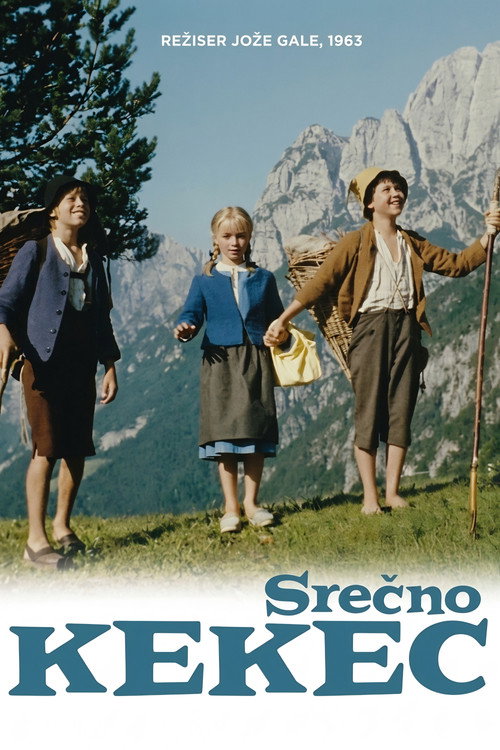
Two boys, Kekec and Rozle, come to serve a farmer, with a blind daughter Mojca, as shepherds. As the night falls, the two boys start talking about a woman who lives in the mountains and is supposed to steal children. Her name is Pehta. In the morning, Kekec, Rozle and Mojca go to an Alpine cottage and Kekec promises Mojca that he will find her a remedy for her eyes. As the girl is picking flowers, Pehta arrives and takes Mojca into her cottage. She wants to keep Mojca because of her singing.
The story about a brave boy called Ivo and his friends, who get into fights with smugglers.
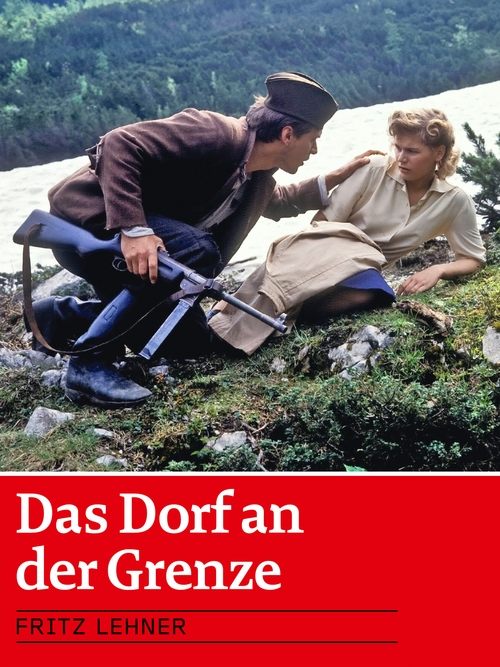
A fictional town on the Austrian-Yugoslav border from 1920—through World War II—until the breakup of Yugoslavia in 1991.
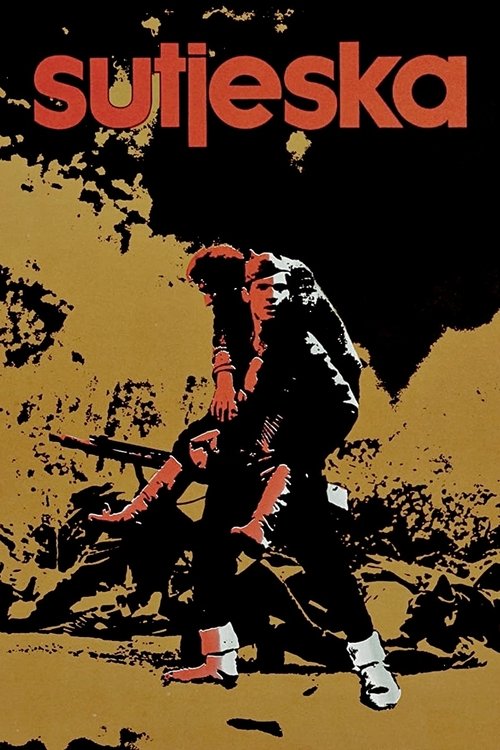
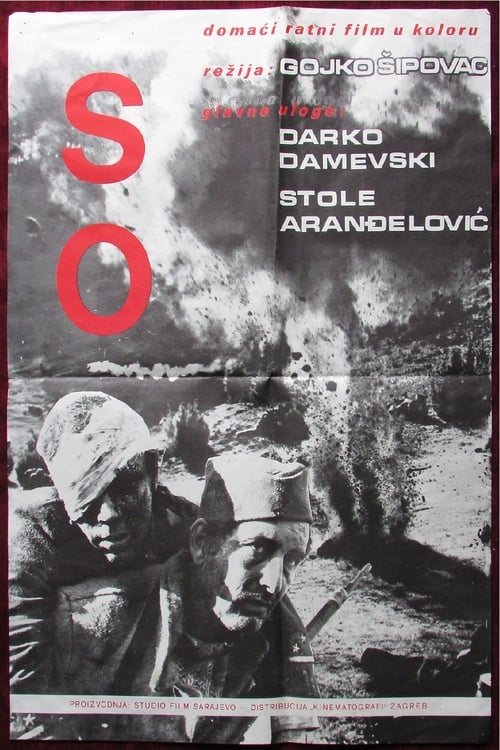
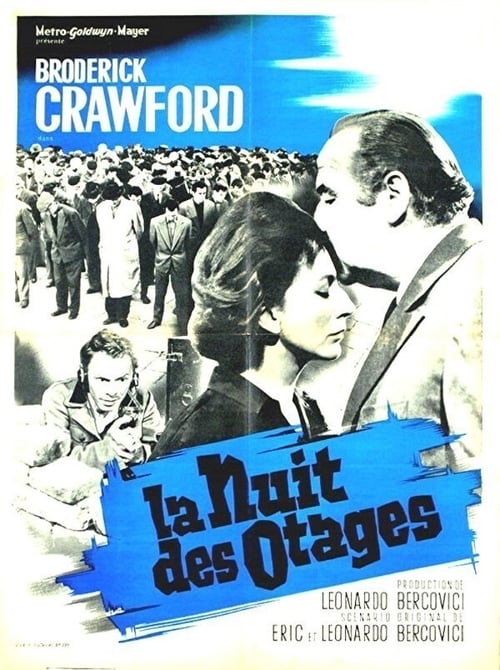
The headquarters of the Marshal Tito's Liberation Army are surrounded by Axis forces. The Partisans have no choice but to fight their way out of the encirclement and face the enemy on the plains of Sutjeska.
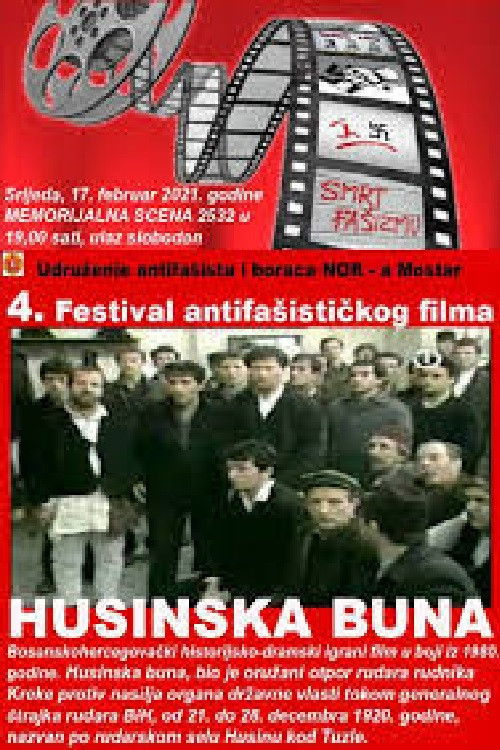
This is the true story of the miners who were seeking their rights by doing the hardest job in the world. Husinska rebellion is an armed resistance miners mine Krek against the violence of the state government during the general strike of miners Bosnia and Herzegovina, from 21 to 28 December 1920, named after the mining village Husin near Tuzla.
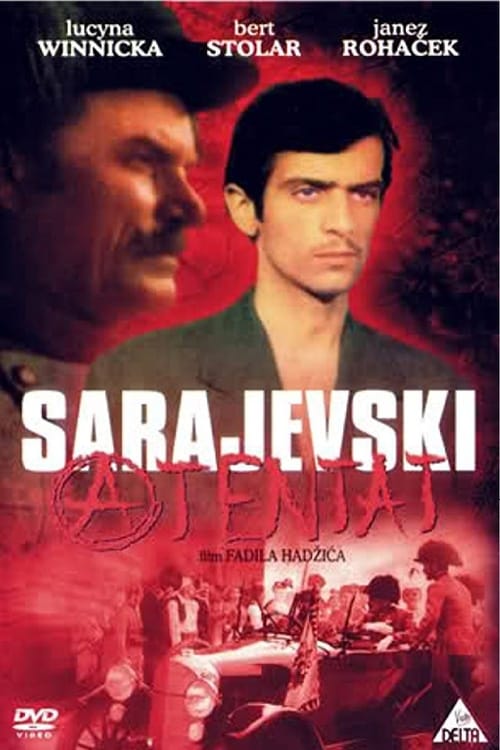
A resistance fighter in WW2 Sarajevo is running from the Gestapo and finds shelter in the home of the old man. The old man is a former member of the Mlada Bosna organization and tells the young man about his youth and events that which led to assassination of Archduke Franz Ferdinand in Sarajevo.
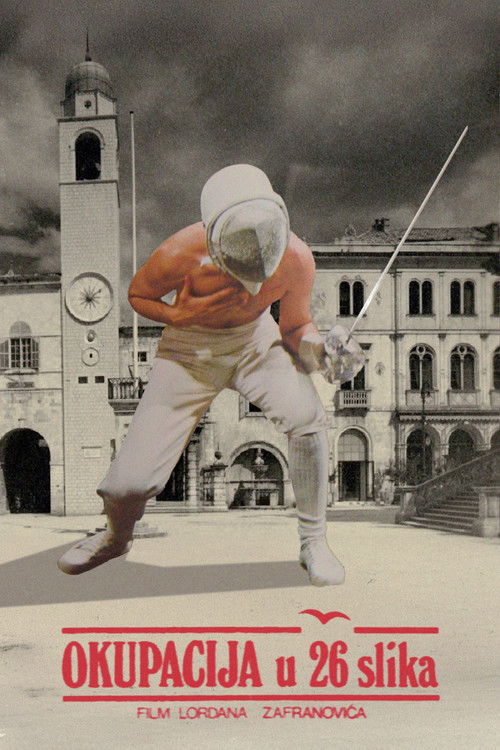
Set in Dubrovnik, this drama chronicles a friendship between three men, that began just before World War II. One of the men is of Italian origin, another is the wealthy heir of a shipping fortune, and the third is the son of a Jewish antique-store owner. Before the war, they are fast friends, enjoying one another's company at carnivals and at a private fencing club. However, when the war comes, the Italians and Germans move in to create the Independent State of Croatia. The Italian friend becomes a fascist and courts and marries the sister of his rich friend. Soon enough, atrocities are being committed, and anyone suspected of Jewish or Serbian parentage or anti-fascist leanings, is killed.
A TV adaptation of the story “Twins” by Prezihov Voranc.
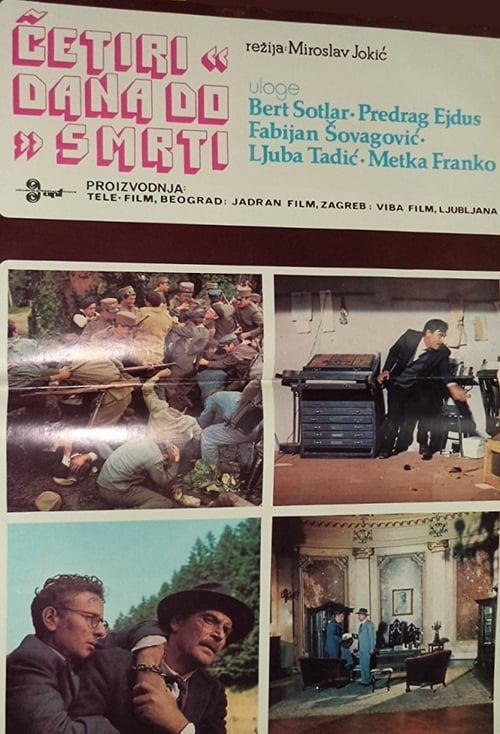
Between the two World Wars, Yugoslavia was ruled by a monarchy. This movie explores the difficulties faced by a Communist Party organizer under that regime when an order goes out to kill anyone threatening the current regime. At first he is willing to leave the country, but his experience of the situation of workers moves him to stay. Despite efforts of captors to help him escape, he refuses, and dies a martyr's death.
At the end of the last century hunters who hunted wild roosters, while waiting for prey to show up, were killing time with storytelling. The first story is about Jernac that had a fight with Tomas because of Rezika. Another story tells about Tincek, limp foundling, who spent his youth with the Komar family, where he fell in love with their Lencka. The third is the story of a rich Miholac whose attention was grabbed by poor Polonca, a romance that was opposed by his father. The central theme of all stories is love that eventually everybody die of.
In June of 1942 Germans and their collaborators decide to get rid of partisans and their stronghold in the woods of Mount Kozara in Northern Bosnia. They encircle the mountain and begin the mop up operation. Out gunned and outnumbered the partisans must not only take care of themselves but try to protect thousands of refugees too.
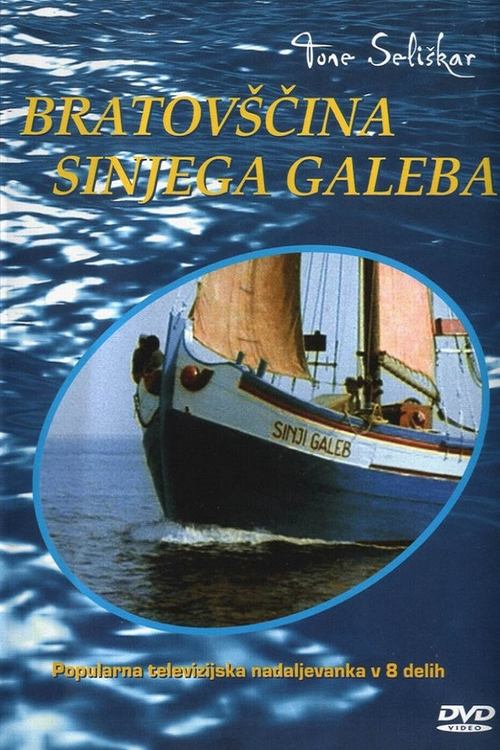
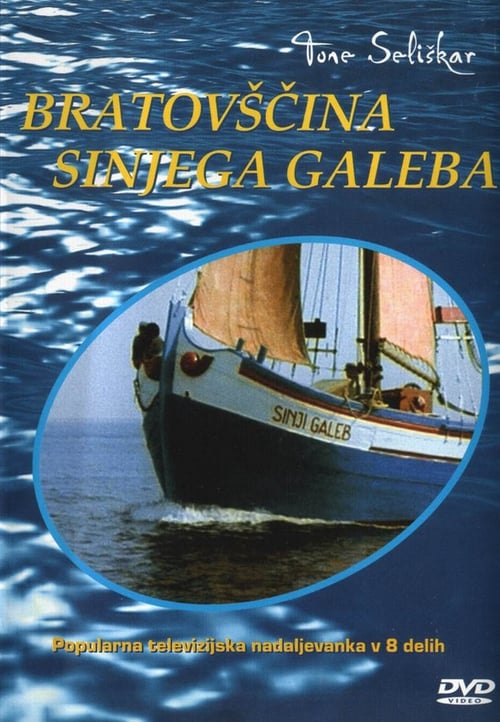
It talks about a orphan who lives without a father and he loves boats.
A post-WW2 story about the village largely involved in wine-making business. The peasants who claimed possessions of lands, woods, and churches after communist party seized the power hold a party where a member of so-called reactionary forces (kulaks, clergy and Axis collaborators) tries to break in and stop it.
Italian director Giuseppe DeSantis was the creative force behind this Yugoslavian "slice of life" drama. The title translates as The Year-Long Road and, accordingly, the plot concerns a voluntary joint effort to construct a highway. Naturally, this animosity wreaks havoc on the various Romeo-Juliet romances in the region.
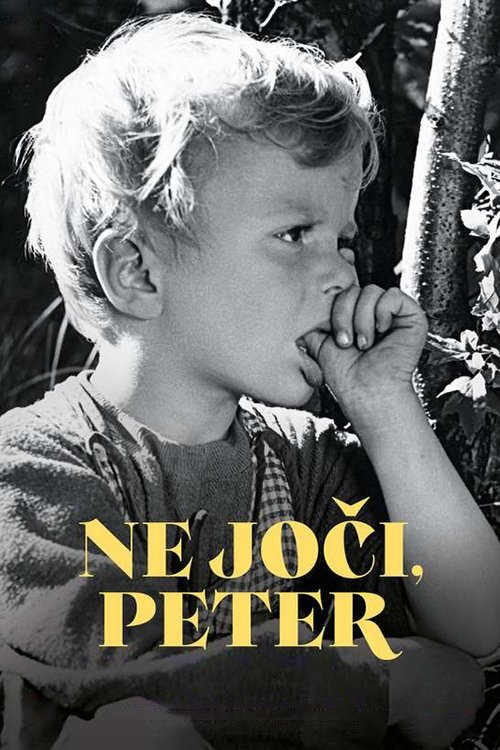
Two partisan miners are entrusted with the task of honor to transfer safely three orphan children from a dangerous zone of fighting to the safe liberated territory. In the beginning the two miners feel humiliated because they would like to engage in more important action, but later they become big friends with the children, especially with Peter, the youngest one.
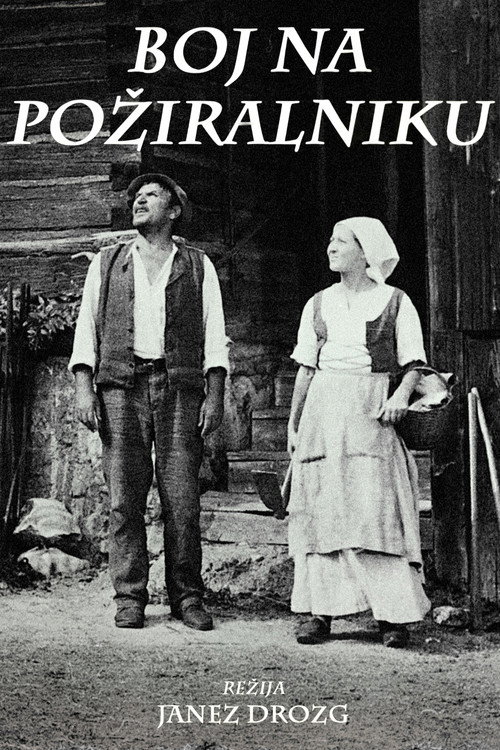
Based on a novel by Prežihov Voranc, it tells a story about a farmer's family who live in Northern Slovenia before WW2.
The movie based upon the classical Slovene novel Martin Kačur, depicts the clash between the teacher Martin Kačur and his conservative environment. Due to his progressive ideas, he is transferred to a small town. The village environment is even more depressing than his former surroundings were, as the influence of both the secular and the Church authorities is even greater in the country. Even though Martin meets Tončka and the two of them get married, he gradually becomes a disillusioned and embittered man. In time, when society's strictures become somewhat milder, Martin is transferred to a more friendly environment, but all the injustices he has experienced have already bitten too deep. Unlike his wife, Martin finds it very difficult to accept changes. When his son dies, it seems as though he has lost all his elan and the will to live. Will he be able to go on bringing the light of knowledge to the ignorant masses, or will his ideals be buried forever like a man in a snowdrift?
Yugoslavian television horror movie from 1969.