Jerry Rubin
Acting
Biography
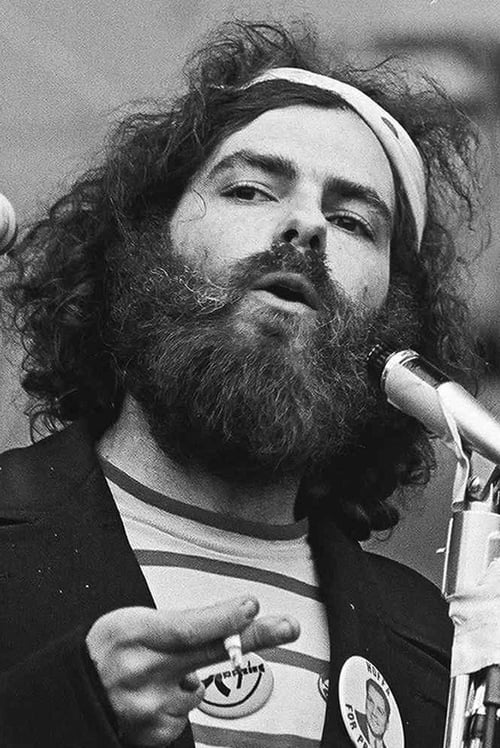
Jerry Clyde Rubin (July 14, 1938 – November 28, 1994) was an American social activist, anti-war leader, and counterculture icon during the 1960s and early 1970s. Despite being known for holding radical views when he was a political activist, he ceased holding his more extreme views at some point in the 1970s and instead opted for a successful career as a businessman. In the 1960s, during his political activism heyday, he was known for being one of the co-founders of the Youth International Party (YIP) whose members were referred to as Yippies, and standing trial in the Chicago Seven case. Description above from the Wikipedia article Jerry Rubin, licensed under CC-BY-SA, full list of contributors on Wikipedia.
Known For

The Dick Cavett Show has been the title of several talk shows hosted by Dick Cavett on various television networks.
The Dick Cavett Show

Throughout the 1950s, Tab Hunter reigned as Hollywood’s ultimate male heartthrob. But throughout his years of stardom, Tab had a secret. Tab Hunter was gay, and spent his Hollywood years in a precarious closet that repeatedly threatened to implode and destroy him. Tab Hunter himself shares first hand, for the first time, what it was like to be a studio manufactured movie star during the Golden Age of Hollywood and the consequences of being someone totally different from his studio manufactured image.
Tab Hunter Confidential

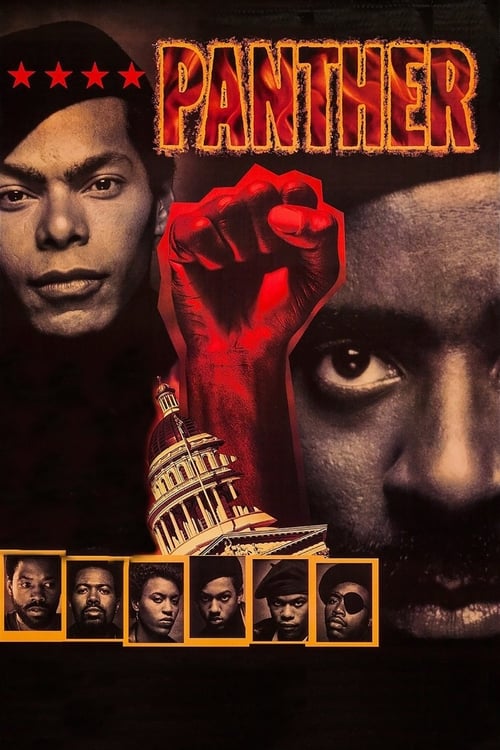
In this sprawling, fictionalized history of the Black Panthers, 1960s Oakland becomes a war zone as the Panthers battle for the right to exist.
Panther

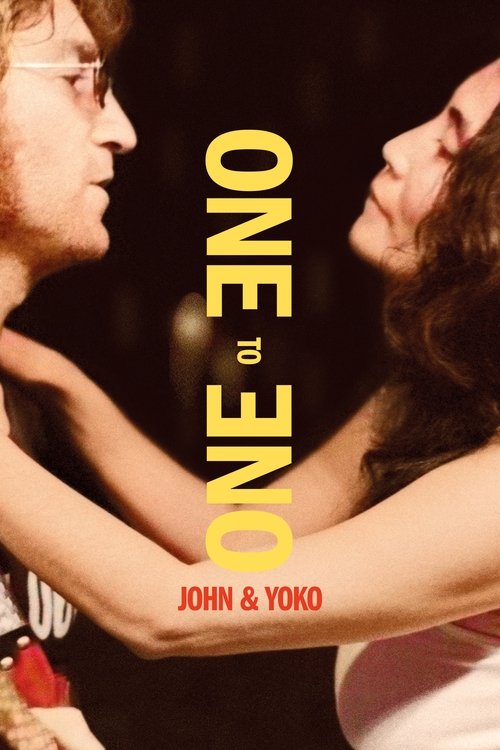
An exploration of the seminal and transformative 18 months that one of music’s most famous couples — John Lennon and Yoko Ono — spent living in Greenwich Village, New York City, in the early 1970s.
One to One: John & Yoko

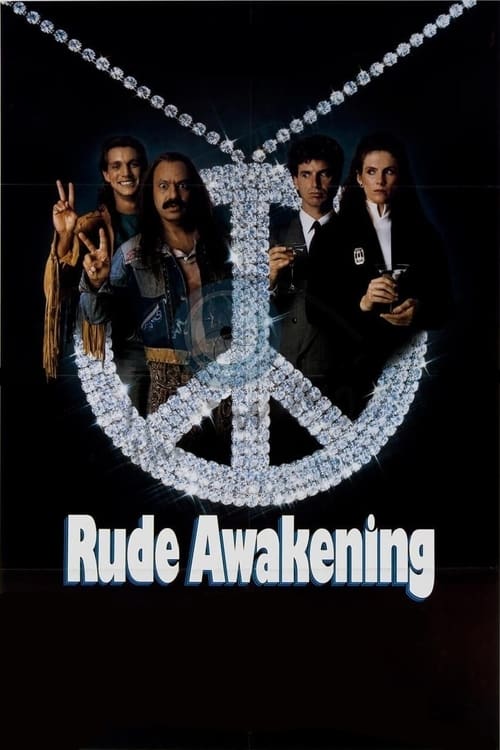
In the later 1960s, two hippies are forced to leave their friends as they are wanted by the FBI, who sees them as criminals. They hide in the jungle for 20 years, secluded from the outside world. In the later 1980s, the find out that a secret war is about to start in the US, and decide to return to New York to tell someone about it.
Rude Awakening

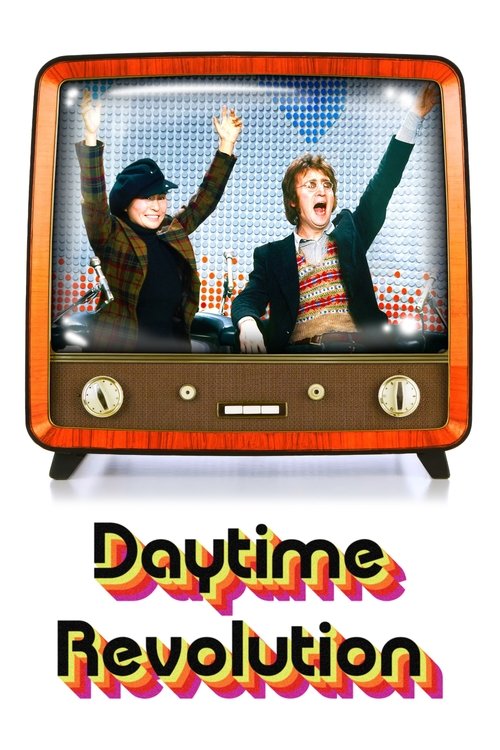
For one extraordinary week in February 1972, the Revolution WAS televised. DAYTIME REVOLUTION takes us back in time to the week that John Lennon and Yoko Ono descended upon a Philadelphia broadcasting studio to co-host the iconic Mike Douglas Show, at that time the most popular show on daytime television, with a national audience of 40 million viewers each week. What followed was five unforgettable episodes of television, with Lennon and Ono at the helm and Douglas gamely keeping the show on track.
Daytime Revolution

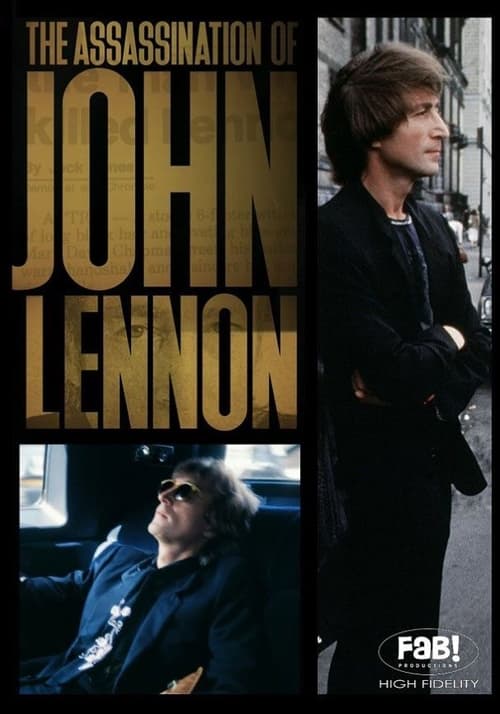
An exploration of the life and career of the Beatles superstar, with a look at the strange parallels between him and his killer Mark David Chapman.
Jealous Guy: The Assassination of John Lennon

Utitlising humour, fantasy, animation, poetry and theatrics, Hochman and her crew challenge the male establishment for ignoring the first meeting of the National Women's Political Caucus and Shirley Chisholm's bid for US vice-president.
Year of the Woman

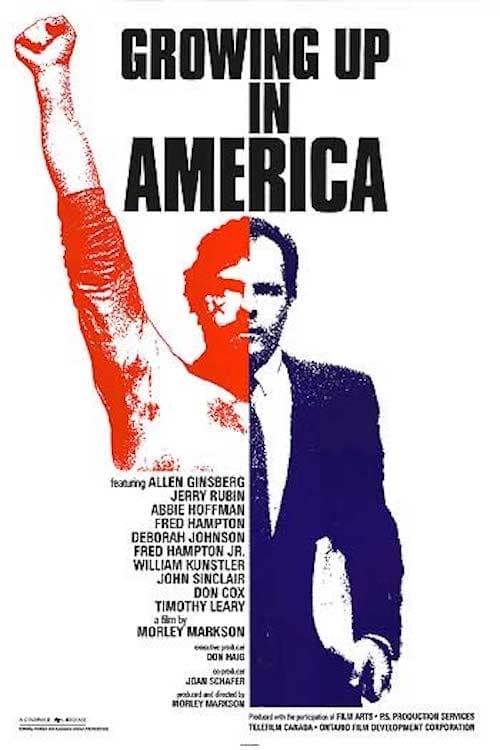
Filmmaker Morley Markson shows Abbie Hoffman, Jerry Rubin, Allen Ginsberg, Timothy Leary, and other '60s rebels, then and now in a follow up to his 1971 film "Breathing Together: Revolution of the Electric Family."
Growing Up in America

The title of this Canadian documentary may have some relation to Canadian Marshall McLuhan's theories. It combines interview with famous U.S. militants of the '60s, such as Jerry Rubin and Abbie Hoffman, with reenactments of their Chicago trials (i.e., the "Chicago Eight," etc.). Other figures of cultural interest from the time, including Alan Ginsberg and Buckminster Fuller, are interviewed or featured. The filmmaker indicates his belief that powerful forces in the U.S. government worked together to suppress American radicals. This view, widely disbelieved at the time, has since been confirmed.
Breathing Together: Revolution of the Electric Family

Abbie Hoffman and Jerry Rubin were both on the leading edge of protest in the 1960’s. Rubin became an entrepreneur and the chief spokesman for the Baby Boom generation. Hoffman remained active in environmental issues and grass roots politics, maintaining his anti-establishment stance until the end of his life. The 1986 debate featured in this one-hour video was the “final” debate for these two eloquent speakers, following 18 months of touring North America. Though many years had passed since their heyday as counterculture icons, thousands flocked to auditoriums to hear the opinions of Hoffman – idealistic, unrelenting champion for truth and justice – and Rubin – ‘the pragmatic voice of the new right’.
The Last Debate

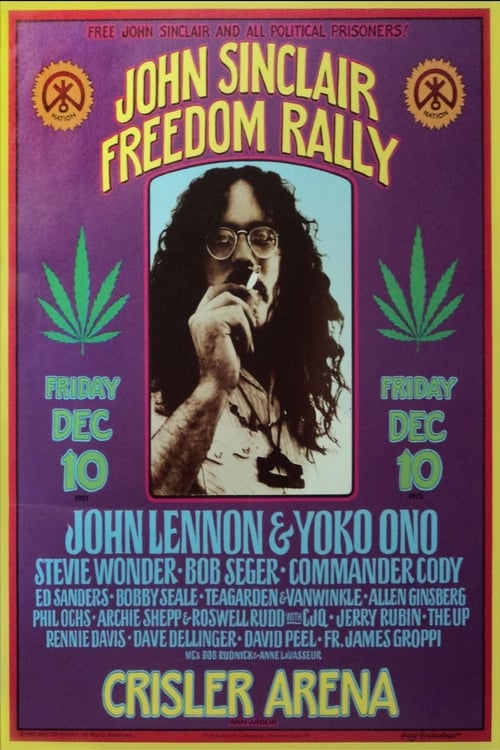
Concert film documentary. The John Sinclair Freedom Rally was a protest and concert in response to the imprisonment of John Sinclair for possession of marijuana held on December 10, 1971. Features performances from John Lennon, Yoko Ono, Stevie Wonder and Bob Seger
Ten for Two: The John Sinclair Freedom Rally
A mental journey - historical, political, musical and metaphysical - in contemporary times, from the Sixties until nowadays.