Costume & Make-Up
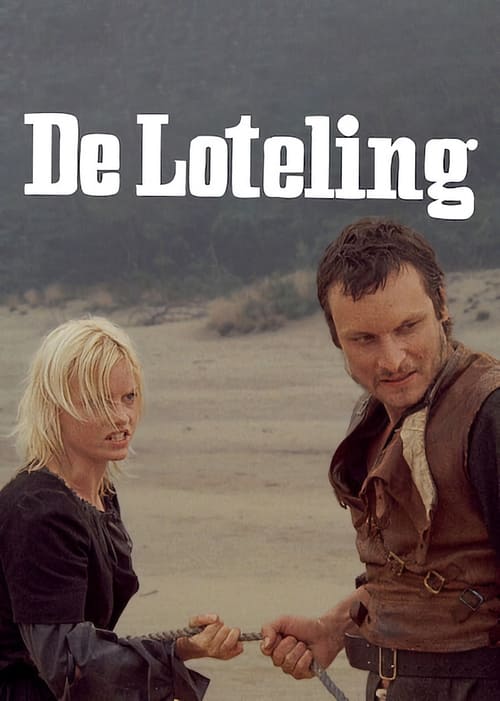
A band of medieval mercenaries take revenge on a noble Lord who cheated them by kidnapping his son's fiancée. As the plague and warfare cut a swathe of destruction throughout the land, the mercenaries hole up in a castle and await their fate.
A writer whose lover is a woman widowed three times begins to suspect she may be responsible for her husbands' deaths.
"Olivia" captures the awakening passions of an English adolescent sent away for a year to a small finishing school outside Paris. The innocent but watchful Olivia develops an infatuation for her headmistress Julie and through this screen of love observes the tense romance between Julie and the other head of the school Cara in its final months.
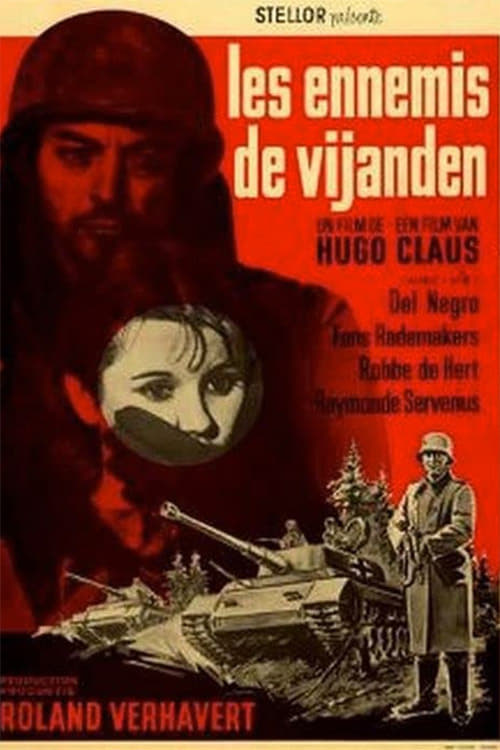
In the freezing winter of 1944, the devastating Battle of the Bulge rages across Belgium. Amid the chaos, an American soldier separated from his unit crosses paths with Richard, a cynical young Belgian boy, and Willy, a wounded German soldier they take as a prisoner.Stranded in a desolate, snowy landscape where survival overrides military allegiance, the three mismatched individuals form a fragile, surreal bond. As they trudge through the war-torn countryside, their basic survival instincts push political ideologies aside.
Just before wowing international critics and moviegoers with his adventure romp Fanfan la Tulipe, director Christian-Jaque dashed off the lampoonish Barbe-Bleue. Ostensibly the story of the famed wife-killing potentate Bluebeard (Pierre Brasseur), this lighthearted costumer begins as the title character is poised to march down the matrimonial aisle for the eighth time. Barbe-Bleue's newest spouse Aline (Cécile Aubry) is kept in line by her husband's claims of murdering her predecessors. But when Aline opens the famous locked door to the equally famous hidden room, both she and the audience are in for quite a surprise. The frivolous nature of Barbe-Bleue is underlined by its pleasing utilization of the French Gezacolor process.
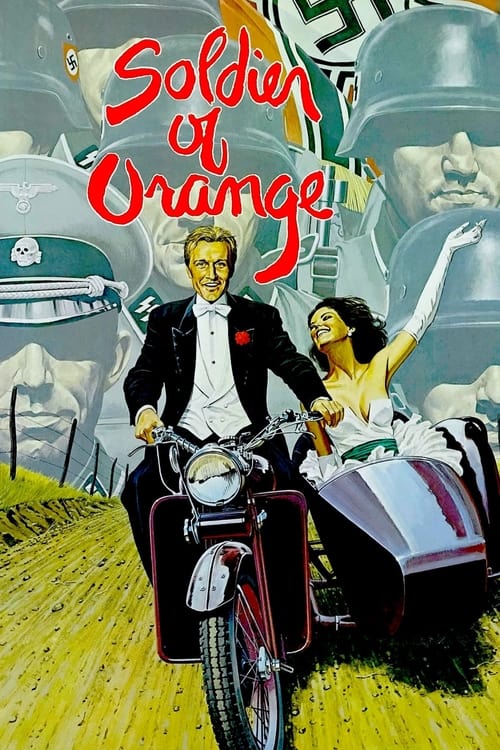
The lives of Erik Lanshof and five of his closest friends take different paths when the German army invades the Netherlands in 1940: fight and resistance, fear and resignation, collaboration and high treason.
In 1833, when the fledgling Belgian kingdom still fears a Dutch invasion, recruits were selected annually from an age cohort by a draw of lots in each locality. In this grim, then contemporary drama by the 'father of Flemish literature', Hendrik Conscience, Jan Braems, a poor and naive farmers-boy, accepts the not uncommon offer by a rich family to sell his lucky ticket (out) to their son for a hefty sum compared to the miserable labor wages at the time. Army life is even harsher then a farmhand's, especially for a Dutch-speaking an-alphabet who simply can't understand his francophone superiors, and Jan's nature is not complacent enough for military discipline even by todays standards, so he soon gets into all kinds of trouble, including gambling his capital away and a venereal disease. When his girlfriend back home goes looking for him, her life is doomed as well.
In this film version of the Dutch-language classic ('heimat'-)novel by Flemish author Felix Timmermans, the title character is a city-boy from Lier who after recovering from a life-threatening disease changes his life completely and his name to the self-invented Pallieter. He moves in with Charlote, a naive, caring relative in the country, where he starts frolicking, no longer caring for image, career or possessions, but concentrates on enjoying life -such as a draftee relative's Brueghelian wedding- and finds love with Marieke. A dark story-line however is when projected work on the river in the name of economical progress threatens the rural landscape they have fallen in love with...
An idealistic Dutch colonial officer posted to Indonesia in the 19th century is cohvinced that he can make the kinds of changes that will actually help the local people he is in charge of, but circumstances soon make him realize just how out of touch he really is, and it doesn't take long for things to go from bad to worse.
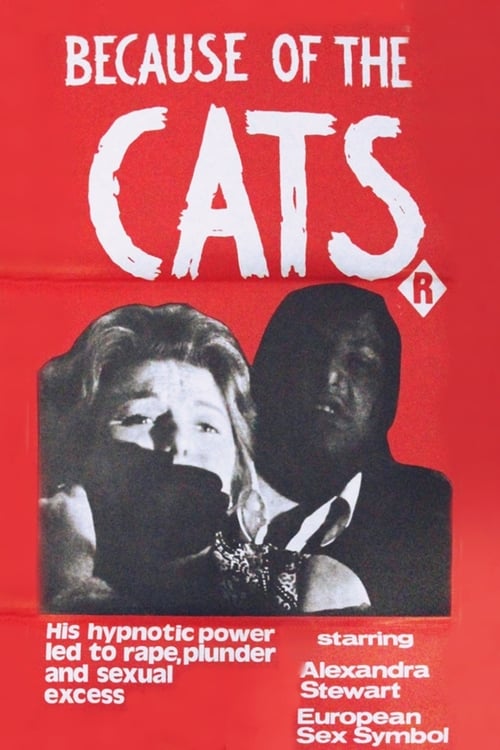
A gang of six wealthy, well-dressed and well-spoken hoodlums break into a married couple's house and rape the wife while forcing the husband to watch. Thus begins a dogged investigation by a determined detective who quickly finds that their cult-like solidarity can be a serious obstacle to breaking them.
After World War I, widower Renier has returned to his estate Horlebecq. His sole diversion is his correspondence with the Parisian Rolande, who he met during the war. Even though his family is pressuring him into marrying his sister-in-law Emily, Renier stays obsessed with Rolande and even visits her in Paris. She manages to persuade him to invest large sums of money into the "Academie de Beauté" in Paris. His reckless investments and breaking off his engagement with Emily leads to unbearable tensions at Horlebecq...
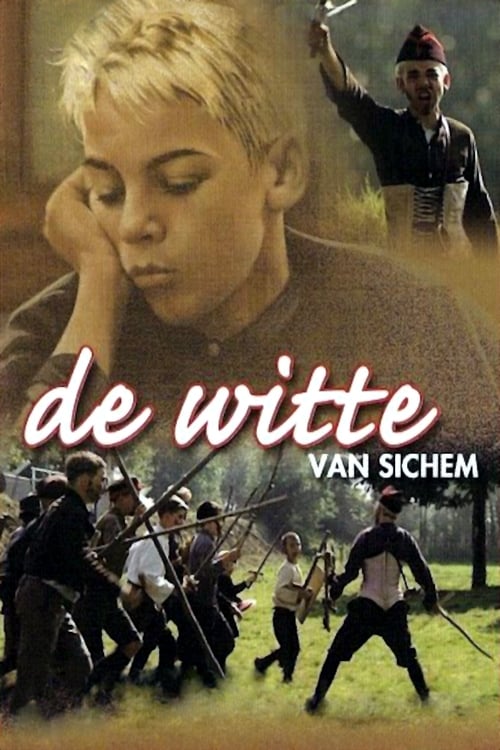
The second movie version, now in color, of Flemish (heimat-)author Ernest Claes' classical novel, titled after the nickname (Dutch 'the White', referring to a blond male) of the main character. The smart but naughty farmhands son's eternal mischief, pranks and disobedience drive his elders (especially teachers, family and father's grumpy employer, a rich farmer, but also neighbors and even the kind curate whose liturgical server he is) and classmates to despair in a time when a boy's punishment was still inevitable, swift and often severe; thus when his mother catches him skinny dipping she takes all his clothes home, forcing him to a long walk of shame, dreading dad's wrath all the way. This version also stresses the story's social and Flamingant aspects.