Richard Erdman
Acting
Biography
Richard Erdman (June 1, 1925 - March 16, 2019) was an American film and television actor and director. In a career that has spanned seven decades, his best known roles are that of the barracks chief Hoffy in Stalag 17, and McNulty in the classic Twilight Zone episode "A Kind of a Stopwatch". In Tora Tora Tora he played Colonel Edward F. French, the officer who responded to the failure to transmit the warning to Pearl Harbor using Army radio to instead use commercial telegraph rather than using the Navy or FBI radio systems. Erdman appeared as the blackmailer, Arthur Binney, in the Perry Mason first season TV episode "The Case Of The Gilded Lily" aired May 24, 1958. In 1960, he co-starred with Tab Hunter in the short-lived The Tab Hunter Show on NBC, which aired opposite The Ed Sullivan Show on CBS and Lawman with John Russell on ABC. He was very funny when he appeared as a Broadway wardrobe man named Buck Brown on "The Dick Van Dyke Show". In 1962, Erdman had a recurring role as Klugie, the photographer, in the short-lived Nick Adams-John Larkin NBC series Saints and Sinners.
Known For

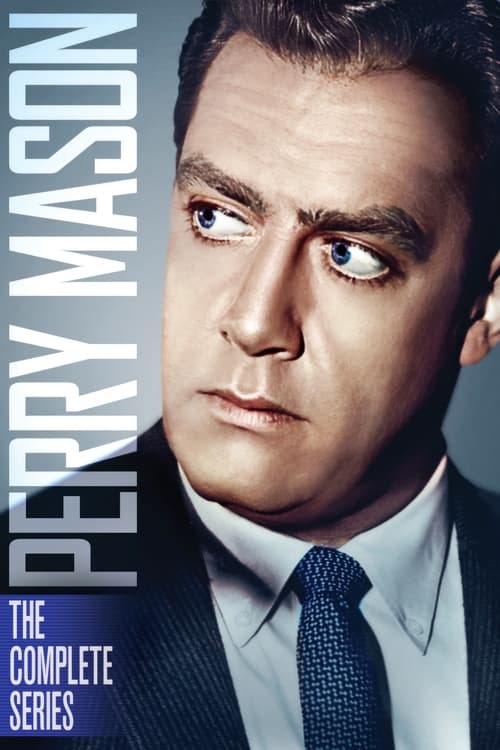
The cases of master criminal defense attorney Perry Mason and his staff who handled the most difficult of cases in the aid of the innocent.
Perry Mason

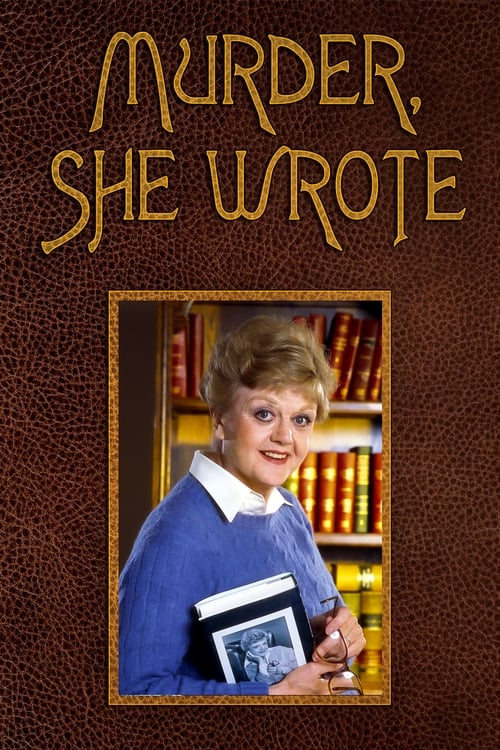
An unassuming mystery writer turned sleuth uses her professional insight to help solve real-life homicide cases.
Murder, She Wrote

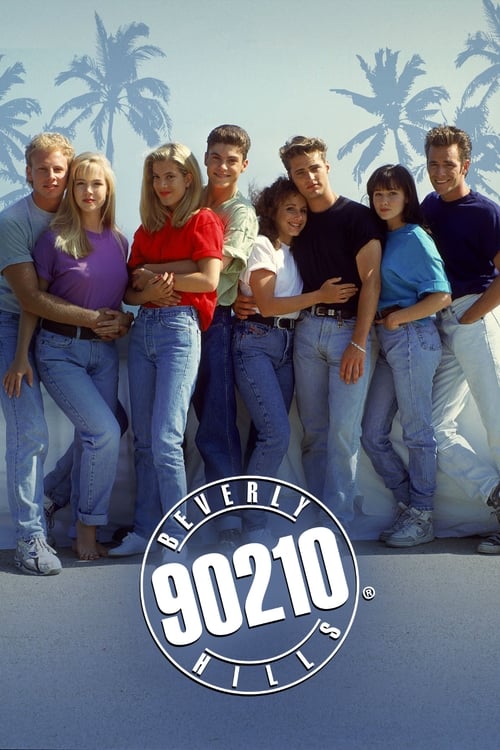
Follow the lives of a group of teenagers living in the upscale, star-studded community of Beverly Hills, California and attending the fictitious West Beverly Hills High School and, subsequently, the fictitious California University after graduation.
Beverly Hills, 90210

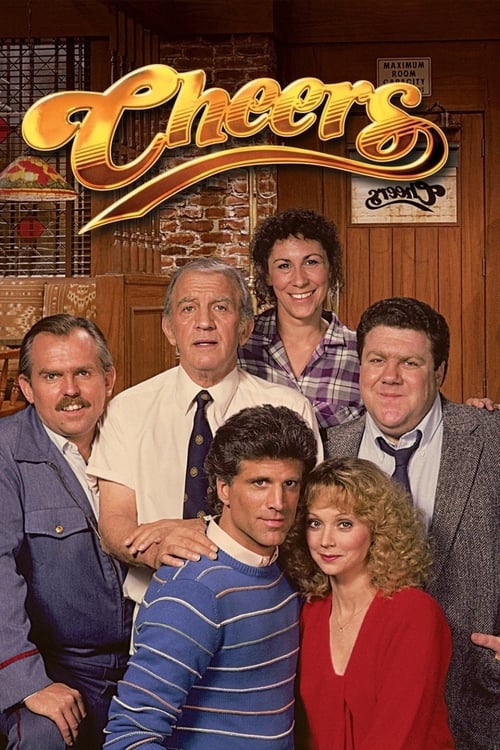
The story about a blue-collar Boston bar run by former sports star Sam Malone and the quirky and wonderful people who worked and drank there.
Cheers

Vowing to avenge the murder of his parents, Bruce Wayne devotes his life to wiping out crime in Gotham City as the masked vigilante "Batman".
Batman: The Animated Series

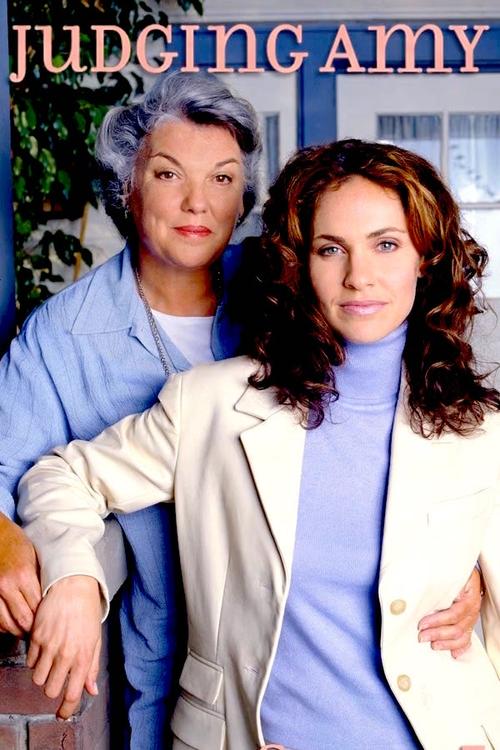
Judging Amy is an American television drama that was telecast from September 19, 1999, through May 3, 2005, on CBS-TV. This TV series starred Amy Brenneman and Tyne Daly. Its main character is a judge who serves in a family court, and in addition to the family-related cases that she adjudicates, many episodes of the show focus on her own experiences as a divorced mother, and on the experiences of her mother, a social worker who works in the field of child welfare. This series was based on the life experiences of Brenneman's mother.
Judging Amy

Follow the lives of a group of students at what is possibly the world’s worst community college in the fictional locale of Greendale, Colorado.
Community

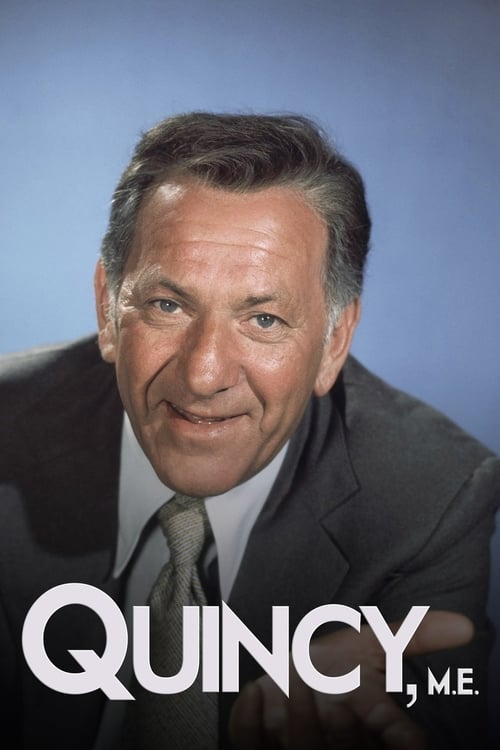
Los Angeles County medical examiner Quincy routinely engages in police investigations.
Quincy, M.E.

An anthology series containing drama, psychological thriller, fantasy, science fiction, suspense, and/or horror, often concluding with a macabre or unexpected twist.
The Twilight Zone

Brothers Brian and Joe Hackett attempt to run an airline on the New England island of Nantucket while surrounded by their various wacky friends and employees.
Wings

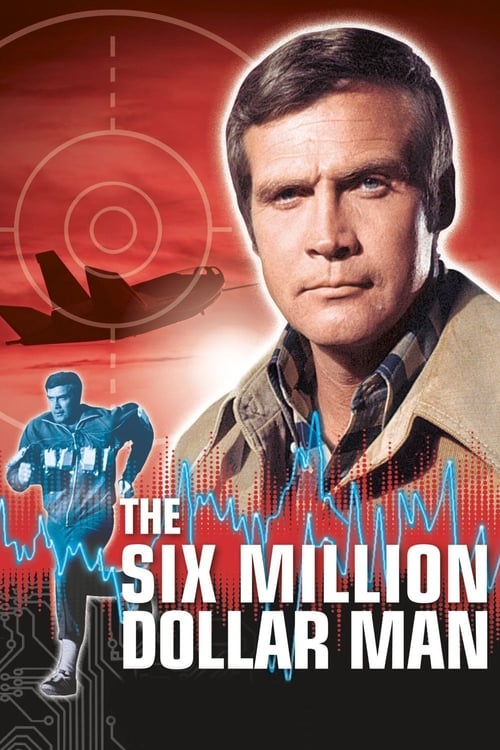
Follow the adventures of Steve Austin, cybernetically enhanced astronaut turned secret agent, employed by the OSI, under the command of Oscar Goldman and supervised by the scientist who created his cybernetics, Rudy Wells. Steve uses the superior strength and speed provided by his bionic arm and legs, and the enhanced vision provided by his artificial eye, to fight enemy agents, aliens, mad scientists, and a wide variety of other villains.
The Six Million Dollar Man

Jed Clampett's swamp is loaded with oil. When a wildcatter discovers the huge pool, Jed sells his land to the O.K. Oil Company and at the urging of cousin Pearl, moves his family to a 35-room mansion in Beverly Hills, California.
The Beverly Hillbillies

Hogan's Heroes is an American television sitcom that ran for 168 episodes from September 17, 1965, to July 4, 1971, on the CBS network. The show was set in a German prisoner of war camp during World War II. Bob Crane starred as Colonel Robert E. Hogan, coordinating an international crew of Allied prisoners running a Special Operations group from the camp. Werner Klemperer played Colonel Wilhelm Klink, the commandant of the camp, and John Banner was the inept sergeant-of-the-guard, Hans Schultz. The series was popular during its six-season run. In 2013, creators Bernard Fein through his estate and Albert S. Ruddy acquired the sequel and other separate rights to Hogan's Heroes from Mark Cuban through arbitration and a movie based on the show has been planned.
Hogan's Heroes

The Bradley family are proud owners of the Shady Rest Hotel. Kate and her three young daughters do the job of running the hotel.
Petticoat Junction

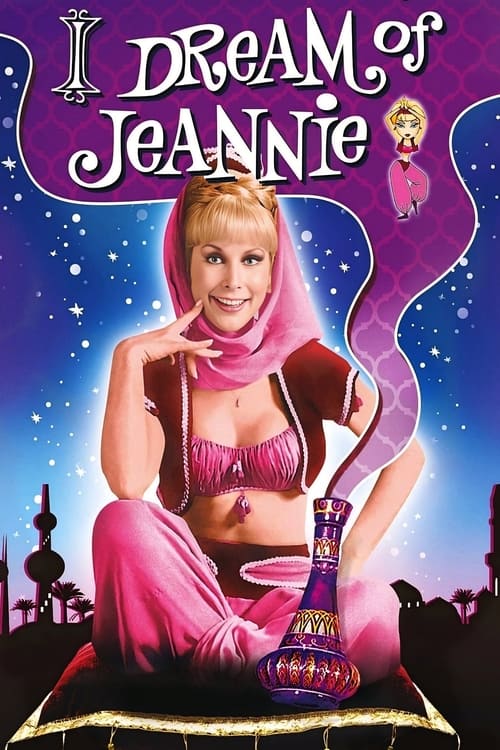
While on a mission, American astronaut Captain Tony Nelson is forced to make an emergency landing that will forever change his life. On a deserted South Pacific island, Captain Nelson happens upon a bottle containing a beautiful two-thousand-year-old female genie named Jeannie. Rescuing her from the bottle nets Tony the requisite three wishes, and then some, when Jeannie pledges total devotion to her new "master".
I Dream of Jeannie

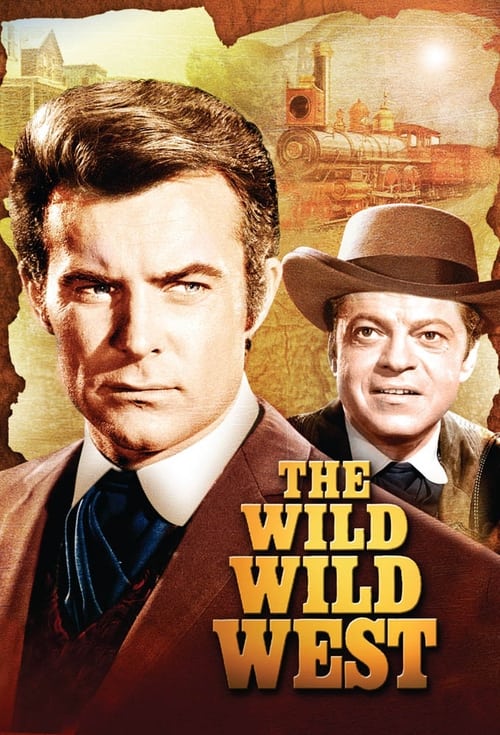
The Wild Wild West is an American television series. Developed at a time when the television western was losing ground to the spy genre, this show was conceived by its creator, Michael Garrison, as "James Bond on horseback." Set during the administration of President Ulysses Grant, the series followed Secret Service agents James West and Artemus Gordon as they solved crimes, protected the President, and foiled the plans of megalomaniacal villains to take over all or part of the United States. The show also featured a number of fantasy elements, such as the technologically advanced devices used by the agents and their adversaries. The combination of the Victorian era time-frame and the use of Verne-esque style technology have inspired some to give the show credit for the origins of the steam punk subculture.
The Wild Wild West

Felicity Porter, a sensitive and intelligent girl from the San Francisco Bay Area, decides to give up a slot at Stanford University's pre-med program to follow her long time crush to college in New York City. Things get even more complicated when she meets her dorm's resident advisor and they fall in love.
Felicity

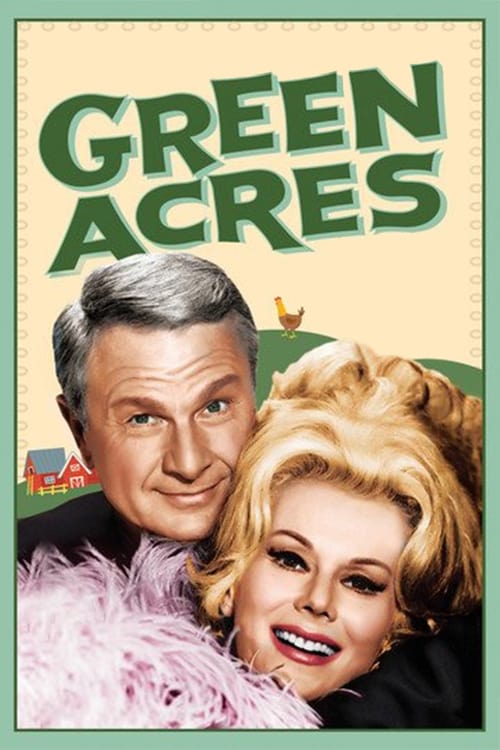
Green Acres is an American sitcom starring Eddie Albert and Eva Gabor as a couple who move from New York City to a rural country farm. Produced by Filmways as a sister show to Petticoat Junction, the series was first broadcast on CBS, from September 15, 1965 to April 27, 1971. Receiving solid ratings during its six-year run, Green Acres was cancelled in 1971 as part of the "rural purge" by CBS. The sitcom has been in syndication and is available in DVD and VHS releases. In 1997, the two-part episode "A Star Named Arnold is Born" was ranked #59 on TV Guide's 100 Greatest Episodes of All Time.
Green Acres

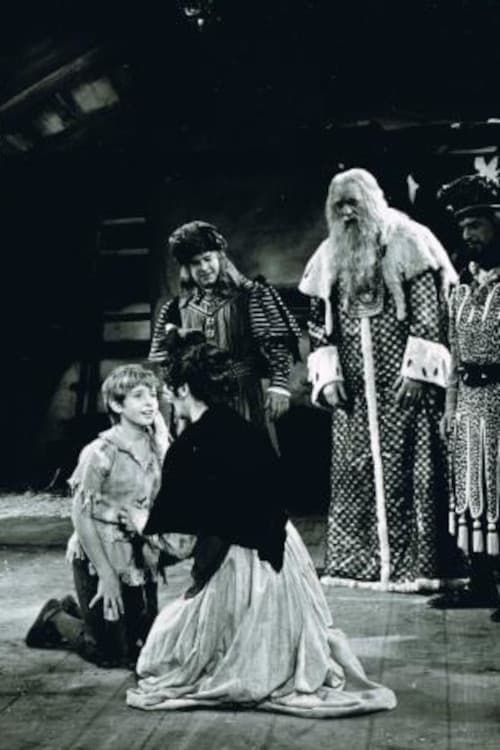
Matinee Theater is an American anthology series that aired on NBC during the Golden Age of Television, from 1955 to 1958. The series, which ran daily in the afternoon, was frequently live. It was produced by Albert McCleery, Darrell Ross, George Cahan and Frank Price with executive producer George Lowther. McCleery had previously produced the live series Cameo Theatre which introduced to television the concept of theater-in-the-round, TV plays staged with minimal sets. Jim Buckley of the Pewter Plough Playhouse recalled: When Al McCleery got back to the States, he originated a most ambitious theatrical TV series for NBC called Matinee Theater: to televise five different stage plays per week live, airing around noon in order to promote color TV to the American housewife as she labored over her ironing. Al was the producer. He hired five directors and five art directors. Richard Bennett, one of our first early presidents of the Pewter Plough Corporation, was one of the directors and I was one of the art directors and, as soon as we were through televising one play, we had lunch and then met to plan next week’s show. That was over 50 years ago, and I’m trying to think; I believe the TV art director is his own set decorator —yes, of course! It had to be, since one of McCleery’s chief claims to favor with the producers was his elimination of the setting per se and simply decorating the scene with a minimum of props. It took a bit of ingenuity.
Matinee Theater

Laura Holt, a licensed private detective, opens a detective agency but finds that potential clients refuse to hire a woman, however qualified. To solve the problem, Laura invents a fictitious male superior whom she names Remington Steele. Through a series of events that unfold in the first episode, "License to Steele," a former thief and con man, whose real name is never revealed, assumes the identity of Remington Steele. Behind the scenes, Laura remains firmly in charge.