Laura Israel
Editing
Biography
Laura Israel cut her teeth editing award-winning commercials and music videos while still a film student at NYU. By the time she graduated she had formed her own editorial company, Assemblage. Her client list included: John Lurie, Lou Reed, Patti Smith, Keith Richards, Sonic Youth, New Order, Ziggy Marley, David Byrne, artists Laurie Simmons and Robert Frank. The films she edited with Frank have screened all over the world and won many awards. WINDFALL, her debut doc, premiered at the Toronto International Film Festival and won top prize at Doc NYC. A NY Times Critics Pick, the paper dubbed it “Urgent, informative and artfully assembled”. WINDFALL is distributed by First Run Features, and Ms. Israel was named in Filmmaker Magazine’s 2011 “25 New Faces of Independent Film”.
Known For

Musician John Lurie knows nothing about fishing, but that doesn't stop him from embarking on fishing in exotic locations with friends.
Fishing with John

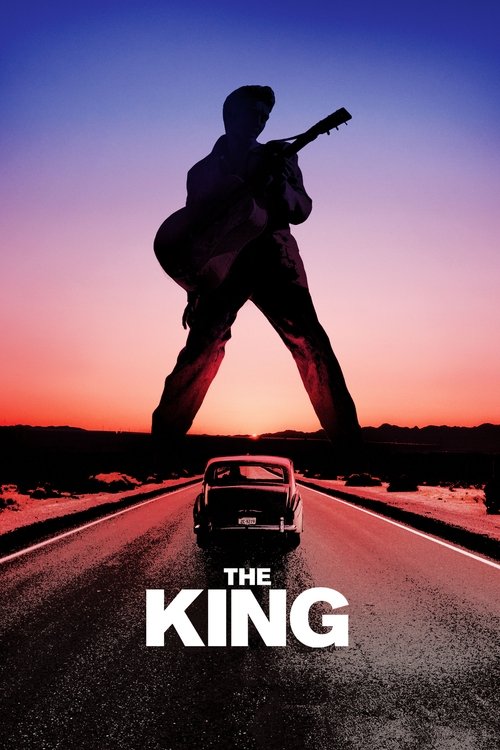
A cultural portrait of the American dream at a critical time in the nation’s history. Set against the 2016 American election, The King takes a musical road trip across the country in Elvis Presley's 1963 Rolls Royce.
The King

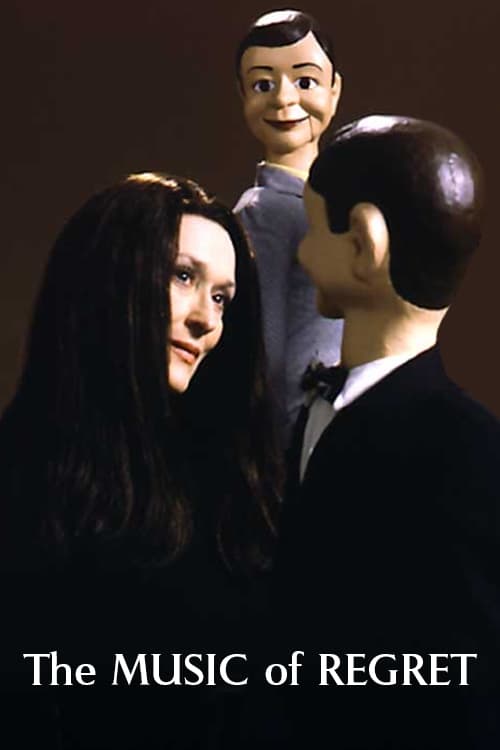
Simmons, best-known for her photographs of miniature rooms populated by dolls and of oversized objects—such as a house, birthday cake, and pistol—balanced on female legs, both human and fake, brings these characters to life in a three-act mini-musical. The film is inspired by three distinct periods of Simmons’s photographic work: vintage hand puppets, ventriloquist dummies and walking objects enact tales of ambition, disappointment, love, loss, and regret. Working with composer Michael Rohaytn ("Personal Velocity") and cameraman Ed Lachman ("The Virgin Suicides" and "Far From Heaven"), Simmons’s puppets come to life in miniature domestic scenes that echo real life.
The Music of Regret

An elliptical, poetic film about an American woman sportswriter who wanders around Paris remembering traumatic experiences in her life.
Souvenir

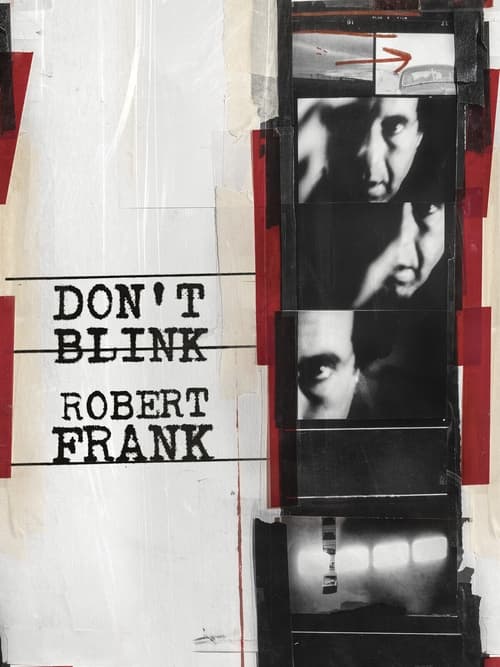
The life and work of Robert Frank—as a photographer and a filmmaker—are so intertwined that they're one in the same, and the vast amount of territory he's covered, from The Americans in 1958 up to the present, is intimately registered in his now-formidable body of artistic gestures. From the early '90s on, Frank has been making his films and videos with the brilliant editor Laura Israel, who has helped him to keep things homemade and preserve the illuminating spark of first contact between camera and people/places. Don't Blink is Israel's like-minded portrait of her friend and collaborator, a lively rummage sale of images and sounds and recollected passages and unfathomable losses and friendships that leaves us a fast and fleeting imprint of the life of the Swiss-born man who reinvented himself the American way, and is still standing on ground of his own making at the age of 90.
Don't Blink - Robert Frank

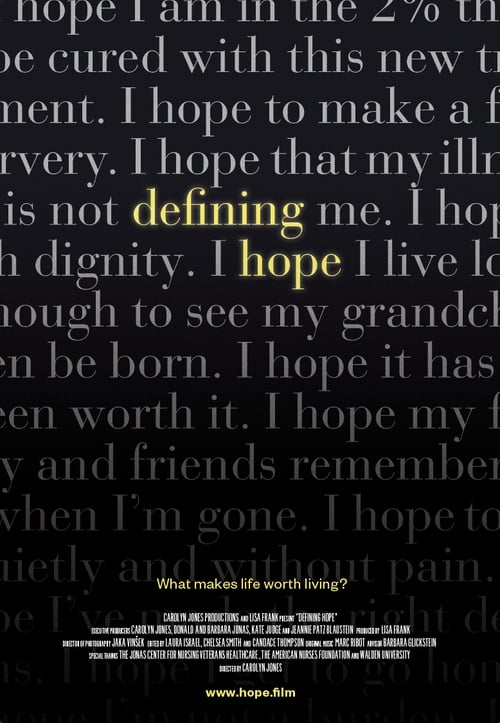
We aren't dying the way we used to. We have ventilators, dialysis machines, ICUs-technologies that can "fix" us and keep our bodies alive-which have radically changed how we make medical decisions. In our death-denying culture, no matter how sick we get, there is always "hope." Defining Hope tells the story of patients dealing with life-threatening illness as they move between ICUs, operating rooms, hospice care and home. Diane is a nurse caring for end-stage cancer patients when she is diagnosed with ovarian cancer herself. 23-year-old Alena undergoes a risky brain surgery that destroys her short-term memory. 95-year-old Berthold lives with his elderly wife who struggles to honor his wish of dying peacefully at home. Defining Hope follows these patients and others- and the nurses that guide them along the way- as they face death, embrace hope, and ultimately redefine what makes life worth living.
Defining Hope

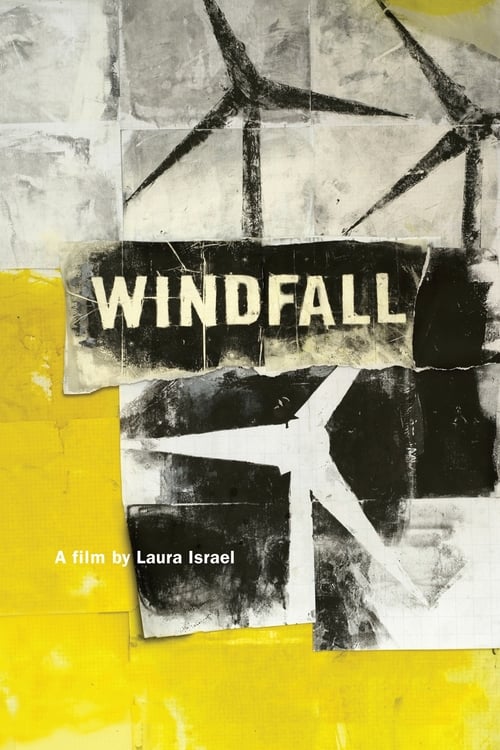
Wind power... It's green... It's good... It reduces our dependency on foreign oil... That's what the people of Meredith, in upstate New York first thought when a wind developer looked to supplement this farm town's failing economy with a farm of their own — that of 40 industrial wind turbines. Attracted at first to the financial incentives, residents grow increasingly alarmed as they discover side effects they never dreamed of, as well as the potential for disturbing financial scams. With wind development growing rapidly at 39% annually in the US, WINDFALL is an eye-opener for anyone concerned about the future of renewable energy.
Windfall

When his rented lot is snatched up by an opportunistic real estate mogul, Eddie Miranda and his Coney Island ride the Zipper become casualties of a power struggle between the developer and the City of New York over the future of the world-famous destination.
Zipper: Coney Island's Last Wild Ride

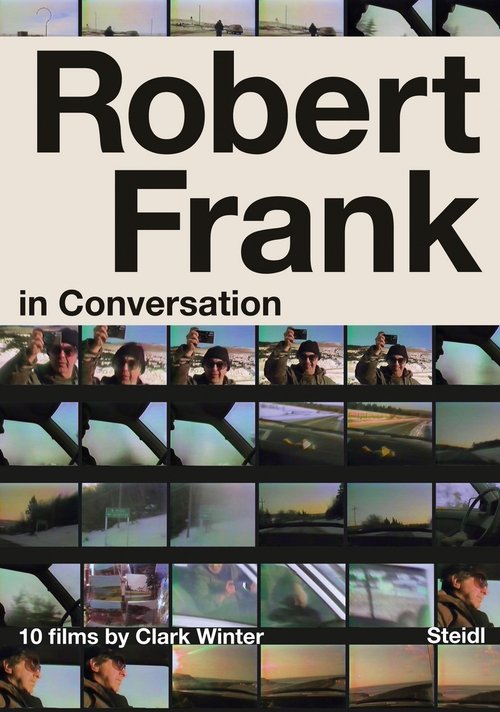
An artist in his own right, Clark Winter captured the intimacy of his longtime friendships with Robert Frank and June Leaf in a series of videos shot over nearly 30 years in New York and Nova Scotia. These are a precious record of the married couple’s seemingly inseparable—yet resolutely independent—home and work lives. Today, Winter serves as one of only three board members of the June Leaf and Robert Frank Foundation. — Museum of Modern Art
Robert Frank in Conversation with Clark Winter: 10 Films

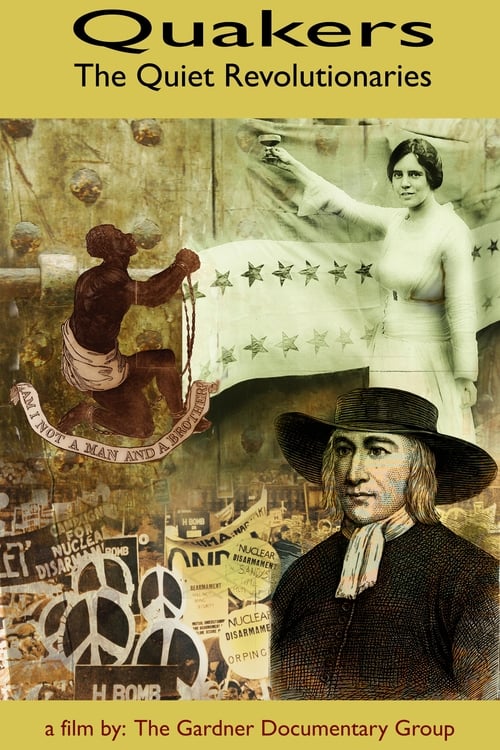
Following seven iconic Quakers, the film takes us from England in 1652, where Quakers were persecuted, tortured and even killed, to their arrival in the New World. They founded a state run on Godly principles – the Holy Experiment, envisioned by young William Penn. He welcomed everyone to Pennsylvania, where they could worship freely. Their testimonies of equality, integrity, community and peace are fundamental to Quakers today.
Quakers: The Quiet Revolutionaries

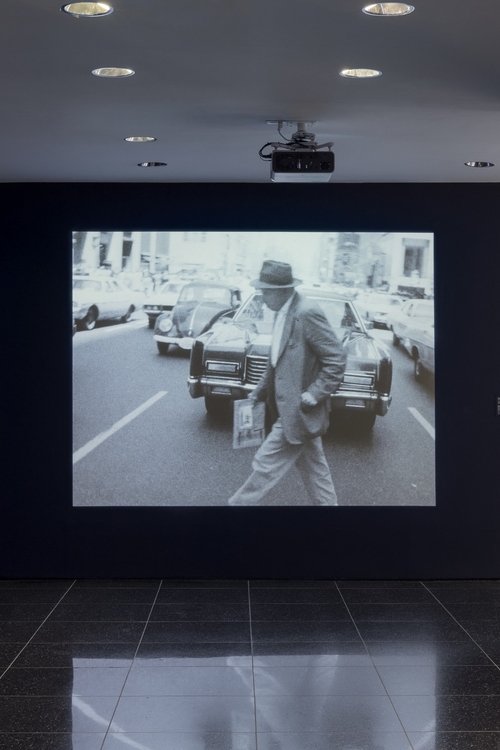
Super 8, 16mm film, and video transferred to HD video (six-channel projection, color and black and white, sound). Like many artists, Frank kept diaries and scrapbooks, which provide a window into his interior life. Similarly, the raw footage used in this installation sheds new light on Frank’s artistic process, stitched together by Israel and Bingham in a way that evokes his restless gaze and declamatory voice, at once comical and melancholy. He journeys between his homes in New York and Nova Scotia; the open roads of the United States and Canada; and urban landscapes, including those of Beirut, Cairo, Moscow, and his native Switzerland. Frank makes timeless the most fleeting of pleasures: a warm bath and a steaming tea kettle, a glimpse of his wife June Leaf in her studio, or the play of sunlight on his hand. — Museum of Modern Art
Robert Frank's Scrapbook Footage, 1970–2006

In his latest film, Braden King ponders the Geneva Freeport, a warehouse complex in Switzerland that is said to house over 1 million works of art. A high-security tax haven for international dealers and collectors, the Freeport's exact contents remain a mystery to the general public. As people crossing borders are more to more and greater scrutiny, NATIONAL DISINTEGRATIONS examines what it means to have untold amounts of wealth and property flow freely through this extralegal space.
National Disintegrations

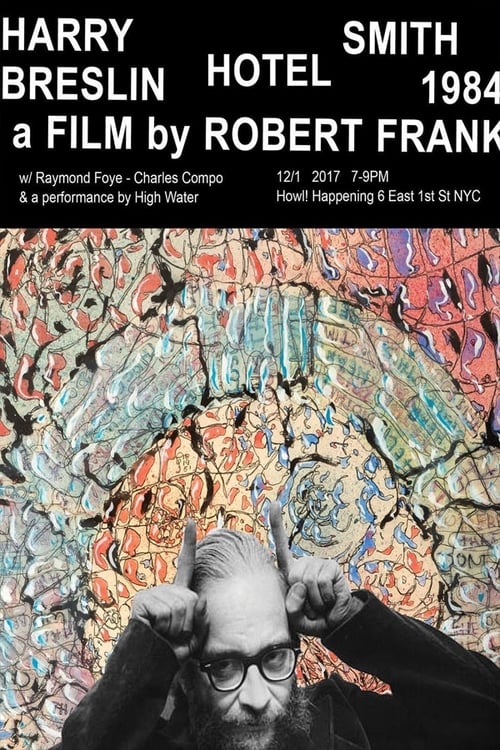
The 94-year-old Robert Frank’s unique recordings of his fellow artists Harry Smith and Allen Ginsberg, which he had salvaged from his own archive for Harry Smith at the Breslin Hotel.
Harry Smith at the Breslin Hotel
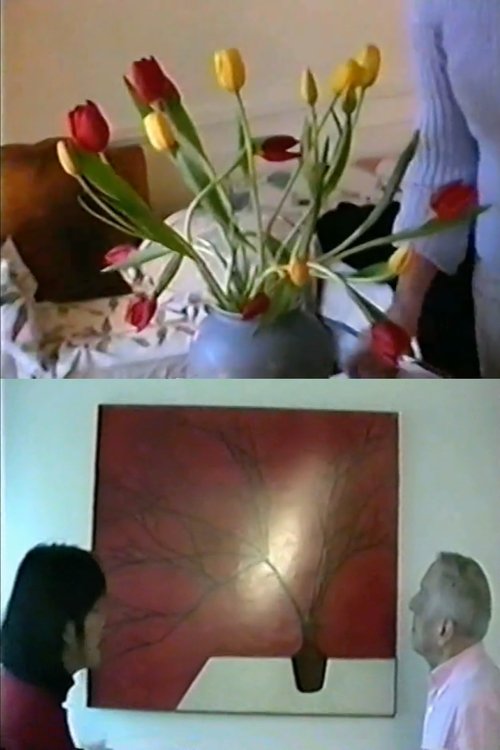
Simple objects, photographs, and events prompt Frank to self-conscious rumination. From his homes in New York and Nova Scotia and on visits to friends, the artist contemplates his relationships, the anniversary of his daughter's death, his son's mental illness, and his work.
The Present

Sanyu (1901-1964), an important Chinese artist, was a friend of Robert Frank's who died in anonymity in Paris. In this film portrait, Frank creates a requiem that includes dramatic and documentary scenes set in Paris, and a chronicle of his trip to Taipei to attend Sotheby's auction of the paintings Sanyu left him.
Sanyu

After Robert Frank’s death in 2019, film canisters and video tapes were discovered in storage places, containing footage of Frank’s reflections on the world and his place in it, scraps of ideas, and stirrings of art. These moving images, only now being brought to light, offer insight into the home and work life of an artist who is foremost known for the photographs he took of the postwar United States. Partnering with the June Leaf and Robert Frank Foundation, Laura Israel, Frank’s longtime film editor, and art director Alex Bingham have used these fragments to create a kind of moving-image scrapbook. Featuring projections across multiple screens, the installation conveys the intimacy and immediacy of Frank’s observations of family, friends, and collaborators, as well as of domestic interiors and vistas of city and coastline. To capture this footage, which spans 1970 to 2006, Frank spent countless hours behind the viewfinders of various film and video cameras. — Museum of Modern Art
Robert Frank's Scrapbook Footage: New York 1971
What was it like working with Robert Frank? Laura Israel and Alex Bingham, in partnership with the June Leaf and Robert Frank Foundation, asked a number of his collaborators in photography and filmmaking to reflect on this deceptively simple question. Sid Kaplan, June Leaf, Ed Grazda, Gary Leon Hill, Susan Steinberg, Brian Graham, Ayumi Furuta (A-chan), Ed Lachman, and Tom Jarmusch all make appearances. — Museum of Modern Art
Fearless Frank
Dedicated from one great photographer to another, I Remember reenacts an afternoon spent with Alfred Steiglitz. Robert Frank plays Steiglitz, Frank is played by the artist Jerome Souther, and Frank’s artist wife June Leaf plays Steiglitz’s own artist wife Georgia O’Keeffe (the two women bear an uncanny resemblance). Together, the three share in simple domestic pleasures, the “hospitality, the wood stove in the kitchen, chicken for lunch, Steiglitz waiting for the sun to appear through the clouds.” — Museum of Modern Art