Sadao Yamanaka
Directing
Biography
Sadao Yamanaka (山中 貞雄, Yamanaka Sadao, November 7, 1909 – September 17, 1938) was a Japanese film director and screenwriter who directed 26 films between 1932 and 1938. He was a contemporary of Yasujirō Ozu, Mikio Naruse and Kenji Mizoguchi and one of the primary figures in the development of the jidaigeki, or historical film. Yamanaka began his career in the Japanese film industry at the age of 20 as a writer and assistant director for the Makino company. In 1932, he began working for Kanjuro Productions, a small, independent film company similar to many others founded during the same period as it was centered around a popular jidaigeki film star, this time Kanjuro Arashi. Here, he began directing his first films, all of which were jidaigeki. During his first year at Kanjuro, he made six films. He was "discovered" by the critic Matsuo Kishi and gained a reputation for creating films that escaped clichés and focused on social injustices. Early on, he had stated an interest in blurring the lines between several genres: comedy, historical epics, and comedy-dramas focusing on average people. Viewers and critics note in his surviving films the genesis of ideas later explored by the internationally successful Akira Kurosawa, Kenji Mizoguchi, Yasujirō Ozu and Seijun Suzuki. He formed the Narutaki-gumi with his friends, and they wrote under the pseudonym Kimpachi Kajiwara. Yamanaka has been characterized as a minimalist, one whose style favoured elegance and rhythm. During the 1930s he moved between several film companies, eventually settling in Kyoto and working for the Nikkatsu Company. Most of his films were silent films as sound did not gain a prominence in Japan until 1935-36. He worked twice with the Japanese theatre troupe Zenshin-za: first on The Village Tattooed Man (Machi no Irezumi-mono, 1935) and on his final film, Humanity and Paper Balloons. Yamanaka died of dysentery in Manchuria after being drafted into the Imperial Japanese Army. He is the uncle of the Japanese film director Tai Kato, who wrote a book about Yamanaka, Eiga kantoku Yamanaka Sadao. Only three of his films survive in nearly complete form. Description from the Wikipedia article Sadao Yamanaka, licensed under CC-BY-SA.
Known For

Lord Taro must deliver a money chest but is robbed by brigands led by Jibu. One of Jibu's men, Rokuro, steals the money from Jibu, but after meeting and befriending Taro, Rokuro decides to return the money to Taro. But Taro's unscrupulous brother Jiro falsely accuse Taro of the theft, and Taro reactively joins the outlaw band and encourages them to steal from the nobles and give to the poor.
Saga of the Vagabonds

A boy steals a knife from an old samurai, unaware of its value, setting off a strange chain of events.
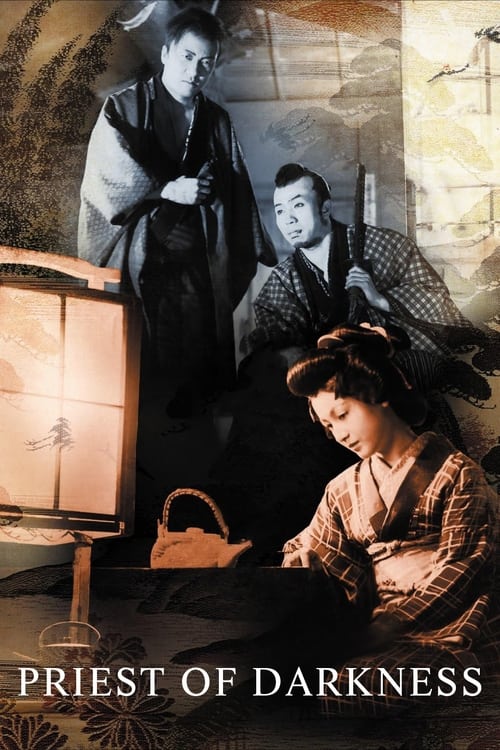
Priest of Darkness

In a slum in Edo Japan, a ronin hopes that his deceased father's former master will hire him while a disgraced hairdresser attempts to regain his pride by kidnapping the daughter of a wealthy pawnbroker, who is set to be married.
Humanity and Paper Balloons
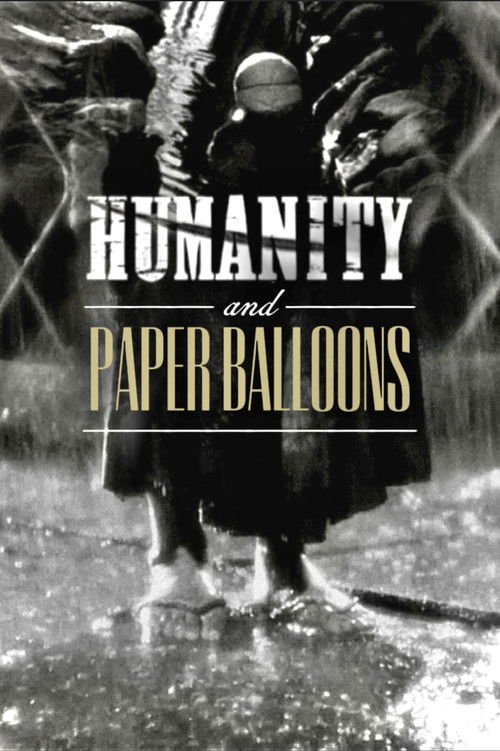
This film tells the story of a ronin's search for his parents, but primarily is a group portrait of life in a Tokugawa-era tenement. Considered a lost film.
The Elegant Swordsman
Jirokichi the Rat is a notorious thief. While on the run from the law, he discovers an unexpectedly honorable side of himself, and maybe some form of redemption. Considered a lost film.
Jirokichi the Rat-Kid: Edo Reel

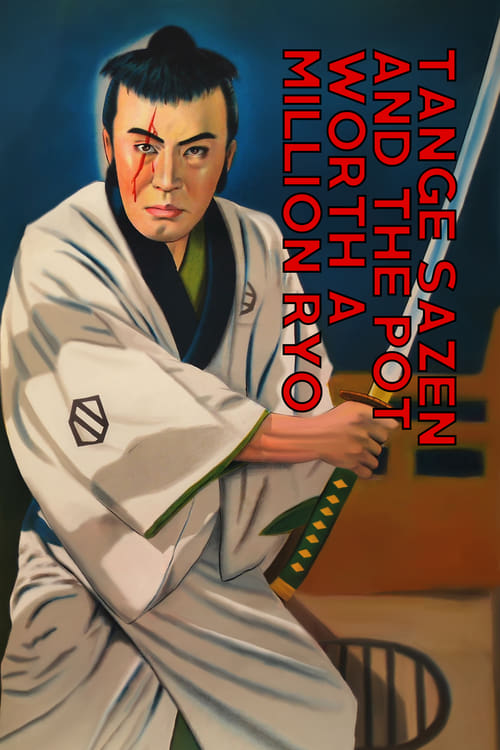
A man gets rid of a cheap pot without knowing it contains a map to a treasure. As word spreads, many join in hunting it.
Tange Sazen and the Pot Worth a Million Ryo

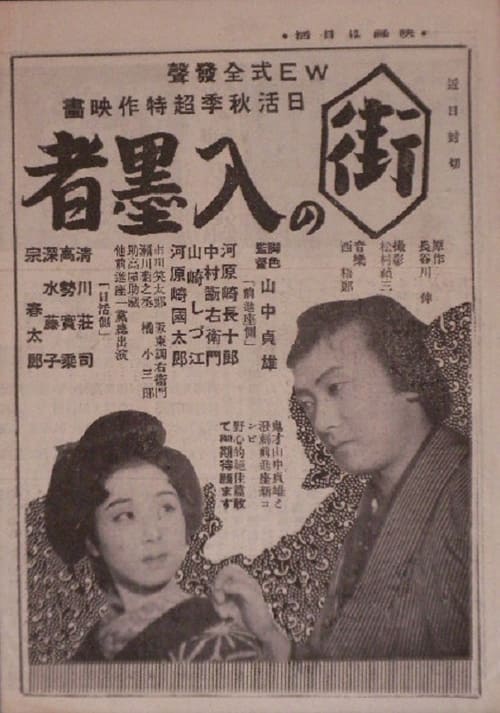
A tragic period film about a gangster who comes out of prison and finds it hard to find a place again in society. Considered a lost film.
The Village Tattooed Man

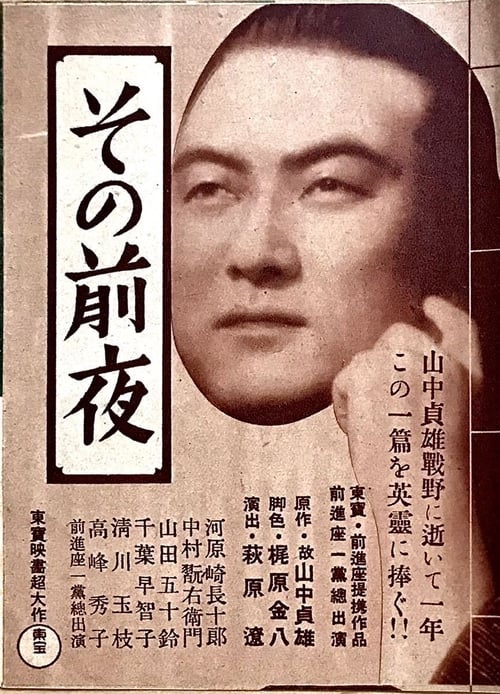
A forceful indictment of the devastating effects of war and nationalistic fanaticism on the average man, who, in the face of the absurdity of violence, is reduced to apathy or victimhood.
The Day Before

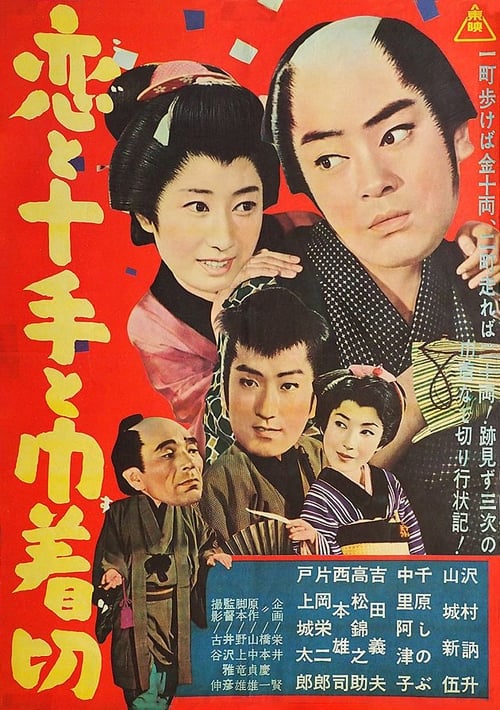
No description available.
Love And Order

Japanese historical film. Considered Lost.
Kunisada Chūji

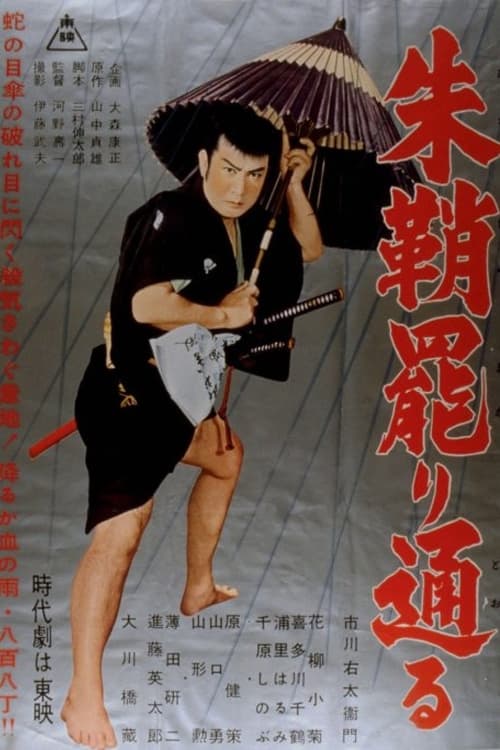
No description available.
Red-Lacquered Sword
A story about Kinsaburo Kamiya, who infiltrated the Satsuma clan at the end of the Edo period. Based on the novel "Satsuma Hikyaku" by Jiro Daibutsu, and a sequel to Satsuma Hikyaku Tokai Hen (Satsuma Courier: Eastern Sea Story) directed by Daisuke Ito in 1932
Satsuma Courier Part 2: The Passionate Sword
No description available.
Gantaro Path
The film recounts the tragedy of a young outlaw. Considered a lost film.
Ishimatsu from the Forest
No description available.
Ogasawara Ikinokami

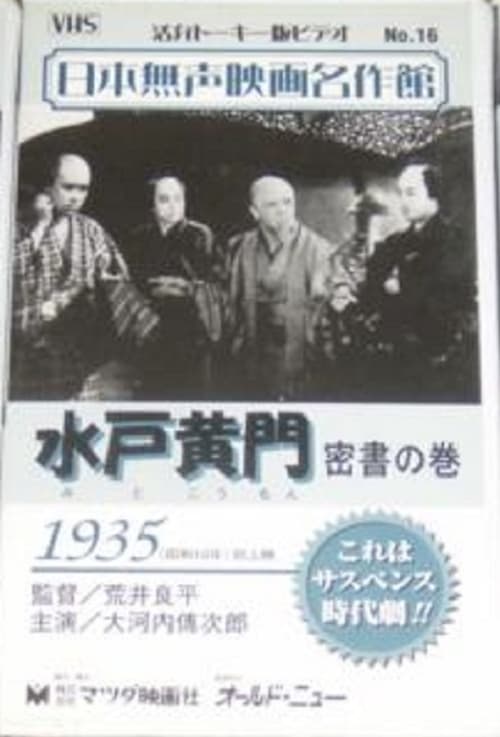
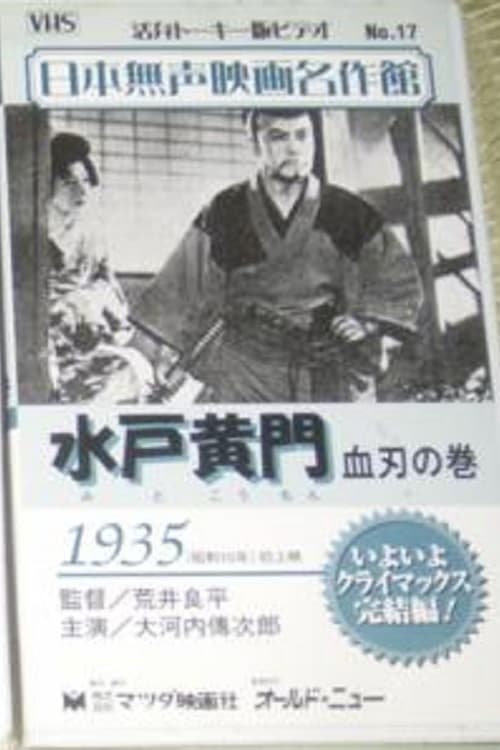
Final installment of the Okochi / Arai / Yamanaka Mito Komon series and just as good as the others (a good deal longer, as well). Again, this film like the other two is similar in tone and spirit to the Yamanaka Tange Sazen film and would appeal to fans of that film.
Mito Komon - The Bloody Swords

Yamanaka Sadao's fourth feature film. The Life of Bangaku
Bangaku no issho

An important silent film survives, Kumahiko Nishina's Umon torimonocho rokuban tegara jinenji kidan (The Samurai Detective, aka The Detective Records of Umon, aka Detective Umon Diary: Exploit Number Six, 1930). Umon on his shining white horse stops a conspiracy against the Shogun. Umon was played by Kanjuro Arashi in this early film, & long after in the post-Occupation jidaigeki revival he reprised the role in Kajiro Yamamoto's Muttsuri Umon torimonocho (1955), helping to launch the renewed interest in such films.
Detective Umon's Diary, Story No. 6

Adaptation of the novel by Osaragi Jirō.
Mito Kômon: Rai Kunitsugu no maki
A lost film that tells a story of Jirokichi, a notorious thief