Art
No description available.
In this film, the people of a Tyrolean town climb up into the nearby mountains, searching for a place where they can hold a picnic and a spring festival: ideally, a place where they can eventually erect dwellings and cultivate crops. Led by the local nobleman (Arthur Ehrens), they find an appropriate spot, and the festivities begin. Some children briefly perform a charming folk dance. Suddenly the Rübezahl arrives and threatens to kill all the townsfolk if they don't leave immediately.
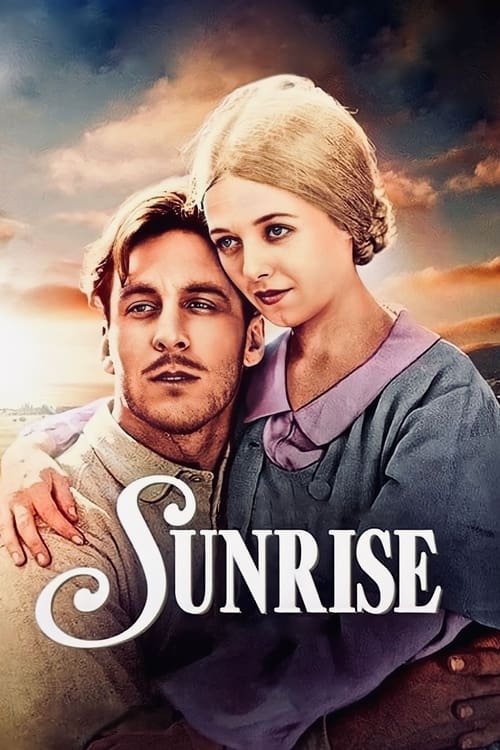
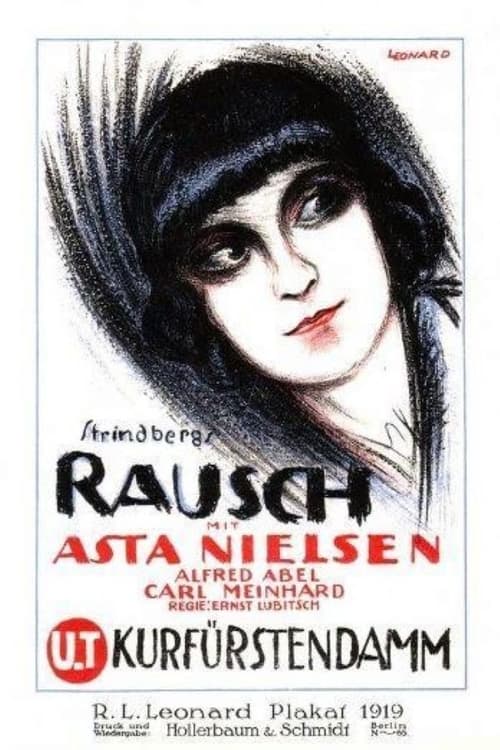
A married farmer falls under the spell of a slatternly woman from the city, who tries to convince him to drown his wife.
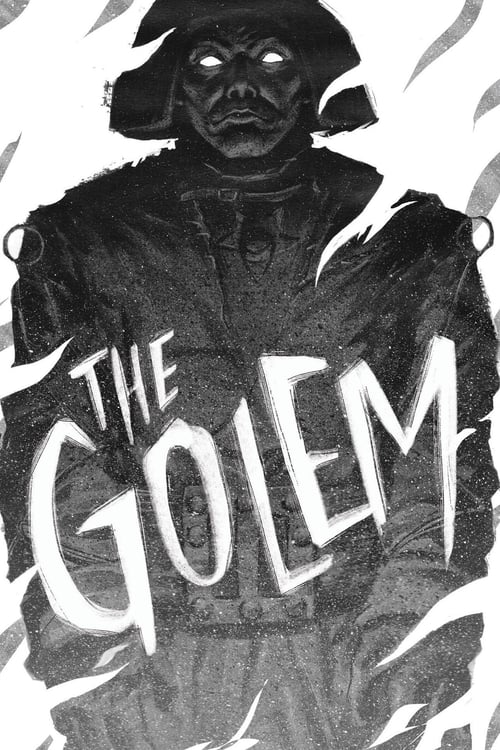
In 16th-century Prague, a rabbi creates the Golem - a giant creature made of clay. Using sorcery, he brings the creature to life in order to protect the Jews of Prague from persecution.
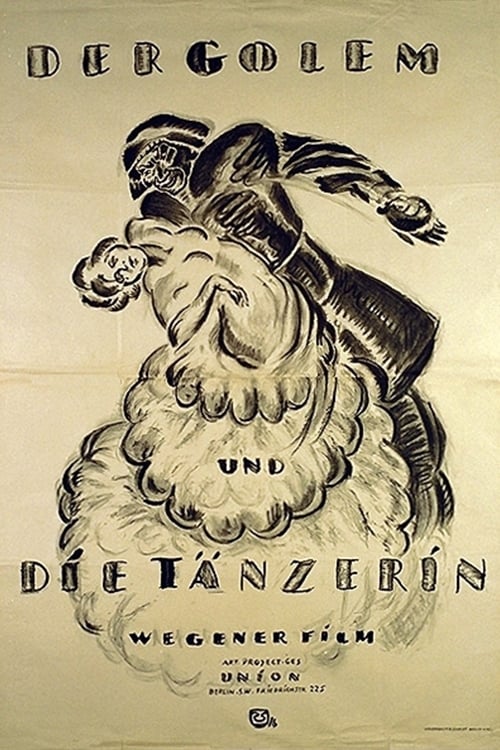
This mostly lost film is often confused with director Paul Wegener third and readily available interpretation of the legend; Der Golem, wie er in die Welt kam (1920). In this version of the golem legend, the golem, a clay statue brought to life by Rabbi Loew in 16th century Prague to save the Jews from the ongoing brutal persecution by the city's rulers, is found in the rubble of an old synagogue in the 20th century. Brought to life by an antique dealer, the golem is used as a menial servant. Eventually falling in love with the dealer's wife, it goes on a murderous rampage when its love for her goes unanswered.
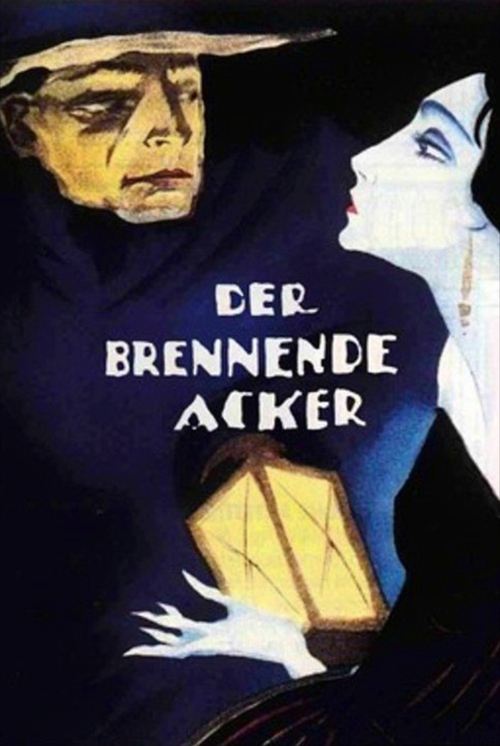
When farmer Rog dies, his eldest Peter takes over the farm while his youngest Johannes is determined for a better life: he becomes secretary to Count Rudenberg and starts courting his daughter Gerda. When he learns that the Count, who is terminally ill, has bequeathed a piece of land under which lies a petroleum field to his second wife, he courts her instead.
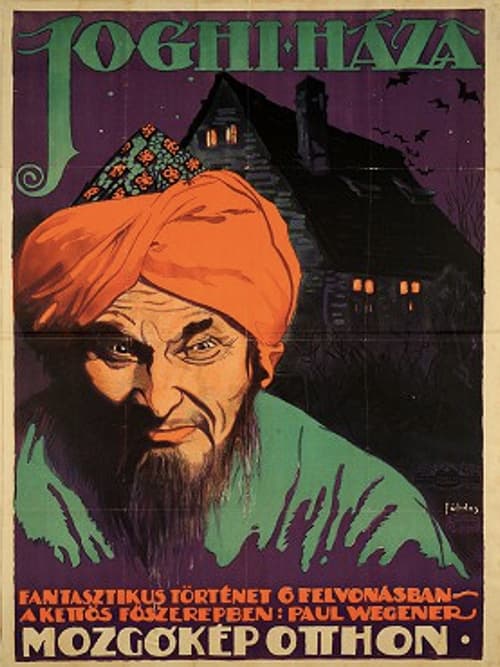
An Indian mystic uses his power of invisibility to scare a young inventor.
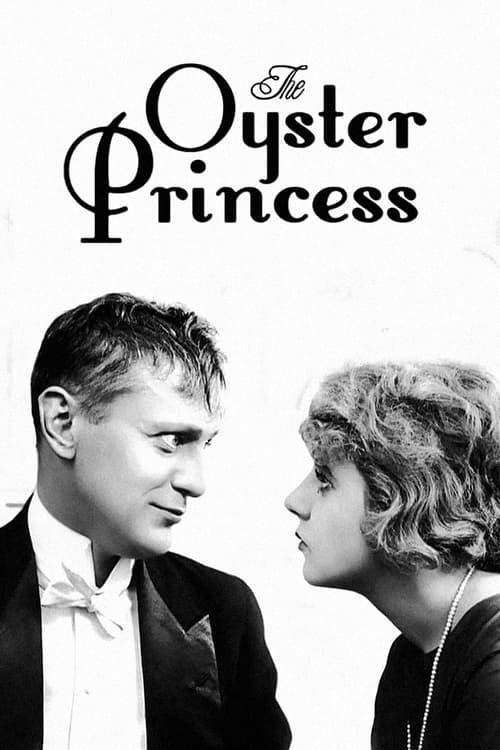
A pampered American oyster tycoon decides to buy a husband for his daughter, but things don’t go quite as planned. Along the way there are mishaps, misunderstandings and a foxtrot sequence that must be seen to be believed.
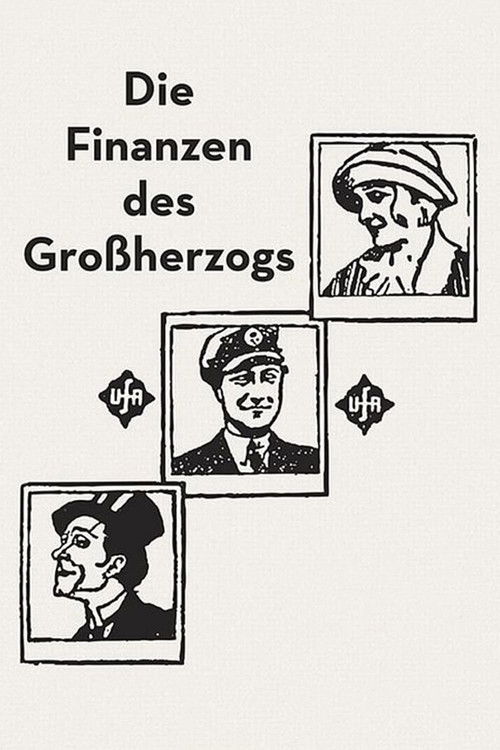
The likeable and carefree Grand Duke of Abacco is in dire straits. There is no money left to service the State's debt; the main creditor is looking forward to expropriating the entire Duchy. The marriage with Olga, Grand Duchess of Russia, would solve everything, but a crucial letter of hers about the engagement has been stolen. Besides, a bunch of revolutionaries and a dubious businessman have other plans regarding the Grand Duke. With the intrusion of adventurer Philipp Collins into the Grand Duke's affairs, a series of frantic chases, plots and counter-plots begins.
As a practical joke, an actor impersonates the screen monster he made famous. A lost film.
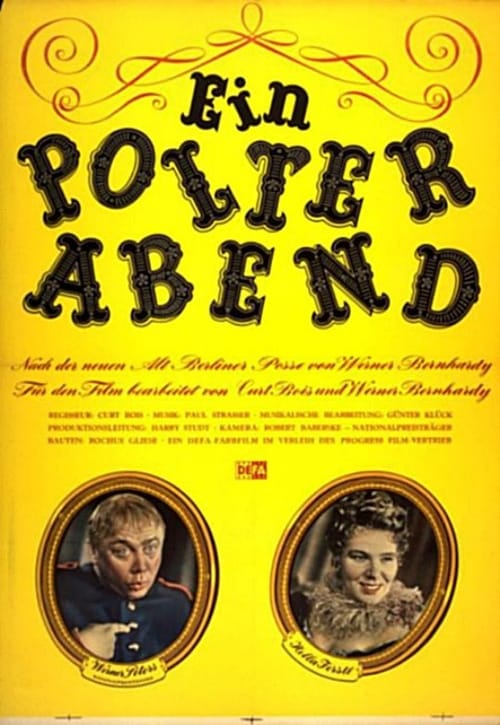
Berlin 1849: The democrat Adolf Glasbrenner, known as Brennglas, publishes the political satire magazine "Phosphor" on a shoestring budget. He plans to marry his lover, the actress Adele Peroni. But the plan comes to a standstill when Adele is to make a guest appearance at the reactionary Royal Prussian Playhouse. A democratic journalist marrying a court actress? Impossible! Together with his friend Pulecke, Brennglas tries to disrupt Adele's performance with a bachelor party...
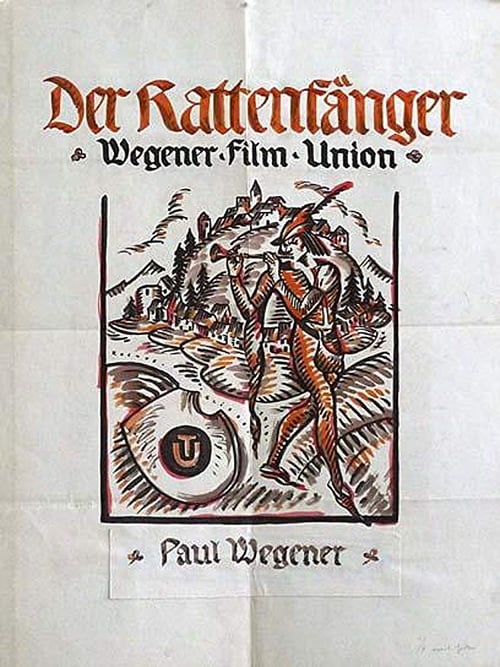
A traveler comes into a town overrun with rats and vermin. He promises to free the place of the pests and names his price. When the townspeople refuse to pay him after he has done what he promised, he plays his tune again with consequences. This film survives in incomplete/fragmentary form.
A man sells his shadow to gain success and fame but soon suffers the terrible consequences of that deal.
Gaston finally succeeds as a dramatist and decides to leave his wife and child for another woman. When the child dies, the finger is pointed at him and he winds up as a destitute before all is revealed. This film is considered lost.