FEEL IT.STREAM
John Denver

John Denver

Acting

Biography

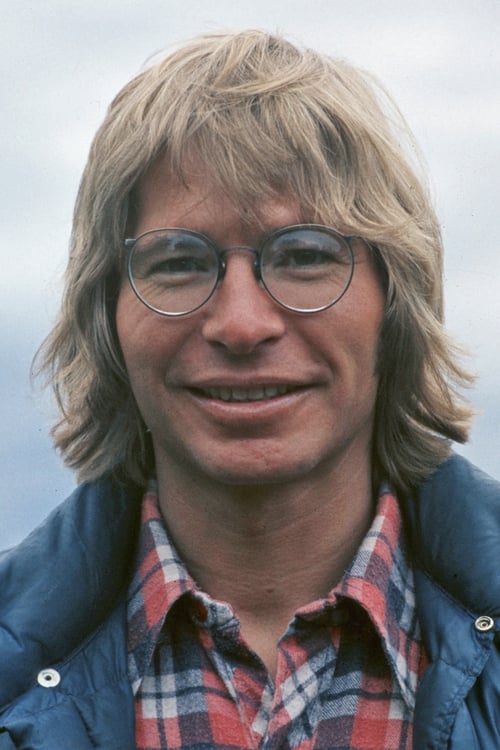
Henry John Deutschendorf Jr. (December 31, 1943 – October 12, 1997), known professionally as John Denver, was an American singer-songwriter, record producer, actor, activist, and humanitarian, whose greatest commercial success was as a solo singer. After traveling and living in numerous locations while growing up in his military family, Denver began his music career with folk music groups during the late 1960s. Starting in the 1970s, he was one of the most popular acoustic artists of the decade and one of its best-selling artists. By 1974, he was one of America's best-selling performers, and AllMusic has described Denver as "among the most beloved entertainers of his era". Denver recorded and released approximately 300 songs, about 200 of which he composed, with total sales of over 33 million records worldwide. He recorded and performed primarily with an acoustic guitar and sang about his joy in nature, his disdain for city life, his enthusiasm for music, and his relationship trials. Denver's music appeared on a variety of charts, including country music, the Billboard Hot 100, and adult contemporary, in all earning 12 gold and four platinum albums with his signature songs "Take Me Home, Country Roads", "Annie's Song", "Rocky Mountain High", "Calypso", "Thank God I'm a Country Boy", and "Sunshine on My Shoulders". Denver appeared in several films and television specials during the 1970s and 1980s. He continued to record in the 1990s, also focusing on environmental issues by lending vocal support to space exploration and testifying in front of Congress in protest against censorship in music. He lived in Aspen, Colorado for much of his life and was known for his love of Colorado, which he sang about numerous times. In 1974 Denver was named poet laureate of the state. The Colorado state legislature also adopted "Rocky Mountain High" as one of its two state songs in 2007. Denver was an avid pilot who died at the age of 53 in a single-fatality crash while flying his experimental Rutan Long-EZ canard aircraft.
Known For

Solid Gold
7.0

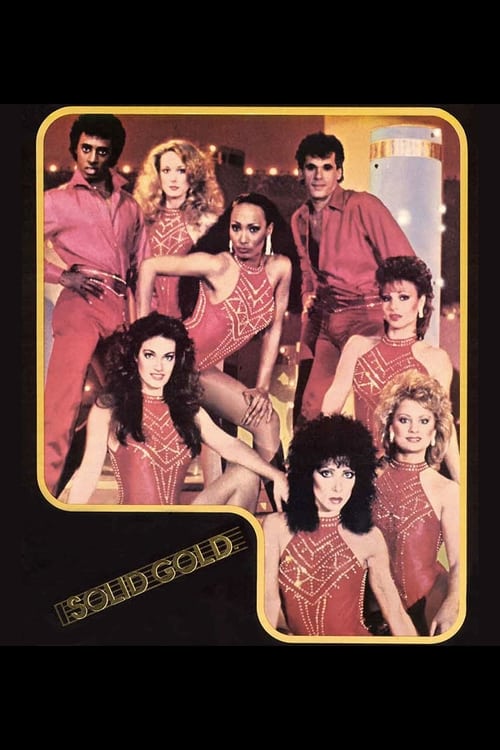
Solid Gold was an American syndicated music television series that debuted on September 13, 1980. Like many other shows of its genre, such as American Bandstand, Solid Gold featured musical performances and various other elements such as music videos. What set Solid Gold apart was a group of dancers in revealing costumes who at various points in the program performed various dances to the top ten hits of the week. Many other specials aired in which the dancers would dance to older pop hits as well. Reviews of the show were not always positive, with The New York Times referring to it as "the pop music show that is its own parody...[enacting] mini-dramas...of covetousness, lust and aerobic toning--routines that typically have a minimal connection with the songs that back them up." The series ran until July 23, 1988, and it was usually transmitted on Saturdays in the early evening. In 1986, Solid Gold added the current year to its title, so in the seventh season the show was known as Solid Gold '86/'87. For the eighth and last season the program became known as Solid Gold In Concert, reflecting the addition of more live performances than had previously been featured on the program in the past.

Solid Gold

1980Series
The Midnight Special
8.1

The Midnight Special is an American late-night musical variety series that aired on NBC during the 1970s and early 1980s, created and produced by Burt Sugarman. It premiered as a special on August 19, 1972, then began its run as a regular series on February 2, 1973; its last episode was on May 1, 1981. The ninety-minute program followed the Friday night edition of The Tonight Show Starring Johnny Carson. The show typically featured guest hosts, except for a period from July 1975 through March 1976 when singer Helen Reddy served as the regular host. Wolfman Jack served as the announcer and frequent guest host. The series also occasionally aired vintage footage of older acts. As the program neared the end of its run in the early 1980s, it began to frequently use lip-synched performances rather than live. The program also featured occasional comedic performances such as Richard Pryor and Andy Kaufman.

The Midnight Special

1972Series