FEEL IT.STREAM
Judy Garland

Judy Garland

Acting

Biography

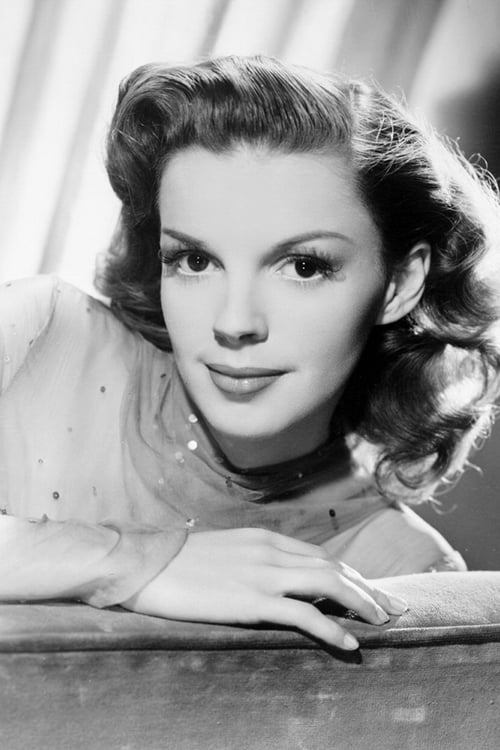
Judy Garland, born Frances Ethel Gumm, (June 10, 1922 – June 22, 1969) was an American actress and singer. After appearing in vaudeville with her sisters, Jimmie and Suzie. Judy was signed to Metro-Goldwyn-Mayer. There she made more than two dozen films, including nine with Mickey Rooney and "The Wizard of Oz". After fifteen years, Garland was released from the studio but gained renewed success through concert appearances and later a return to acting. Through a career, Garland attained international stardom as an actress in musical and dramatic roles, as a recording artist, and on the concert stage. She received a juvenile Academy Award, a Golden Globe Award as well as a Grammy Award, and a Special Tony Award. She was nominated for the Academy Award for Best Actress for "A Star is Born" (1954) and Best Supporting Actress for "Judgement at Nuremberg" (1961). At forty, she was the youngest recipient of the Cecil B. DeMille Award for lifetime achievement in the motion picture industry. In 1997, Garland was posthumously awarded a Grammy Lifetime Achievement Award. Several of her recordings have been inducted into the Grammy Hall of Fame. In 1999, the American Film Institute placed her among the ten greatest female stars in the history of American cinema.

Known For

The Tonight Show Starring Johnny Carson
7.5

The Tonight Show Starring Johnny Carson is a talk show hosted by Johnny Carson under The Tonight Show franchise from 1962 to 1992. It originally aired during late-night. For its first ten years, Carson's Tonight Show was based in New York City with occasional trips to Burbank, California; in May 1972, the show moved permanently to Burbank, California. In 2002, The Tonight Show Starring Johnny Carson was ranked #12 on TV Guide's 50 Greatest TV Shows of All Time.

The Tonight Show Starring Johnny Carson

1962
The Mike Douglas Show
5.8

The Mike Douglas Show is an American daytime television talk show hosted by Mike Douglas that originally aired only in the Cleveland area during much of its first two years on the air. It then went into syndication in 1963 and remained on television until 1982. It was distributed by Westinghouse Broadcasting and for much of its run, originated from studios of two of the company's TV stations in Cleveland and Philadelphia.

The Mike Douglas Show

1961
The Oscars
7.0

An annual American awards ceremony honoring cinematic achievements in the film industry. The various category winners are awarded a copy of a statuette, officially the Academy Award of Merit, that is better known by its nickname Oscar.

The Oscars

1953
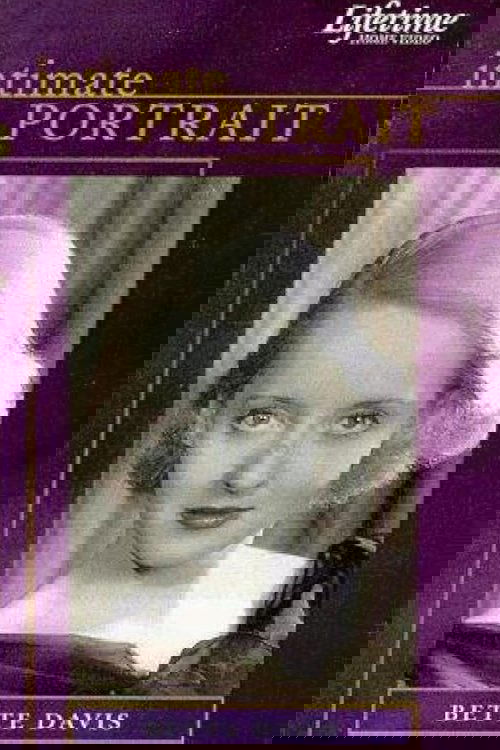
Intimate Portrait
4.5

Intimate Portrait is a biographical television series on the Lifetime Television cable network focusing on different celebrities, which includes interviews with each subject. Among the people profiled were Grace Kelly, Natalie Wood, Carly Simon, Jackie Kennedy, Katharine Hepburn, Carol Burnett, Tanya Tucker, and Marla Maples.

Intimate Portrait

1993
Omnibus
7.2

Omnibus was an arts-based BBC television documentary series, broadcast mainly on BBC1 in the United Kingdom. The programme was the successor to the long-running arts-based series 'Monitor'. It ran from 1967 until 2003, usually being transmitted on Sunday evenings. During its 35-year history, the programme won 12 Bafta awards. Among the series' best remembered documentaries are Cracked Actor, a profile of David Bowie, and Rene Magritte, a graduate film by David Wheatley, 'Madonna: Behind the American dream', a film produced by Nadia Hagger, and a profile of the British film director Ridley Scott. For a season in 1982, the series was in a magazine format presented by Barry Norman. The series was replaced by 'Imagine' hosted by Alan Yentob.

Omnibus

1967
The Ed Sullivan Show
6.8

The Ed Sullivan Show is an American TV variety show that originally ran on CBS from Sunday June 20, 1948 to Sunday June 6, 1971, and was hosted by New York entertainment columnist Ed Sullivan. It was replaced in September 1971 by the CBS Sunday Night Movie, which ran only one season and was eventually replaced by other shows. In 2002, The Ed Sullivan Show was ranked #15 on TV Guide's 50 Greatest TV Shows of All Time.

The Ed Sullivan Show

1948
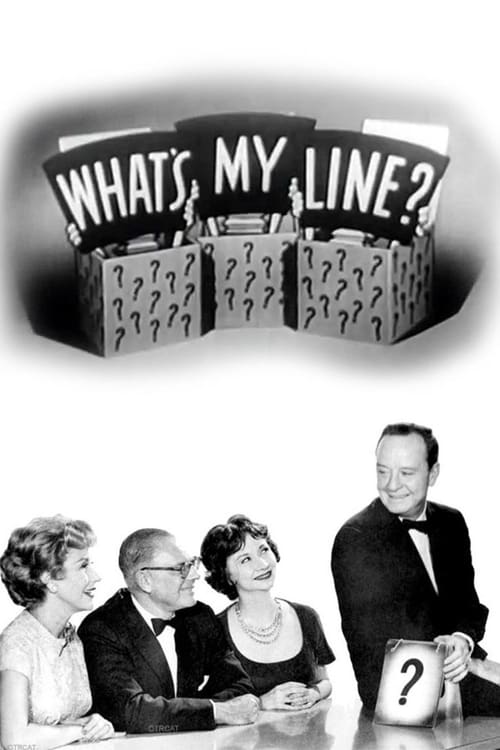
What's My Line?
7.0

Four panelists must determine guests' occupations - and, in the case of famous guests, while blindfolded, their identity - by asking only "yes" or "no" questions.

What's My Line?

1950
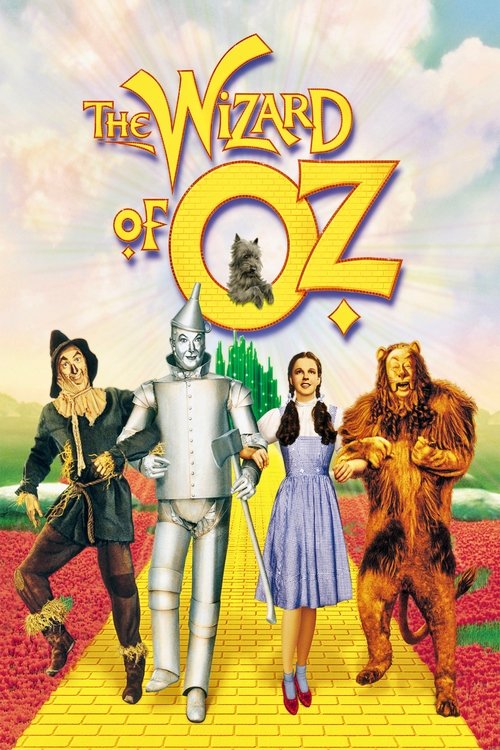
The Wizard of Oz
7.6

Young Dorothy finds herself in a magical world where she makes friends with a lion, a scarecrow and a tin man as they make their way along the yellow brick road to talk with the Wizard and ask for the things they miss most in their lives. The Wicked Witch of the West is the only thing that could stop them.

The Wizard of Oz

1939
MGM Parade
9.0

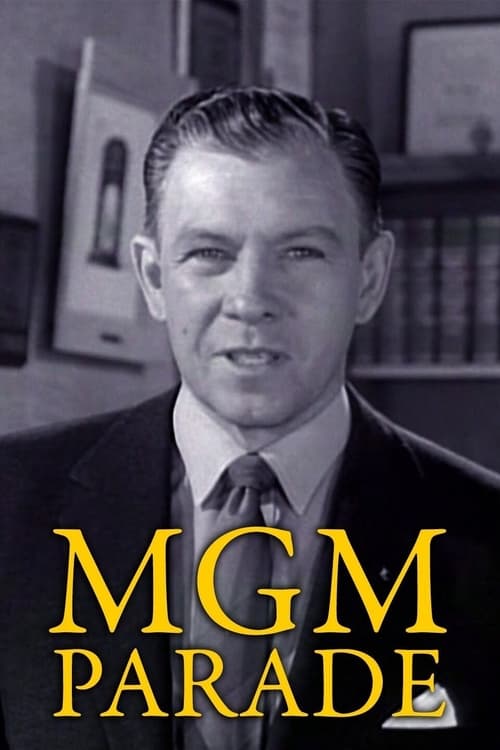
The original concept of the show was to allow the viewer to see the inner workings of a movie studio and featured interviews with MGM stars and explanations of how movies were made. Later, the format changed to show edited versions of MGM films.

MGM Parade

1955
The Hollywood Palace
5.0

The Hollywood Palace is an hour-long American television variety show that was broadcast weekly on ABC from January 4, 1964 to February 7, 1970. Originally titled The Saturday Night Hollywood Palace, it began as a mid-season replacement for The Jerry Lewis Show, another variety show which had lasted only three months. It was staged in Hollywood at the former Hollywood Playhouse on Vine Street, which was renamed The Hollywood Palace during the show's duration and is today known as Avalon Hollywood. A little-known starlet named Raquel Welch was cast during the first season as the "Billboard Girl", who placed the names of the acts on a placard.

The Hollywood Palace

1964
The Twentieth Century
8.0

The Twentieth Century is a long-running CBS documentary television series that aired from 1957 to 1966, sponsored throughout its run by the Prudential Insurance Company and narrated by Walter Cronkite. Drawing on the resources of CBS News, the series produced both historical compilation documentaries and originally photographed contemporary reports, presenting major political, cultural, scientific, and social developments that shaped the modern world. Episodes combined newsreel footage, eyewitness testimony, and on-location reporting, covering subjects ranging from global conflicts and political change to arts, science, and international social transformation. Popular with audiences and critically respected, the series functioned as a formative model for later American television documentary programming and helped establish the compilation-documentary format as a central mode of broadcast nonfiction.

The Twentieth Century

1957
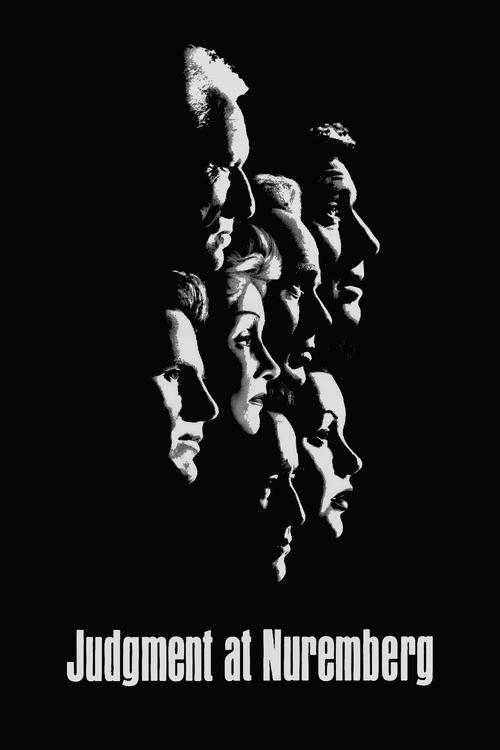
Judgment at Nuremberg
8.0

In 1947, four German judges who served on the bench during the Nazi regime face a military tribunal to answer charges of crimes against humanity. Chief Justice Haywood hears evidence and testimony not only from lead defendant Ernst Janning and his defense attorney Hans Rolfe, but also from the widow of a Nazi general, an idealistic U.S. Army captain and reluctant witness Irene Wallner.

Judgment at Nuremberg

1961
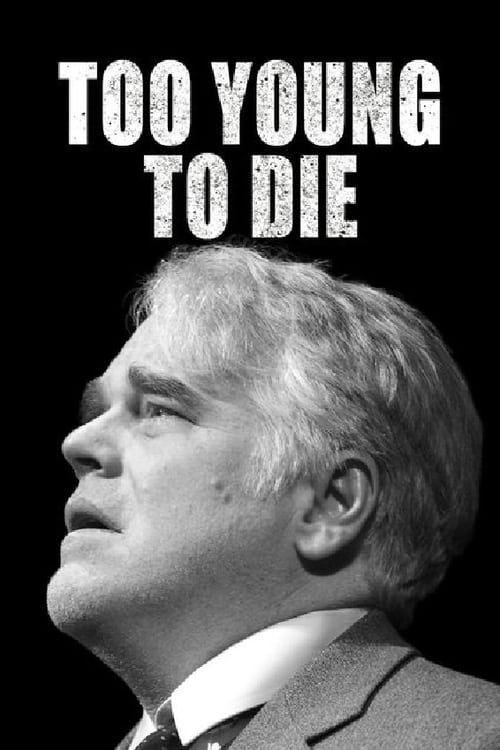
Too Young to Die
7.2

Those who knew them best describe the sensational lives and premature deaths of iconic actors and musicians whose passing left a void in pop culture.

Too Young to Die

2012
The Judy Garland Show
8.3

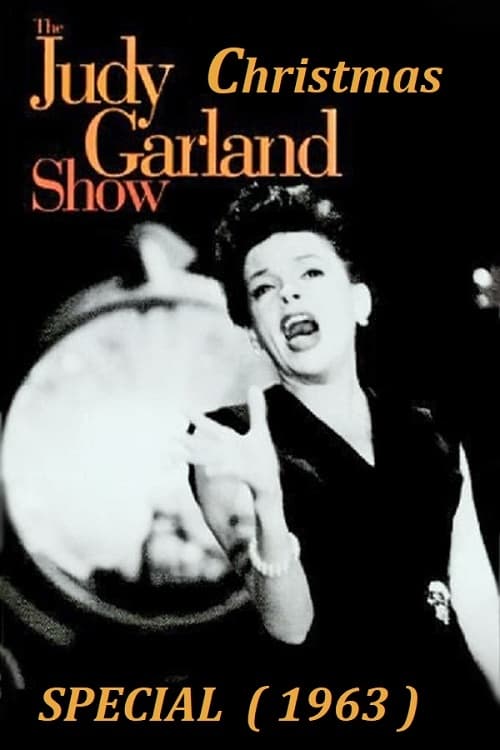
The Judy Garland Show is an American musical variety television series that aired on CBS on Sunday nights during the 1963-1964 television season. Despite a sometimes stormy relationship with Judy Garland, CBS had found success with several television specials featuring the star. Garland, who for years had been reluctant to commit to a weekly series, saw the show as her best chance to pull herself out of severe financial difficulties. Production difficulties beset the series almost from the beginning. The series had three different producers in the course of its 26 episodes and went through a number of other key personnel changes. With the change in producers also came changes to the show's format, which started as comedy/variety but switched to an almost purely concert format. While Garland herself was popular with critics, the initial variety format and her co-star, Jerry Van Dyke, were not. The show competed with Bonanza, then the fourth most popular program on television, and consistently performed poorly in the ratings. Although fans rallied in an attempt to save the show, CBS cancelled it after a single season. TV Guide included the series in their 2013 list of 60 shows that were "Cancelled Too Soon".

The Judy Garland Show

1963
General Electric Theater
6.8

General Electric Theater is an American anthology series hosted by Ronald Reagan that was broadcast on CBS radio and television. The series was sponsored by General Electric's Department of Public Relations.

General Electric Theater

1953
A Star Is Born
7.1

A movie star helps a young singer-actress find fame, even as age and alcoholism send his own career into a downward spiral.

A Star Is Born

1954
It's Never Over, Jeff Buckley
7.7

Rising musician Jeff Buckley had only released one album when he died suddenly in 1997. Now, never-before-seen footage, exclusive voice messages, and accounts from those closest to him offer a portrait of the captivating singer.

It's Never Over, Jeff Buckley

2025
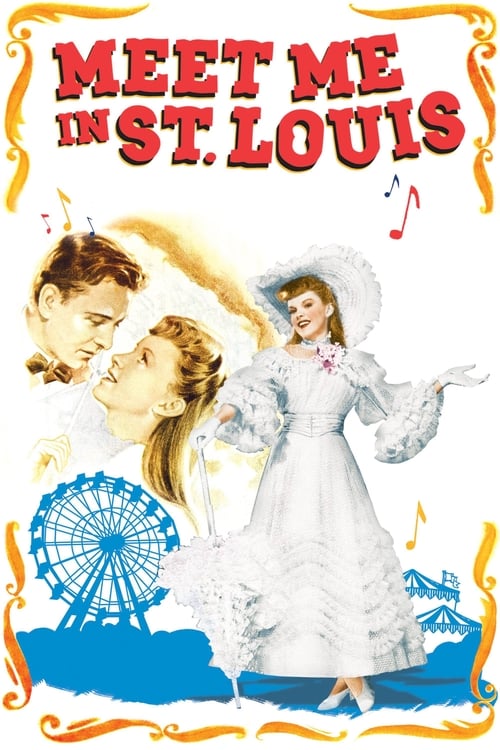
Meet Me in St. Louis
7.0

A year in the life of a turn-of-the-century middle class family, leading up to the opening of the 1904 St. Louis World's Fair.

Meet Me in St. Louis

1944
Easter Parade
7.0

On the day before Easter in 1911, Don Hewes is crushed when his dancing partner (and object of affection) Nadine Hale refuses to start a new contract with him. To prove Nadine's not important to him, Don acquires innocent new protege Hannah Brown, vowing to make her a star in time for next year's Easter parade.

Easter Parade

1948
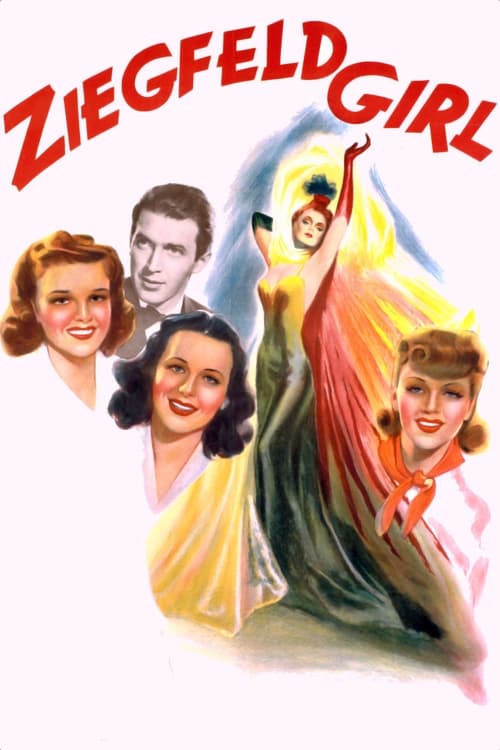
Ziegfeld Girl
6.7

Discovery by Flo Ziegfeld changes a girl's life but not necessarily for the better, as three beautiful women find out when they join the spectacle on Broadway: Susan, the singer who must leave behind her ageing vaudevillian father; vulnerable Sheila, the working girl pursued both by a millionaire and by her loyal boyfriend from Flatbush; and the mysterious European beauty Sandra, whose concert violinist husband cannot endure the thought of their escaping from poverty by promenading her glamor in skimpy costumes.

Ziegfeld Girl

1941